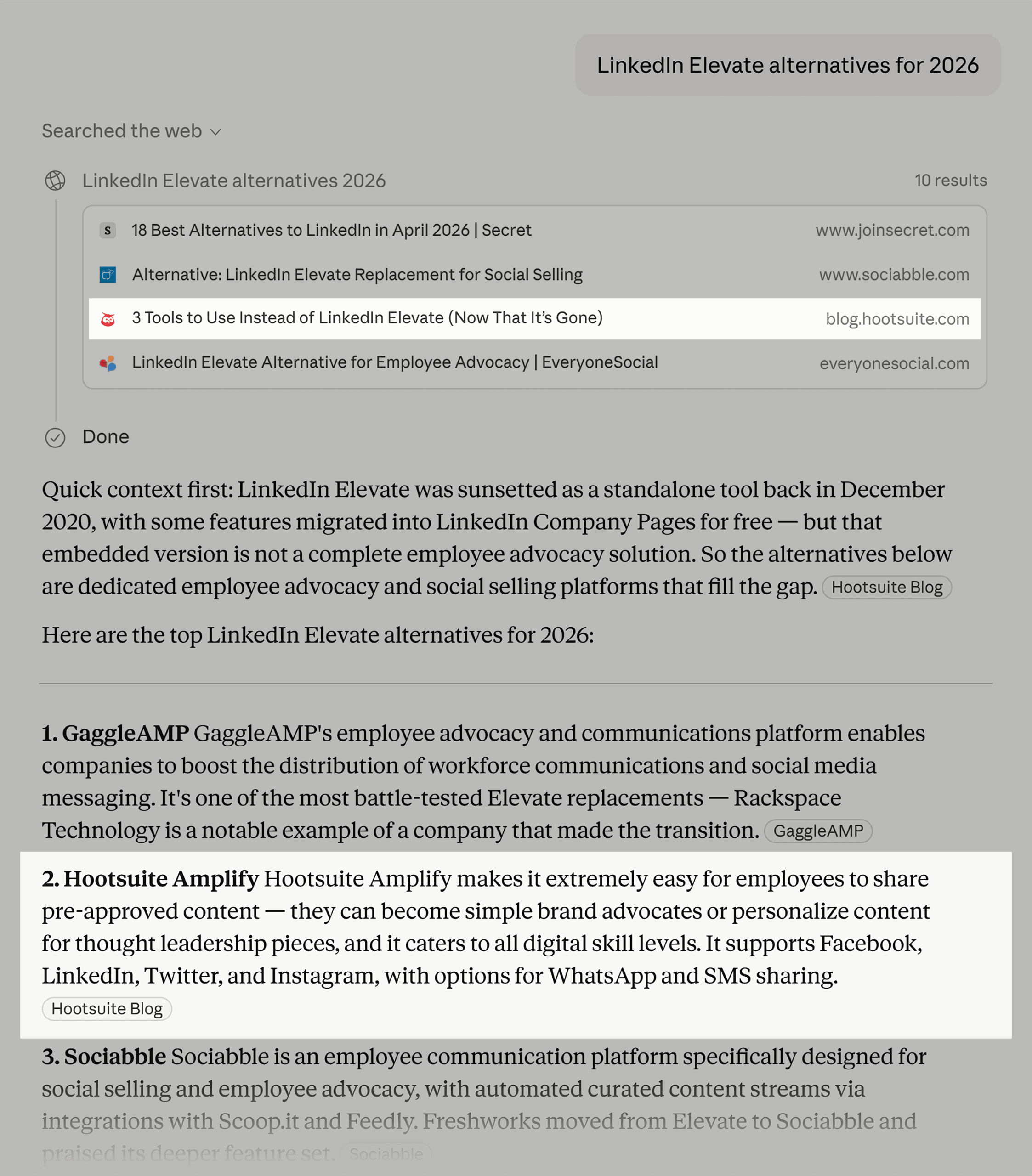
In the traditional era of search engine optimization (SEO), the goal was singular: achieve a top-three ranking on Google for a specific, high-volume keyword. Brands spent millions on link-building, technical audits, and content production to secure that elusive "blue link" visibility.

However, the rise of Large Language Model (LLM) search engines—such as ChatGPT, Perplexity, and Google’s own AI Overviews—has fundamentally shifted the rules of engagement. You can occupy the number one spot on a Google search results page (SERP) and still never be cited, mentioned, or even acknowledged by an AI.
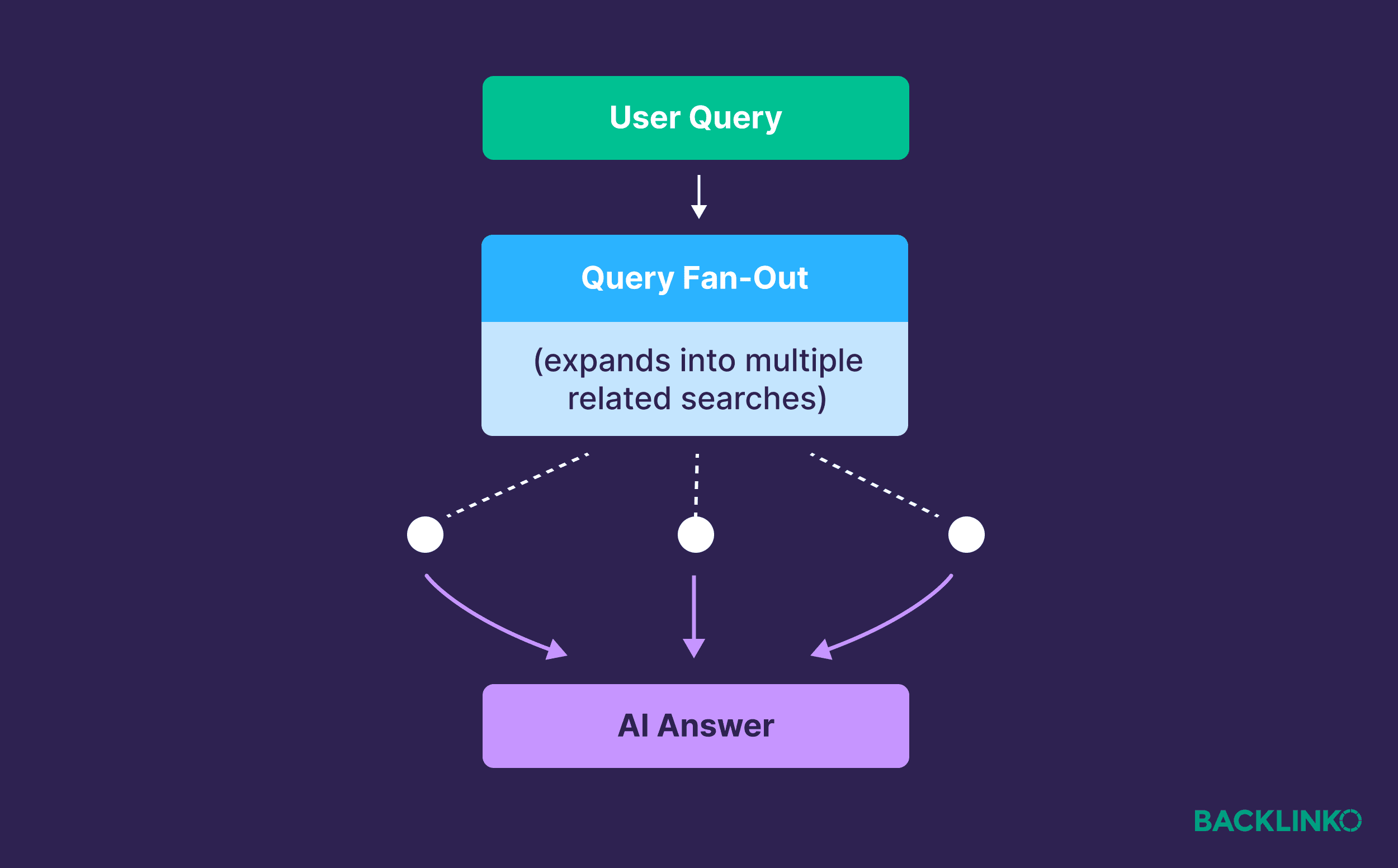
The secret to why this happens lies in a backend process known as "query fan-out." If your brand isn’t optimized for this process, you are effectively invisible to the future of search.
What Is Query Fan-Out?
Query fan-out is the sophisticated process AI search systems employ to transform a single, often vague, user prompt into a multi-layered response. When you ask an AI a question, it does not simply look for the best-ranking webpage. Instead, it "fans out" your query into a series of highly specific sub-queries to build a complete, multifaceted answer.
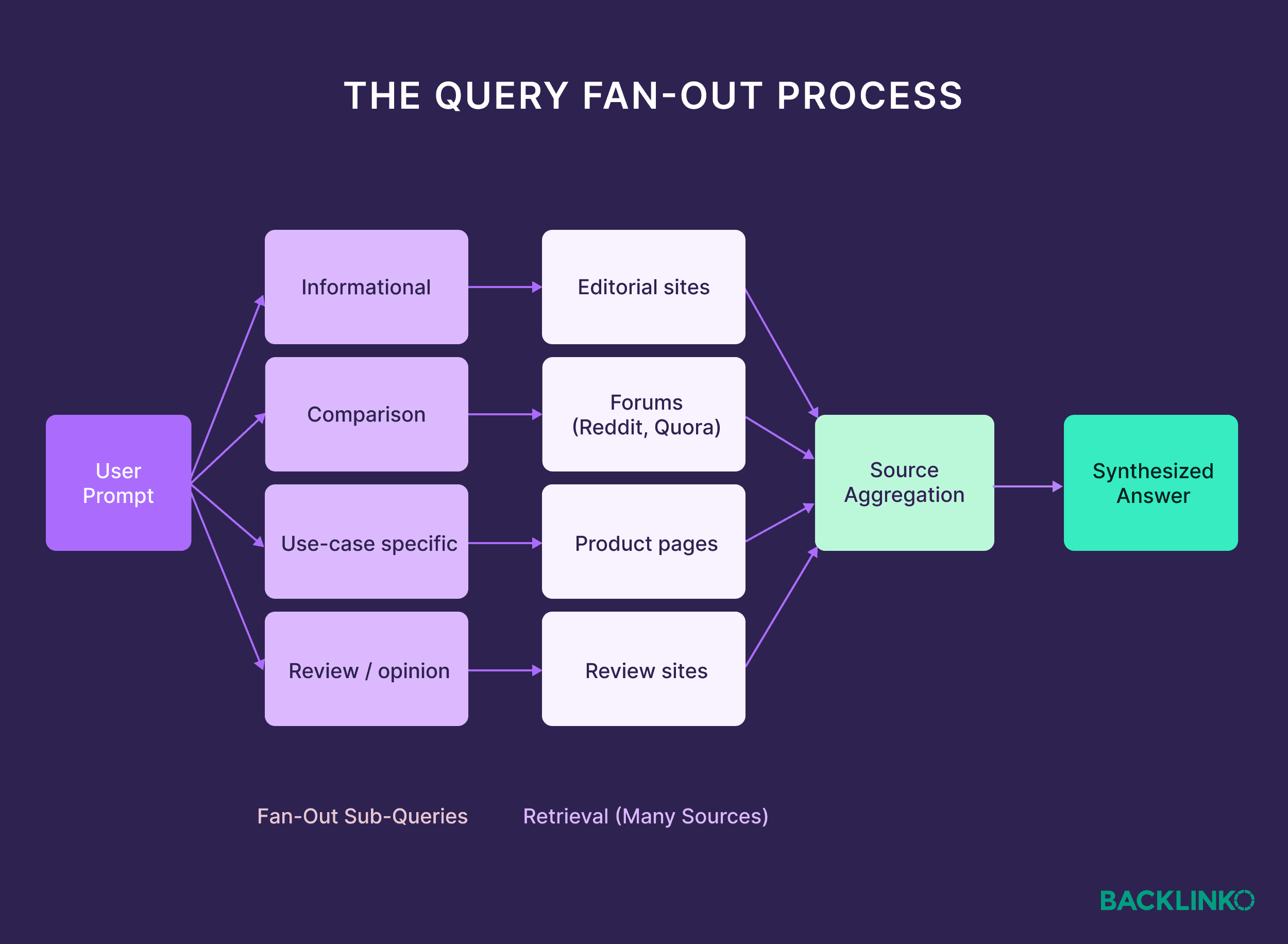
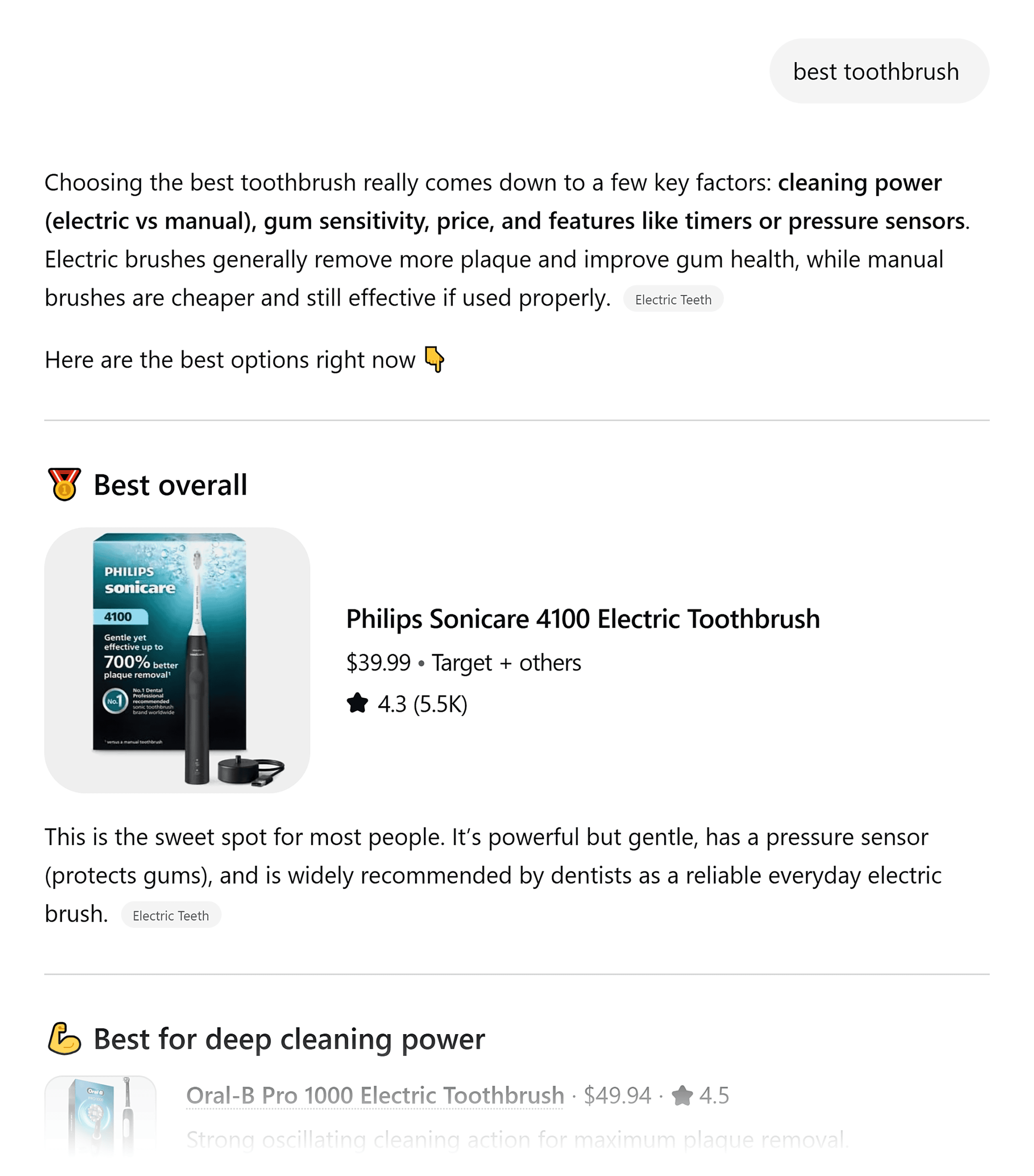
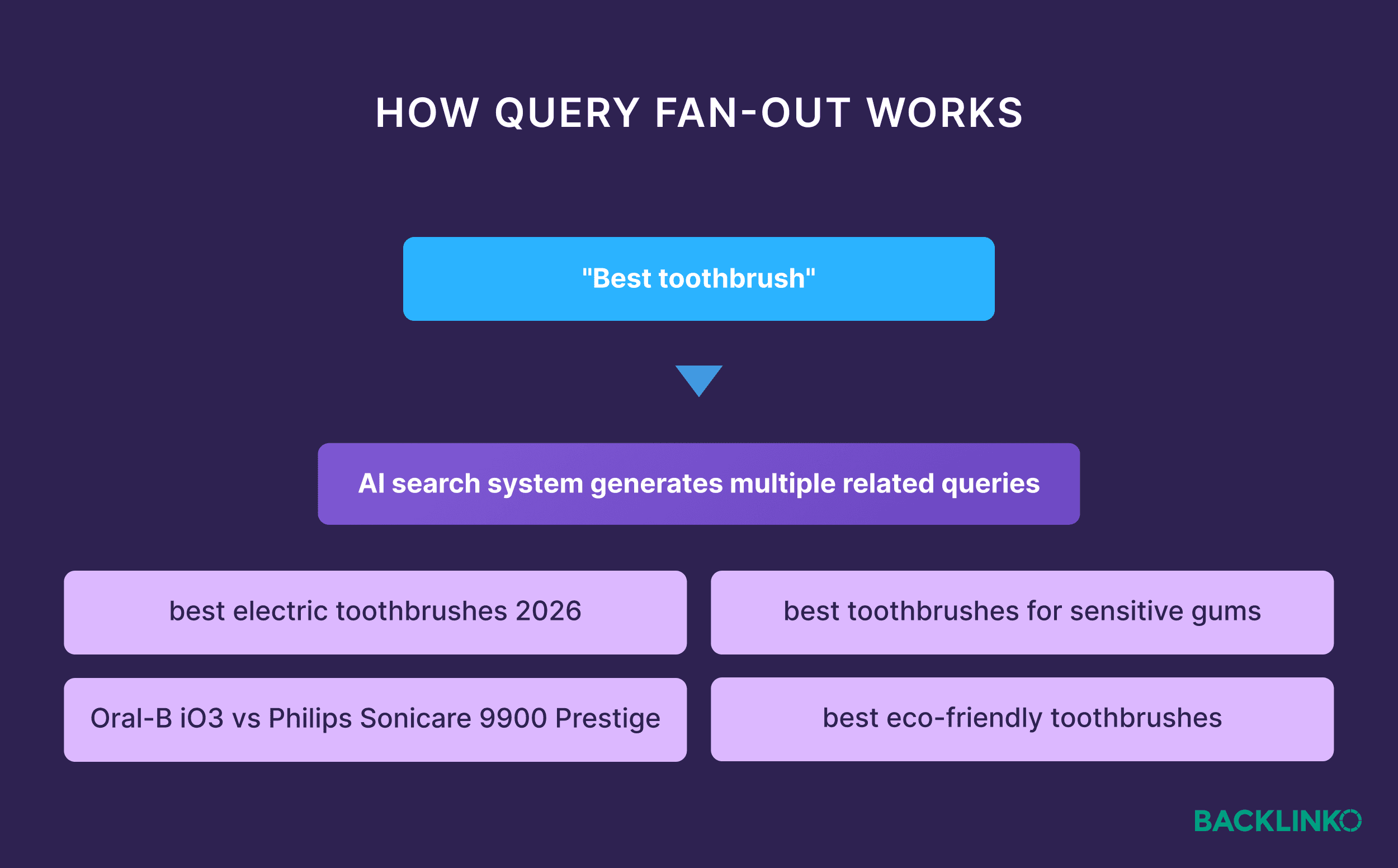
For example, if a user enters the simple query "best toothbrush," the AI doesn’t just return a generic listicle from a high-authority site. Behind the scenes, it might trigger sub-queries like:
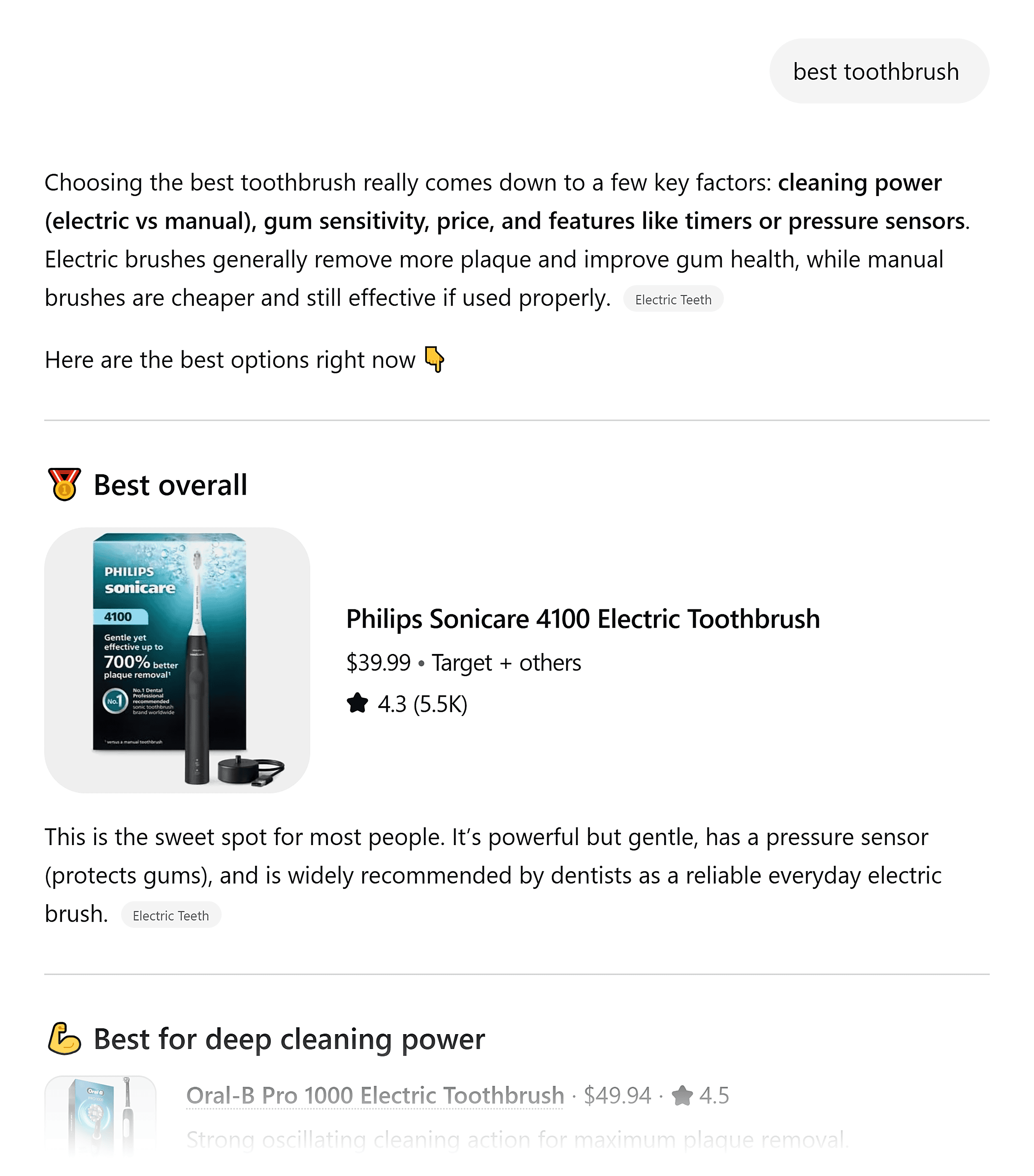
- "Best electric toothbrushes 2026"
- "Best toothbrushes for sensitive gums"
- "Oral-B vs. Philips Sonicare comparison"
- "Best eco-friendly manual toothbrushes"
By aggregating the data from these varied sub-queries—pulling from editorial sites, Reddit threads, and specific product pages—the AI synthesizes a comprehensive response that anticipates the user’s needs before they even ask the follow-up questions.
Chronology of the Shift: From Keywords to Synthesis
The evolution of search has been rapid, moving through distinct phases that have left traditional SEO practitioners scrambling:
- The Keyword Era: Content was built around exact-match keywords. If you ranked for the keyword, you captured the traffic.
- The Intent Era: Google introduced semantic search (BERT, RankBrain), moving toward understanding user intent rather than just keywords.
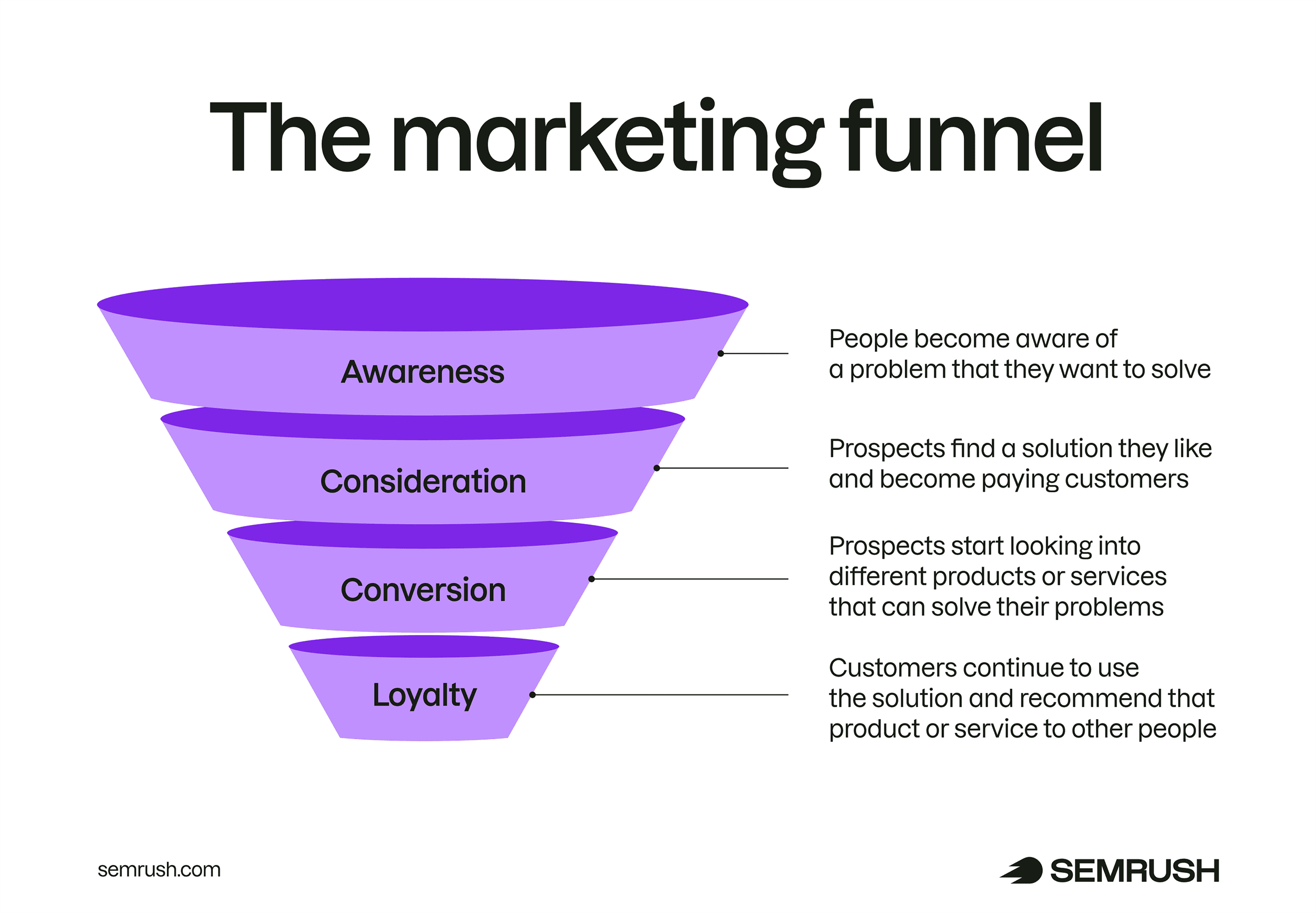
- The AI Synthesis Era (Current): We are now in a post-funnel world. AI search systems do not guide users through a linear journey (Awareness → Consideration → Decision). Instead, they collapse the entire funnel into a single interaction. A user asks a high-intent question, and the AI provides the answer—complete with context, comparisons, and solutions—in seconds.
Supporting Data: Why Rankings Don’t Equal Citations
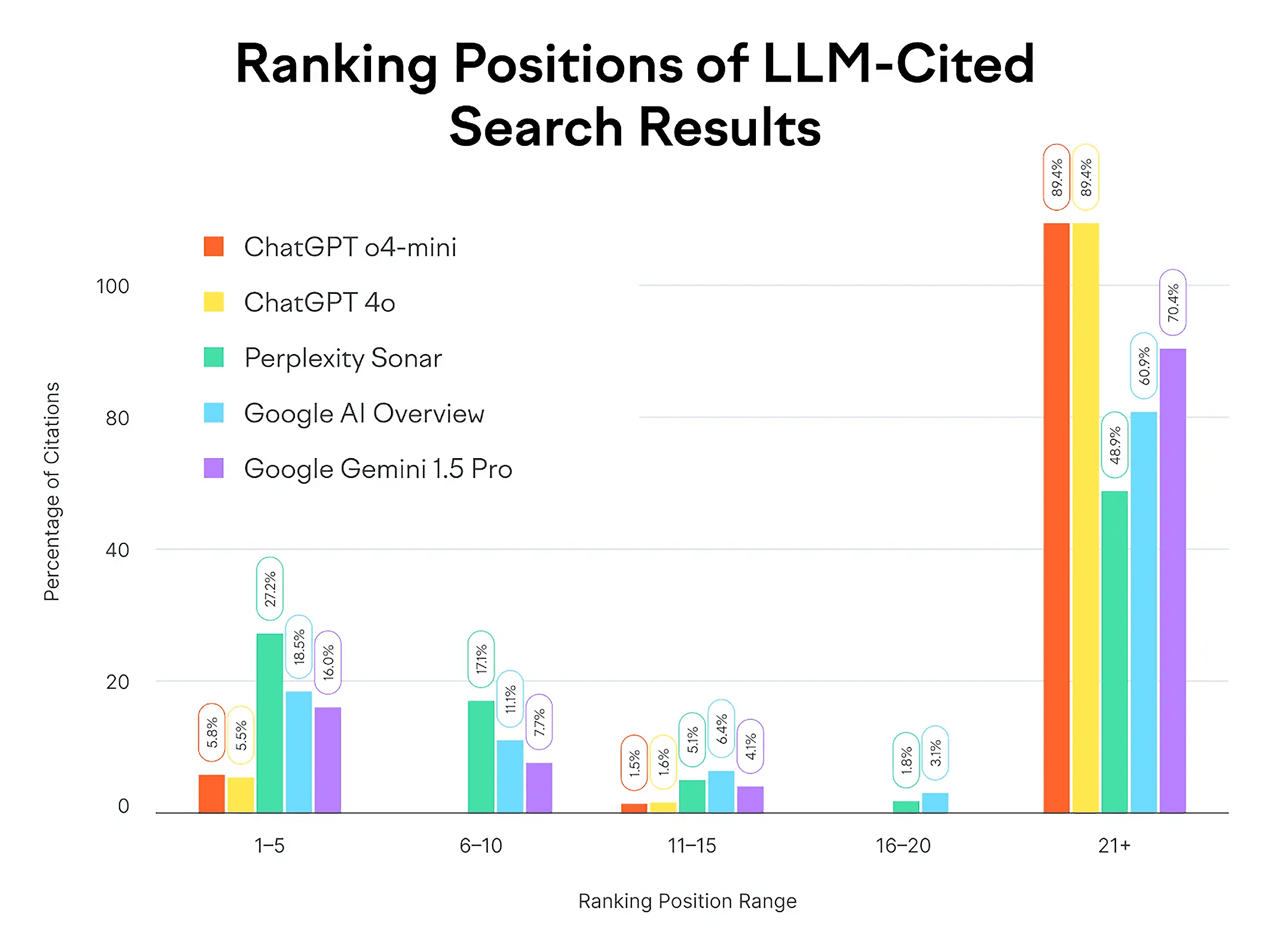
If you believe that high rankings are the sole currency of the web, the data suggests otherwise. A recent study by Semrush revealed a striking disconnect: ChatGPT cites pages ranked in positions 21 and beyond nearly 90% of the time.
Why? Because LLMs are not "ranking" pages in the way Google’s algorithm does. They are "retrieving" information. If your content provides the most precise, concise, or useful answer to a specific sub-query, the AI will pull that passage—even if the page itself has zero domain authority or a poor search ranking.
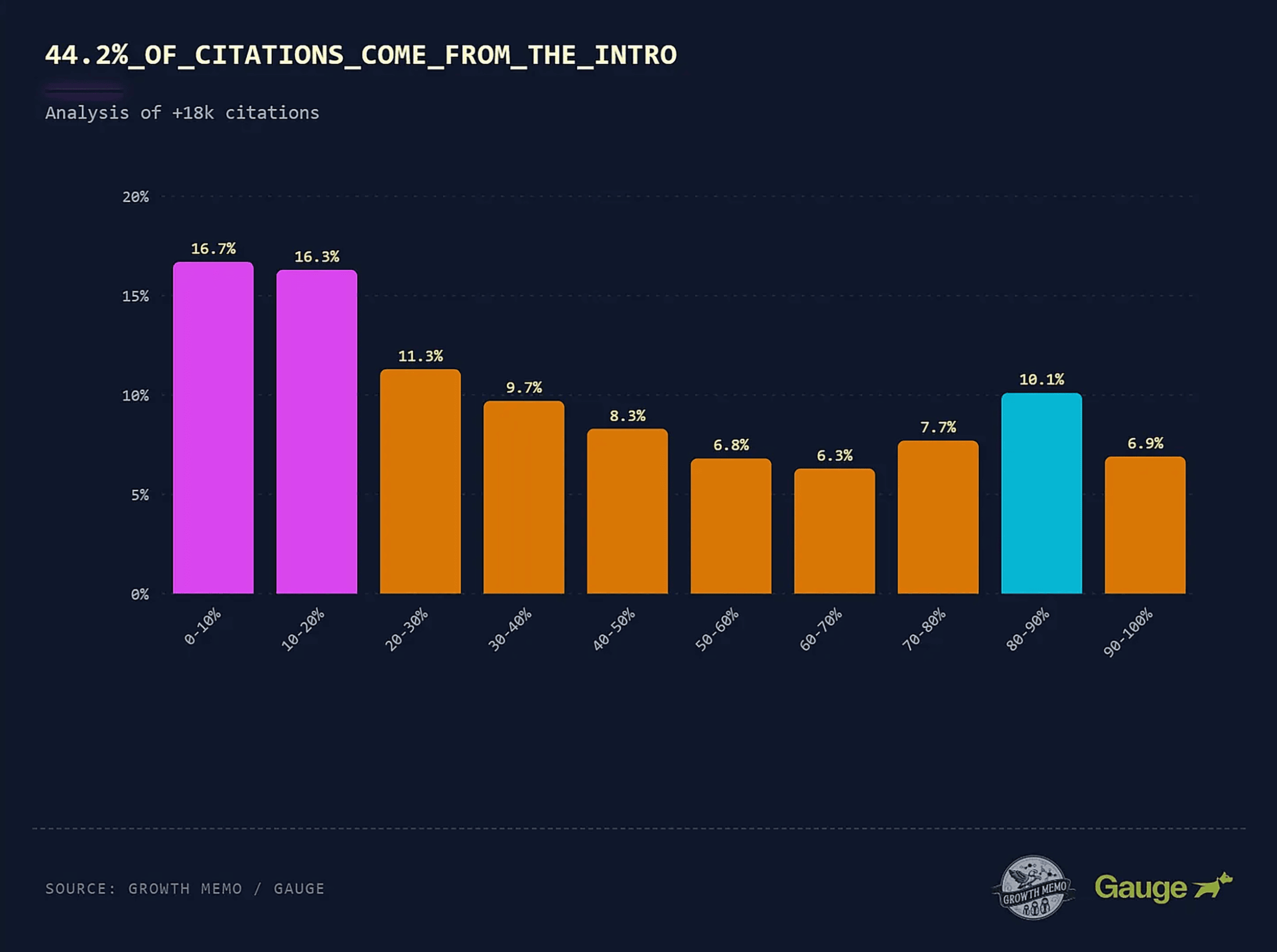
Furthermore, analysis of 1.2 million ChatGPT responses by growth expert Kevin Indig shows that 44.2% of citations come from the first 30% of a page. This confirms that the AI is looking for "answer-first" content. It doesn’t want to read your 3,000-word intro; it wants to extract the specific, relevant snippet that resolves the sub-query.
Implications for Modern Content Strategy
The shift to query fan-out requires a total rethink of how content is produced and structured.

1. The Death of the Linear Funnel
Buyers no longer need to click through five different articles to move from "awareness" to "decision." Your content must be comprehensive enough to handle the entire journey on a single page. If you are a brand selling headphones, your product page should not just list specs; it should include the "why," the "comparison against competitors," and the "social proof" that would traditionally be spread across three different blog posts.

2. Passage-Based Retrieval
AI systems scan for passages, not pages. If your answer is buried at the bottom of a 2,000-word article, the AI will likely ignore it. Optimization now requires "front-loading" the answer, using clear H2 and H3 subheadings that mirror the questions users are likely to ask.
3. Topic Clusters Over Keywords
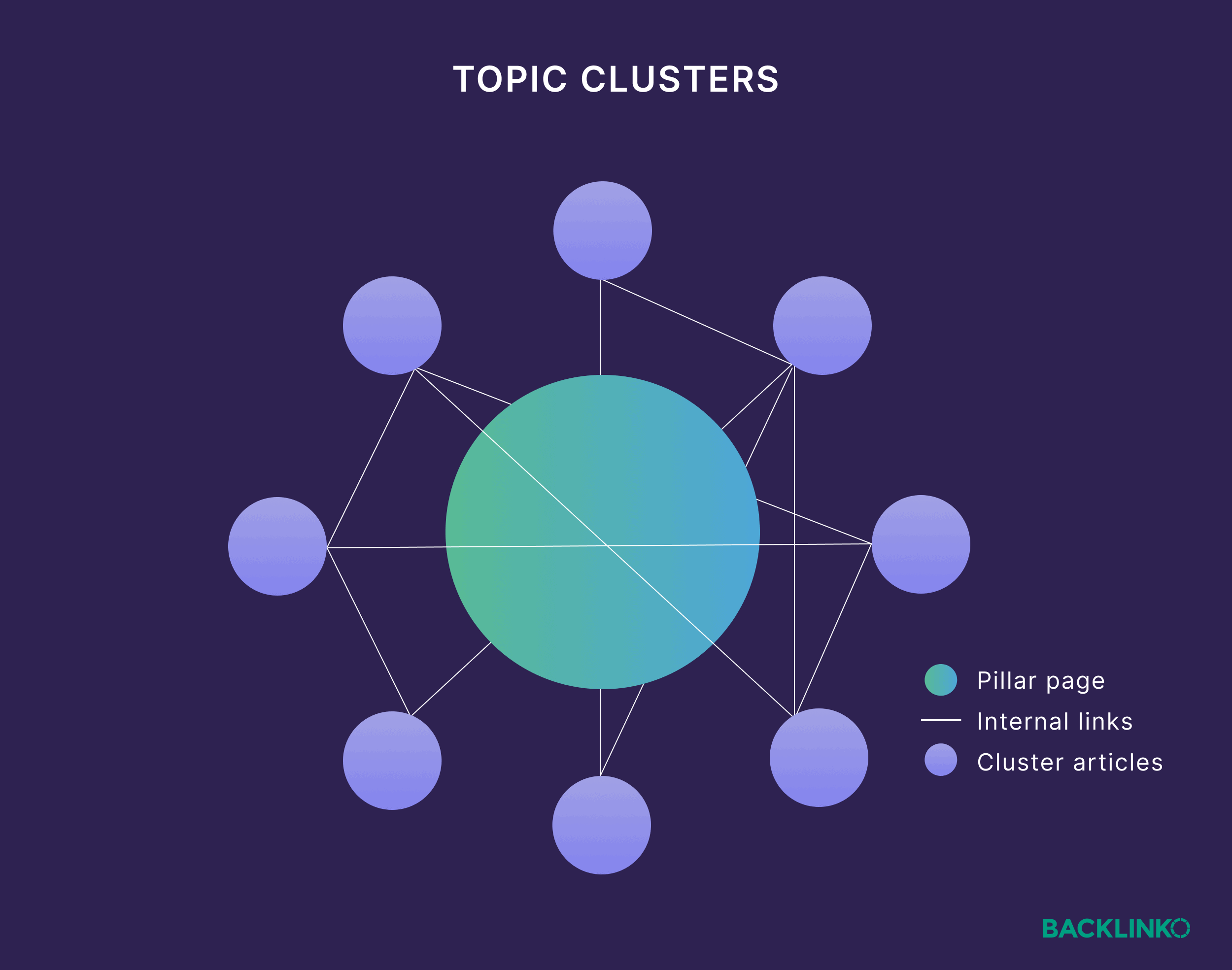
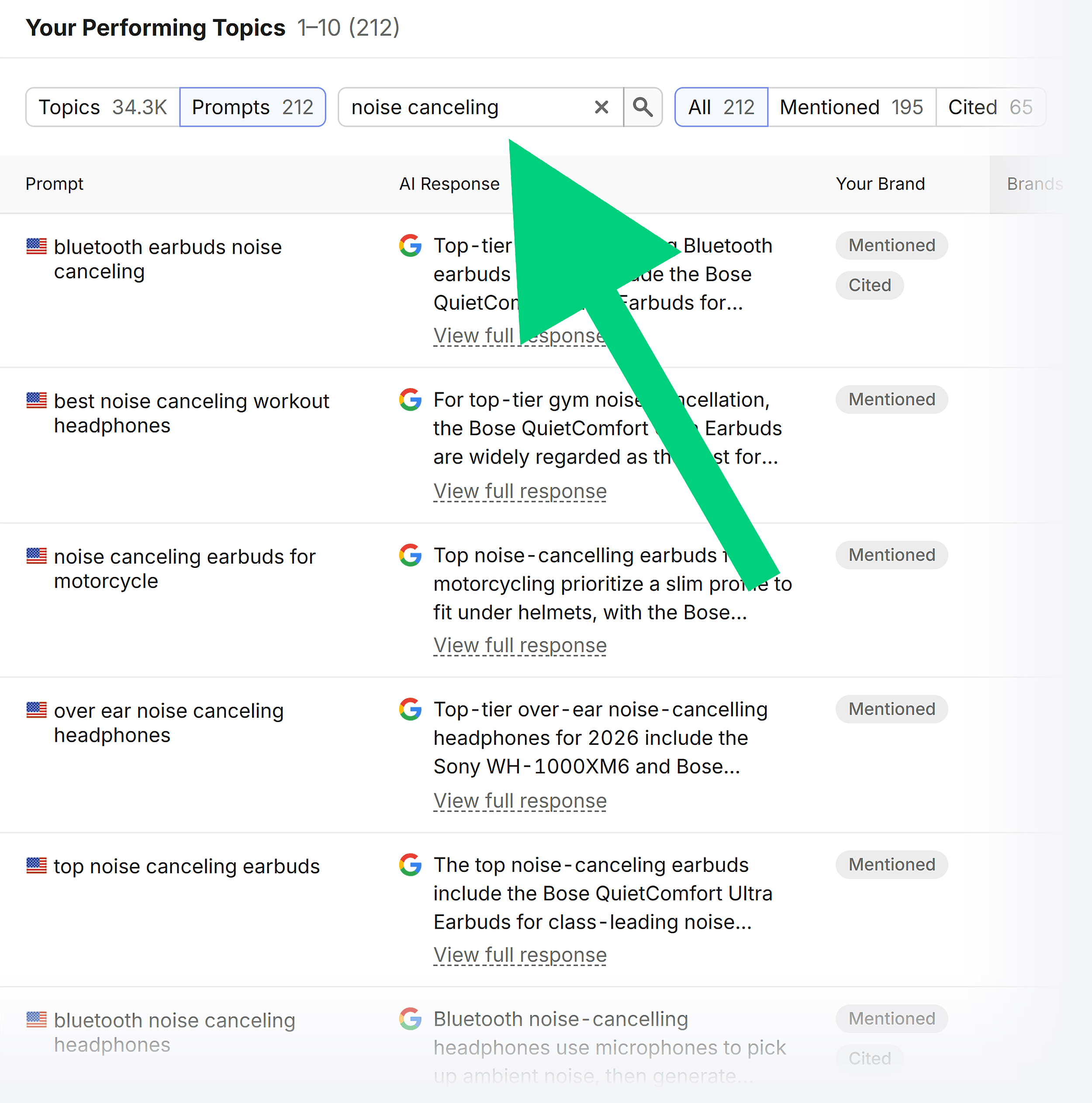
Because AI synthesizes information, it favors "topical authority." If you only write about "noise-canceling headphones," you are missing the context. You need to write about the problems the user has (e.g., "how to focus in an open office," "hearing protection for travel"). By building a cluster of content around these related themes, you increase the likelihood that the AI will "fan out" into your content ecosystem.
The 6-Step Workflow to Earn AI Citations
To thrive in the age of AI search, you must implement a repeatable workflow:
Step 1: Find Your "Money Prompts"
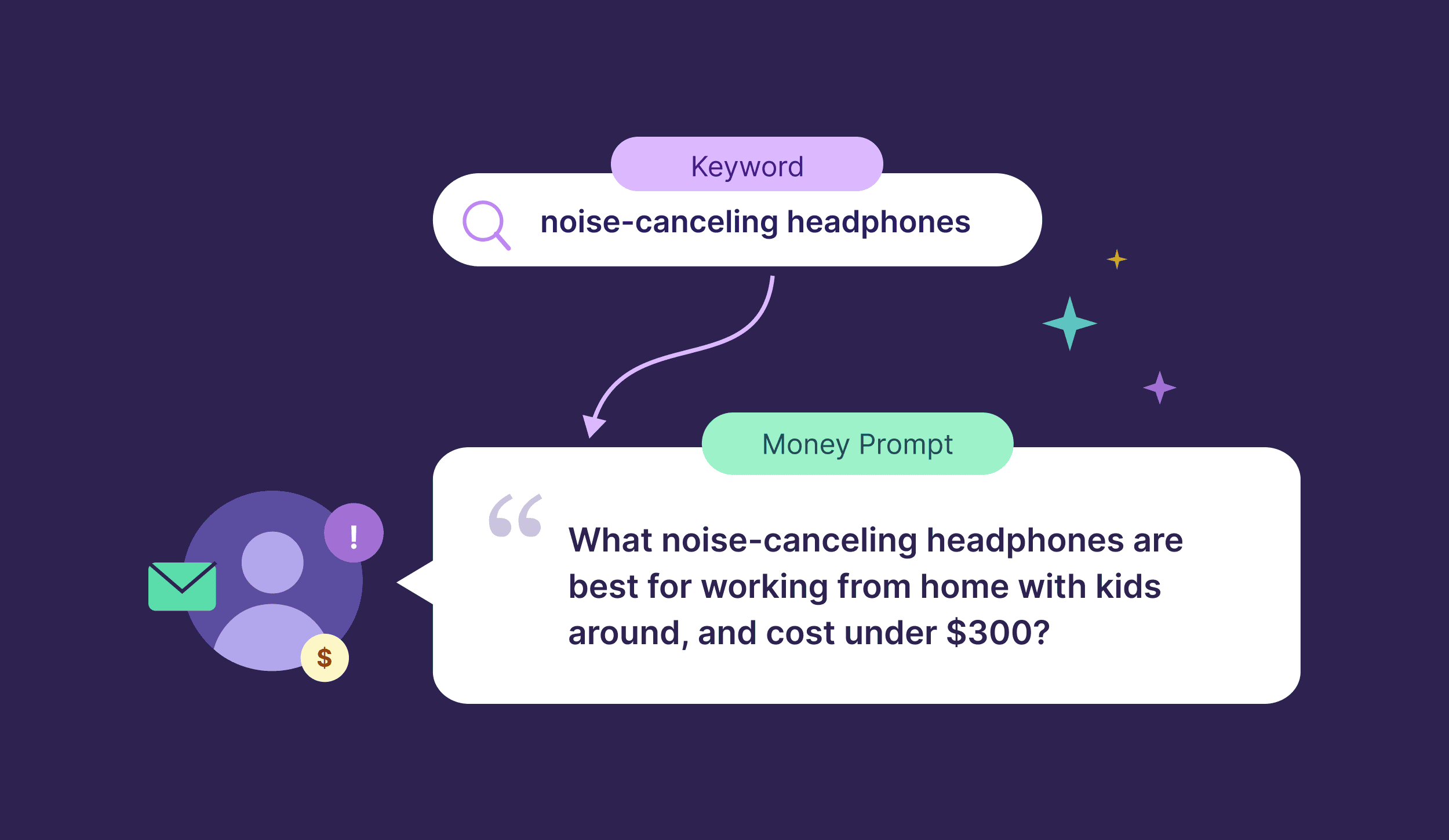
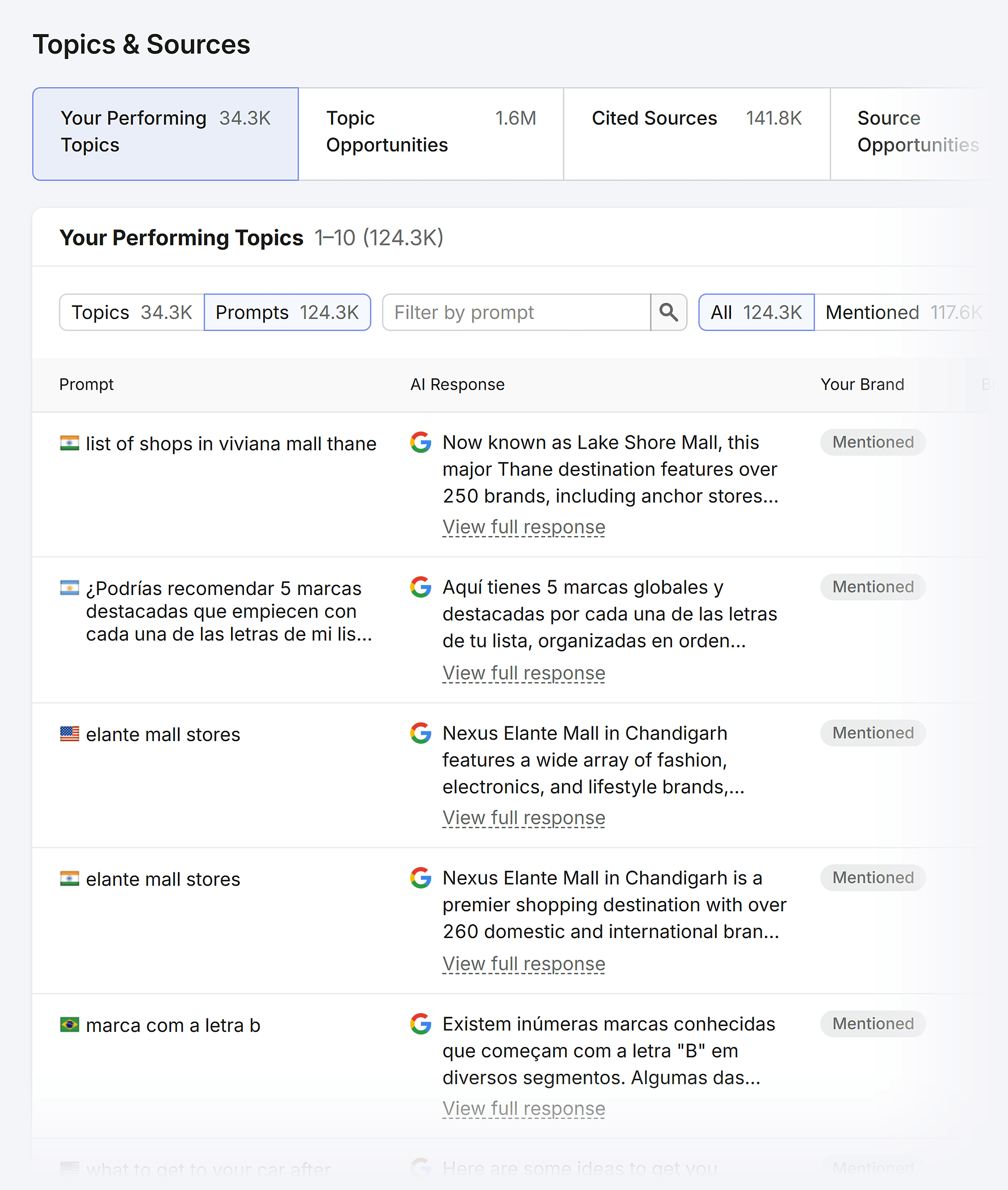
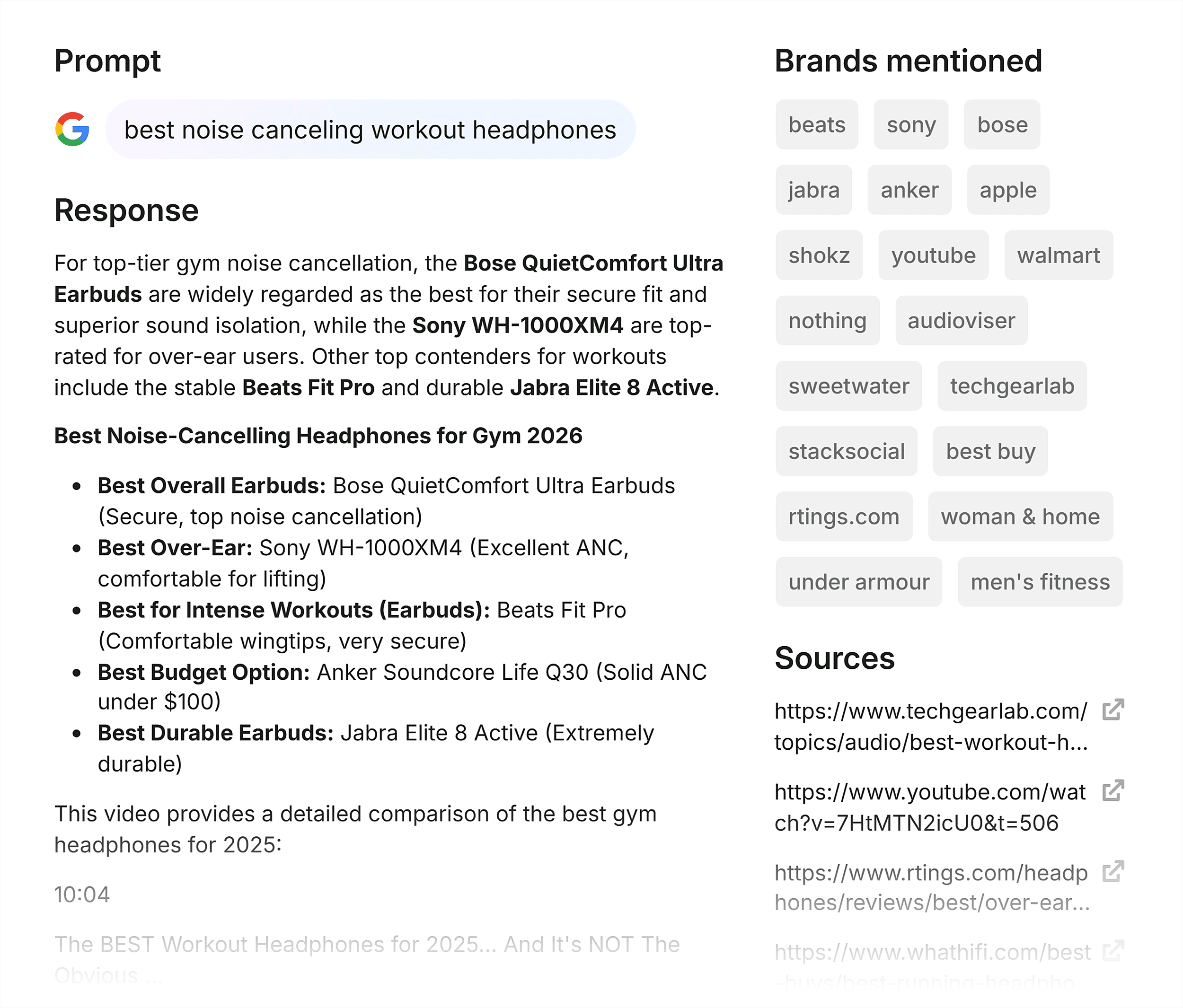
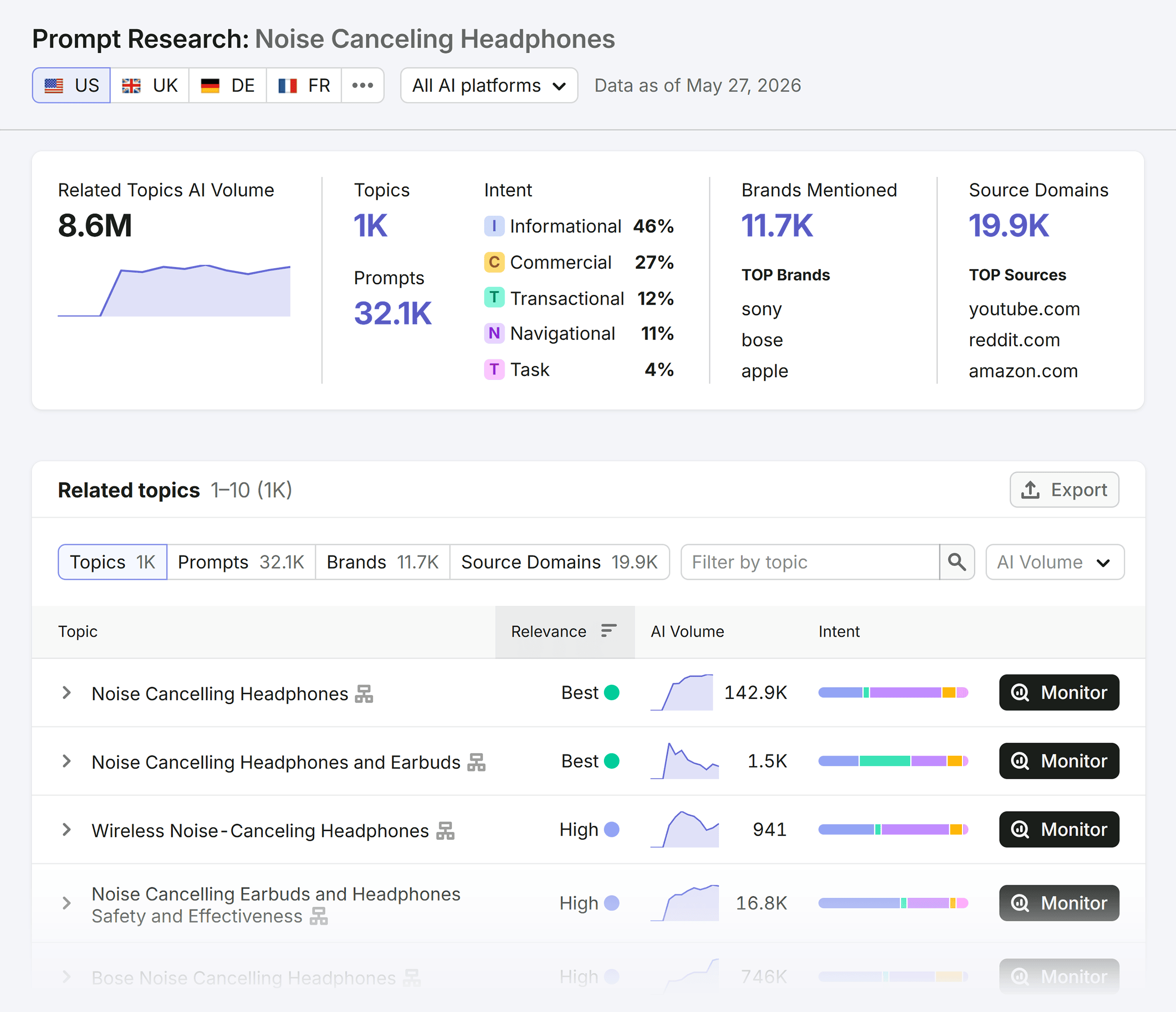
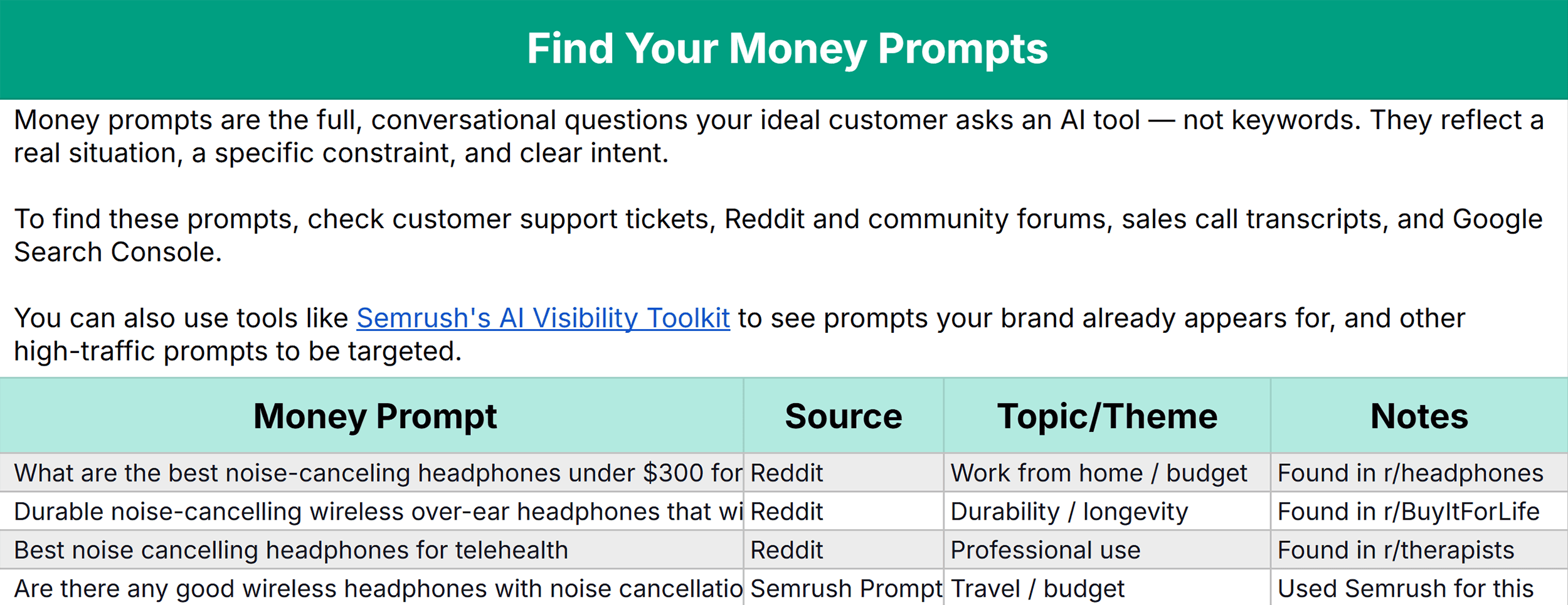
Forget money keywords; start searching for "money prompts." These are the complex, multi-layered questions your ideal customers ask AI. Tools like the Semrush AI Visibility Toolkit allow you to see exactly what users are asking and, more importantly, which brands the AI is currently citing in response.
Step 2: Generate Your Fan-Out Set
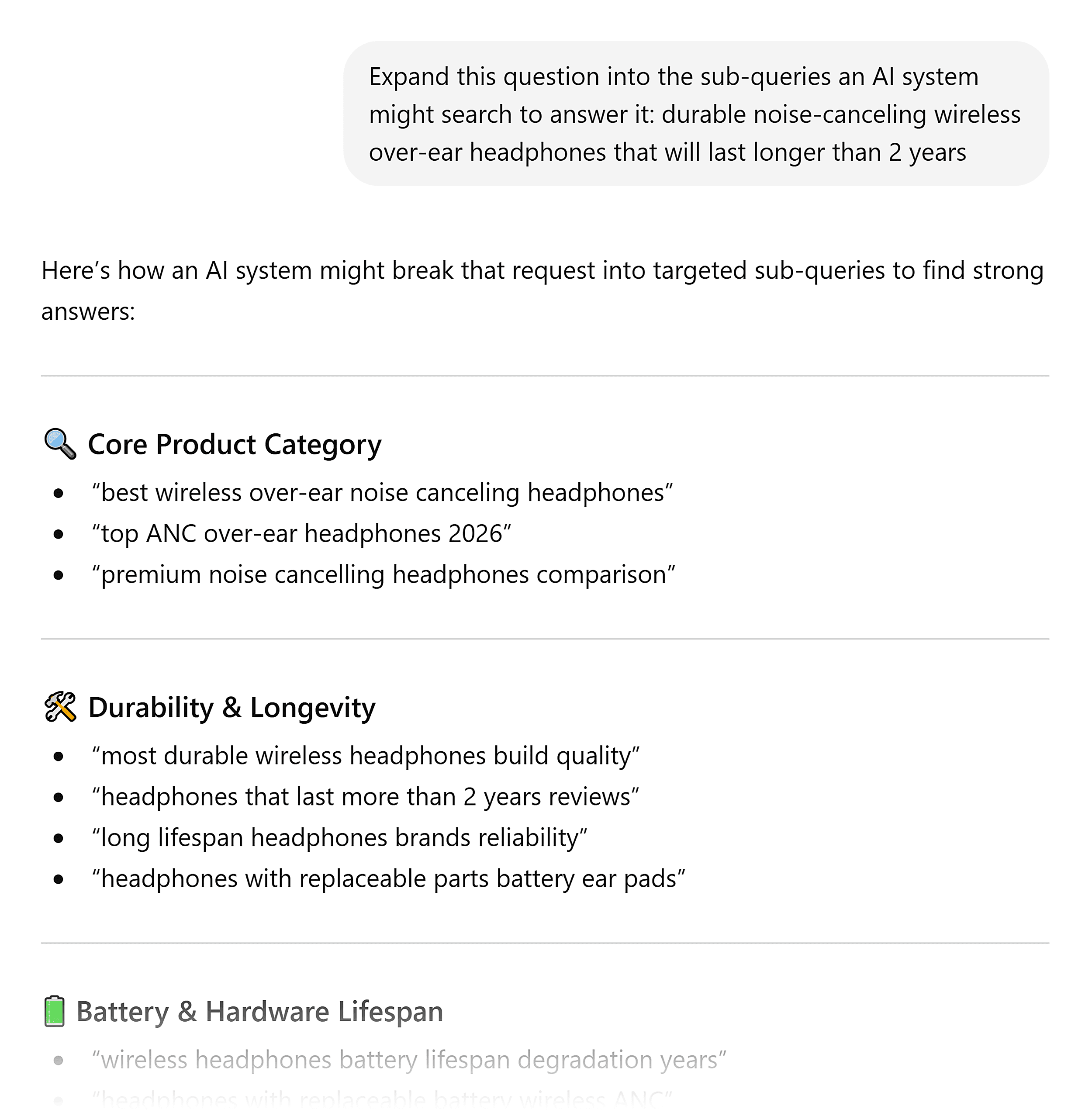
Use an AI tool or a browser extension to "reverse engineer" the AI’s thought process. By inspecting the network activity of a ChatGPT conversation, you can identify the specific sub-queries the system generated to answer your money prompt.
Step 3: Bucket by Intent
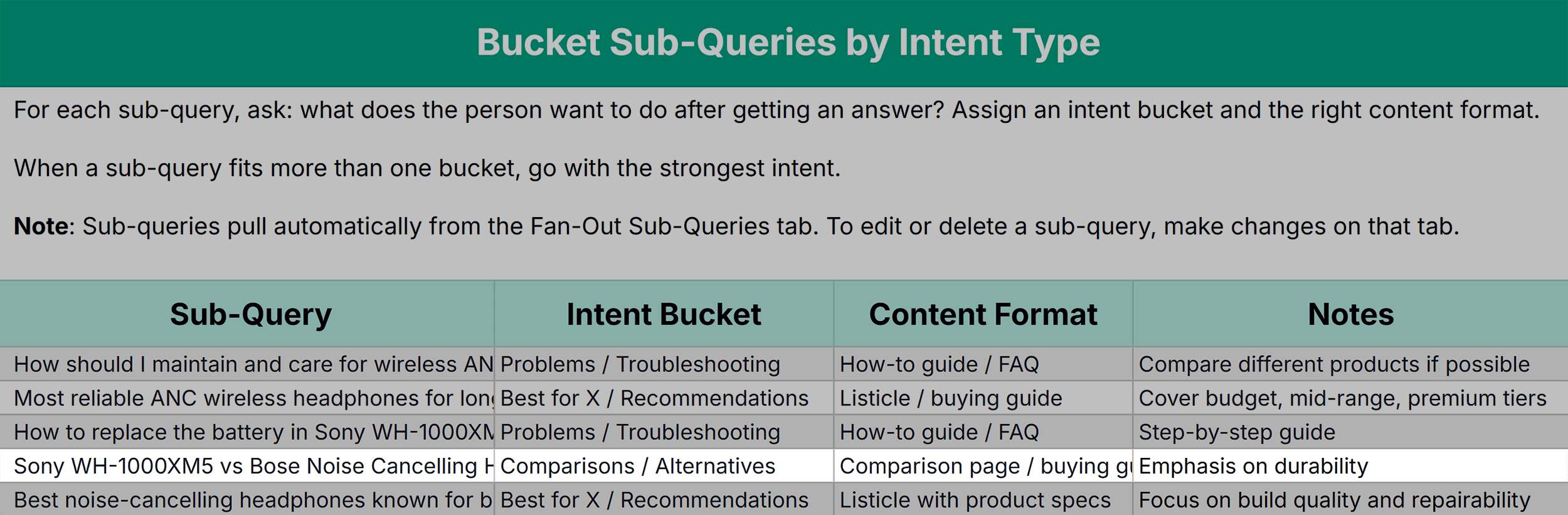
Categorize every sub-query into buckets: Definitions, Comparisons, Best-of Lists, Troubleshooting, or Pricing. This tells you exactly what format the user expects. A "comparison" sub-query demands a table, whereas a "troubleshooting" sub-query demands a step-by-step list.
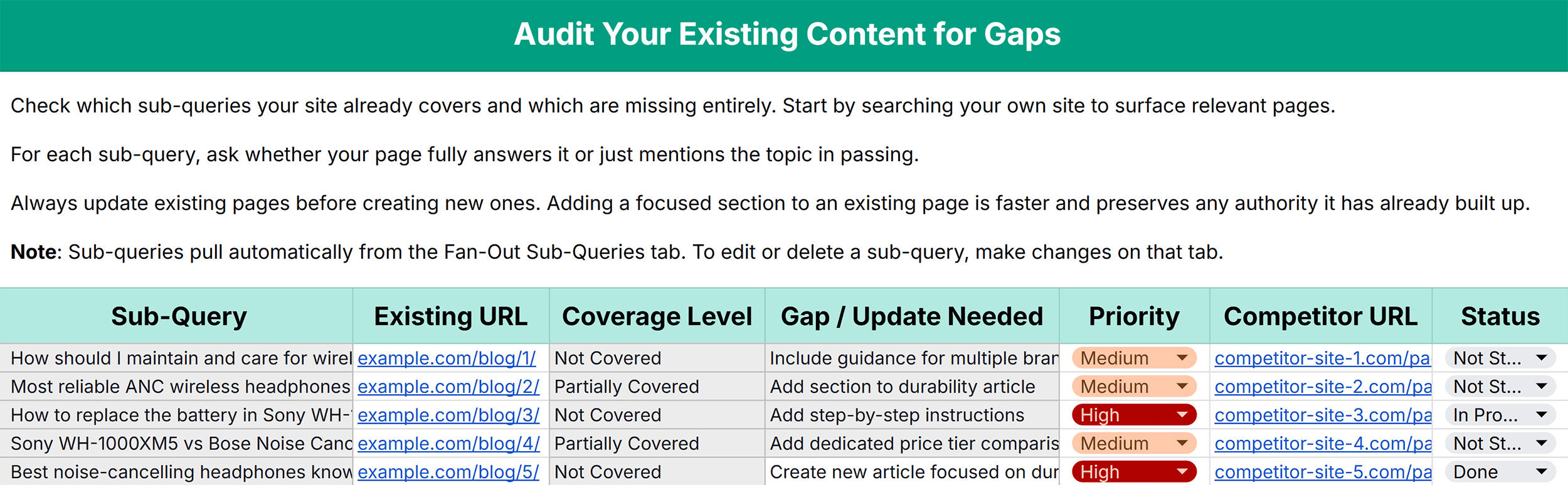
Step 4: Perform a Content Gap Audit
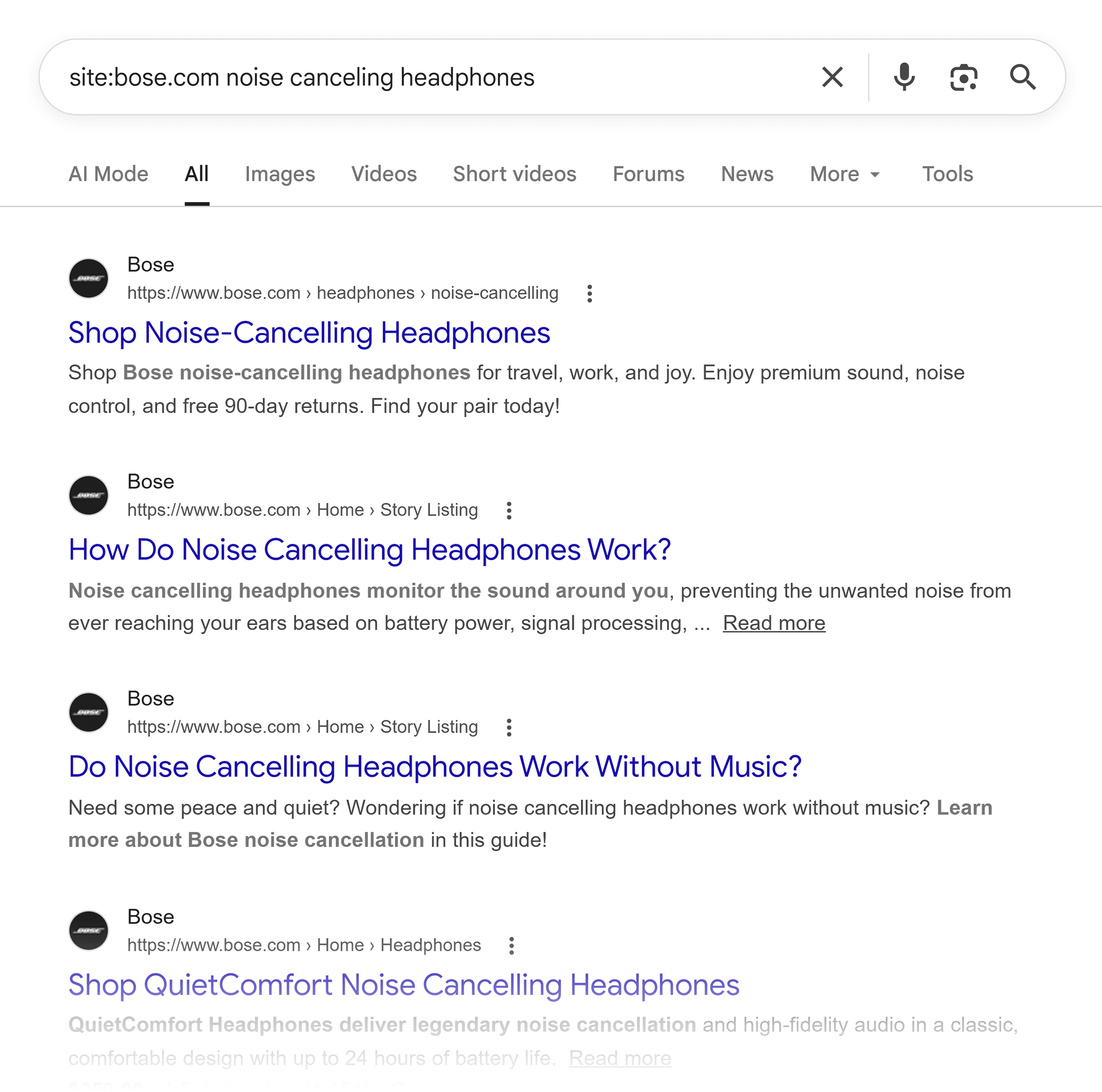
Search "site:yourdomain.com [sub-query]" to see if you have an existing asset that addresses the sub-query. If you don’t, you have a content gap. If you have a partial answer, it’s time to update that page.
Step 5: Structure for Extraction
Ensure your content is "AI-ready." Use structured data (schema markup), clean HTML headings, and bulleted lists. Avoid fluff. The easier it is for a machine to parse your content, the higher the probability it will be used as a source.
Step 6: Measure and Iterate
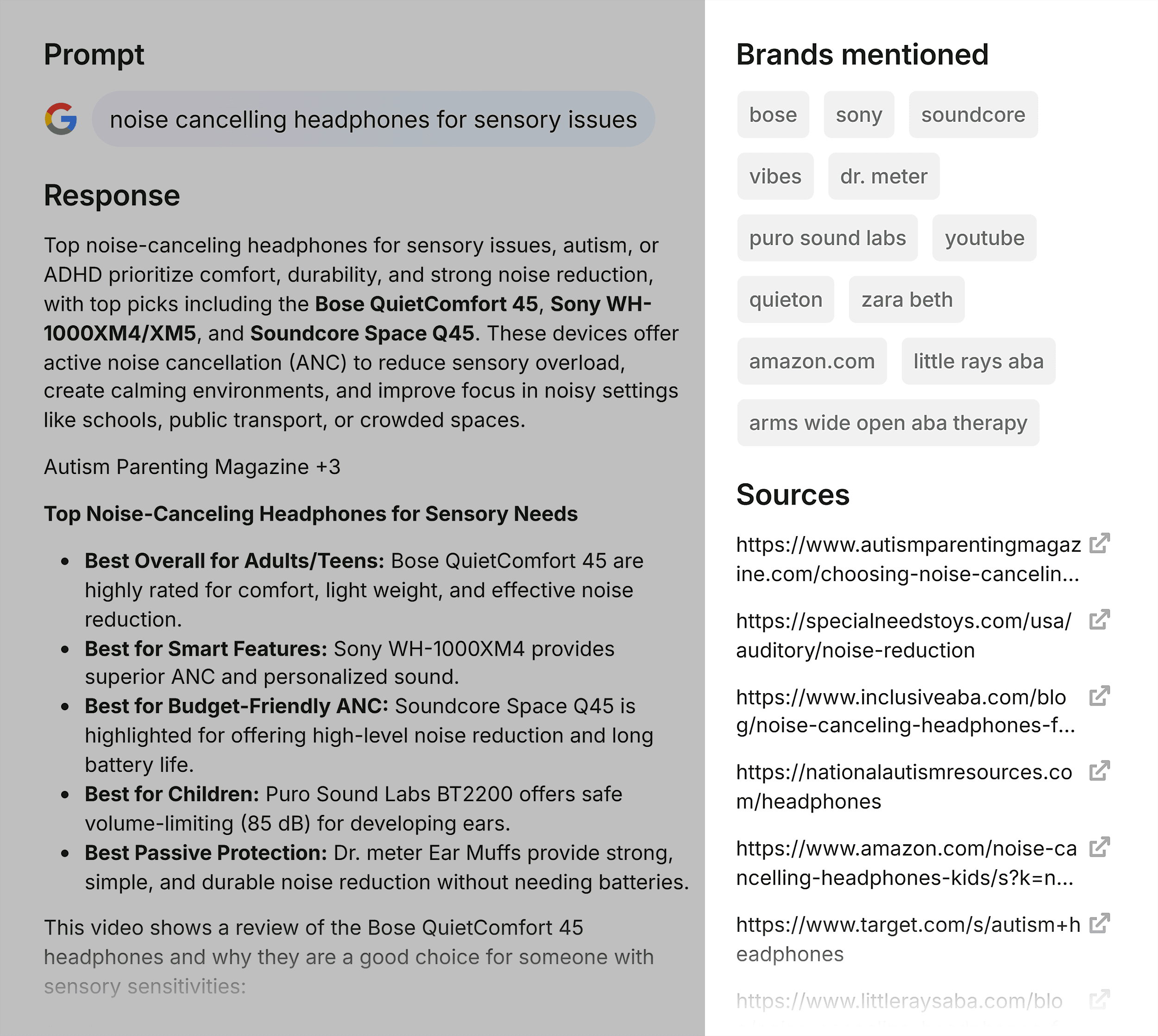
The AI search landscape is dynamic. Use prompt trackers to monitor whether your brand is appearing in the answers to your money prompts. If you lose your spot, update the content with fresher data, more specific use-case examples, or better comparison tables.
Conclusion: The New SEO Mandate
The era of obsessing over blue links is not over, but it is no longer the sole path to success. The future of visibility belongs to the brands that treat AI as a partner rather than a threat. By understanding how AI "fans out" a user’s curiosity into specific, answerable questions, you can position your brand as the definitive source of truth.
The strategy is simple: Identify the questions, cover the gaps, and structure your answers for the machine. If you do this, you won’t just be ranking—you’ll be the voice of the answer.