
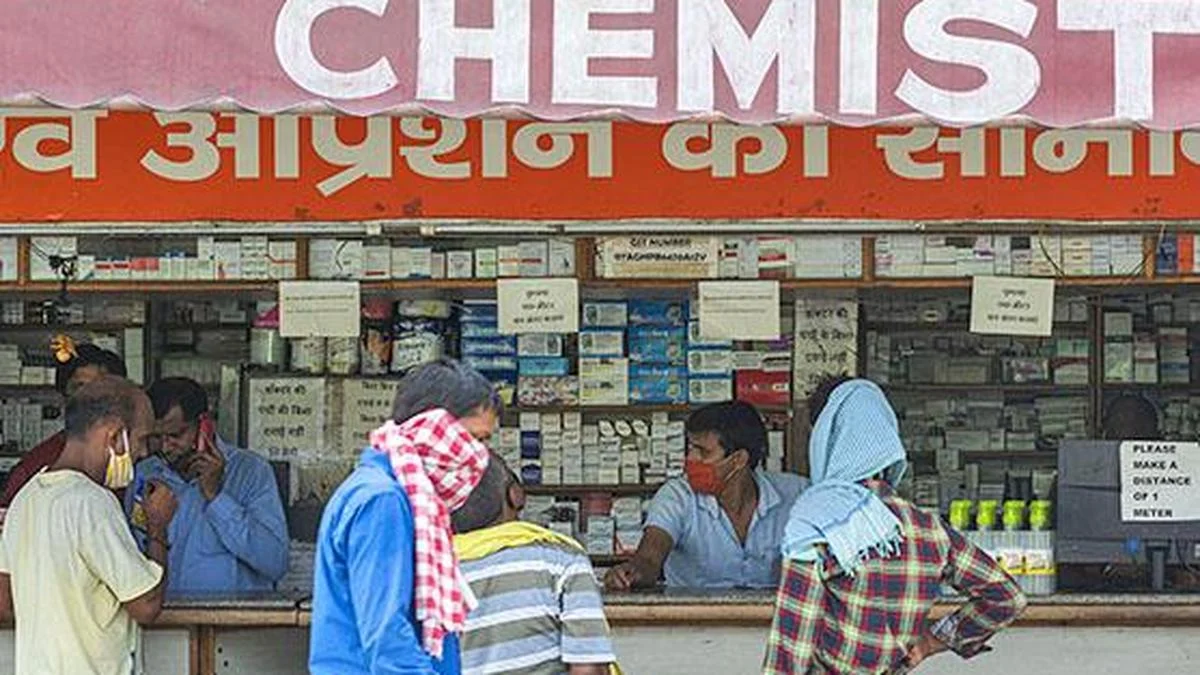
By Health Policy Desk
In a significant move aimed at tightening the oversight of the pharmaceutical supply chain, the Union Health Ministry has unveiled a draft amendment to the Drugs Rules, 1945. The proposal seeks to extend stringent advertising prohibitions currently applicable to manufacturers to the entire downstream network of drug retailers, wholesalers, and distributors. This regulatory shift is designed to curb the unauthorized promotion of sensitive prescription medications, thereby addressing long-standing concerns regarding patient safety and the rampant misuse of high-risk drugs.
The Core Proposal: Expanding the Regulatory Net
The Union Health Ministry’s latest initiative, promulgated through Gazette notification G.S.R. 861(E) on September 28, 2026, focuses on closing a critical "regulatory gap" that has existed for decades. Under the current Drugs Rules, pharmaceutical manufacturers are legally barred from advertising drugs classified under Schedules H, H1, and X without obtaining prior clearance from the Central government.
However, the existing legal framework remained conspicuously silent regarding the entities responsible for the final delivery of these drugs to the public: the retailers, wholesalers, and distributors. The proposed amendment seeks to rectify this by inserting a new sub-rule under Rule 65. This addition will explicitly prohibit any holder of a license to sell, stock, exhibit, or distribute drugs under these specific schedules from advertising them without official sanction. By extending this mandate, the government aims to ensure that the entire life cycle of a prescription drug—from the factory floor to the pharmacy counter—remains under strict regulatory surveillance.
Chronology of Regulatory Evolution
The impetus for this amendment did not emerge in a vacuum; it is the culmination of years of deliberations within the Indian drug regulatory ecosystem.

- 1945: The foundational Drugs Rules are established, setting the stage for pharmaceutical regulation in independent India. Over the decades, these rules have been amended periodically to adapt to modern medical practices.
- The Rise of Schedule H, H1, and X: As medical science evolved, the categorization of drugs became increasingly critical. Schedule H and H1 encompass a wide range of potent antibiotics, while Schedule X includes highly regulated psychotropic substances prone to abuse.
- Early 2020s: With the surge of digital health platforms and the rise of "pharmacy aggregators," the visibility of prescription drug advertisements reached an all-time high. Public health activists began raising alarms about how easily consumers could be influenced to seek out specific prescription medications through aggressive online marketing.
- February 16, 2026: A pivotal turning point occurred during the 93rd meeting of the Drugs Technical Advisory Board (DTAB). The board rigorously examined the potential for abuse and the risks of self-medication, ultimately recommending that the government bridge the legislative gap regarding advertising by sale-license holders.
- September 28, 2026: The Ministry of Health and Family Welfare officially issued the draft notification, signaling the start of the formal legislative process to amend the 1945 Rules.
- October 2026: The government invites public and stakeholder comments, marking the beginning of a 30-day window for critical feedback.
The Clinical Imperative: Why Schedules H, H1, and X Matter
The urgency of this proposal is rooted in the inherent danger associated with the drugs listed in these schedules. Unlike over-the-counter (OTC) medications, which are generally considered safe for public consumption without clinical guidance, drugs in these categories require precise medical oversight.
The Dangers of Self-Medication
When retailers or distributors engage in the promotion of these drugs, they inadvertently encourage patients to bypass the physician’s office. For instance, the inappropriate promotion of antibiotics (Schedule H/H1) contributes significantly to the global crisis of Antimicrobial Resistance (AMR). When patients use antibiotics without a proper diagnosis, they risk ineffective treatment and the development of superbugs that are resistant to standard medical intervention.
Similarly, Schedule X drugs—which include powerful sedatives, stimulants, and narcotics—carry a high potential for psychological and physical dependence. Unchecked advertising of such substances could normalize their use, leading to widespread substance abuse issues that are difficult for the public health infrastructure to manage.
Supporting Data and Stakeholder Perspectives
While the government has not released exhaustive quantitative data on the exact volume of "unauthorized" retail advertisements, the anecdotal evidence provided by public health watchdogs has been compelling. Industry experts have noted that with the digital transformation of pharmacies, advertisements for prescription-only drugs have increasingly appeared on social media platforms, search engine results, and mobile applications.
The Ministry’s approach reflects a "precautionary principle." By controlling the supply chain’s voice, the government hopes to curb the "demand generation" tactics often employed by entities that profit from volume-based sales rather than clinical necessity.

The Industry Response
While the pharmaceutical industry has generally supported initiatives that improve patient safety, the retail and wholesale sectors have expressed a need for clarity. Industry representatives have requested the Health Ministry to define what constitutes "advertising" in the digital age. They argue that informing customers about the availability of a medicine should not necessarily be conflated with the prohibited act of "promoting" or "persuading" the purchase of a prescription drug.
The 30-day consultation period is intended to address these nuances. The Ministry has signaled that it is open to suggestions on how to balance the need for commercial transparency with the absolute necessity of preventing the abuse of controlled substances.
Broader Implications for Public Health Policy
The proposed amendment is not merely a bureaucratic change; it represents a significant shift in the government’s approach to consumer protection in the healthcare sector.
1. Digital Health Governance
With the rise of e-pharmacies, the lines between medical advice and commercial sales have blurred. This move serves as a warning to digital entities that they are bound by the same ethical and legal standards as physical brick-and-mortar pharmacies. It reinforces the principle that the health of the patient must supersede the profit motives of the distributor.
2. Standardization of Oversight
By unifying the rules for both manufacturers and distributors, the government is creating a seamless regulatory landscape. This makes it significantly harder for entities to "pass the buck" when unauthorized marketing occurs. It places the onus of compliance on the license holder, regardless of their position in the supply chain.

3. Strengthening the Role of the Physician
At the heart of this legislation is the intent to re-center the doctor as the primary gatekeeper of healthcare. By limiting the channels through which patients are exposed to prescription drugs, the government is effectively ensuring that medical decisions are made in the exam room, based on clinical need, rather than on the pharmacy aisle or a social media feed.
Moving Forward: The Consultation Process
As the 30-day clock ticks, the Ministry of Health and Family Welfare is preparing to review the submissions from doctors, patient advocacy groups, pharmaceutical associations, and the general public. This participatory approach is essential for ensuring that the final rule is both enforceable and practical.
Officials have indicated that the government is committed to finalizing the amendment shortly after the review period concludes. Once implemented, this change will likely necessitate a massive audit of current marketing strategies by major pharmacy chains and online drug platforms.
Conclusion
The proposed amendment to the Drugs Rules, 1945, serves as a vital intervention in an era where the boundary between health information and commercial solicitation is increasingly fragile. By extending advertising prohibitions to the entire distribution chain, the Union Health Ministry is taking a decisive step toward safeguarding public health.
The ultimate success of this regulation will depend on the strength of its enforcement and the government’s ability to keep pace with the rapidly changing digital landscape. However, for a nation striving to curb the silent epidemics of antibiotic misuse and substance dependency, this regulatory tightening is a necessary, and perhaps long-overdue, measure to ensure that medicines remain what they were intended to be: tools for healing, not commodities for aggressive promotion.