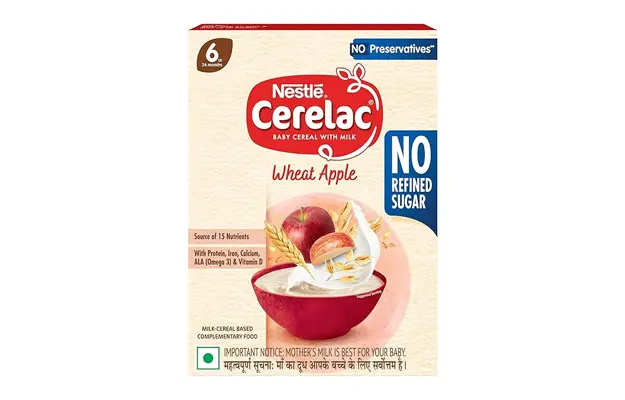
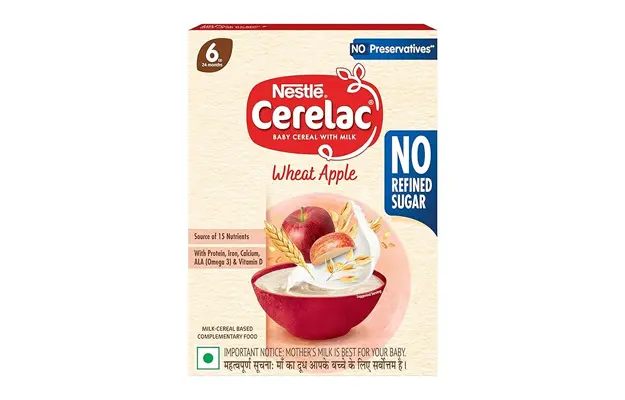
For decades, parents have relied on convenience-oriented infant foods, such as Cerelac, as a staple in their children’s early nutritional journey. One question that frequently arises in the minds of health-conscious parents is: How can a processed food product sit on a pantry shelf for months—or even a year—without the use of chemical preservatives?
This inquiry touches upon the intersection of advanced food technology, rigorous manufacturing standards, and the fundamental principles of food safety. Understanding the longevity of these products requires looking beyond the ingredient list and into the sophisticated processes of moisture control, heat treatment, and specialized packaging.
The Core Mechanism: Water Activity (aw) and Microbial Stability
The primary enemy of any food product is the growth of microorganisms, including bacteria, yeasts, and molds. These organisms require water to thrive and reproduce. In the food industry, this is measured as "water activity" (aw), which is not the same as total moisture content, but rather the amount of "free" or "unbound" water available to microorganisms.
Infant cereals are subjected to a process called dehydration or spray-drying. By removing almost all the water from the raw ingredients (such as wheat, rice, or oats), the water activity level is reduced to a point where bacteria simply cannot survive. When a product is processed to reach an extremely low moisture content, it becomes "shelf-stable." Microbes require a certain threshold of water to facilitate their metabolic processes; by stripping this away, manufacturers create a hostile environment for spoilage organisms, effectively pausing the clock on degradation without needing to add chemical preservatives.
The Manufacturing Process: Heat Treatment and Enzymatic Hydrolysis
The journey of an infant cereal from raw grain to a shelf-ready product is a multi-step engineering feat.
1. Enzymatic Hydrolysis
Raw grains are naturally complex starches that are difficult for an infant’s developing digestive system to break down. During the manufacturing process, manufacturers often use a method called enzymatic hydrolysis. This mimics the digestive process by breaking down complex carbohydrates into smaller, more easily digestible sugars. This not only makes the final product more nutritious and "gentle" for the baby, but the breakdown of these starches also assists in maintaining the stability of the texture and consistency throughout the product’s shelf life.
2. High-Temperature Short-Time (HTST) Processing
The ingredients undergo heat treatment, often through roller drying or spray drying. This process serves a dual purpose:
- Pathogen Elimination: It destroys any naturally occurring bacteria, spores, or fungi that may have been present in the raw crops.
- Enzyme Inactivation: It deactivates natural enzymes that would otherwise cause the fats and proteins in the grain to oxidize or turn rancid over time.
Advanced Packaging: The Barrier to Oxidation
While moisture removal stops microbial growth, it does not stop oxidation—the process where fats react with oxygen, causing a stale taste and potential loss of nutritional value. This is where advanced packaging technology becomes critical.
Most premium infant cereal brands use a technique called "Modified Atmosphere Packaging" (MAP). During the filling process, the oxygen inside the foil pouch or tin is replaced with an inert gas, typically nitrogen. Oxygen is the catalyst for rancidity; by removing it and sealing the product in a multi-layered, light-proof, and moisture-proof barrier, the manufacturer prevents oxidative stress.
The multi-layered structure of these containers is designed to act as a fortress. It blocks out:

- Moisture: Prevents the re-absorption of water from the air.
- Light: Protects vitamins that are sensitive to photodegradation.
- Oxygen: Prevents the fats from turning rancid.
Official Responses and Quality Assurance
Regulatory bodies, such as the Food Safety and Standards Authority of India (FSSAI) and international counterparts like the FDA, enforce strict guidelines regarding what constitutes a "preservative." Many manufacturers argue that their products do not contain added chemical preservatives (like BHA or BHT) because the stability is achieved through physical processing—drying and hermetic sealing—rather than chemical intervention.
However, industry experts emphasize that "no preservatives" does not mean "no processing." The shelf life is a result of the "Hurdle Technology" concept. By using multiple hurdles—drying, heating, and vacuum/nitrogen sealing—manufacturers create a product that is safe and stable for extended periods.
The Implications for Infant Nutrition
The debate surrounding processed infant foods often pits convenience against the desire for "freshly cooked" meals. While the shelf life of these products is a triumph of food science, it is important for parents to understand the context of their use.
The Role of Fortification
Because the heating and drying processes can potentially reduce the naturally occurring vitamins in raw grains, these products are almost always fortified. Manufacturers add iron, zinc, calcium, and essential vitamins back into the product after the drying process. This ensures that even though the product has a long shelf life, it remains a nutrient-dense option that meets the high metabolic demands of an infant.
Proper Storage After Opening
It is vital to note that the "shelf life" indicated on the box applies only to the unopened product. Once the seal is broken, the product is exposed to the atmosphere. Moisture from the air will immediately begin to increase the water activity (aw), and oxygen will begin the process of oxidation. Manufacturers typically recommend that these products be consumed within 3-4 weeks after opening and stored in a cool, dry place. Failure to store them correctly can lead to clumping, loss of flavor, and potential contamination.

Addressing Common Concerns
1. "Does the long shelf life mean it is full of chemicals?"
Not necessarily. The shelf life is primarily a function of physics (removing water) and packaging (excluding oxygen). Chemical preservatives are substances added to inhibit growth or prevent decay, but when a product is effectively sterilized and sealed, those chemical additives are often redundant.
2. "Is it as nutritious as homemade food?"
Homemade food offers variety and fresh ingredients, which are excellent for developing a child’s palate. However, commercial infant cereals are specifically formulated to be consistent in their nutrient profile, which is a major advantage for parents ensuring their child hits specific iron and vitamin intake targets during the crucial stages of weaning.
Conclusion
The remarkable shelf life of products like Cerelac is not a result of "hidden" preservatives, but rather a testament to the effectiveness of modern food engineering. By mastering the science of water activity, utilizing high-heat processing to ensure sterility, and employing cutting-edge packaging to prevent oxidation, manufacturers provide a product that is both safe and convenient.
For parents, the key takeaway is to appreciate the science that keeps the food safe while remembering that the shelf life is a benefit of the sealed state. Once opened, the same principles of biology apply—the product becomes vulnerable to the environment, making proper storage and timely consumption the final, most important steps in ensuring the health and safety of their child. As always, consulting with a pediatrician remains the best way to determine how these fortified products fit into a balanced, holistic diet for an infant.