
Nestled among the pristine, snow-free peaks of the Swiss Alps, Proton’s Geneva headquarters radiates a quiet, purposeful energy. On a crisp October day, the office serves as the nerve center for a growing resistance movement—one that aims not to disrupt the market with a flashy new app, but to fundamentally alter the architecture of the internet.
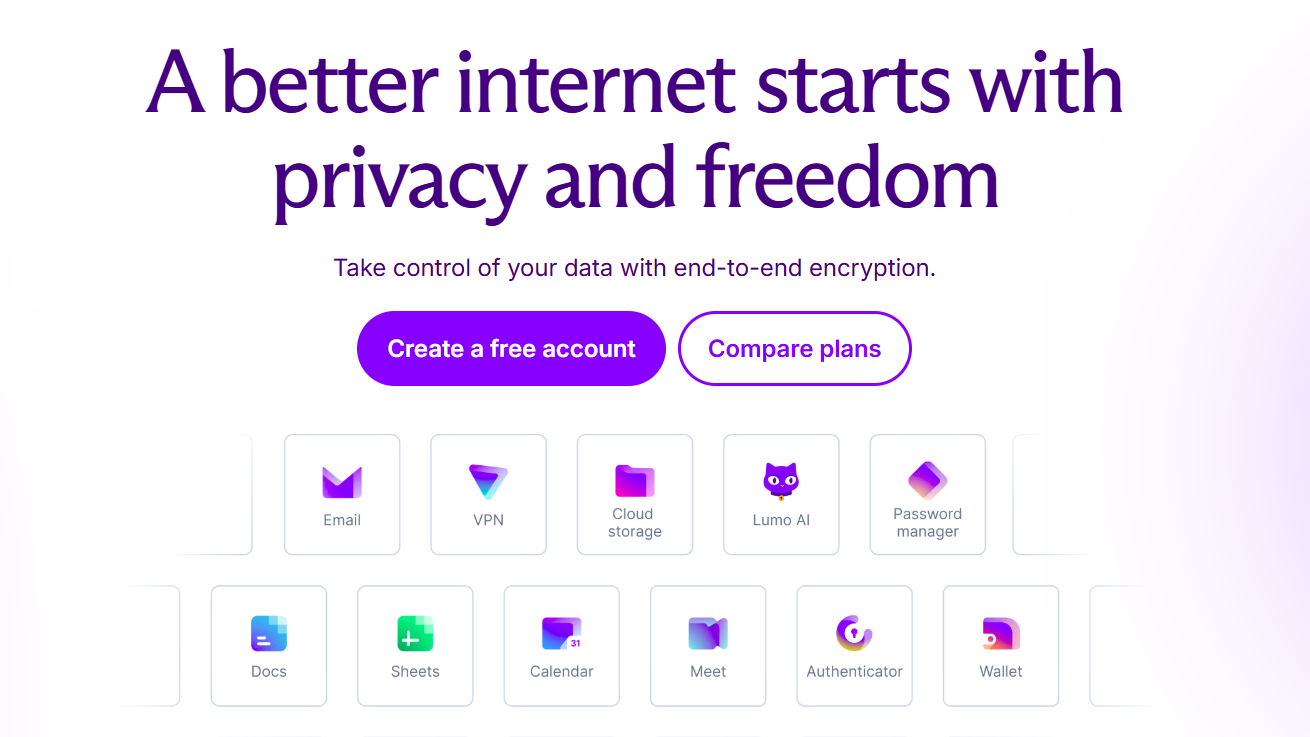
Proton, once known simply as an encrypted email provider, has evolved into a comprehensive suite of eleven privacy-first products. During a recent visit to their headquarters, joined by journalists from across Europe, it became clear that the company is no longer just offering tools; it is offering an exit strategy from the surveillance capitalism model that has come to define the modern web.
The Genesis: From CERN to a Global Privacy Alternative
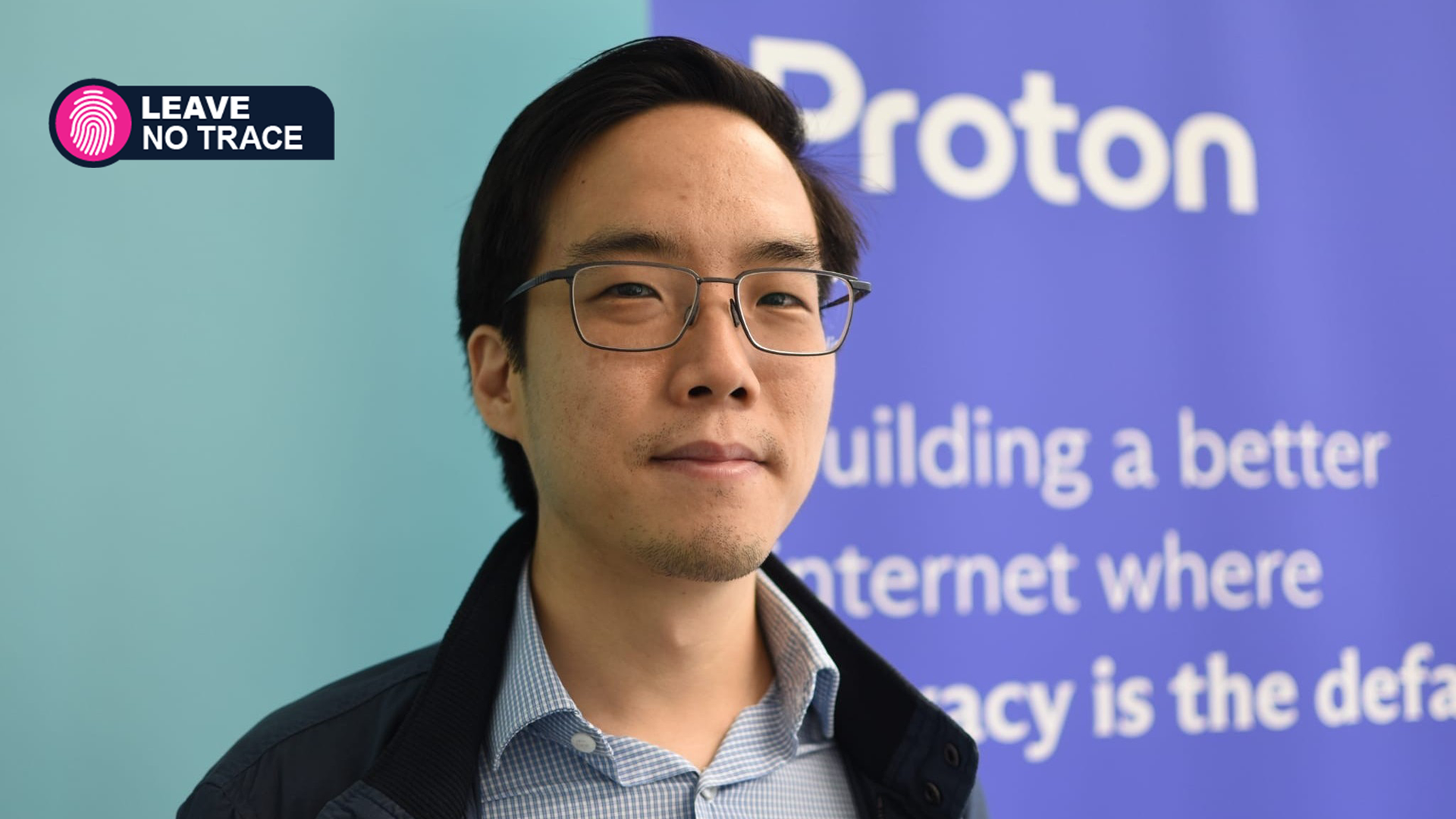
The story of Proton began in May 2014, borne out of the post-Snowden realization that the internet was fundamentally broken. For Founder and CEO Andy Yen, the mission was personal.
"Back then, I really didn’t want to create accounts—I just didn’t want to because I knew what they were doing with the data," Yen explains. "There was no alternative. If you wanted a private email online without data being abused, you had to host your own server, which is very difficult to do."
What started as a niche project for fellow researchers at CERN quickly hit a breaking point. When the service opened to the public, the sheer volume of sign-ups—10,000 in the first day—crashed their servers. It was the first, and perhaps most definitive, signal that the demand for privacy was not limited to "crypto-anarchists" or security professionals, but represented a massive, underserved segment of the general public.
Chronology of Expansion
Proton’s growth has been deliberate, shifting from a single encrypted mailbox to a full-stack ecosystem:
- 2014: The launch of Proton Mail, providing end-to-end encrypted email to the masses.
- 2016: Introduction of Proton VPN, extending the commitment to privacy beyond the inbox.
- 2020-2023: A rapid expansion into cloud storage (Proton Drive), password management (Proton Pass), and calendar integration.
- 2024: The unveiling of Lumo, a privacy-first AI chatbot, signaling Proton’s intent to compete directly with the likes of OpenAI and Google in the artificial intelligence space.
This expansion has not been without friction. Critics have long argued that by attempting to compete across eleven distinct markets, Proton risks "stretching itself too thin." Yet, Yen argues that this is the only way to effectively challenge Silicon Valley.
The Ecosystem Argument: Why Eleven Products?
When asked about the difficulty of competing against incumbents like Google or Microsoft, Yen is undeterred. "Some people look at Proton and say, ‘Look, you’re insane to do this. Why do you enter all these markets with these big players already?’" he notes. "But we do things in a different way."
The differentiator is the business model. While Big Tech relies on data harvesting to fuel ad-driven revenue, Proton operates on a subscription model where the user is the customer, not the product. By building a cohesive ecosystem, Proton allows users to migrate away from Google’s suite entirely.
However, this raises a new question: does centralizing one’s digital life within a single provider—even a privacy-focused one—create a new, albeit smaller, point of failure?
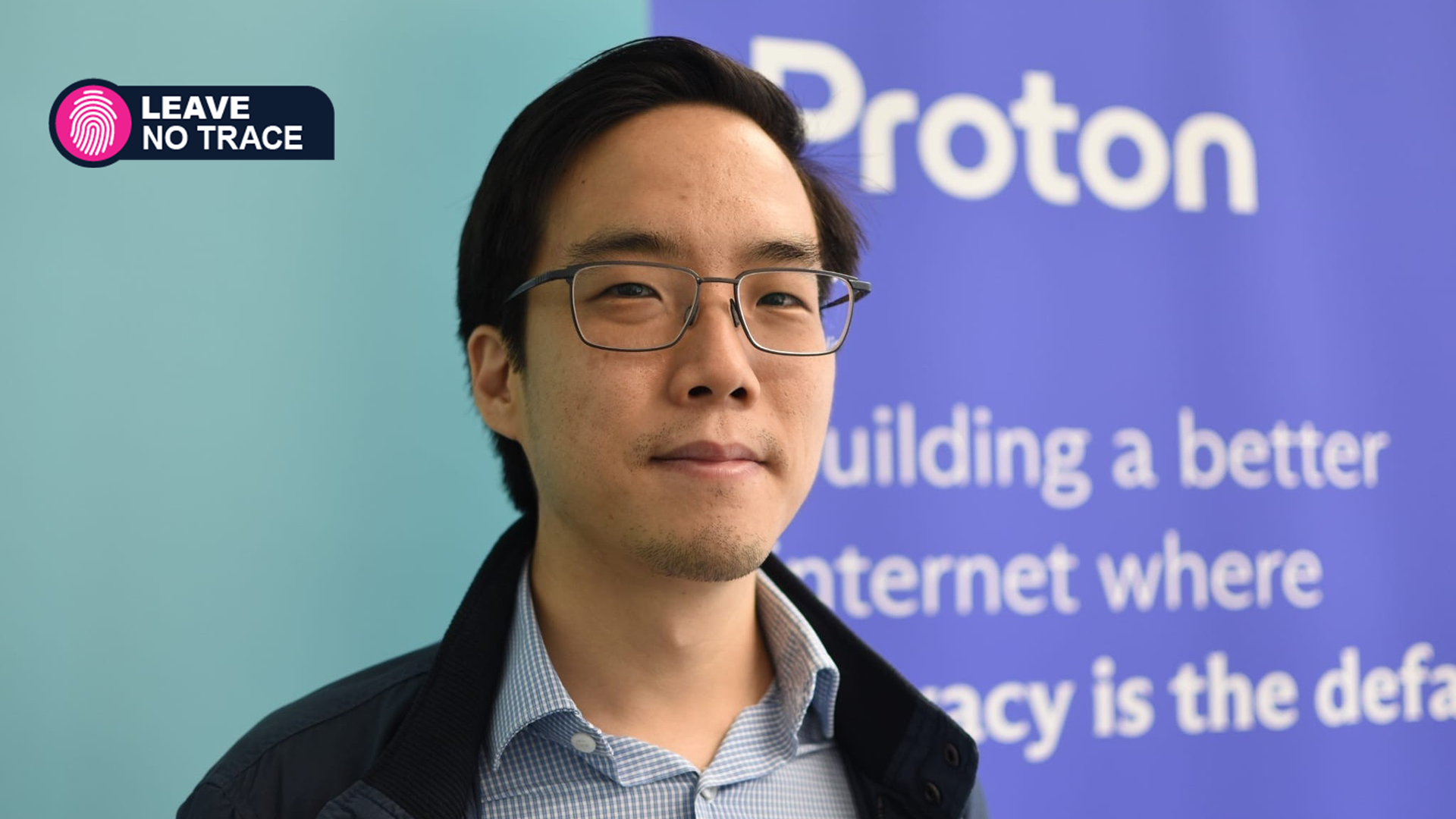
"I think it’s very difficult to find 11 different companies that are all trustworthy," Yen says. "The vast majority of users—I would say probably more than half—don’t actually want to manage 11 subscriptions. They prefer to have everything in one place and to find one company they can trust."
To mitigate trust issues, Proton relies on open-source code and a governance structure where the company is owned by a non-profit foundation, providing a layer of protection against the financial pressures that often lead to data-harvesting pivots in Silicon Valley firms.
The AI Frontier: Lumo and the Ethics of Data
The most recent addition to the Proton stable is Lumo, an AI chatbot. In an industry where AI is almost synonymous with data scraping, building a "private" chatbot is an immense technical and ethical challenge.
"I wanted to use AI, but I sure as hell do not trust Sam Altman or Anthropic," Yen says bluntly. "If we didn’t build Lumo, I wouldn’t be able to enter the AI age."
Lumo is designed to function without the surveillance-capitalism baggage of its peers. Yen posits that the "limitations" imposed by privacy are, in fact, an advantage. By removing the need to track, profile, and serve ads, the product can focus on providing unbiased, accurate results. "Surveillance capitalism is an artificial constraint imposed on the world by Silicon Valley," he asserts. "It’s not actually a real constraint."
Regulatory Friction: The Swiss Standoff
Proton’s geographic location in Switzerland is a core part of its identity, but it has not provided total immunity from state pressure. Last year, the company made headlines by threatening to leave Switzerland if the government pushed through a controversial surveillance law.
The move was a calculated diplomatic strike. By threatening to relocate and highlighting the economic loss—estimated at the loss of 200,000 jobs and billions in economic value—Proton forced the government to conduct a regulatory impact assessment. The result was a victory for the tech sector, as the government agreed to revise the proposal.
"Moving Lumo outside Switzerland [to Germany] was really a message to the Swiss government that privacy is an asset with real economic value," Yen explains. It serves as a reminder that in the 21st century, digital freedom is a primary component of a nation’s economic competitiveness.
Implications for the Future of Digital Freedom
As global governments move toward stricter age-verification laws, the tension between safety and privacy has reached a boiling point. Many of these legislative efforts, while framed as "protecting children," effectively mandate that users provide government IDs to access the internet.
Yen is vehemently opposed to this approach. "The only way to age children is to age everyone," he warns. "And that means essentially showing ID to use the internet." He advocates for device-side verification—where no data leaves the user’s hardware—as the only ethical path forward.

Looking five years into the future, the question remains: will Proton be remembered as the pioneer that successfully challenged the Google hegemony, or as a cautionary tale of a company that tried to do too much?
Yen remains confident, citing the "natural financial speed limiter" inherent in their non-profit ownership structure. While he admits that catching the tech giants is a monumental task, he believes the tide is turning. "Nine out of ten people prefer Proton’s vision of the internet over Google’s," he says. "It may take decades, but I do think people are eventually moving away from Big Tech."
Conclusion
Proton stands at a critical juncture. By building a comprehensive suite of products that prioritize human rights over corporate profits, they are testing a hypothesis that has long been doubted by Silicon Valley: that users will pay for privacy, and that a sustainable, ethical business can thrive in a market dominated by surveillance.
Whether they succeed in fully displacing the incumbents or simply provide a necessary lifeboat for the privacy-conscious, Proton has already succeeded in one major regard: they have proven that the current model of the internet is not a law of nature, but a series of choices—and that a different, more private, path is possible.