

In the digital economy, the ability to write words that move people to action is perhaps the most lucrative skill an entrepreneur can possess. Having generated over seven figures online—first by building and selling a digital marketing agency and currently as a partner in the high-growth community Copyblogger—the evidence is clear: copywriting is the primary engine of customer acquisition.
While many aspiring writers focus on the artistic elegance of their prose, true commercial success is rarely found in flowery language. Instead, it is found in the intersection of clarity, empathy, and conversion. To excel in this field, one must shift the focus from the "craft" of writing to the "revenue" of writing. If you can demonstrate that your copy produces a superior return on investment (ROI) compared to the market average, your career trajectory will shift from a freelancer’s hustle to a business owner’s success.

Below is the definitive guide to the ten foundational pillars of revenue-driven copywriting.
1. Radical Customer Empathy: The Foundation of Connection
A great copywriter is not merely a wordsmith; they are a bridge between a customer’s pain and a solution. Your objective is to capture attention, build trust, and neutralize objections. To do this, you must understand the customer’s internal narrative better than they understand it themselves.
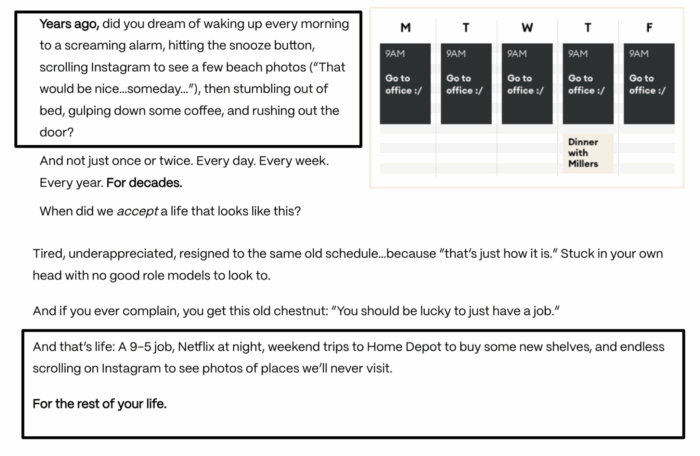
Consider the landing page for Ramit Sethi’s Earnable program. He avoids generic claims about "making money." Instead, he mirrors the reader’s reality: the draining 9-to-5, the Netflix-fueled evenings, and the aimless scrolling on social media. By articulating their exact pain, he signals that he understands their struggle, which is the first step toward building the trust required for a sale.
Tactical Research Methods:
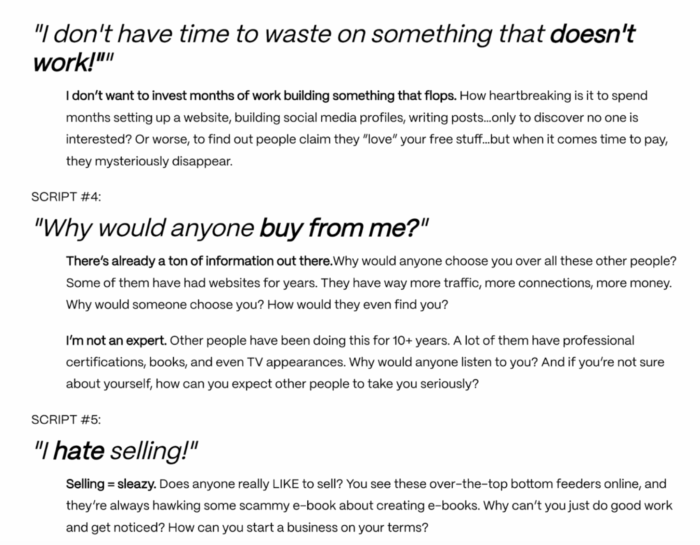
- Sales Call Mining: If you cannot speak directly to customers, listen to sales calls or read transcripts. Use AI to identify recurring objections.
- Community Immersion: Visit Reddit or niche Facebook groups. Paste threads into an AI tool and prompt it: "Based on these discussions, what are the top three hidden pain points these people face that they are not saying out loud?"
2. Competitive Intelligence: Standing on the Shoulders of Giants
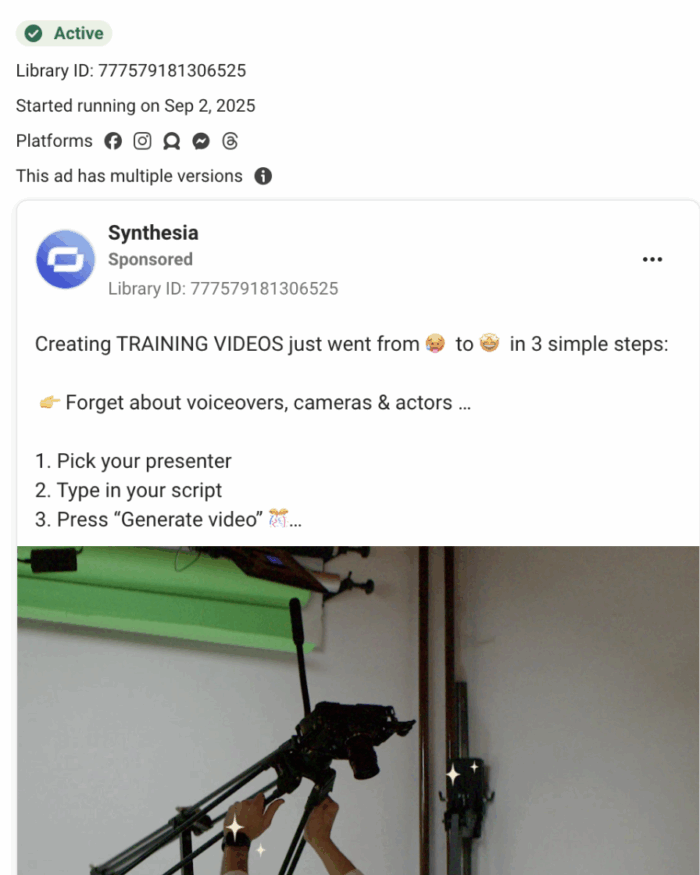
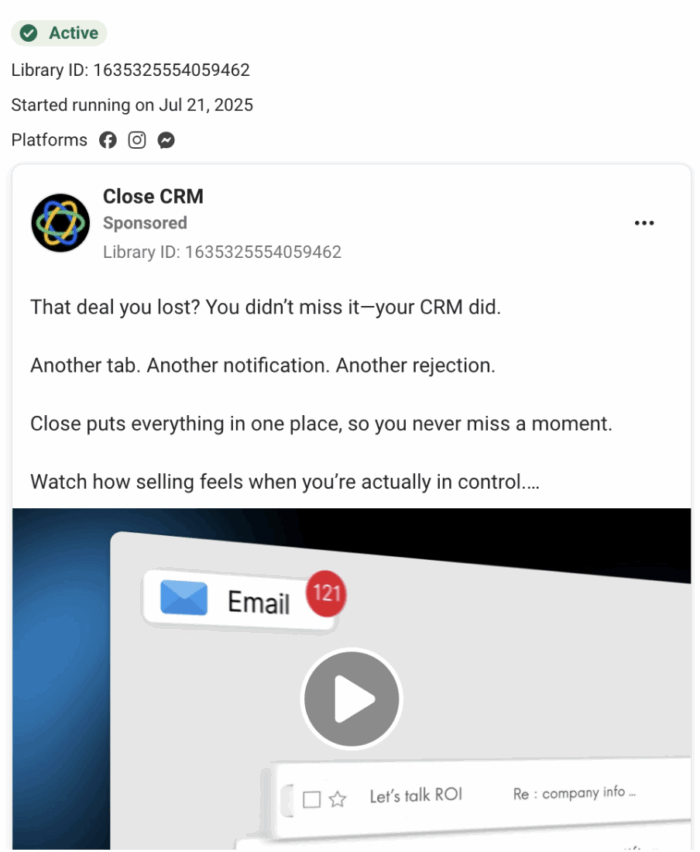
The leading competitors in your industry have likely spent thousands of dollars testing their messaging. You should view their work as a masterclass in what works. Use platforms like the Facebook and LinkedIn Ads Library to see which advertisements have been running for the longest duration.
Ads that remain active for months are rarely accidental; they are usually high-performers that have been optimized to hit a winning pain point. Analyze these ads to see what they are emphasizing—is it a technical feature, a social benefit, or an emotional release? Use this data to inform your own testing rather than starting from a blank page.

3. The Power of the "Swipe File"
Even seasoned professionals maintain a "swipe file"—a curated collection of headlines, sales pages, and emails that have successfully grabbed their attention. This is your personal repository of inspiration. Sites like SwipeFile.com, maintained by industry veteran Neville Medhora, are excellent starting points. When you curate these examples, you are not looking to plagiarize; you are looking to deconstruct the architecture of high-performing persuasive writing.
4. Institutionalizing Your Writing Process
Writer’s block is often a symptom of lacking a process. Professional copywriters treat their work like an assembly line, not a lightning-bolt inspiration event. My personal process for a blog post, for example, is segmented:

- Research: Gathering pain points and data.
- Outlining: Mapping the flow from the hook to the final call to action.
- Drafting: Writing the body based on the outline.
This structure ensures that every piece of content performs a specific function: attracting the right audience, holding their interest, and leading them toward a logical, profitable conclusion.
5. The "Practice" Fallacy: Write for Yourself
The most effective way to improve is not to write more for low-paying clients, but to write for your own ventures. Whether it is an affiliate marketing site, a dropshipping store, or a LinkedIn personal brand, writing for your own "skin in the game" teaches you the difference between "traffic" and "purchase intent."

One of my colleagues began her journey writing content for a site selling cuckoo clocks. She realized that content focused on repairs generated more intent-driven leads than content focused on clocks. That lesson—prioritizing intent over vanity metrics—transformed her into a six-figure earner.
6. The Strategic Use of AI
AI is a tool, not a replacement for your strategic vision. I use it for three specific, high-leverage tasks:

- Pain Point Discovery: Feeding raw data or forum discussions into the LLM to extract common themes.
- Sentence Refinement: Asking it to rewrite a paragraph for "greater clarity and punch."
- Expert Sourcing: Using AI to find quotes or perspectives from industry leaders that add credibility to my arguments.
Remember: The AI provides the raw material; you provide the soul and the strategy.
7. Mastering One Platform
The "jack of all trades" copywriter is often a master of none. Different platforms demand different psychological approaches. LinkedIn favors thought leadership, while blog posts reward actionable, "how-to" depth. By mastering one platform—understanding its specific algorithm, its user demographics, and its engagement style—you can command higher rates because you provide predictable, measurable results for that specific ecosystem.
8. Measuring ROI: Beyond Vanity Metrics
If you want to be a top-tier copywriter, you must move beyond tracking "likes" and "shares." You must track revenue.
- Ghostwriting: Look at the quality of the audience commenting on your posts. Are they decision-makers or junior observers?
- Blog Content: Work with clients to set up conversion tracking in GA4. If you can prove that a blog post resulted in a demo request or a sale, your value to the company skyrockets.
- Sales Pages: These should always be tied to clear, trackable conversion data.
9. The Necessity of Community and Feedback
Copywriting is an inherently solitary profession, which makes it prone to burnout. However, there is a massive difference between "feedback" and "useful feedback." You need to be in a room with people who have achieved the results you are currently striving for.
At Copyblogger Academy, we emphasize the community aspect because we know that building a career in digital marketing is challenging. When you have access to seven-figure mentors and peers who are also in the trenches, you accelerate your growth by avoiding mistakes that others have already paid to learn.
10. Impatience with Action, Patience with Results
Naval Ravikant’s famous mantra—"Be impatient with action, patient with results"—is the golden rule of copywriting. You must push yourself to write, test, and publish every single day. However, you must also accept that the compounding effect of these actions takes time. Do not expect to become a master in a month. If you continue to iterate and improve over a long enough time horizon, success is not just likely—it is inevitable.

Implications: The Path Forward
The landscape of digital marketing is shifting toward high-intent content. Businesses are moving away from "chasing likes" and toward building ecosystems that turn content into a growth asset.
For the modern copywriter, the barrier to entry is low, but the barrier to excellence is high. By implementing these ten strategies, you are moving away from the commodity market of "writing for hire" and toward the elite tier of "revenue-generating partners."
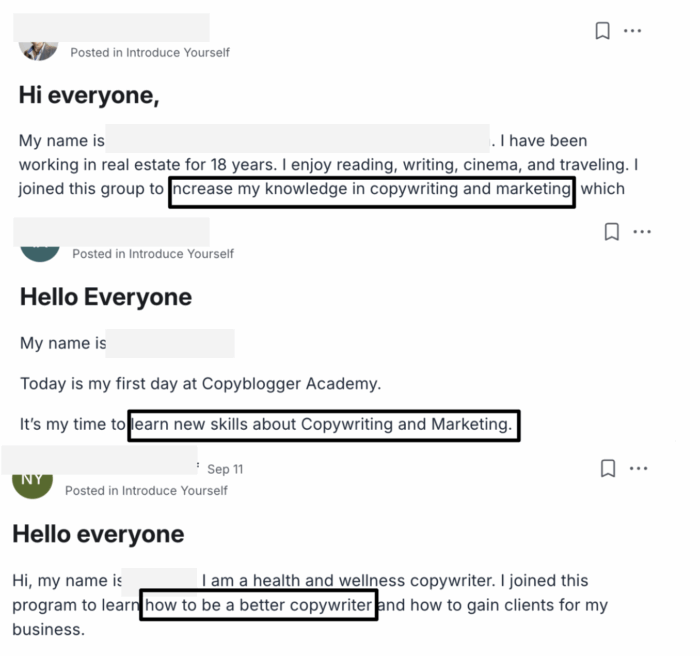
If you are ready to stop chasing algorithm trends and start building a business that generates consistent leads and sales, the Copyblogger Academy is your resource. We offer the frameworks, the community, and the personal feedback loop that can help you transform from a writer into a high-earning professional.
Join us today for $1 and start building the career you deserve.