CHENNAI – The Arignar Anna Zoological Park in Vandalur, one of India’s premier wildlife sanctuaries, has announced a temporary suspension of visitor access for October 22 and 23, 2026. The move comes as a critical precautionary measure following the formal confirmation of H5N1 avian influenza (bird flu) among several water bird species housed at the facility.
The confirmation was delivered by the National Institute of High Security Animal Diseases (NIHSAD) in Bhopal on October 2, 2026, triggering an immediate and comprehensive response from the Tamil Nadu Forest Department and zoo management. While the institution has maintained high standards of biosecurity, the detection of the pathogen within the captive population has necessitated a shift toward emergency containment protocols.
The Chronology of the Outbreak
The situation began to unfold in early October, casting a shadow over the park’s routine operations. Between October 3 and October 7, 2026, zoo authorities recorded the deaths of seven water birds, raising immediate alarms among the veterinary staff.
- October 3: The first mortality was recorded. Zoo officials acted swiftly, cordoning off the specific enclosure and initiating preliminary containment measures.
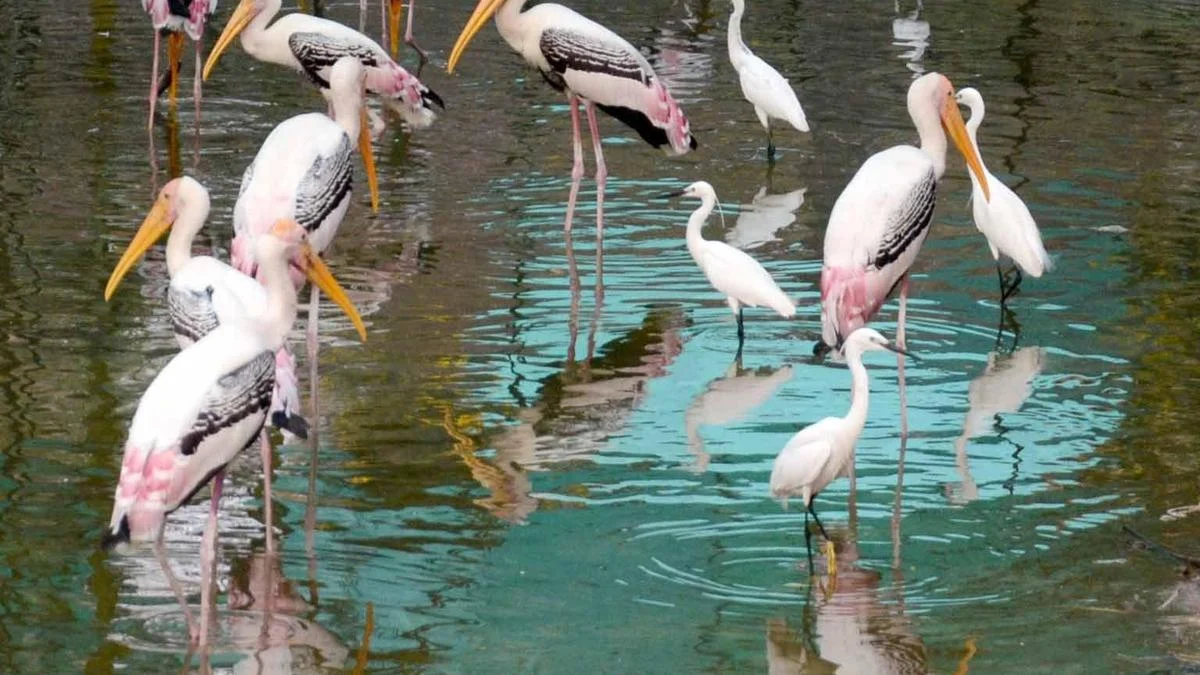
- October 3–7: Six additional birds succumbed to the suspected infection. The fatalities included four painted storks, one grey pelican, one grey heron, and one oriental darter.
- October 9: The zoo reported a stabilization in the situation, with no further mortalities or signs of illness observed among the avian population. This period of relative calm allowed for ongoing disinfection efforts.
- October 21: Following the official communication from NIHSAD confirming the H5N1 strain, the zoo administration declared a two-day total shutdown for public visitors to execute a deeper, more intensive sanitization cycle.
Clinical Implications and Biosecurity Protocols
The H5N1 virus is a highly pathogenic avian influenza (HPAI) that poses significant risks to both domestic poultry and wild bird populations. The guidelines established by the Government of India for the containment of avian influenza are stringent, and the Arignar Anna Zoological Park is currently operating under these federal mandates.
Strict Operational Containment
According to the established protocols, the detection of H5N1 requires an immediate cessation of public interaction to prevent the potential zoonotic spillover or the accidental spread of the virus via visitors’ footwear or belongings. Furthermore, the internal movement of zoo personnel is strictly regulated.
Vets and animal keepers are currently partitioned into isolated teams. To prevent cross-contamination, those assigned to the infected zones are strictly prohibited from entering enclosures housing healthy bird populations. Separate teams manage the healthy sheds, ensuring that the virus is not inadvertently transported across the zoo’s vast grounds.
Environmental Surveillance
The containment plan extends beyond the birds themselves. Environmental samples, including water from the enclosures and soil from the surrounding habitats, are being systematically collected and dispatched to laboratories for rigorous testing. This holistic approach ensures that the virus is not lingering in the ecosystem, which could lead to a resurgence of the outbreak.
Official Response and Management Strategy
Forest Department officials have emphasized that the closure is a proactive measure rather than a reaction to a spiraling crisis. "Immediate preventive measures, including disinfection, sanitization, and the strict implementation of biosecurity protocols, were undertaken the moment the first symptoms were observed," a spokesperson for the zoo noted.
The decision to close on October 22 and 23 is designed to facilitate a thorough "deep-clean" of the park. By removing the variable of public traffic, the management can deploy heavy-duty sanitization equipment and allow for a period of clinical observation without the logistical challenges posed by thousands of daily visitors.
The Question of Culling
One of the most sensitive aspects of avian influenza management is the policy on culling. According to the national action plan, while culling is the standard response for domestic poultry outbreaks, wildlife sanctuaries operate under different constraints. The guidelines specify that endangered and precious captive birds that are confirmed to be non-infected may be exempted from culling protocols. This represents a delicate balancing act for the zoo administration: protecting the population while ensuring the survival of rare, high-value species.

Long-term Monitoring and Reopening Criteria
The road to reopening the zoo to the general public is governed by a strict regulatory framework. The "Action Plan for Prevention, Control and Containment of Avian Influenza" mandates a cyclical testing process to ensure the virus has been fully eradicated.
The 15-Day Testing Cycle
Sampling will be repeated every 15 days for a minimum of four cycles. The criteria for reopening are clear: at least two consecutive, facility-wide samplings must return negative results before the competent authority can consider resuming public operations. This ensures that the facility is not only free of active symptoms but is also clear of the virus at the molecular level.
Public cooperation is essential during this period. The zoo management has issued a formal request for the public to respect the closure, noting that these measures are critical to the long-term health of the park’s diverse animal collection.
Implications for Public Health and Conservation
The presence of H5N1 at a major zoological park like Vandalur is a stark reminder of the persistent threat posed by wildlife-borne pathogens. Avian influenza is known for its ability to mutate, and while current strains primarily affect birds, the potential for zoonotic transmission remains a primary concern for public health officials.
Protecting Avian Biodiversity
The loss of species such as the painted stork and the oriental darter is a significant blow to the zoo’s conservation efforts. These birds play vital roles in their respective ecosystems, and their deaths underscore the vulnerability of captive wildlife to external environmental shocks. The zoo is currently working in close coordination with state and central veterinary agencies to provide the highest standard of care to the remaining birds.
The Role of Vandalur Zoo
As a regional hub for wildlife education and conservation, the Arignar Anna Zoological Park serves as a microcosm of India’s broader wildlife challenges. The institution’s ability to manage this crisis will likely serve as a benchmark for other zoological parks across the country. By adhering to the NIHSAD guidelines with transparency and rigor, the park is attempting to contain the damage while safeguarding its mission.
Conclusion: Looking Ahead
The next 48 hours are critical for the staff at Vandalur. As the park remains under a mandatory lockdown, the primary focus will be on the safety of the avian residents and the integrity of the biosecurity perimeter.
While the temporary closure will undoubtedly cause disappointment for those planning a visit, it is a necessary sacrifice in the interest of public safety and animal welfare. The administration has promised to keep the public informed of any changes to the status of the zoo, emphasizing that the decision to reopen will be guided solely by data, expert analysis, and the strict mandates of the national avian influenza control plan.
For now, the focus remains on the "intensive sanitization" of the park. As scientists monitor the water and soil samples and veterinary teams keep a vigilant eye on the birds, the hope is that the outbreak can be contained within the affected areas and that the park can emerge from this challenge with its population intact.
The Arignar Anna Zoological Park’s handling of this event will be closely watched by environmentalists and health authorities alike. It is a timely reminder that even in the most well-managed facilities, the natural world can present unpredictable challenges that require rapid, scientific, and decisive action. The commitment shown by the forest department and the zoo management to follow the prescribed protocols offers a path forward, prioritizing the long-term stability of the sanctuary over short-term operational convenience.