In an era where digital algorithms evolve faster than marketing teams can pivot, staying ahead requires more than just keeping pace—it requires a fundamental shift in how we understand audience psychology and platform utility. As we navigate the final quarter of 2026, the landscape of social media and digital advertising is being reshaped by AI-driven moderation, sophisticated programmatic targeting, and a return to the "human element" of professional networking.
This report synthesizes the latest industry insights, providing a comprehensive look at how marketers are reclaiming traffic, leveraging behavioral science, and adapting to a flurry of major platform updates.
The Strategic Content Refresh: Breathing Life into Legacy Assets
One of the most persistent myths in digital marketing is that content must be entirely original to be effective. However, industry experts are increasingly pointing to the "Content Refresh" as a high-ROI alternative to constant content creation.
The Authority Retention Model
When content ages, search engines often discount its relevance, even if the underlying information remains valuable. The key to recapturing traffic is to acknowledge that search engines prioritize "freshness" while simultaneously respecting the existing domain authority (backlinks, historical engagement, and site signals) of a legacy post. By updating statistics, refreshing visuals, and adding contemporary context to an old piece, marketers can trigger a performance spike without the overhead of producing a new asset from scratch.
As highlighted by marketing expert Melanie Deziel, the process of restoring relevance is the fastest way to signal to algorithms that a piece of content is ready for a second life. This strategy is particularly effective for "evergreen" topics that have historically performed well but have slipped in SERP (Search Engine Results Page) rankings due to chronological decay.
Behavioral Science: Beyond the Click-Through Rate
Modern social feeds have moved beyond simple "follow" or "search" signals. Today, algorithms serve content based on inferred interest, creating a "discovery-first" ecosystem. For advertisers, this renders traditional sales-focused messaging increasingly ineffective.

The Emotional Framework of Ad Creative
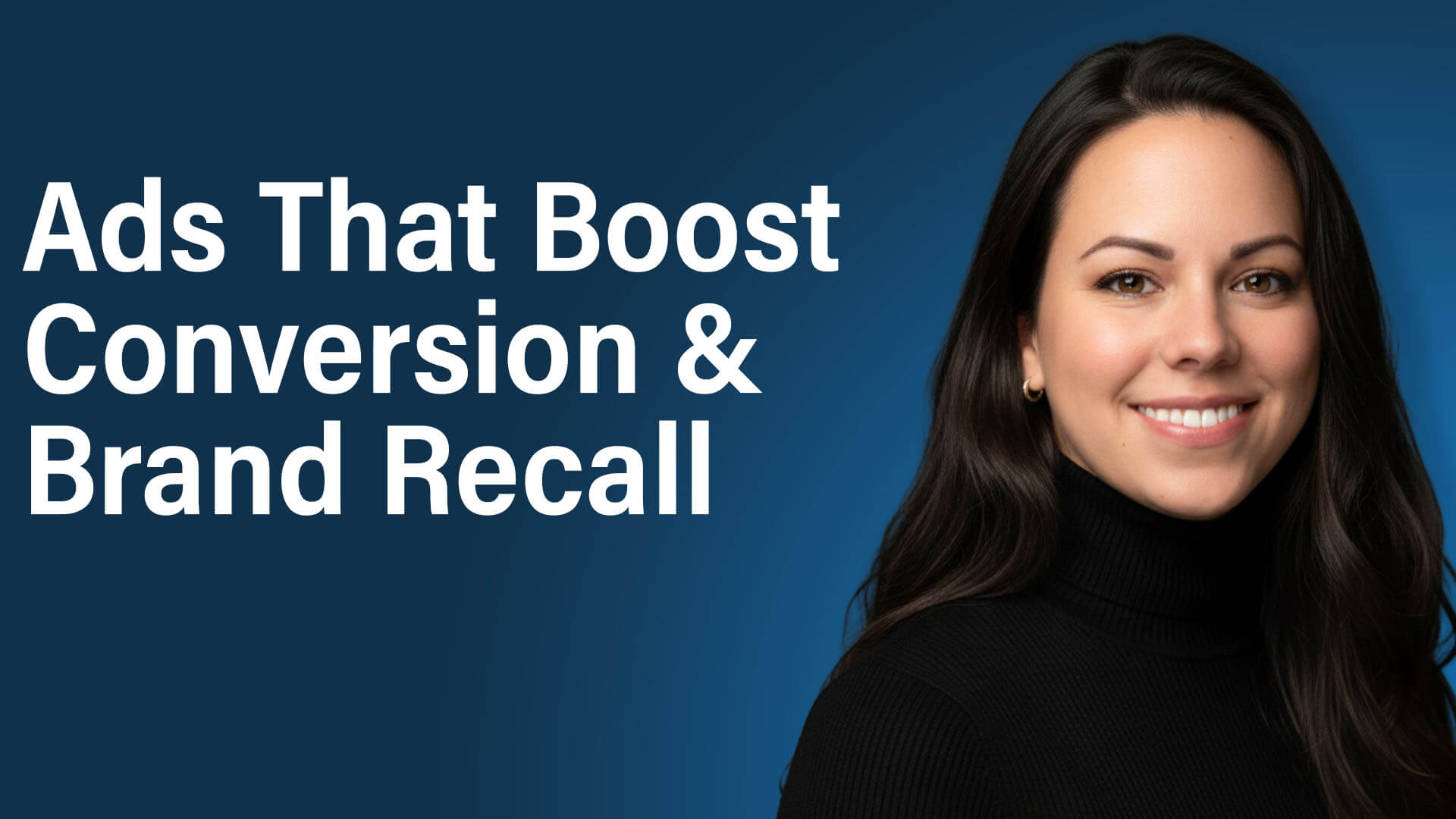
Sarah Levinger, founder of Tether Insights, argues that the most successful ads today don’t "sell"—they solve a psychological need. By utilizing a framework centered on two core psychological concepts—valence and intensity—marketers can fine-tune their messaging to resonate more deeply.
- Valence: The positive or negative emotional charge of your message.
- Intensity: The strength of that emotional response.
Levinger’s research suggests that even a single word substitution can drastically alter how an ad is received. By applying AI to analyze customer reviews and existing ad creative, brands can map whether their current messaging hits the intended emotional notes or if it falls flat in a crowded feed.
The "Version of Self" Strategy
One of the most radical shifts proposed by behavioral analysts is the abandonment of the traditional "customer avatar." Instead, Levinger suggests targeting the "version of self" a buyer inhabits at different times of the day. A consumer behaves differently when they are in "professional mode" versus "leisure mode." By segmenting creative to address these specific versions of the buyer’s identity, brands can significantly improve recall and conversion rates.
The Human Factor: Why Networking Still Happens Offline
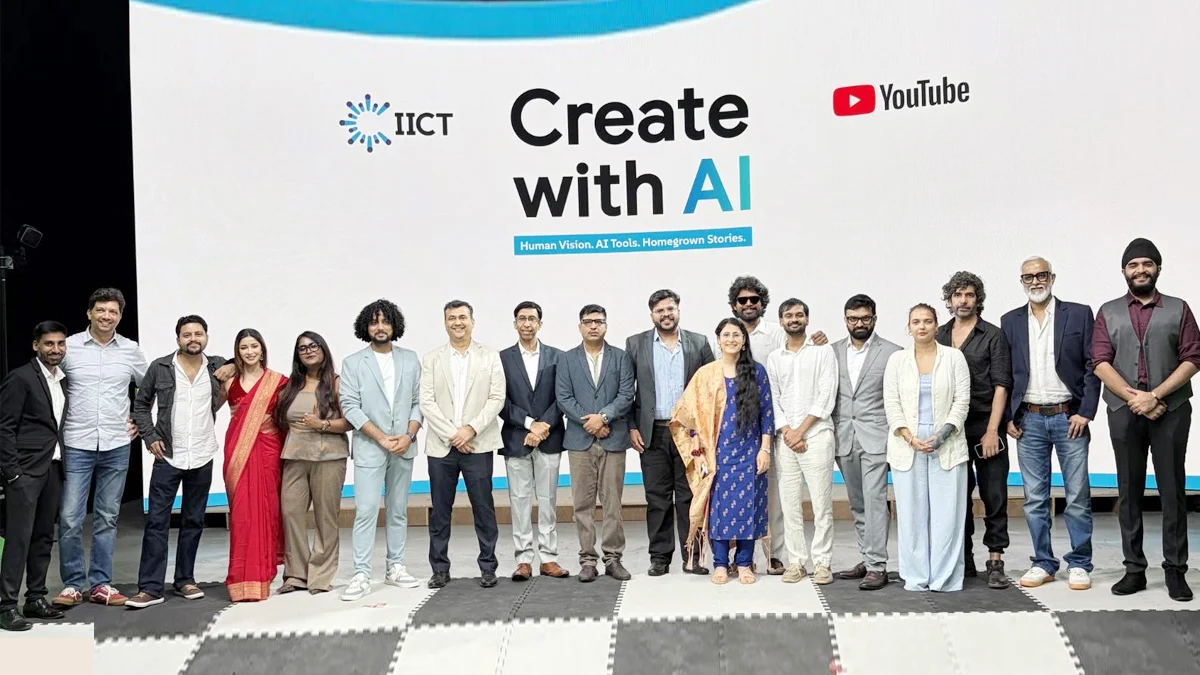
While the digital landscape is dominated by AI and automation, there remains an unshakeable value in human-to-human connection. The best marketing breakthroughs are rarely discovered through a screen; they are cultivated in the "hallway conversations" that define industry summits like Social Media Marketing World.
The implication for marketers is clear: while tools and algorithms change, the collaborative relationships formed during face-to-face interactions remain the primary catalyst for long-term professional growth. The ability to swap war stories, share "off-the-record" tactics, and build a network of collaborators is an intangible asset that no algorithm can replicate.
Industry Updates: A Chronology of Platform Shifts (October 2026)
The month of October has seen a massive influx of technical updates across the major social ecosystems. Below is a summary of the most significant changes impacting digital strategy:
Meta’s AI-Powered Community Management
Meta is doubling down on its "Forum" application (the dedicated interface for Facebook Groups). The integration of advanced AI moderation tools allows administrators to automate post reviews and content drafting. For community managers, this is a significant reduction in operational friction, allowing them to focus on engagement rather than policing threads.
LinkedIn’s Expansion into Connected TV (CTV)
In a move that signals the maturation of B2B advertising, LinkedIn has integrated its professional targeting data into Google’s Display & Video 360 for CTV campaigns. This allows B2B brands to serve ads on streaming platforms while utilizing the granular professional data—such as job titles, industry, and company size—that only LinkedIn can provide.
Meta’s Creative-Level Audience Selection
Meta has introduced a feature that allows advertisers to specify different audience demographics for individual creatives within the same ad set. This eliminates the need for redundant ad sets and provides a leaner, more efficient way to test messaging for different demographics, such as targeting Gen Z and Boomers with the same product but distinct visual assets.

Reddit’s Suite of Planning and Optimization Tools
Reddit has launched a comprehensive "Campaign Planner," which utilizes community-specific conversation data to help brands forecast engagement before a single dollar is spent. Coupled with a new "optimization score" and automated budget allocation, Reddit is positioning itself as a more predictable and user-friendly platform for performance marketers.
YouTube’s Security Safeguards
In response to the rising threat of account takeovers, YouTube has introduced a temporary "feature pause" for channels displaying suspicious activity. This system protects the creator’s brand by disabling publishing capabilities while security teams investigate, ensuring that hackers cannot upload malicious content while the account is compromised.
Implications for the Modern Marketing Department
The integration of these trends points toward a future defined by Adaptive Automation.

- AI as a Force Multiplier: Whether it is through Meta’s automated moderation or Reddit’s optimization scores, AI is shifting from a "content creator" to a "process manager." The goal is no longer to let AI do the work, but to use it to manage the complexity of high-volume digital environments.
- Creative Sensitivity: As behavioral science enters the mainstream of digital advertising, the "blunt force" approach to sales is losing efficacy. Advertisers must shift toward creative that acknowledges the psychological state of the consumer.
- The Hybrid Approach: The most successful marketing departments of 2027 will be those that effectively balance high-tech, AI-driven targeting with the high-touch, human-centric networking that remains the cornerstone of industry innovation.
Conclusion
As we look toward the remainder of the year and into 2027, the message is one of strategic refinement. We are moving away from the "growth at all costs" mentality toward a more nuanced approach—one that values the psychological resonance of ad creative, the authority of refreshed legacy content, and the efficiency of AI-backed administrative tools.
For the modern marketer, the path forward is clear: use the tools to handle the heavy lifting, use behavioral science to craft the message, and never underestimate the value of a conversation that cannot be found in a feed.
Data Summary Table: Key Updates

| Platform | Feature | Primary Benefit |
|---|---|---|
| Meta | AI Admin Tools | Reduced manual moderation; improved engagement. |
| CTV/Programmatic | High-end B2B targeting on premium streaming TV. | |
| Campaign Planner | Data-backed forecasting for community engagement. | |
| YouTube | Security Pause | Brand protection against malicious account takeovers. |
| Meta | Creative Audience Selection | Streamlined testing for multi-demographic campaigns. |
This report was curated from the latest industry developments and expert insights shared by the Social Media Marketing community. As the industry continues to iterate, staying informed remains the primary competitive advantage.