For anyone who has ever stared at a gym bag gathering dust after a months-long hiatus, the return to physical activity often feels like a humiliating reset. Whether the break was forced by a debilitating injury, the life-altering demands of a newborn, or the unrelenting pressure of a career milestone, the internal narrative is almost always the same: "I’m starting from zero."
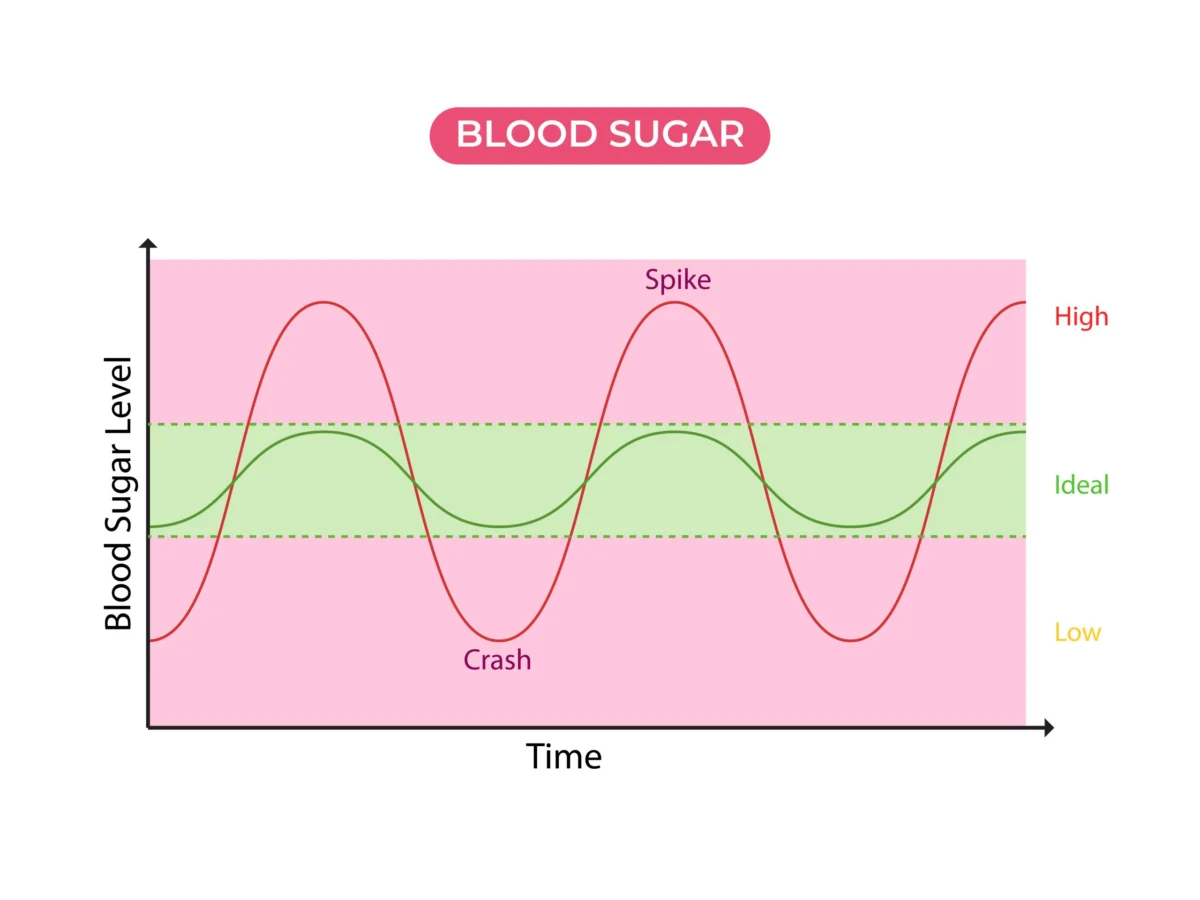
However, groundbreaking research from the University of Illinois Urbana-Champaign is challenging this "tabula rasa" perspective of human physiology. According to exercise physiologists Diego Hernandez-Saavedra and Yi-Heng (Hank) Huang, your body is far more than a collection of fleeting gains. At the cellular level, your muscles and liver act as a biological diary, cataloging every training session you have ever completed. These "cellular memories" don’t just exist as curiosities; they actively facilitate improved endurance, refined blood sugar management, and a robust defense against the rapid weight regain often associated with sedentary periods.
The Myth of "Use It or Lose It"
For over a century, the medical and fitness communities have operated under the rigid dogma of "use it or lose it." This mantra suggests that the human body is a precarious vessel for fitness; stop training for a few weeks, and your maximum oxygen uptake (VO2 max), insulin sensitivity, and muscle mass inevitably slide back to their baseline levels. This belief has served as the bedrock for global public health guidelines, which emphasize that consistency is the only way to reap the long-term rewards of exercise, such as reduced risks of heart disease, Type 2 diabetes, and various cancers.
But while "consistency" is the gold standard, it remains an elusive luxury for the majority of the population. Data indicates that approximately 75% of American adults struggle to maintain a perfectly consistent exercise routine due to the unpredictable nature of modern life. If our physiological gains were truly wiped clean every time we missed a month of training, the biological cost of these interruptions would be catastrophic. Yet, personal trainers and coaches have long observed a different reality: athletes who return to the gym after a long break invariably regain their strength and cardiovascular capacity significantly faster than novices starting from scratch.

This phenomenon of "muscle memory"—long anecdotal in the fitness world—is finally being decoded by modern science. It turns out that your cells are not merely responding to immediate stimuli; they are keeping a permanent record of your training history, ensuring that your hard-earned progress is never truly erased.
Chronology of a Cellular Memory Study
To move beyond anecdote and into empirical evidence, the research team at the University of Illinois utilized a sophisticated "ON-OFF-ON" exercise training protocol in animal models. The experimental design was structured to map the trajectory of physiological adaptation across three distinct phases:
- The Initial Build (Four to Eight Weeks): Subjects underwent a rigorous, consistent training regimen. This phase established the baseline "memory" of exercise, during which muscle fibers grew in size and metabolic pathways became optimized for energy production.
- The Detraining Period: Following the initial build, the subjects entered a period of total inactivity. This stage allowed researchers to observe how the body managed the loss of active stimulation and whether the physiological "record" was wiped or merely archived.
- The Recall Phase (Second Training Bout): When reintroduced to exercise, the subjects were monitored to see if their bodies "recalled" the training. The results were conclusive: the subjects exhibited a significantly accelerated rate of adaptation, suggesting the body had retained the molecular blueprints from the first training block.
Supporting Data: Skeletal Muscle and Metabolic Memory
The implications of this research extend far beyond mere strength gains. The team identified that skeletal muscle memory accelerates growth through a process of cellular structural optimization. Mice that had undergone prior training not only regained muscle size faster but also displayed an increase in the size of individual muscle fibers. Unlike passive tissue accumulation, this was an active, internal expansion of the working cells themselves.
Perhaps more critically, the researchers discovered that retrained muscle is inherently more efficient. It demonstrates a superior ability to match energy production to demand, drawing from fuel stores more effectively when the body is pushed to its limit. Remarkably, this efficiency persisted even when the subjects were placed on a high-fat diet, suggesting that prior training creates a "metabolic buffer" that protects against the adverse effects of poor nutrition.

The liver, often overlooked in discussions about exercise, plays a pivotal role in this memory system. As the primary organ responsible for energy distribution, the liver acts as a gatekeeper during training. Hernandez-Saavedra and his colleagues found that liver cells store exercise memories by modulating the expression of carboxylesterases—a family of enzymes responsible for lipid metabolism. When a previously trained subject returns to exercise, the liver releases higher levels of these enzymes, effectively "chopping up" circulating blood fats into a form that muscles can readily uptake and burn as fuel.
Inherited Fitness: A Legacy That Outlives You
Perhaps the most startling discovery in this line of research is the transgenerational impact of exercise. The study found that as little as three to four weeks of maternal or paternal endurance training can impart lasting health benefits to offspring.
In these trials, the offspring of exercised parents exhibited a distinct protection against blood sugar dysregulation and excess weight gain that lasted for an entire year—a significant portion of a mouse’s lifespan. While the exact mechanisms are still under investigation, researchers hypothesize that this might be linked to improved prenatal development environments or enhanced quality of parental nutrition. This suggests that the "cellular ledger" we keep isn’t just for our own benefit; it may serve as an epigenetic inheritance that provides our children with a head start in their metabolic health.
Official Perspectives and Scientific Implications
Traditionally, the scientific community has been highly selective in which cells were deemed capable of "memory." Neurons, with their synaptic connections, and immune cells, with their ability to recognize recurring pathogens, were the primary holders of this biological title. All other cells were considered "memoryless"—reactive entities that returned to a neutral state the moment a stimulus was removed.

This paradigm is rapidly dissolving. We now know that skin stem cells keep a record of past inflammation, allowing them to repair subsequent wounds with greater speed and efficiency. Similarly, human fat cells maintain a "memory" of obesity, which may explain the persistent frustration of the "yo-yo effect," where weight is regained at an accelerated rate after a diet.
By positioning exercise as a similar form of memory, Hernandez-Saavedra and Huang are challenging the fundamental understanding of cellular plasticity. They posit that every cell in the human body likely retains some form of exercise memory. The central question for future research is no longer if they remember, but how long these records are stored and whether we can artificially extend the "retention period" of these cellular files.
Practical Implications for the Modern Human
While these findings are cause for optimism, they are not a "get out of jail free" card for those looking to avoid the gym. The researchers are emphatic: "None of these findings are evidence for skipping the gym." The cellular memory of exercise is a latent asset; it requires a physical trigger to be re-activated. It does not replace the necessity of present, consistent training.
However, the knowledge that your body keeps a record changes the psychological burden of a hiatus. For the parent navigating a sleepless first year of life, the professional buried under an insurmountable project, or the athlete recovering from a season-ending injury, this research offers a vital perspective: you are not starting from zero. You are starting from a place of latent potential.

As we move forward, a deeper understanding of where these memories are stored and how they are preserved could revolutionize how we design exercise guidelines. Instead of one-size-fits-all, continuous-consistency mandates, future health protocols might be tailored to leverage these "memory windows," helping individuals who face unavoidable gaps in their training to maintain metabolic health more effectively.
Somewhere, deep within your mitochondria, your muscle fibers, and your liver cells, there is a record of every mile you’ve run, every weight you’ve lifted, and every push-up you’ve completed. It is a biological archive waiting for the moment you decide to return. You are not a novice; you are a body with a history, and that history is your greatest advantage.