In the fast-paced world of modern gastronomy, where molecular techniques and complex fusion cuisines often dominate the culinary headlines, there remains an enduring power in the simple potato. A staple of kitchens across the globe, the humble tuber has served as a canvas for cultural expression for centuries. Recently, a focus on "Spicy Potato with Cilantro and Ginger"—a classic home-style preparation popularized by Manjula’s Kitchen—has reignited a conversation about the beauty of minimalist cooking. By stripping away unnecessary complexity, this dish highlights how fresh, aromatic ingredients can transform a basic pantry item into a sophisticated culinary experience.
Main Facts: The Essence of the Dish
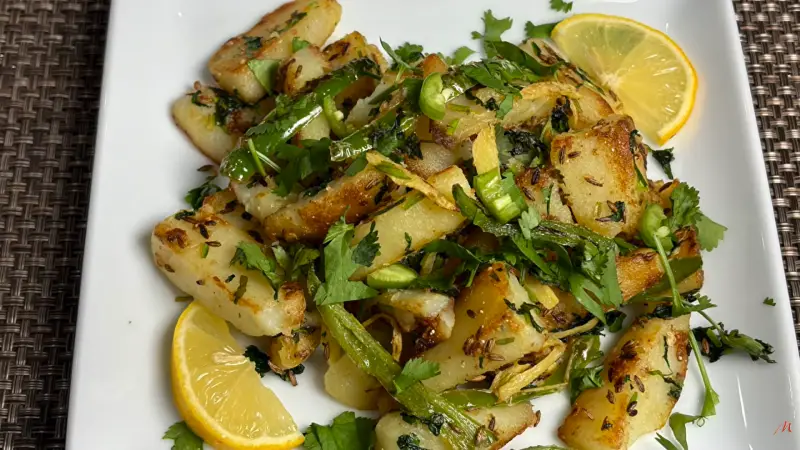
At its core, the Spicy Potato with Cilantro and Ginger is a masterclass in flavor balancing. It relies on a trifecta of earthy potatoes, pungent ginger, and the bright, herbaceous notes of fresh cilantro. Unlike heavy, cream-based potato dishes found in Western European traditions, this preparation emphasizes the texture of the vegetable and the sharpness of the aromatics.
The dish is defined by its versatility. It is not merely a side; it is a functional component of the daily diet. Whether served alongside a steaming plate of basmati rice, paired with traditional Indian flatbreads like roti or paratha, or enjoyed as a standalone snack, the dish provides a robust nutritional profile while maintaining a light, non-greasy finish. The preparation time is notably brief—approximately 15 minutes of prep and 18 minutes of cooking—making it an ideal candidate for the time-strapped home cook who refuses to compromise on quality.
Chronology: From Farm to Pan
The journey of this dish from raw ingredients to the plate is a study in efficiency. Understanding the timeline of preparation is crucial for those looking to replicate the results seen in the instructional guides provided by Manjula’s Kitchen.
- Preparation (0–15 Minutes): The process begins with the careful selection and cleaning of firm-fleshed potatoes. They are typically peeled and cubed to ensure uniform cooking. Simultaneously, fresh cilantro is washed and finely chopped; the stems are often retained for their intense flavor profile. Ginger is julienned or minced to ensure it integrates seamlessly into the oil during the initial sauté.
- Tempering (15–20 Minutes): The "tadka" or tempering process is where the dish truly comes alive. High-quality oil is heated, and foundational spices—often including cumin seeds and, optionally, asafetida (hing)—are introduced to the hot fat to release their essential oils. This brief window of time is critical; if the spices burn, the dish turns bitter, but if they are perfectly toasted, they provide a deep, savory foundation.
- The Sauté (20–30 Minutes): The potatoes are added to the seasoned oil. A steady, medium-high heat is maintained to allow the edges of the potato cubes to develop a light, golden-brown crust. This physical change is essential for texture, creating a contrast between the crispy exterior and the tender, fluffy interior.
- The Infusion (30–33 Minutes): During the final minutes of cooking, the fresh ginger and green chilies are folded in. Finally, the fresh cilantro is added. It is crucial to add the cilantro toward the end of the cooking process to preserve its vibrant green color and delicate volatile oils, which evaporate under prolonged heat.
Supporting Data: Why Minimalist Cooking Wins
Nutritionally and psychologically, this recipe aligns with modern dietary trends that favor "clean eating."
- Digestive Aid: Ginger is globally recognized for its anti-inflammatory properties and its ability to aid digestion. By incorporating significant amounts of ginger into a potato dish, the recipe mitigates the heaviness often associated with high-carbohydrate meals.
- Micronutrient Density: While potatoes provide essential potassium and Vitamin C, the addition of fresh cilantro contributes Vitamin K and antioxidants.
- The "Hing" Factor: Asafetida, a resin used in many traditional Indian recipes, is often a point of curiosity for Western cooks. Data suggests that it acts as a savory, umami-rich base that mimics the flavor profile of onion and garlic, making it an excellent alternative for those who avoid alliums for dietary or religious reasons.
- Efficiency Metrics: The 33-minute total turnaround time places this recipe in the "high-utility" category for home cooks. Compared to slow-roasted or mashed potato recipes that can take upwards of an hour, this sautéed method is 40–50% more time-efficient, reducing energy consumption and kitchen fatigue.
Official Perspectives and Expert Insight
Culinary experts often point to this dish as an example of "accessible gastronomy." When questioned about the simplicity of the ingredients, home cooking authorities emphasize that the quality of the raw materials becomes more apparent when there are fewer of them.
"When you have five ingredients instead of twenty," says one culinary analyst, "you cannot hide behind heavy sauces. The ginger must be fresh, the potatoes must be of the right variety—preferably a waxy or semi-starchy type—and the cilantro must be vibrant. It forces the cook to be present."
The inclusion of FAQs in the dish’s documentation—such as the advice regarding leftover boiled potatoes—speaks to a broader movement toward food waste reduction. By providing instructions on how to repurpose leftovers, the recipe encourages a circular kitchen economy. The suggestion to avoid dried cilantro is particularly important; in the world of professional cooking, herbs are viewed as fresh produce, and their chemical composition changes drastically upon dehydration, losing the specific "green" brightness that this dish requires.
Implications for Modern Kitchens
The resurgence of recipes like this has significant implications for how we view the "everyday meal."
1. Empowerment through Simplicity:
There is a prevailing myth that "good food" requires hours of labor or expensive, hard-to-find ingredients. This dish challenges that notion, empowering home cooks to create restaurant-quality flavors with items found in any local grocery store. It democratizes the dining experience.
2. The Shift to Plant-Forward Dining:
As global food trends shift toward plant-forward diets, the Spicy Potato with Cilantro and Ginger stands as a model for how to make vegetables the "star" of the plate. By utilizing spices effectively, it provides a level of satisfaction that often makes meat unnecessary in the context of the meal.
3. Cultural Preservation:
Sharing these recipes—via videos, blogs, and community forums—serves as a digital archive for cultural knowledge. It ensures that traditional methods of preparing root vegetables are passed down to generations who might otherwise rely solely on processed, pre-packaged alternatives.
4. The Psychological Comfort of Home Cooking:
Beyond the chemistry and the nutrition, there is the "comfort factor." The aroma of sizzling ginger and fresh cilantro is deeply rooted in the sensory memories of many cultures. In an era of digital isolation, the act of preparing a meal that centers on sensory pleasure can be a form of mindfulness. It forces the cook to step away from screens and engage with the tactile, aromatic, and visual components of food preparation.
Conclusion: A Philosophy for the Future
The Spicy Potato with Cilantro and Ginger is more than a recipe; it is a philosophy. It reminds us that our kitchens should be spaces of exploration, not stress. By focusing on fresh ingredients, mastering the timing of aromatics, and embracing the beauty of a dish that is "simple but not simplistic," any home cook can elevate their daily repertoire.
As we look toward the future of home cooking, the emphasis will likely remain on these types of recipes—those that offer high flavor, high nutritional value, and high adaptability. Whether you are a novice learning the ropes or a seasoned chef looking for a quick, comforting side dish, the wisdom contained in these few steps is clear: start with the best ingredients you can find, respect the timing, and let the flavors speak for themselves. After all, the most memorable meals are often those that bring us back to the basics.