This post was created in partnership with Ibotta.
In an economic landscape defined by persistent inflation and a cautious approach to household spending, the retail sector is undergoing a profound transformation. As grocery prices remain elevated and consumers brace for the financial pressures of the holiday season, shoppers are becoming increasingly selective. The era of brand loyalty based on habit alone is waning, replaced by a climate where value, precision, and relevance dictate which products earn a coveted spot in the digital and physical cart.
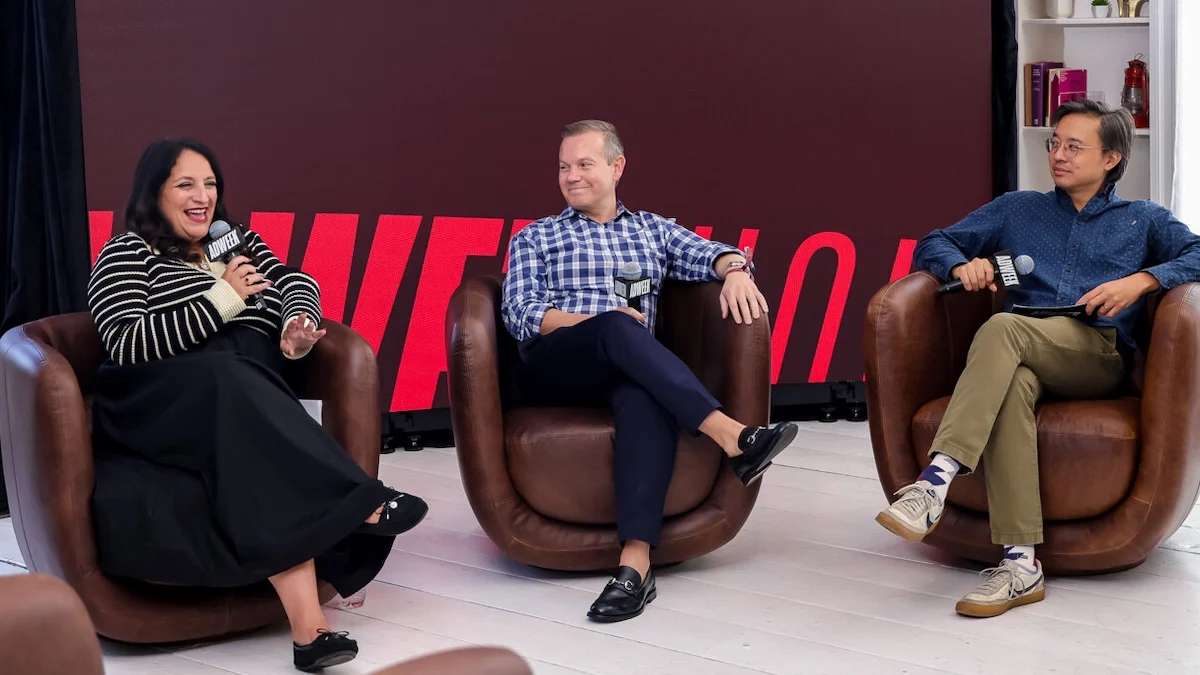
This shift has forced brands to rethink their relationship with the consumer. At a recent ADWEEK House Advertising HQ panel, industry leaders convened to discuss how data-driven media spend is no longer just a marketing luxury—it is a tactical necessity. Ryan Joe, Editor-in-Chief of ADWEEK, moderated the discussion with Chris Dungan, VP of Client Partnerships at Ibotta, and Krystle Rocci, Integrated Strategy Director of Pernod Ricard. Together, they explored the intersection of first-party data, consumer behavior, and the path to long-term brand equity.
The Core Challenge: Meeting Consumers at the "Moment of Truth"
The fundamental challenge for modern brands, particularly in the competitive spirits industry, is the fragmentation of the customer journey. Consumers are no longer following a linear path from awareness to purchase. Instead, they are navigating a complex web of digital research, social media influence, and fluctuating price sensitivity.
"Elevated grocery prices and anticipated holiday financial stress are already making shoppers more selective about which brands earn a spot in their carts," noted Ryan Joe during the panel.
For Pernod Ricard, the challenge lies in maintaining market share while costs rise. The solution, according to Krystle Rocci, is to move beyond vanity metrics like impression counts. While impressions are necessary for brand awareness, they are insufficient for driving business outcomes in a high-stakes retail environment.
"Are they seeing an ad in the right moment, in the right mindset, to get them to perform an intended action, and is it driving them down that purchase funnel through the journey?" Rocci asked. "It’s really about hitting them in the moments that matter, which for spirits, is super important."
Chronology of a Shift: From Impulse to Intent
The strategy for engaging consumers during the peak holiday season has evolved significantly. Historically, retailers and brands focused their efforts on a compressed window—the frantic few weeks leading up to major holidays. However, current data suggests a departure from this pattern.
The Elongated Purchase Cycle
"Consumers are elongating that purchasing period. They’re trying to flatten that consumption curve," explained Chris Dungan. This behavior is a direct response to economic volatility; by spreading out their spending, shoppers feel more in control of their budgets.
The Interception Strategy
Because the window of opportunity is no longer limited to a two-week sprint, brands must maintain "top-of-mind" status for a much longer duration. This requires a shift in messaging. Rocci highlighted that the goal is to intercept the consumer long before they arrive at the shelf or open their digital grocery app.
"The timing is getting earlier and earlier," Rocci noted. "So how can we get in their mind before they’re at the shelf or at the cart, so that when they do actually make the decision, they’re choosing one of our products?"
The Power of First-Party Data: Measuring What Matters
The partnership between Ibotta and Pernod Ricard serves as a blueprint for how first-party data can be utilized to measure the efficacy of promotions. In the past, promotions were often "blunt instruments"—discounts applied broadly with the hope of moving volume. Today, that approach is seen as inefficient and, in some cases, detrimental to brand equity.
Attribution and Behavior
With Ibotta’s granular, first-party data, Pernod Ricard can trace the impact of specific promotions on actual purchase behavior. Dungan emphasized that this level of insight allows brands to move beyond guessing. "It allows you to better measure and attribute the success of the campaign," he said. By understanding exactly what changed a consumer’s mind—be it a specific discount, a bundle offer, or a targeted ad—brands can optimize their spend for future campaigns.
Moving Beyond the Discount
While promotions are effective for attracting first-time or lapsed buyers, Dungan and Rocci agree that the discount is merely the "hook." The true test is what happens after the initial purchase. The data provided by Ibotta allows Pernod Ricard to identify those new buyers and build a relationship that transcends the temporary price cut.
Building Long-Term Loyalty in a Price-Sensitive Market
Attracting a consumer is the first step; retaining them is the organizational imperative. Loyalty, in the current retail climate, is not just about brand name—it is about value alignment.
Creating a Relationship
Rocci articulated that loyalty is built through a multifaceted approach. "Whether that is the bottle, the flavor profile, the price point, or the continued re-engaging content to give them meaning around that brand, I think that’s all helpful," she said. Brands must provide the consumer with a reason to return that goes beyond the current promotion.
Cross-Pollination and Portfolio Growth
One of the most effective strategies for increasing customer lifetime value is encouraging consumers to explore a broader portfolio of products. Pernod Ricard has mastered this by leaning into complementary consumption.
"Sometimes our brands can complement one another," Rocci explained, citing the iconic pairing of Absolut and Kahlua for the classic espresso martini. By encouraging consumers to view these brands as a cohesive solution for their entertaining needs, Pernod Ricard effectively increases the basket size.
Implications for the C-Suite: Bridging the Gap Between CMO and CFO
Perhaps the most significant takeaway from the panel was the alignment between marketing strategy and financial performance. Historically, marketing departments (led by the CMO) and finance departments (led by the CFO) have spoken different languages. Marketing focuses on engagement and brand health; finance focuses on margin and incremental sales.
Messaging for the Boardroom
Dungan pointed out that the current data-driven model bridges this divide. When a brand can prove that a promotion didn’t just give away margin, but instead drove incremental sales, increased basket size, and acquired new, high-value customers, the narrative changes.
"If we can ultimately think about growing baskets and collective equity for the organization, making consumers buy more products overall, it benefits that organization meaningfully," Dungan stated.
This is the kind of "messaging that lands with CFOs as well as CMOs." It demonstrates that marketing spend is not just an expense—it is an investment in the long-term, sustainable growth of the company.
The Future of Retail: A Data-First Landscape
As we look toward the future, the lessons shared by Ibotta and Pernod Ricard will likely become industry standards. The ability to leverage data to understand the consumer’s mindset is no longer optional.
Key Takeaways for Brands:
- Data is the North Star: Use first-party data to attribute success and understand the "why" behind consumer behavior.
- Flatten the Curve: Recognize that the holiday shopping season is now a multi-month event. Adjust your messaging and promotion schedules accordingly.
- Think in Systems: Don’t just promote a single product. Consider how your portfolio can work together to solve a consumer need (e.g., cocktail recipes or meal pairing).
- Loyalty is a Conversation: Use initial promotions to build a long-term relationship through meaningful content and continued engagement.
By focusing on these pillars, brands can navigate the current economic headwinds with confidence. The combination of precision targeting and a deep understanding of the consumer journey ensures that, even when shoppers are at their most selective, the right brands will remain an essential part of their lives.
In this data-rich environment, the winners will be those who can translate raw information into meaningful consumer connections. As Dungan and Rocci demonstrated, when brands stop guessing and start listening to the data, they don’t just survive the volatility—they thrive within it.