For the savvy consumer, the conclusion of Amazon’s "Prime Big Deal Days" usually serves as a psychological signal to shutter the wallet and wait for the retail frenzy of Black Friday. Like many seasoned deals hunters, I operated under the assumption that the market would hit a plateau—a period of relative stagnation where manufacturers and retailers alike regrouped before the massive holiday push.
However, a closer look at the current Amazon Australia listings reveals a fascinating trend: the "post-sale hangover" isn’t happening. Instead, we are witnessing a persistent, aggressive pricing strategy that is effectively bridging the gap between major sales events. For those who missed the Prime Day window, or for those who simply weren’t ready to pull the trigger, the current landscape offers an unexpected, second-chance opportunity to secure high-end espresso hardware at prices that occasionally undercut the official sales period.
The Current State of the Espresso Market
The espresso machine segment has undergone a significant transformation over the last decade. Once a niche hobbyist pursuit, the demand for "café-quality" coffee at home has skyrocketed. This has led to a saturation of mid-to-high-tier machines that require constant promotional support to maintain market share.
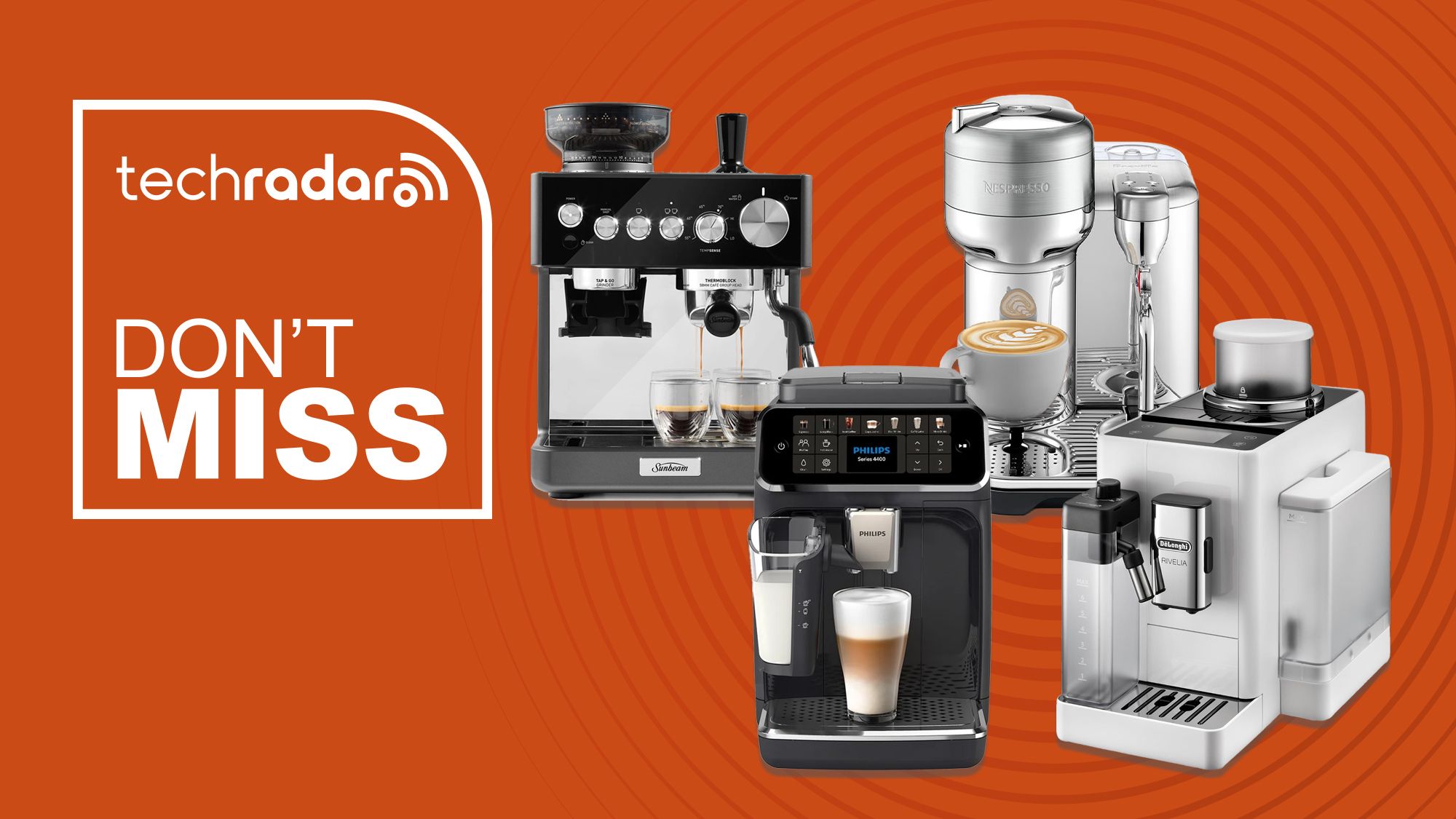
As of this week, several flagship models from premium manufacturers—including Nespresso, Sunbeam, and Philips—are sporting discounts that defy the standard post-event retail calendar. This suggests that retailers are not waiting for the traditional November sales cycle to keep inventory moving. Instead, we are seeing a "continuous promotion" model, designed to capture the attention of consumers who are increasingly savvy about pricing history and are waiting for the "right" number to appear.
Chronology of the Current Pricing Shift
To understand the significance of these current offers, one must look at the trajectory of the last three weeks:
- The Pre-Prime Build-Up (Early October): Retailers ramped up marketing, setting "anchor" prices for popular machines.
- Prime Big Deal Days (The Peak): Prices dropped significantly. For many, this was the benchmark for the "lowest price of the season."
- The "Lull" (Mid-October): Conventional wisdom dictated a price hike or a return to MSRP (Manufacturer’s Suggested Retail Price).
- The Post-Event Pivot (Present Day): Instead of normalizing, prices have remained low, and in some specific instances, have even dipped lower than the Prime Day figures.
This departure from the norm is a strategic maneuver. Retailers know that by keeping prices suppressed immediately following a major event, they can convert the "window shoppers" who were still deliberating during the heat of the sale.
Supporting Data: Key Deals to Monitor
The data suggests that not all categories are treated equally. While some machines have returned to standard pricing, others are being used as "loss leaders" to maintain high traffic volume on e-commerce platforms.
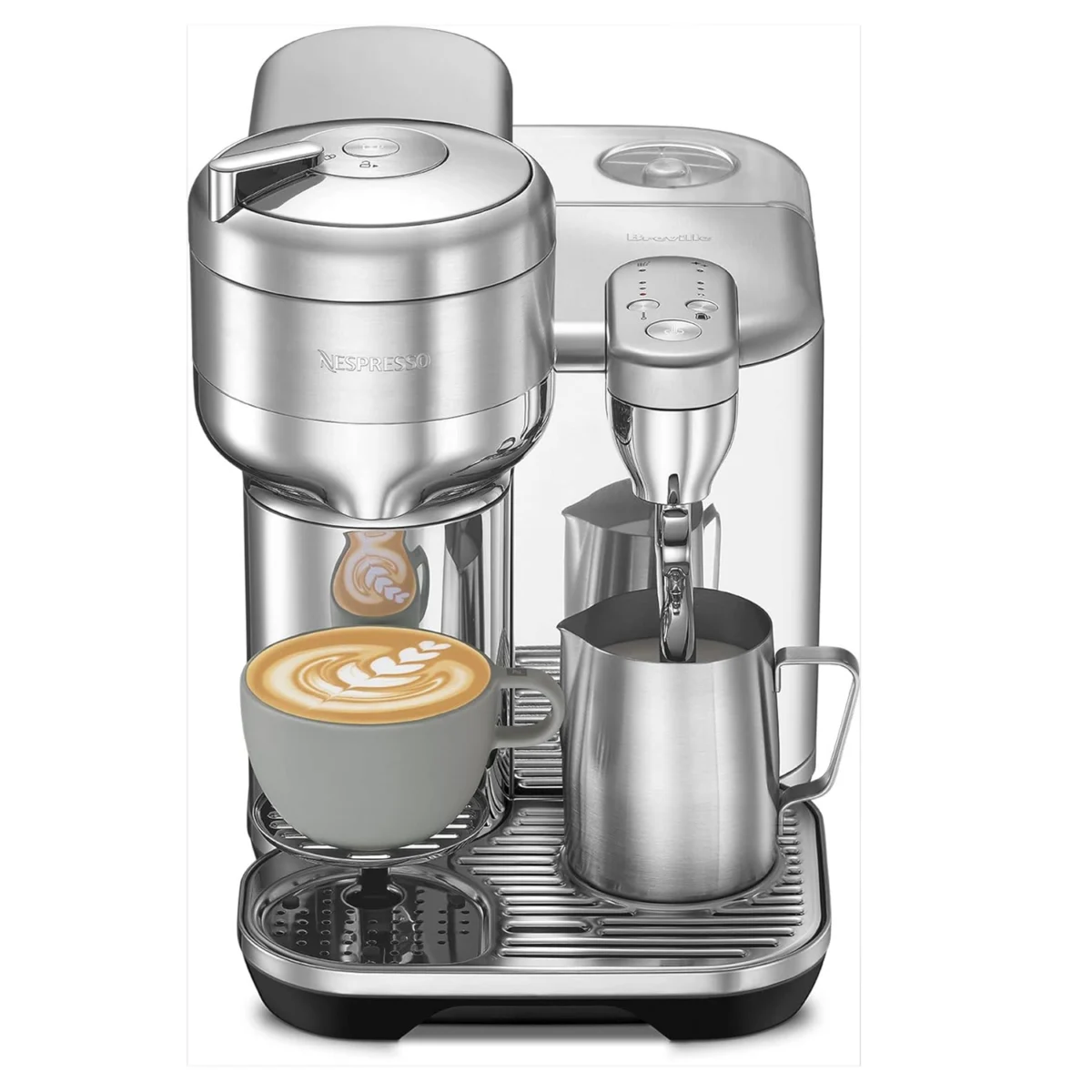
The Nespresso Vertuo Creatista
Currently priced at AU$697, this machine is a standout. When compared against the Prime Day metrics, this represents a slight dip, making it cheaper now than it was during the official event. For the consumer, this is a rare instance where patience has been rewarded with a "post-sale" premium.
The Sunbeam Origins Sense
Perhaps the most surprising find is the Sunbeam Origins Sense at AU$475.15. This reflects a price drop of over AU$80 compared to its listing during the Amazon Prime event. This is a clear indicator that the manufacturer is pushing for market share in the mid-range manual espresso category, effectively out-maneuvering the promotional pricing of the previous week.
The Philips LatteGo 4400
The Philips LatteGo 4400 remains at AU$799. While this does not beat its Prime Day low—which was bolstered by an additional AU$175 coupon—it still represents a significant AU$400 saving against the MSRP. Even without the extra coupon, the consistency of this price point demonstrates a sustained effort to keep the product competitive as we head into the gifting season.
Implications for the Consumer
The most important takeaway for the consumer is to abandon the "wait for Black Friday" mindset. While Black Friday will undoubtedly bring deep discounts, it is no longer the only time of year to secure a bargain.
1. The Death of the "Sale Window"
We are moving toward a retail environment where sales are fluid. By keeping prices suppressed, brands are effectively extending the sale period. This is beneficial for the buyer, as it removes the pressure to make an impulse purchase during a 48-hour event, allowing for more research and consideration.
2. The Rise of Exclusive Incentives
Beyond the public-facing Amazon discounts, we are seeing a shift toward direct-to-consumer incentives. For example, Breville has launched a birthday sale on its proprietary website. When coupled with exclusive coupon codes—often provided to industry publications—the total discount can exceed what is available on mass-market platforms. This suggests that the best way to shop for premium coffee gear is to look for "stackable" offers: a manufacturer discount combined with a partner-specific coupon.
3. Inventory Management
The aggressive pricing we are seeing right now is also a reflection of warehouse management. With the end of the year approaching, retailers are eager to clear out specific stock levels to make room for new models arriving in Q1 of the following year. This creates a "sweet spot" for buyers who don’t necessarily need the latest 2025 model but want the high-performance features of the current market leaders.
Strategic Advice: How to Navigate the Coming Weeks
If you are in the market for a coffee machine, the data suggests you should adopt a multi-layered approach:
- Don’t ignore the "off-season": As proven by the current Sunbeam and Nespresso pricing, the best deal isn’t always during the big-name sales.
- Track the "Anchor" Price: Use browser extensions or price-tracking websites to see the historical low. If a current price is within 5-10% of that historical low, it is statistically likely to be a "buy now" scenario.
- Leverage Exclusive Channels: As mentioned with the Breville example, check the manufacturer’s own website. Often, they can offer more aggressive pricing than a third-party retailer because they don’t have to account for the platform’s cut of the sale.
- Read the Fine Print: Ensure that the current price includes the same warranties and support packages as the Prime Day deal. Occasionally, third-party sellers on massive platforms may lower the price by removing the official manufacturer’s warranty—a trap that can cost more in the long run.
Conclusion: A Buyer’s Market
The current state of the coffee machine market is a testament to the hyper-competitive nature of modern e-commerce. The fact that prices are not rebounding after a major sales event is a clear win for the consumer. It indicates that the power has shifted; retailers can no longer rely on the artificial urgency of a 48-hour sale to dictate buying behavior.
Instead, the market is currently in a "constant discount" phase. Whether this will last until Black Friday or taper off as inventory levels stabilize remains to be seen. However, for those who missed the Prime Day window, the message is clear: the opportunity to upgrade your home coffee setup hasn’t vanished—it has simply shifted, and in some cases, improved.
As we approach the final quarter of the year, keep a watchful eye on both Amazon and direct manufacturer sites. The best deal of the year might not be found on a billboard during a major sale, but rather on a quiet Tuesday morning, buried in a listing that refuses to return to its original price.