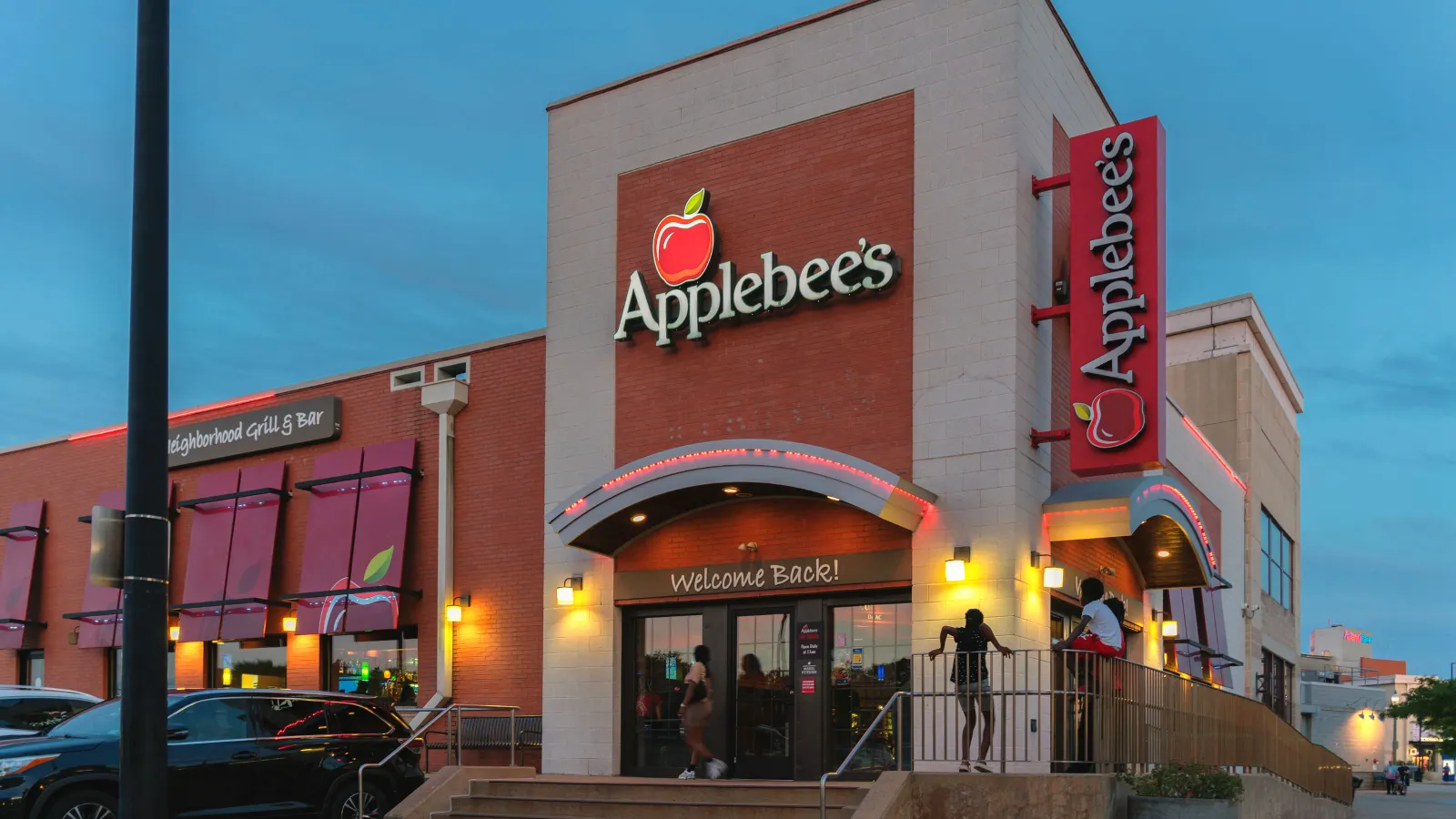
In the high-stakes arena of the quick-service restaurant (QSR) and casual dining sectors, the battle for the consumer’s wallet has never been more intense. As inflation continues to shape dining habits, major chains are finding themselves in a delicate tug-of-war: maintaining profitability while offering the aggressive value propositions that today’s budget-conscious diners demand. Among those navigating this complex terrain is Applebee’s, a staple of the American casual dining experience for nearly half a century. Under the guidance of a refreshed marketing leadership team, the chain is attempting to marry its long-standing "neighborhood" identity with a modern, digital-first approach to growth.
The State of Play: Current Market Dynamics
Consumers are increasingly prioritizing value, forcing casual dining brands to rethink their playbooks. For Applebee’s, the second quarter of 2026 provided a stark look at these industry-wide pressures. During this period, the chain reported a 1.8% decrease in comparable domestic same-restaurant sales. However, the company remains optimistic, pointing to the efficacy of its "barbell strategy"—a dual approach that combines hyper-affordable, high-volume offerings with culturally resonant, higher-priced indulgences.
CEO John Peyton described this strategy as the cornerstone of the brand’s current marketing playbook. By anchoring the menu in accessible, "all-you-can-eat" campaigns—such as those seen over the summer—the brand maintains its reputation for affordability. Simultaneously, the introduction of trend-driven collaborations, such as the "Poolio with Don Julio" campaign, creates the social buzz necessary to capture the elusive and highly coveted younger demographic.
Chronology of a Turnaround: The CMO’s First Year
When Michelle Chin stepped into the role of Chief Marketing Officer in September 2025, she brought with her nearly a decade of experience from Starbucks, a brand renowned for its mastery of customer loyalty and digital integration. Her first year at Applebee’s has been defined by a "listening tour"—traveling across the United States to meet with franchisees and observe the brand’s interaction with guests in real-time.
The "Neighborhood" Reimagined
Chin’s primary objective has been to bridge the gap between Applebee’s 46-year legacy and the requirements of the next generation. Central to this is the evolution of the brand’s iconic tagline: "Eating good in the neighborhood."
"We recognize that the neighborhood is changing," Chin noted in a recent interview. "It is no longer just geographically defined. Today, neighborhoods are digitally available, where people of like minds and interests congregate." The challenge for Applebee’s is to retain the essence of its community-focused roots while adapting to a landscape where digital connection is just as vital as physical proximity.
Structural Shifts and Creative Partnerships
Under Chin’s leadership, Applebee’s has moved toward a more integrated marketing ecosystem. By breaking down internal silos, the brand is aligning its social advocacy teams with its in-restaurant menu development experts. This synergy is designed to ensure that the marketing message—whether seen on a television screen, a social feed, or a menu board—is cohesive.
The recent appointment of BBDO Chicago as the brand’s creative agency of record marks a pivotal moment in this evolution. According to Chin, the partnership is designed to move beyond traditional channel-based storytelling. With the "traditional marketing funnel" effectively collapsing into what she describes as a "big messy middle," the goal is to create consistent, high-impact touchpoints that meet the consumer wherever they are in their decision-making process.
Data-Driven Value: Why the 2 for $25 Remains King
While the industry at large experiments with a variety of discounting models, Applebee’s continues to double down on its signature "2 for $25" promotion. This offering represents more than 25% of the company’s total business, serving as a testament to its enduring appeal.
The Philosophy of "Shared Value"
Chin argues that the "2 for $25" promotion is more than just a pricing tactic; it is an extension of the brand’s ethos. While competitors often focus on single-diner promotions, Applebee’s differentiates itself by focusing on the communal aspect of dining. By bundling appetizers and entrees, the chain reinforces the idea that Applebee’s is a place to connect, celebrate, and create memories—even when personal budgets are constrained.
This philosophy also drives the success of loyalty-based offerings like the "Date Night Pass." Now in its third year, the program has become a fixture for guests looking for "moments that are worth it." Rather than relying on a traditional, transactional points system, Applebee’s loyalty strategy focuses on experiential value. It is an intentional move to ensure that the brand remains part of the customer’s social ritual, regardless of the economic climate.
Official Responses and Strategic Shifts
Applebee’s is not just relying on legacy promotions; it is aggressively refreshing its menu to keep the value proposition relevant. The recent return of the "Sizzlin’ Skillets" at a $12.99 price point, alongside a seasonal "Spooky Sips" beverage menu featuring $6 drink options, highlights a strategy of seasonal agility.
Authenticity in the Creator Economy
The brand’s approach to social media and creator partnerships is rooted in the belief that Applebee’s is a brand for "everyday people." Chin emphasizes that authenticity is the currency of the modern creator economy. Because the brand’s dining rooms are a cross-section of the neighborhood, the marketing strategy encourages creators to bring their own personalities and genuine experiences into the restaurants. Whether it is a late-night appetizer run or a business lunch, the brand encourages creators to define what Applebee’s means to them, which in turn fosters a more authentic connection with the audience.
The NFL Connection: Marshawn Lynch and the O-M-Cheese-adilla
One of the most successful manifestations of this strategy was the launch of the "O-M-Cheese-adilla Burger" in partnership with NFL legend Marshawn Lynch. The collaboration was not merely a celebrity endorsement; it was built on a genuine, documented history between the athlete and the brand.
"When you find a celebrity or partner that is authentic, resonates with your audience, and is also truly a fan, it makes it that much more worthwhile," Chin stated. By leveraging Lynch’s genuine love for the product, Applebee’s was able to reach a new demographic while maintaining the credibility that celebrity marketing often lacks.
Implications: The Future of Casual Dining
The trajectory of Applebee’s under the current leadership team suggests a brand that is comfortable in its own skin but acutely aware of the need for evolution. The implications of this strategy for the broader casual dining sector are significant:
- The Death of the Funnel: As marketing moves into the "messy middle," brands must prioritize consistency across digital and physical spaces rather than treating them as separate silos.
- Experiential Loyalty: Customers are increasingly looking for value that feels like an "experience" rather than a discount. Programs that facilitate human connection (like Date Night Pass) are likely to outperform standard transactional loyalty programs.
- The "Neighborhood" 2.0: Brands that successfully pivot from geographic definitions of community to interest-based digital communities will capture the next generation of diners.
As Applebee’s moves into the next phase of its 46-year history, the focus remains clear: honor the heritage, modernize the medium, and ensure that the "neighborhood" remains a place where the value proposition is matched by the quality of the experience. With the combined efforts of an experienced CMO and a new creative partner in BBDO, the chain is positioning itself to be more than just a destination for an affordable meal—it aims to be a permanent fixture in the evolving social lives of its guests.