
The digital landscape is undergoing its most significant structural shift since the inception of the search engine. For decades, the "blue link"—the standard, ten-results-per-page format pioneered by Google—served as the primary gateway to the internet. Today, that gateway is being bypassed by a new, more authoritative force: the Answer Engine.
As consumers and B2B buyers increasingly turn to platforms like ChatGPT, Perplexity, and Gemini for direct, synthesized responses, the traditional "search and click" paradigm is eroding. For marketers, this transition represents a fundamental disruption. The objective has shifted from "How do we rank for this keyword?" to "How do we ensure AI search tools recognize, cite, and recommend our brand?"
The Shift: A New Chronology of Discovery
To understand where we are, we must look at the rapid evolution of the search experience.

Phase 1: The Era of Semantic Search (1998–2022)
For twenty-five years, SEO was defined by technical optimization: backlink profiles, domain authority, and keyword density. The goal was to signal to search engine crawlers that your content was the most relevant destination for a specific query. The user’s journey was linear: Search, Review, Click, Consume.
Phase 2: The Emergence of Generative Synthesis (2023–2024)
With the public release of advanced Large Language Models (LLMs), search behavior began to fragment. Users discovered they could bypass the "investigation" phase of buying—the tedious process of clicking multiple tabs to compare products—by asking an AI to do the work for them.
Phase 3: The "Zero-Click" Reality (2025–Present)
We have now entered an era of "Zero-Click" buying. A 2025 report by Bain & Company highlighted a startling statistic: 60% of searches now conclude without the user ever clicking a link. The search journey ends at the AI’s summary. If a brand isn’t mentioned within that summary, it effectively does not exist for that buyer.

The Data: Why AI is Winning the Battle for Attention
The shift in behavior is not merely anecdotal; it is backed by profound shifts in market data. According to Forrester, a staggering 94% of B2B buyers utilized AI during their most recent purchasing processes. The implications for the sales cycle are immediate: 55% of these buyers used AI to compare vendors, while 54% used it to conduct product research—all before initiating a single conversation with a sales representative.
The implications for the consumer sector are equally disruptive. Adobe Digital Insights reported that 56% of US consumers employed generative AI during the 2025 holiday shopping season, a 45% year-over-year increase.
This data paints a clear picture: The buying journey is largely completed before a vendor is ever alerted to a prospect’s existence. When an AI answer engine becomes the primary source of truth, it holds the power to sway purchasing decisions, validate vendor reputations, and filter out competitors before they even make it to the "shortlist."
Categorizing the AI Search Stack
To navigate this new environment, marketers must categorize their tools. Not all AI search tools are created equal, and misunderstanding their specific functions is a common pitfall.
1. Answer Engines: The New Gatekeepers
Platforms like ChatGPT, Perplexity, and Gemini represent the "Answer Engine" category. Their primary value proposition is synthesis. They don’t just provide links; they provide information.
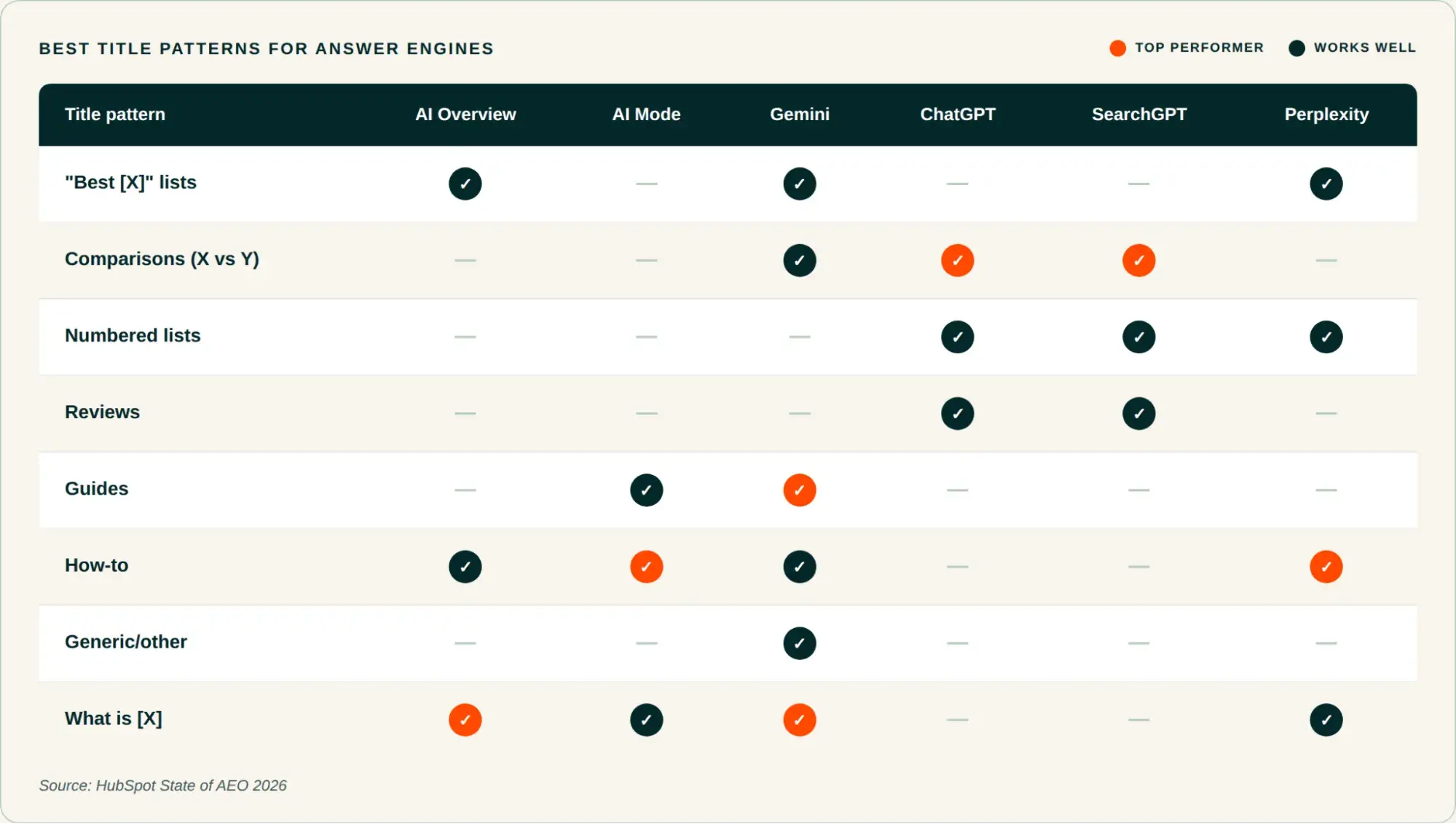
While they differ in their approach—some prioritize real-time web connectivity while others rely on massive training datasets—their shared goal is to eliminate the need for further exploration. For marketers, these engines are black boxes of influence. You cannot "pay" to be the top result in the same way you can with traditional PPC; you must earn your place through Answer Engine Optimization (AEO), ensuring your content is credible, well-sourced, and structured for AI ingestion.

2. AI Site Search: The Ecosystem Retention Tool
If answer engines are the gatekeepers of external discovery, AI site search tools are the gatekeepers of internal retention. Tools like Algolia, Coveo, and Elasticsearch are essential for any organization with a vast library of documentation or a complex e-commerce catalog.
When a visitor arrives on your site, they expect an intelligent, conversational search experience. If your site search is clunky or rigid, the user will quickly abandon your domain to ask an external AI engine for the answer—often resulting in them being steered toward a competitor.
3. AEO (Answer Engine Optimization) Platforms: The New Analytics
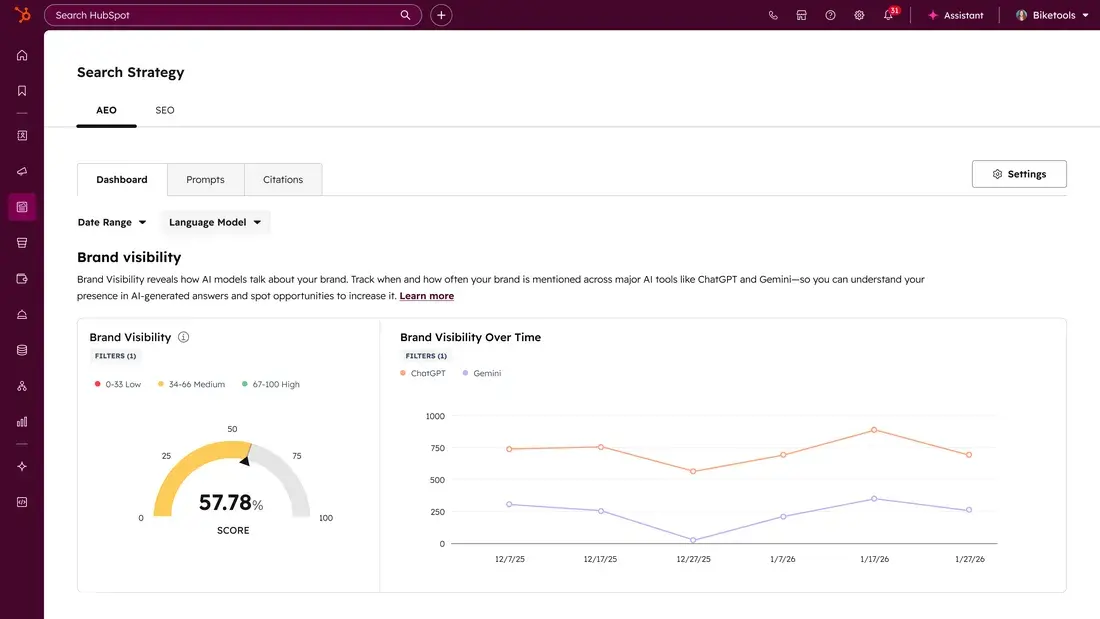
AEO tools are the most critical addition to the modern marketing stack. These platforms monitor the AI ecosystem, tracking how often a brand is cited, how it compares to competitors in AI-generated answers, and what gaps exist in their brand presence.
Strategic Implications: How to Evaluate Your Path Forward
When evaluating which tools to adopt, marketers must avoid the "shiny object" syndrome. The goal is not to use the most popular tool, but the tool that solves your specific business friction.
Key Evaluation Criteria:
- Data Integration: Does the tool pull from your CRM or specific customer data to understand the unique language of your buyers?
- Citation Accuracy: Does the tool prioritize factual, source-backed answers? (As seen with Perplexity’s emphasis on inline citations).
- Actionability: Does the platform offer clear, data-driven recommendations, or just high-level "visibility scores"?
- Ecosystem Compatibility: Can the tool integrate with your existing CMS or Salesforce/SAP environments?
Official Perspectives and Industry Response
Leading voices in the marketing technology space, such as HubSpot, have been vocal about the necessity of this shift. By introducing dedicated AEO tools, they are signaling to the industry that "Search Engine Optimization" is no longer a catch-all term.
Industry analysts emphasize that while AI is evolving, the core of marketing remains unchanged: trust. AI engines value high-quality, authoritative content. The brands that succeed in this new environment are those that prioritize "Answer-First" content strategies—creating resources that are designed to be easily read and synthesized by LLMs.
Navigating the Future: A Tactical Roadmap
The transition to an AI-first search environment can feel overwhelming, but it is manageable if approached in stages:
- Conduct a Diagnostic: Don’t guess where you stand. Utilize free tools like the HubSpot AI Search Grader to get a baseline snapshot of your current visibility across major AI engines.
- Audit Your Site Search: If your website’s internal search is outdated, prioritize an upgrade. Retaining the visitors who have already found you is just as important as attracting new ones.
- Optimize for Synthesis: Adjust your content strategy. Ensure your technical documentation, blog posts, and product pages contain clear, concise summaries that answer common customer questions directly.
- Monitor and Adapt: Use AEO platforms to track your "AI share of voice." Treat AI search rankings with the same rigor you previously applied to Google search rankings.
Conclusion: The Search for Growth
The rise of AI search tools is not the end of marketing; it is the end of the outdated "link-clicking" era. For the proactive marketer, this is a massive opportunity. While many competitors remain frozen in the traditional SEO mindset, those who master the art of being the "cited answer" will gain an outsized share of market attention.
The search for the right tools is over. The challenge now lies in execution. By understanding how to influence, measure, and optimize for the age of the answer engine, brands can ensure they remain the primary source of information in an increasingly automated world.

The question is no longer "Do we rank?" It is "Are we the answer?" The brands that can answer that question with a resounding "Yes" will define the next decade of digital commerce.