
In the era of zero-click searches and AI-driven discovery, the traditional analytics dashboard is becoming an increasingly unreliable narrator. For years, marketing teams have lived and died by traffic metrics—clicks, sessions, and page views. But these metrics only track the users who successfully navigate to your digital doorstep. They fail to account for the buyers who consume your brand’s value through an AI-generated summary, or those who finalize their purchasing decisions after reading a Reddit thread where your brand is conspicuously absent.

This "lost visibility" represents a massive blind spot. To truly understand your market position, you must move beyond traffic and embrace Share of Voice (SoV). By measuring your visibility relative to competitors across the channels where your audience actually researches and decides, you can transform your marketing from a series of disjointed tactics into a cohesive, high-impact strategy.

What Is Share of Voice?
At its core, Share of Voice is a measurement of your brand’s footprint in a market compared to your competitors. Historically, it was the domain of high-budget advertising teams tracking ad spend. Today, however, it has evolved into a far more nuanced and valuable metric. It tracks your presence across the entire spectrum of buyer touchpoints: organic search, AI-powered LLM responses, social media, review platforms, and niche communities.
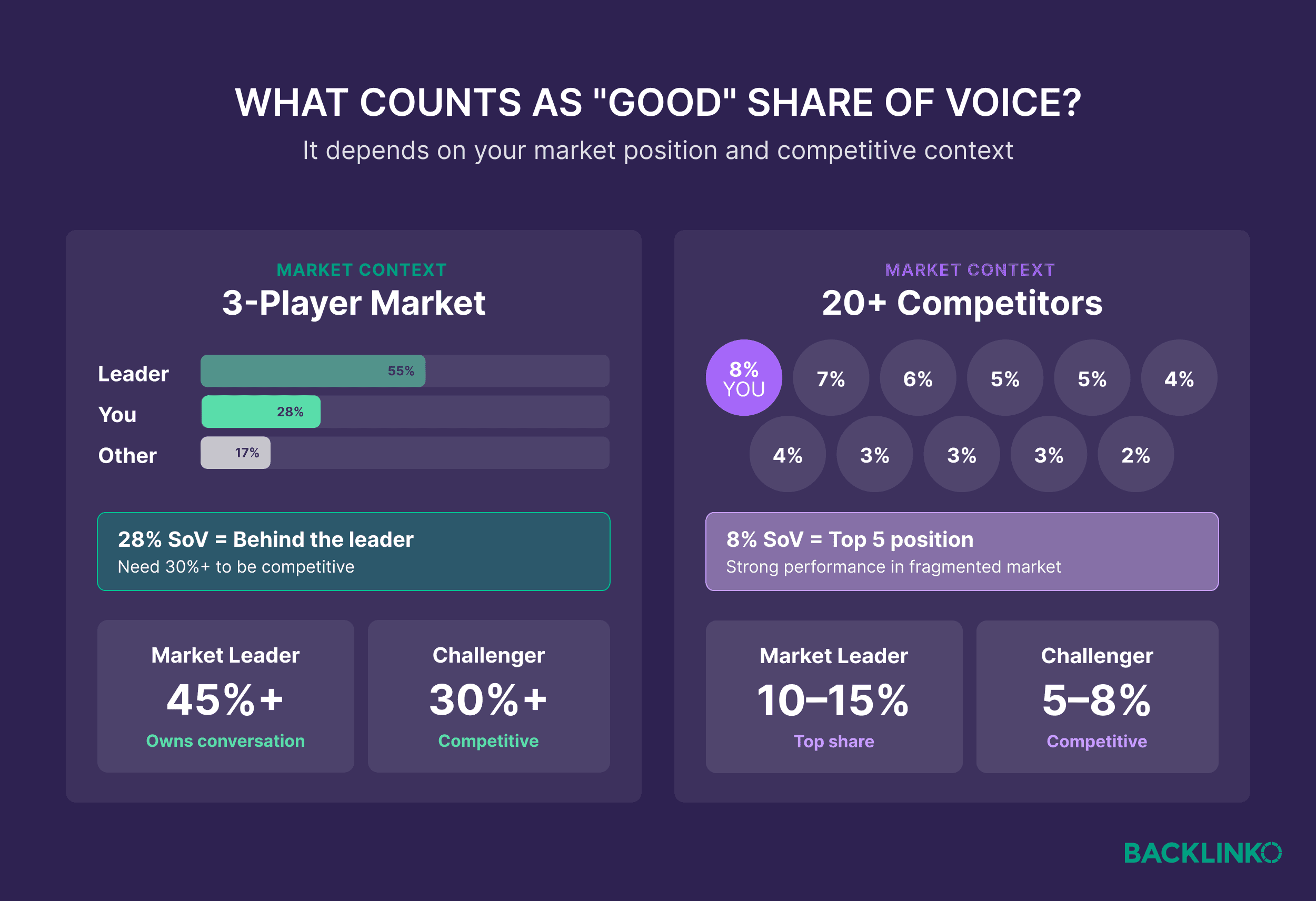
In simple, tactical terms: SoV tells you what percentage of the conversation you own within your category. While SoV can be applied to any channel, this guide focuses on search—both organic and AI—because that is where buyer discovery is shifting most aggressively, and where measurement tools have matured enough to provide truly actionable intelligence.

Why Is SoV Essential Right Now?
Visibility is no longer a linear journey that ends in a website click. As users increasingly rely on AI Overviews and summarized search results, they are finding the answers they need without ever leaving the search engine. Consequently, traditional traffic data has become a lagging indicator. SoV is a leading indicator, measuring how often you appear in the consideration set at the moment a potential buyer is forming an opinion.

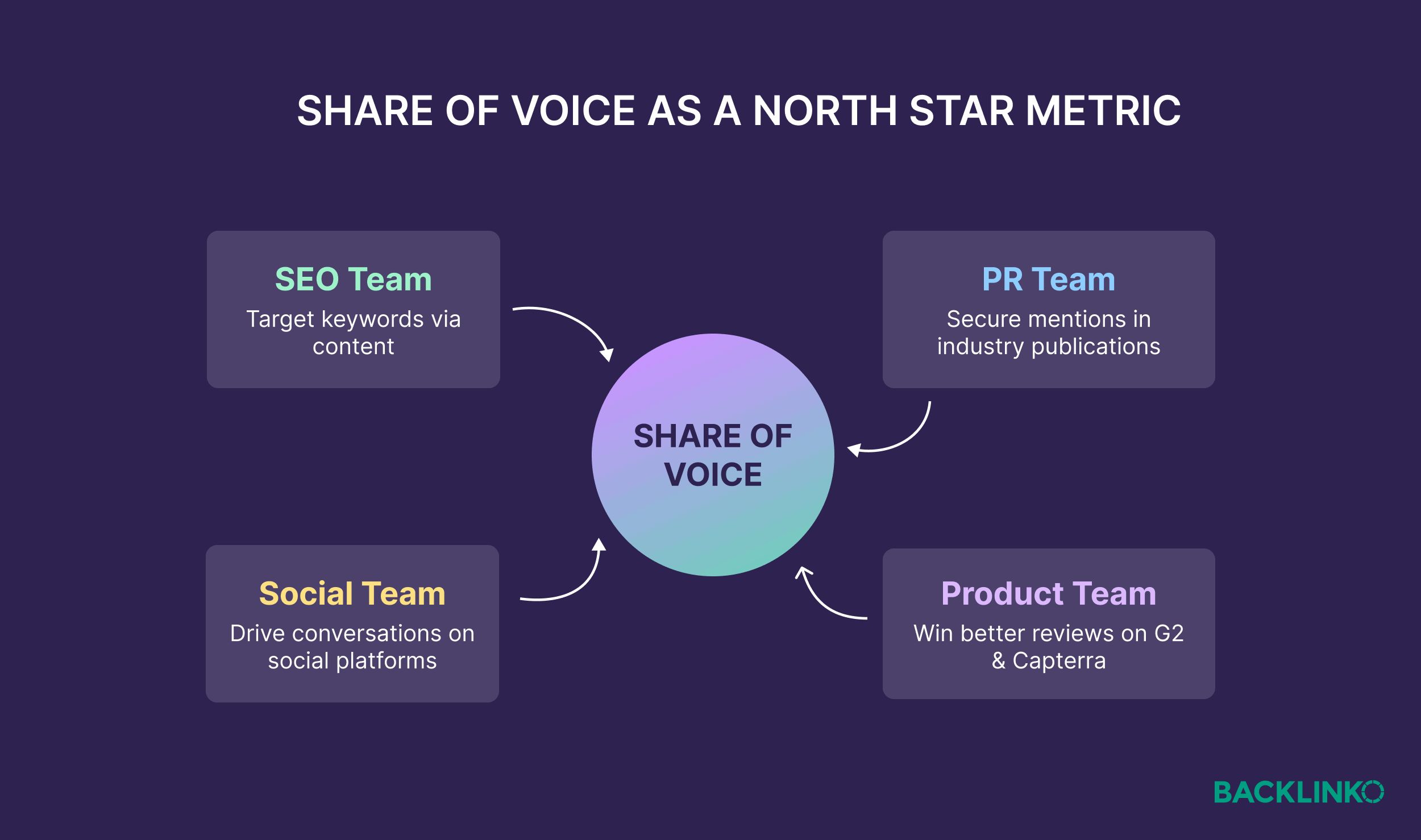
Furthermore, SoV acts as a "North Star" for cross-functional teams. When SEO, PR, and social media departments all operate under their own siloed KPIs, strategy becomes fractured. When these teams rally around a single SoV percentage, they begin to collaborate, understanding that their individual contributions are all part of the same mission to command a larger slice of the market.
How to Measure Share of Voice in 4 Steps
Measuring your SoV requires a shift in mindset from "how many people visited me" to "how many people saw me." Follow these four steps to build a robust, scalable SoV measurement framework.
Step 1: Define Your Industry Landscape
Before you begin, you must define the boundaries of your competitive terrain. If you try to measure your SoV against the entire internet, you will drown in noise. Instead, group your focus into revenue-generating topic clusters.

For a project management software company, these clusters might include:
- Agile Development Workflows
- Task Management Efficiency
- Team Collaboration Tools
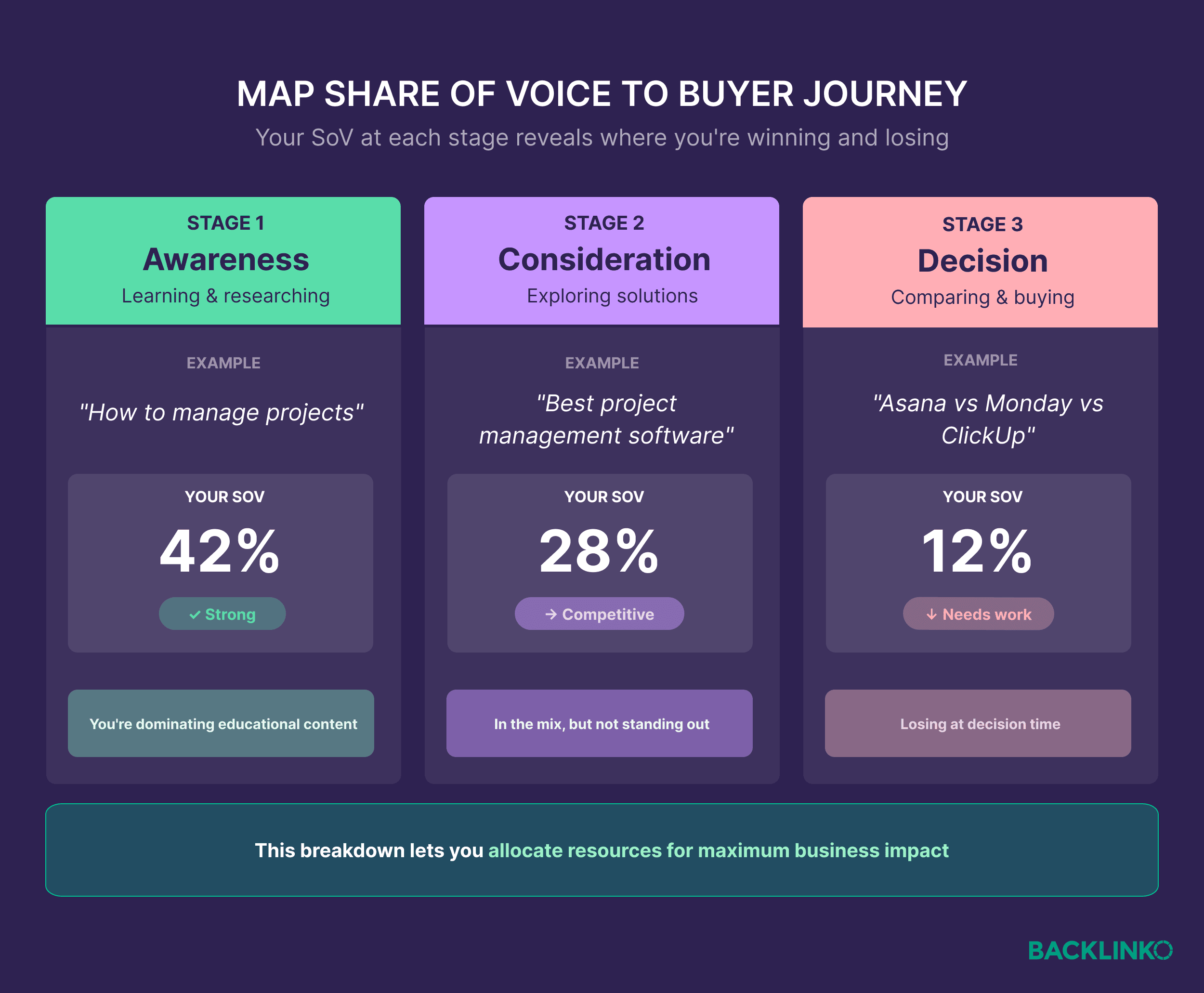
Once you have your clusters, map them to the buyer’s journey: Awareness (learning about problems), Consideration (evaluating potential solutions), and Decision (nearing a purchase). This segmentation allows you to see where you are winning and where you are invisible. For instance, if you have high SoV in "Awareness" but near-zero in "Decision," you are effectively educating the market for your competitors to close the deal.
Step 2: Build Your Keyword & Prompt Libraries
You need a dual-track library that accounts for both human-driven queries and AI-driven prompts.
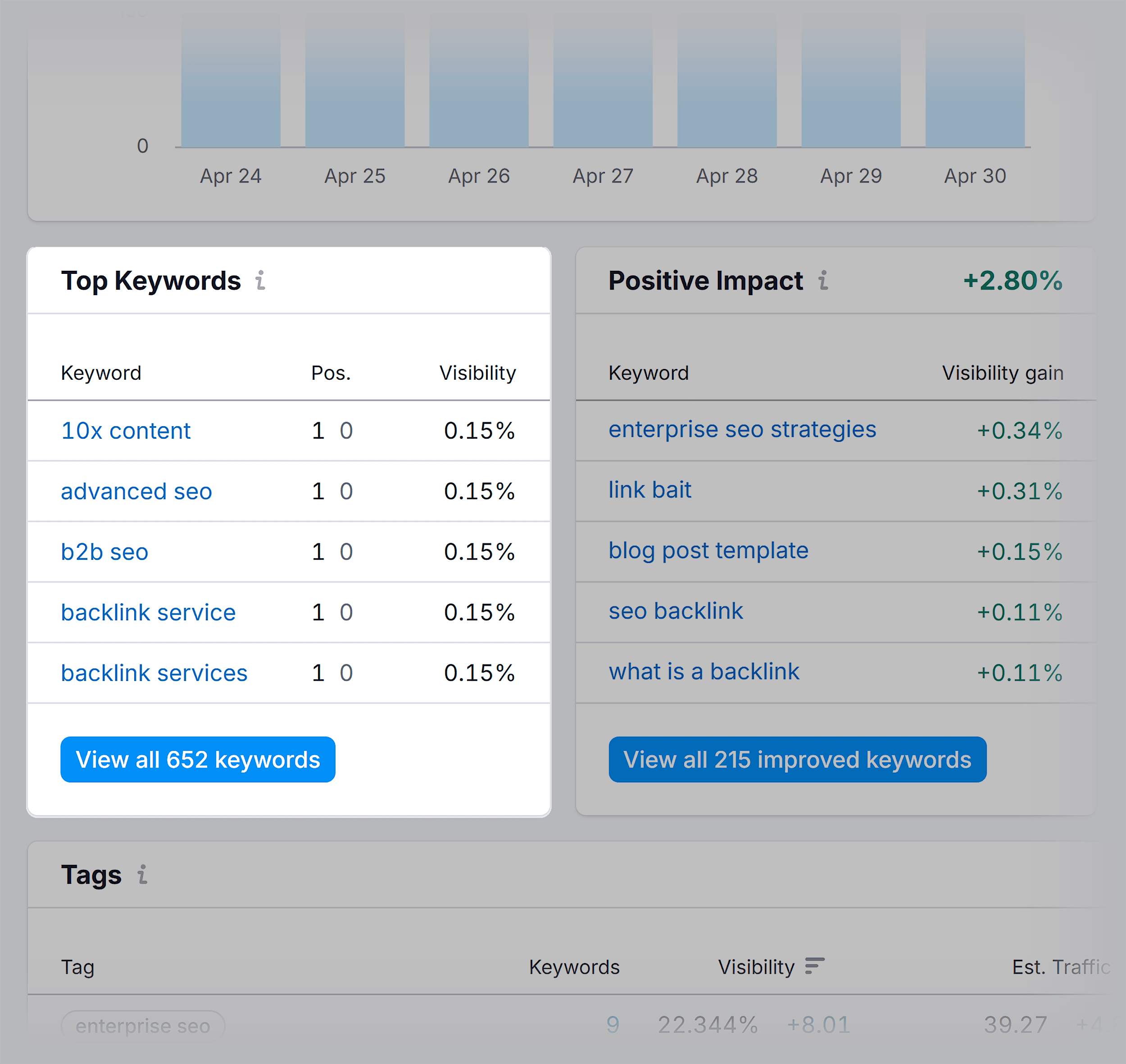
- Pull SEO Data: Use Google Search Console (GSC) to export your "Queries" report. Filter for impressions rather than clicks. This gives you a true picture of where your brand appears in search, regardless of whether the user clicked through.
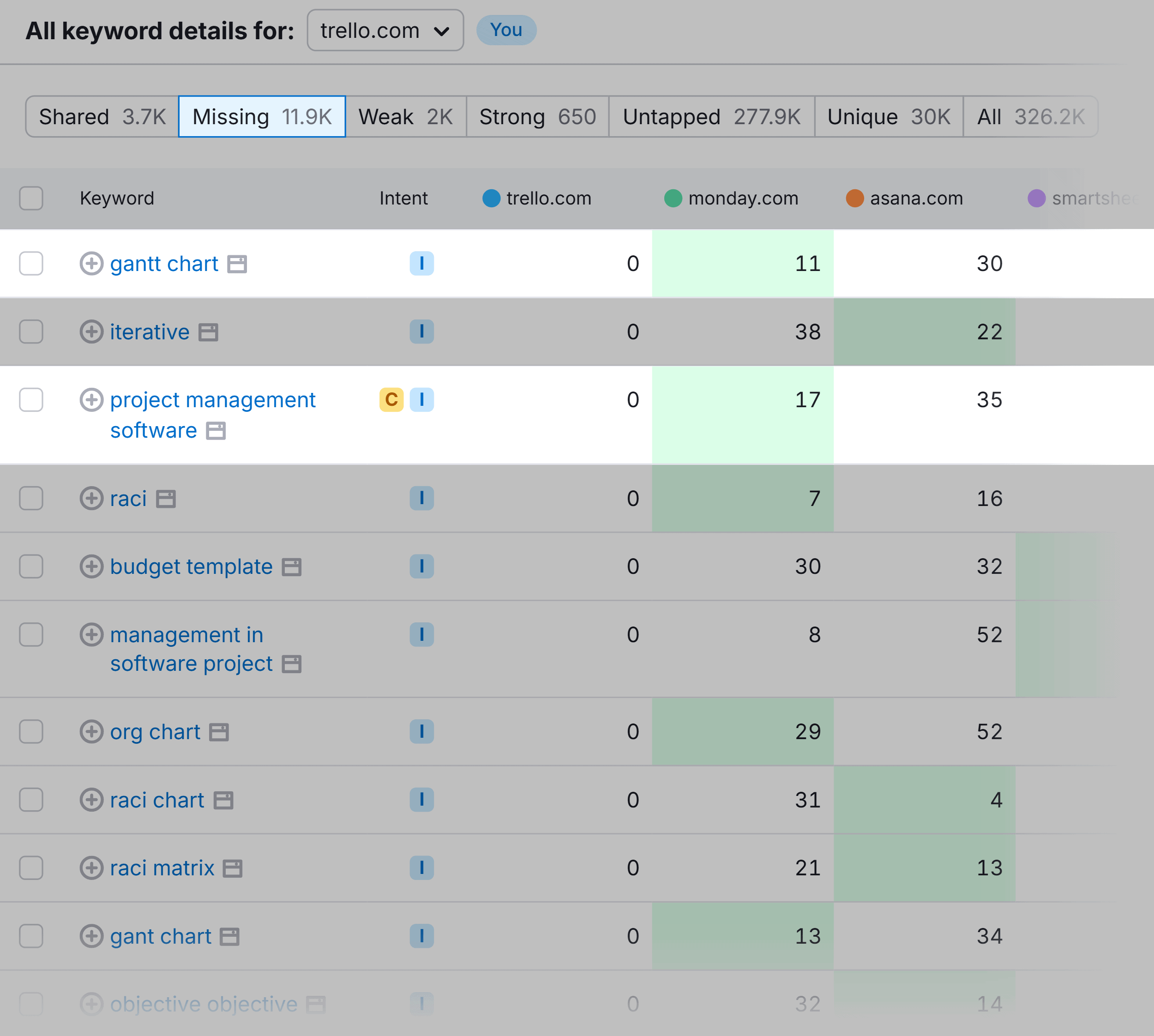
- Layer in Competitor Intelligence: Use tools like Semrush’s Keyword Gap to identify the terms your competitors rank for that you currently miss.
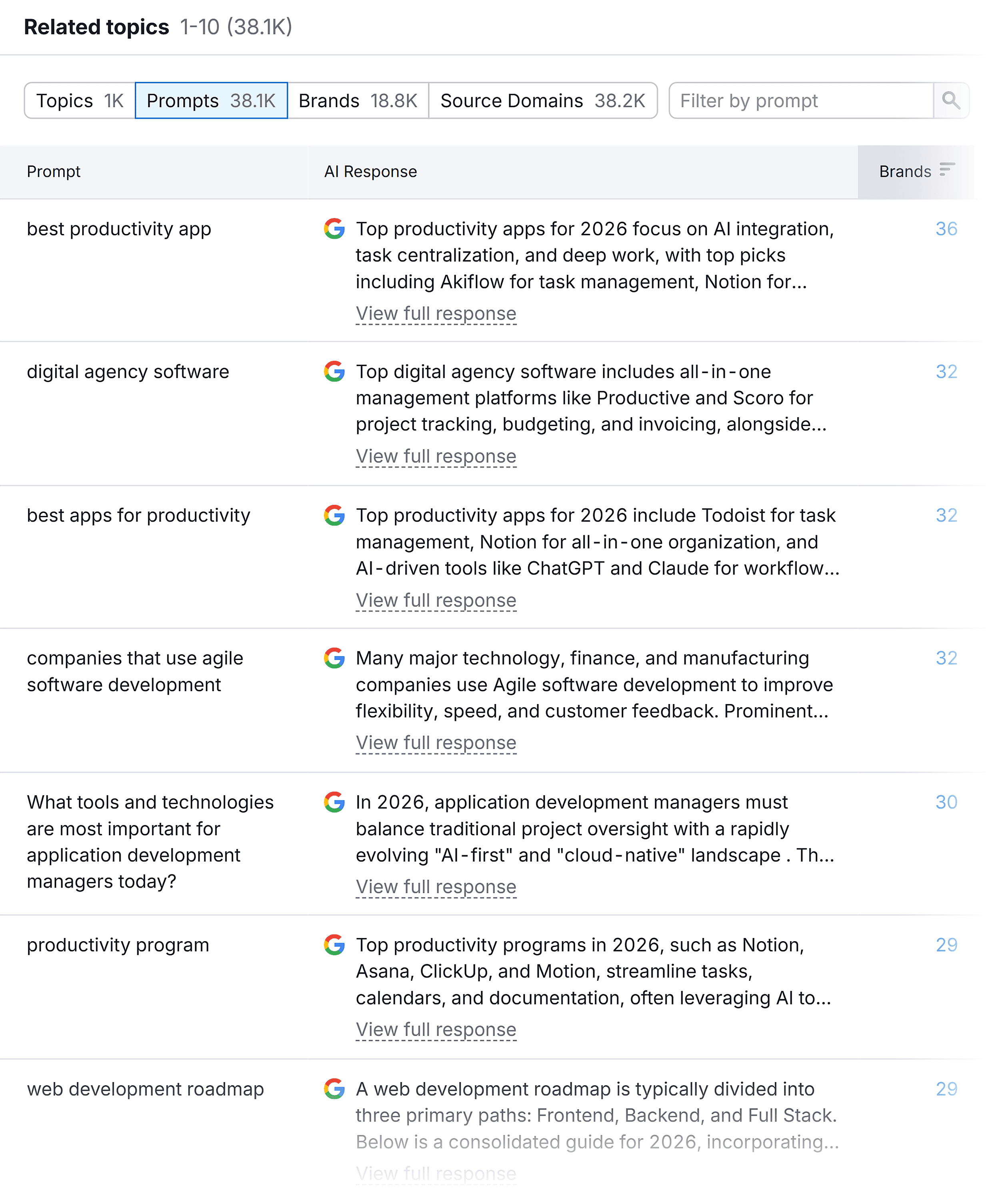
- Build an AI Prompt Library: AI tools are conversational. Visit Reddit, industry-specific Slack channels, and Facebook groups to see how users phrase their pain points. Translate these into prompts like, "What is the most user-friendly project management tool for small creative agencies?"
Step 3: Calculate Your SoV
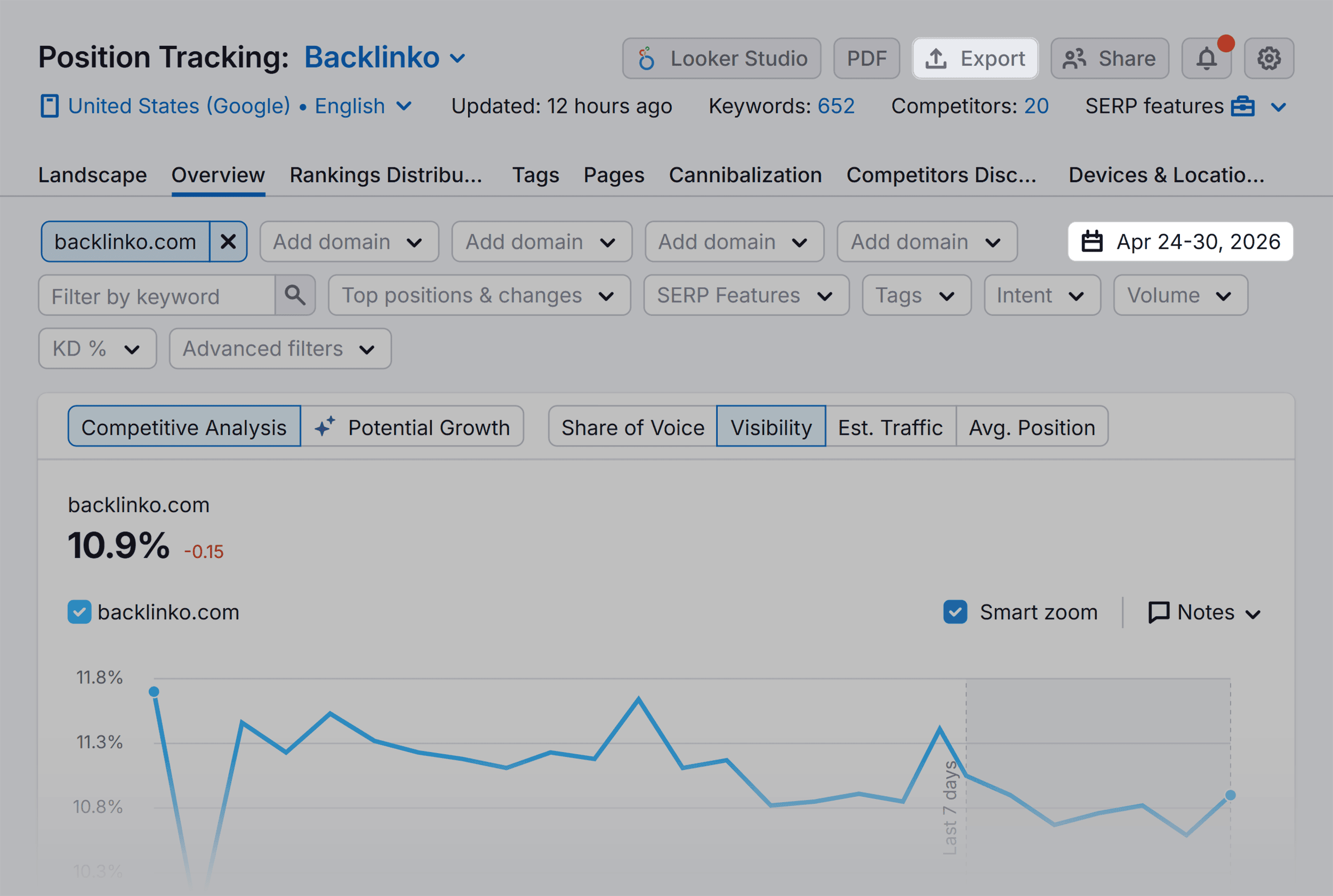
The formula is straightforward: *(Your Estimated Visibility / Total Market Visibility) 100 = SoV.**

- SEO SoV: Calculate the total search volume for your tracked keywords and multiply by the CTR of your average ranking position. Repeat this for your competitors.
- AI SoV: This is a newer discipline. By testing your prompt library across platforms like ChatGPT, Perplexity, and Google AI Mode, you can track how often your brand is mentioned vs. your competitors. While manual tracking is possible for a small batch, enterprise-grade AI Visibility Toolkits are becoming the industry standard for automating this process at scale.
Step 4: Establish Your Baseline and Track Trends
Once you have your data, create a baseline dashboard. Do not overreact to weekly fluctuations; instead, set a monthly cadence for reporting and a quarterly cadence for deep-dive strategy shifts. This prevents you from chasing "vanity" spikes in traffic and helps you focus on long-term market share growth.
Strategic Implications: Closing the Gaps
Once you have your data, you can diagnose where your strategy is failing.

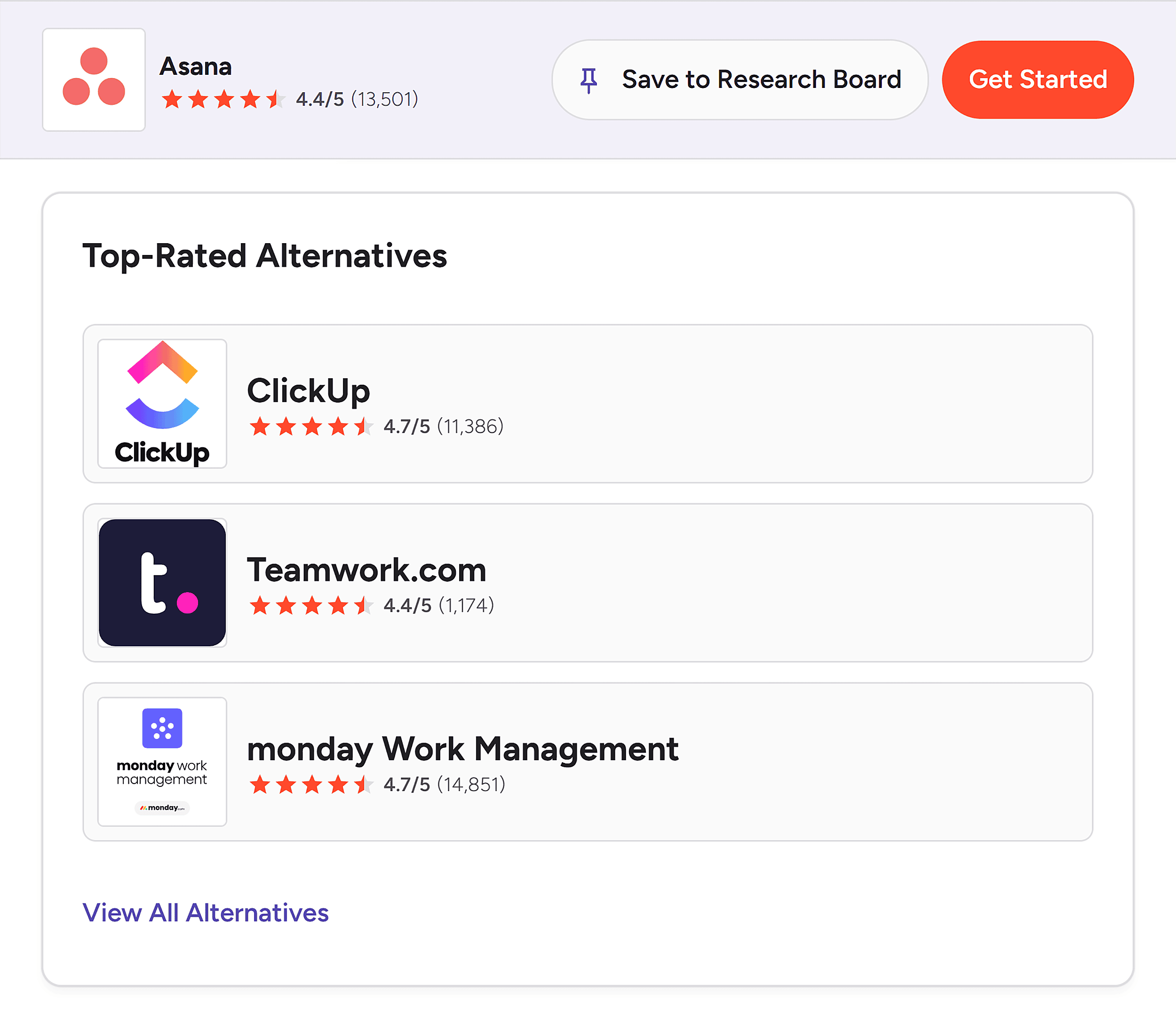
- Close Visibility Gaps: If a cluster shows less than 10% SoV, you are invisible. This is a critical failure at the decision stage. The solution is often creating high-value comparison content ("Your Brand vs. Competitor") to insert yourself into the evaluation phase.
- Solve Efficiency Problems: High SoV in an awareness cluster that doesn’t convert is a waste of budget. Reallocate resources to high-intent, bottom-of-funnel content like case studies and ROI calculators.
- Address Competitive Threats: If a competitor gains 5% SoV in a cluster you previously dominated, it is a signal they are actively poaching your market. Response tactics include optimizing review site profiles (G2, Capterra) and increasing your presence in the community spaces where those buyers hang out.
The Future of Marketing Measurement
In 2026 and beyond, the brands that win will be the ones that understand they are fighting for space in a fragmented digital landscape. Traffic is the byproduct of visibility, but SoV is the cause. By shifting your focus to the percentage of the conversation you own, you align your marketing efforts with the reality of how modern buyers research and purchase.
Start small, build your baseline, and prioritize the gaps that have the highest impact on your revenue. In a world of infinite content, being the brand that shows up—consistently, credibly, and conversationally—is the ultimate competitive advantage.