By Sara Karlovitch | June 4, 2026
The landscape of the modern supermarket is shifting beneath our feet, or more accurately, beneath our grocery carts. As consumer preferences tilt toward more sustainable, animal-free alternatives, the plant-based dairy category is no longer a niche curiosity; it is a burgeoning economic powerhouse. Leading this charge is Violife, a brand under the Flora Food Group umbrella, which has launched a multifaceted campaign titled “Undairy the Craving.” By blending high-touch influencer marketing, AI-driven utility, and aggressive consumer incentives, Violife is attempting to dismantle the final barriers to mass adoption: the perception that dairy-free cannot match the indulgence of the real thing.
The Strategic Imperative: Bridging the Taste Gap
At its core, "Undairy the Craving" is a psychological play as much as a marketing one. For years, the primary objection to vegan cheese has been a perceived lack of "meltability," texture, and flavor profile compared to traditional bovine-derived dairy. Violife’s campaign seeks to normalize their product as a direct, high-performance substitute rather than a "lesser than" alternative.
By focusing on "the craving"—that specific, emotional pull toward a gooey grilled cheese or a creamy pasta sauce—Violife is positioning its portfolio as a solution to a desire, not just a dietary restriction. This shift in narrative is critical for a brand operating in a market projected to reach $9.9 billion by 2033, according to industry estimates, a staggering leap from the $3.5 billion valuation recorded in 2024.
Chronology of the Campaign Launch
The rollout of the "Undairy the Craving" initiative represents a comprehensive masterclass in modern integrated marketing.
- Early Q2 2026: Violife begins internal testing of its AI-driven recipe generator, refining the algorithm to ensure it suggests dishes that specifically highlight the unique properties of their dairy-free shreds and spreads.
- May 2026: The brand formalizes "The Undairy Collective," an elite group of culinary professionals tasked with bringing the products into high-end professional kitchens.
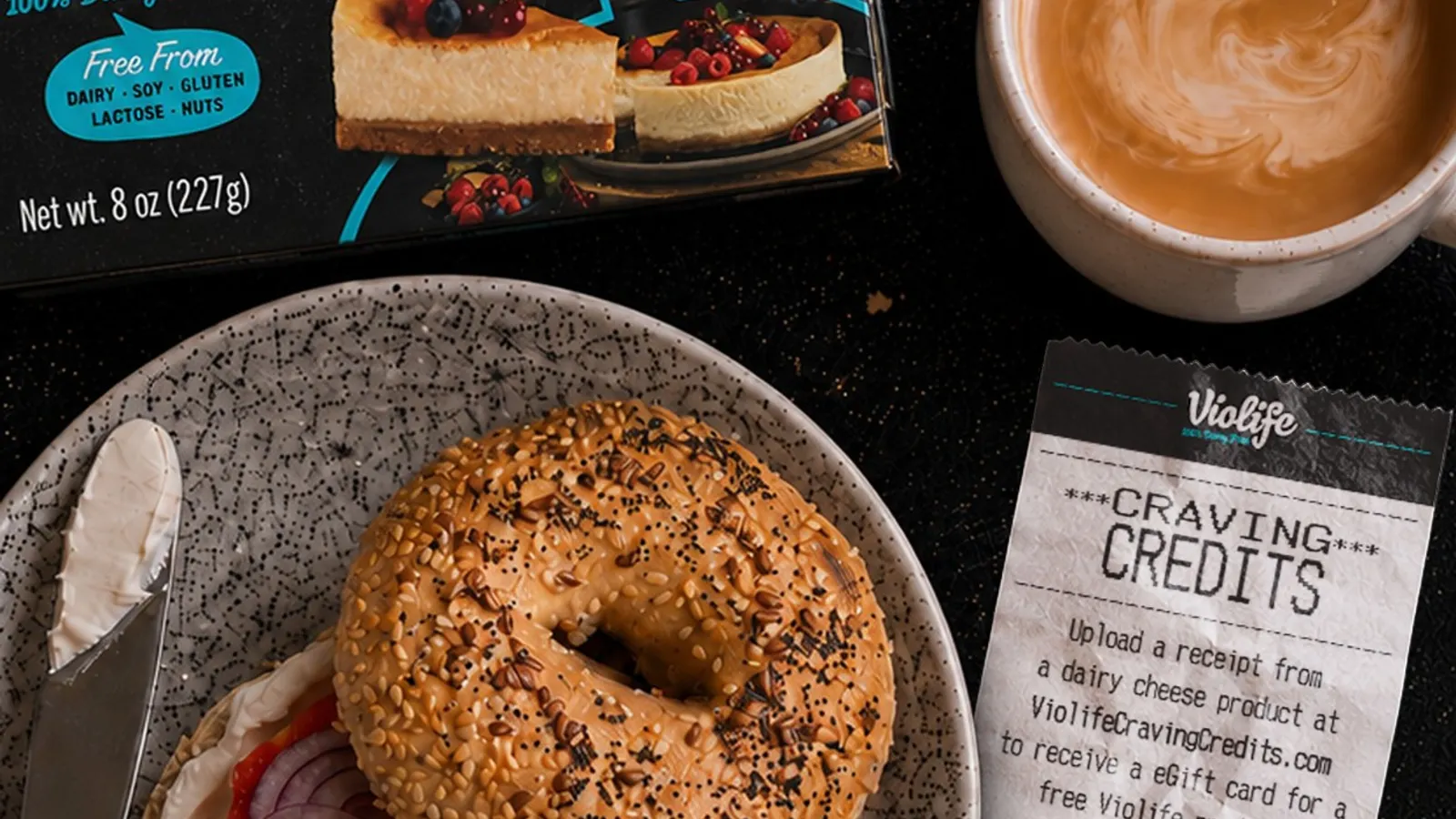
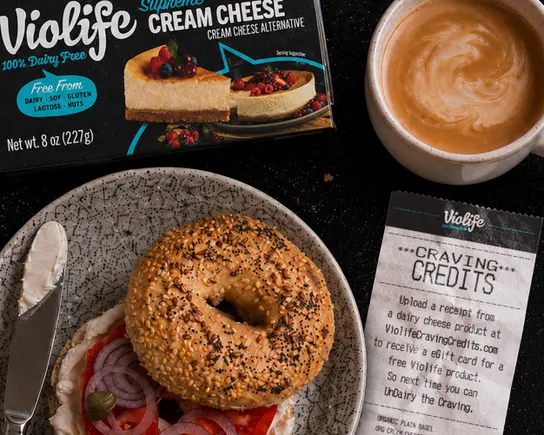
- June 4, 2026: Official launch of the national campaign, featuring the "Craving Credits" receipt-upload program, designed to lower the financial barrier to entry for hesitant shoppers.
- Ongoing (Summer 2026): The brand initiates a series of menu takeovers at major metropolitan restaurants, allowing consumers to experience professional-grade applications of Violife products.
Supporting Data: The Economics of the Plant-Based Shift
The growth of the vegan cheese market is not a product of blind optimism; it is fueled by a convergence of environmental awareness, health consciousness, and improved manufacturing technology.
According to market analysts, the transition from a $3.5 billion industry in 2024 to a projected $9.9 billion by 2033 suggests a compound annual growth rate that significantly outpaces traditional dairy. The "Undairy" campaign arrives at a pivotal moment. With inflationary pressures still weighing on the consumer, the "vegan tax"—the premium price often associated with plant-based alternatives—has been a major deterrent.
Violife’s "Craving Credits" program directly addresses this. By offering a $5.99 e-gift card in exchange for a receipt proving the purchase of traditional dairy cheese, Violife is effectively subsidizing the trial process. This "risk-free" trial model is designed to convert skeptics who are interested in plant-based options but unwilling to gamble their grocery budget on a product they fear they might not enjoy.
The Role of The Undairy Collective
One of the most ambitious aspects of the campaign is the formation of "The Undairy Collective." Rather than relying solely on traditional influencers, Violife has recruited heavy hitters in the culinary world, including:
- Akhtar Nawab: Renowned for his work at Alta Calidad and Wayward Fare.
- Jenner Tomaska: The creative force behind Esme.
- Yara Herrera: A rising star at Hellbender.
These chefs are not merely acting as spokespeople; they are actively integrating Violife into their professional menus and conducting in-person experiences. This serves to "validate" the product in the eyes of the consumer. If a Michelin-recognized chef can create a five-star dish using Violife, the consumer’s internal argument that "vegan cheese is for home-cooking only" is effectively invalidated.

Furthermore, the collaboration with the Culinary Careers Program to establish the "Undairy Grant" ensures a pipeline of talent. By investing in the next generation of chefs, Violife is seeding the market, ensuring that as these culinary students graduate and enter professional kitchens, they will be fluent in the use of plant-based alternatives.
Technological Integration: AI as the Kitchen Sous-Chef
In the digital age, a brand’s value is often determined by the utility it provides. Violife’s AI-powered recipe generator is a sophisticated tool designed to keep the consumer engaged long after the initial purchase. By inputting ingredients they already have on hand, users receive custom recipes that incorporate Violife products.
This mirrors the success of other brands in the food and beverage space. For example, Avocados From Mexico’s "GuacAImole" tool proved that consumers are eager for interactive, personalized digital culinary experiences. By removing the "what do I make with this?" hurdle, Violife increases the frequency of product usage, which is essential for building long-term brand loyalty.
Broader Implications for the Food Industry
The success of this campaign will likely serve as a blueprint for the wider Flora Food Group portfolio. With other household names like Country Crock and "I Can’t Believe It’s Not Butter!" under their banner, the company has a massive opportunity to leverage the lessons learned from the Violife campaign.
1. The Power of the "Trend-Driven" Strategy
The rise of TikTok as a food-trend powerhouse cannot be overstated. From the viral surge of Dubai Chocolate to the massive interest in cottage cheese hacks, social media platforms are now the primary drivers of demand for specific ingredients. Violife’s focus on social-first content—similar to Knorr’s "#UnlockYourGreenFlag" campaign—recognizes that to win the modern shopper, brands must be part of the cultural conversation.

2. The Normalization of Plant-Based Substitutes
We are witnessing a shift from "alternative" to "equal." As more brands successfully market their products as high-performance substitutes, the stigma of "fake food" is fading. The success of the "Undairy" campaign will depend on whether consumers perceive the products as a legitimate improvement to their diet or a compromise.
3. Sustainability and Corporate Responsibility
As Flora Food Group continues to push into the plant-based sector, they are positioning themselves at the forefront of the ESG (Environmental, Social, and Governance) movement. For the modern consumer, purchasing a product like Violife is often viewed as a "vote" for a more sustainable food system. By weaving this mission into a fun, approachable, and high-quality campaign, Violife is capturing both the values and the taste buds of their target demographic.
Conclusion: The Path Forward
The "Undairy the Craving" campaign is an ambitious, well-funded, and strategically sound effort to redefine the role of dairy-free products in the American kitchen. By removing financial risk, leveraging high-level culinary expertise, and utilizing AI to provide ongoing value, Violife is making a compelling case for a transition that many thought would be impossible just a decade ago.
As we look toward 2033, the $9.9 billion market projection seems not just possible, but inevitable. The winners of this new landscape will be the brands that can successfully marry the emotional satisfaction of traditional dairy with the modern, ethical, and environmental expectations of the 21st-century consumer. If the initial launch of the "Undairy" series is any indication, Violife is well-positioned to lead that transformation. Whether at home or in the kitchens of elite chefs, the "undairy" movement is no longer just a trend—it is becoming the new standard.