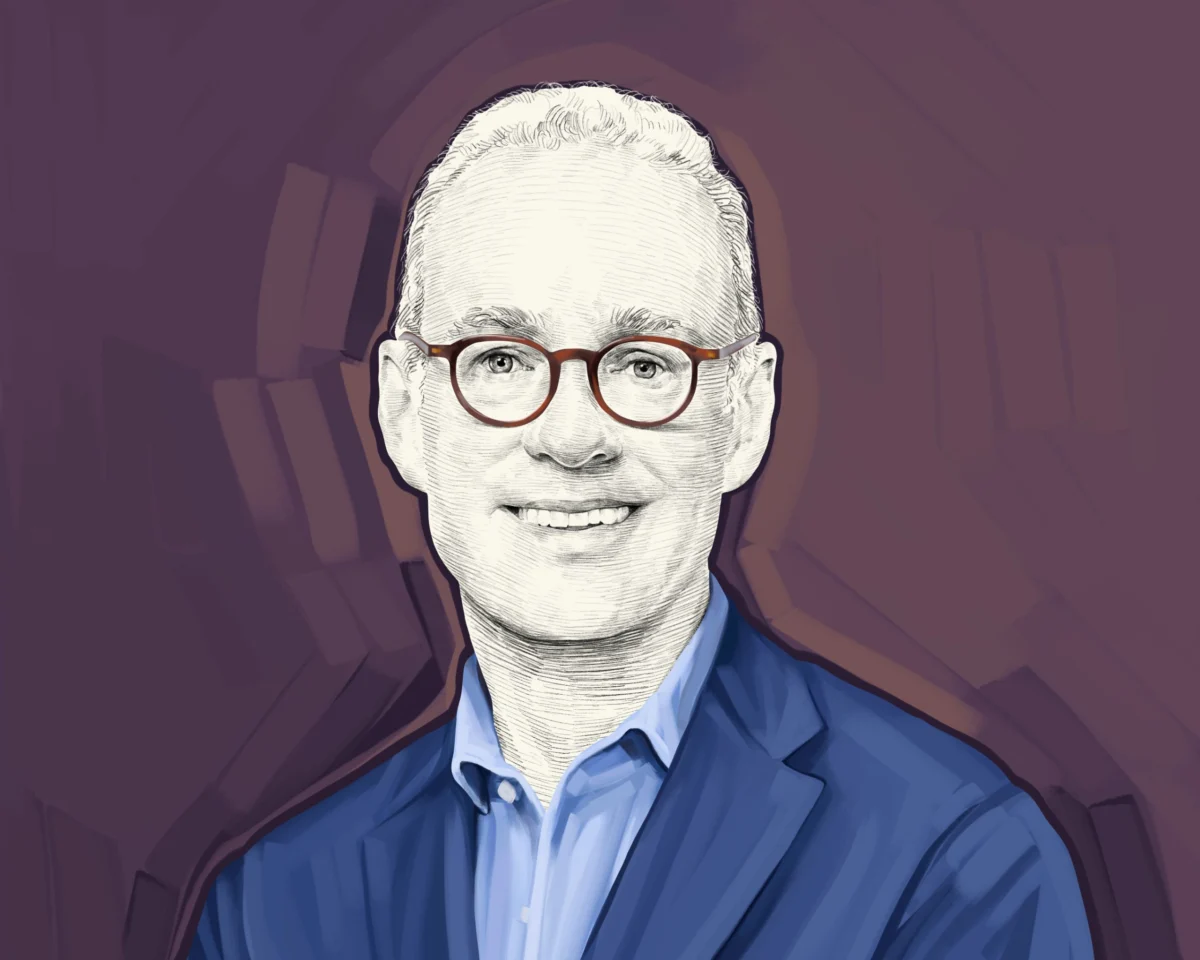
In the hyper-competitive landscape of New York City’s technology sector, few figures command the reverence and influence of Kevin Ryan. Often dubbed the “Godfather of NYC Tech,” Ryan is not merely an investor; he is an institutional architect who has systematically identified, built, and scaled some of the most influential companies of the 21st century. From the digital advertising revolution with DoubleClick to the democratization of information via Business Insider and the foundational data infrastructure of MongoDB, Ryan’s career provides a masterclass in long-term trend spotting and disciplined execution.
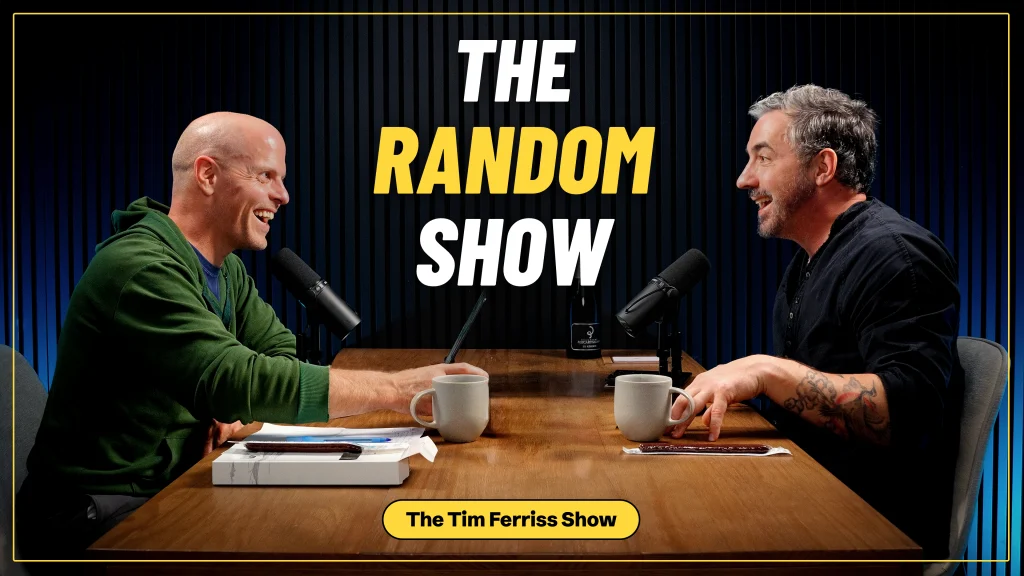
In a recent, expansive appearance on The Tim Ferriss Show, Ryan peeled back the layers of his investment thesis, offering a rare glimpse into the strategic mindset required to build billion-dollar enterprises from the ground up.
The Genesis: From DoubleClick to AlleyCorp
To understand Kevin Ryan’s current investment philosophy, one must examine his early career. Before the rise of the modern Silicon Valley-centric tech ecosystem, Ryan was already navigating the frontier of the internet. His tenure as CEO of DoubleClick stands as a pivotal moment in digital history.
When Ryan joined the startup, it was a modest 20-person outfit. Under his leadership, the company evolved into a publicly traded behemoth with over 1,500 employees, essentially writing the playbook for online advertising. Reflecting on this period, Ryan recounts a telling anecdote about the shortsightedness of legacy corporate structures. He once approached his parent company with a proposal to capture the burgeoning internet market, only to be dismissed by executives waiting for “the next internet.”
“First of all, I know you don’t know what you’re talking about,” Ryan quipped during the interview. “There is no next internet.” This conviction—the ability to identify a paradigm shift before it is widely accepted—has become the hallmark of his career at AlleyCorp, his New York-based venture capital firm.
Chronology of a Tech Titan
Ryan’s professional trajectory is characterized by an uncanny ability to replicate success across disparate verticals. His portfolio includes:
- DoubleClick: Spearheaded the growth of the digital advertising sector, scaling from a small startup to a global public entity.
- MongoDB: Co-founded the company that would become the backbone of modern database management for developers worldwide.
- Business Insider: Disrupted the traditional media landscape by pivoting to a high-velocity, digital-first news model.
- Zola: Leveraged e-commerce innovation to transform the wedding industry.
- Transcend Therapeutics: A foray into the deep-tech and healthcare intersection, focusing on novel medical interventions.
Each of these companies shares a common thread: they were not merely “ideas” but solutions to inefficiencies Ryan identified within 10-year market cycles.
Supporting Data: The Philosophy of “The Second Mouse”
One of the most compelling aspects of Ryan’s investment strategy is his rejection of the “first-mover advantage” myth. While many venture capitalists prioritize being the absolute first to market, Ryan argues for a more nuanced approach, famously noting, “The early bird gets the worm, but the second mouse gets the cheese.”
Focus Over Breadth
Ryan emphasizes the importance of starting narrow. His experience suggests that founders often fail because they attempt to do too much at once. “It’s better to do one thing really well than a bad job on everything,” he explains. This operational discipline is reflected in AlleyCorp’s incubation process, where the focus remains on product-market fit rather than vanity metrics or rapid, unsustainable expansion.
Ignoring the Exit
A recurring theme in Ryan’s discourse is his disdain for focusing on “exits.” In an industry obsessed with IPOs and acquisitions, Ryan maintains that the obsession should be entirely on the product. “If you solve the product problem—if you have a product that everyone wants to use—everything else follows,” he says. By removing the pressure of an immediate exit, founders are empowered to build sustainable, value-driven organizations.
Identifying 10-Year Trends: The Future of Energy and Robotics
Ryan is currently directing his attention toward sectors with massive, inevitable demand—areas where billions of dollars will naturally flow. He contrasts the saturated soft-drink market (where success is a statistical outlier) with the burgeoning fields of energy and robotics.
“There are 164 soft drinks. The odds of you coming up with one that stands out is pretty slim,” he observes. Conversely, he views solar, wind, geothermal, and nuclear energy as sectors where the necessity for scale creates a massive tailwind. He applies the same logic to robotics, viewing these industries as structural shifts rather than transient fads. His investment thesis relies on identifying where the world must go, rather than where it wants to go today.
Implications for Modern Founders
For entrepreneurs watching the current market, Ryan’s insights offer a strategic roadmap. The implications of his philosophy are three-fold:
- Macro-Awareness: Founders must look for long-term technological and societal shifts. If a sector is not undergoing a decade-long transition, the opportunity for a billion-dollar outcome is significantly reduced.
- Execution-First Mindset: The obsession with fundraising and exit strategies is a distraction. Capital should be viewed as a tool to improve the product, not as a badge of success.
- The Advantage of the “Second Mouse”: It is often wiser to wait until a market is proven and then iterate on the existing solution with superior execution, rather than burning capital trying to create a category that may not yet have a market.
Expert Perspectives and Industry Standing
Industry observers often point to the “AlleyCorp effect” as a stabilizing force in the New York tech scene. By incubating companies rather than just writing checks, Ryan provides founders with the institutional knowledge of a seasoned operator. This approach bridges the gap between the chaotic “move fast and break things” era of the 2000s and the more disciplined, metrics-driven approach required in the current high-interest-rate environment.
Marc Andreessen, who has also discussed these themes, aligns with Ryan’s perspective on betting for change. Both men agree that the most lucrative opportunities lie in the friction between existing, outdated infrastructure and the inevitable march of technology.
Conclusion: The Long View
Kevin Ryan’s influence on the venture capital landscape is defined by his consistency. He does not chase the latest hype cycle; instead, he watches the horizon for trends that take years to develop. His success with DoubleClick, MongoDB, and beyond proves that his methodology—focused on product, disciplined execution, and long-term vision—is not just an outlier success story, but a repeatable process.
As he continues to build through AlleyCorp, Ryan remains a testament to the idea that the greatest companies are not built by those who are the loudest, but by those who are the most patient. In an era of infinite noise, the “Godfather of NYC Tech” remains focused on the quiet, rigorous work of building the future, one product at a time.
For those interested in exploring these concepts further, the full conversation with Kevin Ryan is available on The Tim Ferriss Show via all major podcast platforms, including Apple Podcasts, Spotify, and YouTube Music.