By Pradershika Sharma | October 23, 2026
For the modern traveler, the dream of a "work from anywhere" lifestyle is often interrupted by a singular, frustrating reality: unreliable internet. Whether you are battling the restrictive captive portals of a high-end hotel, the throttled speeds of an Airbnb, or the inherent security risks of an open airport network, the struggle to stay connected is real.
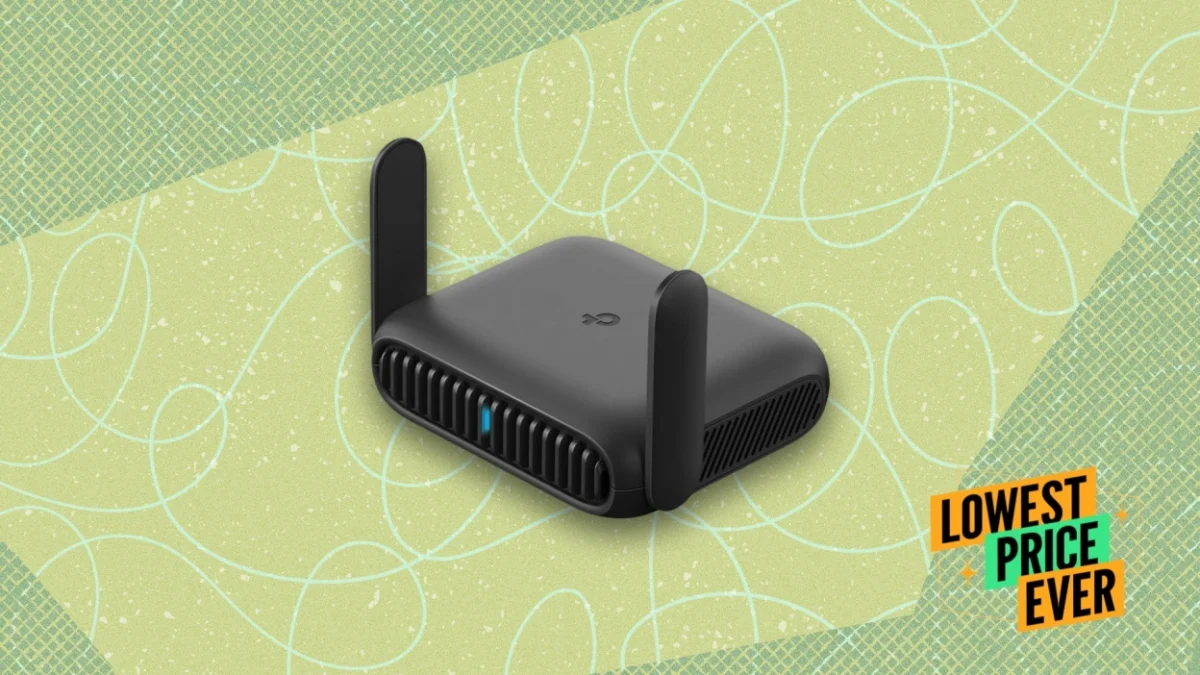
As of October 23, 2026, tech enthusiasts and frequent flyers have a prime opportunity to upgrade their travel arsenal. The TP-Link Roam 6, a powerhouse in the portable networking space, has hit its lowest recorded price point on Amazon. This sale presents a critical juncture for digital nomads, business travelers, and families who require a secure, centralized way to manage their devices on the road.
Main Facts: The Current Deal Breakdown
The TP-Link Roam 6 is currently available in two distinct configurations, both of which are seeing significant price reductions. Price-tracking data confirms that these are currently at their historical lows, making it an ideal time to invest.
- The AX3000 Variant: Originally retailing at $79.98, this premium model is now available for $69.99. It serves as the top-tier choice for power users, offering superior speeds and handling capacity.
- The AX1500 Variant: Designed for efficiency and portability, this model has dropped from $59.99 to $44.99. It remains the most cost-effective solution for solo travelers who prioritize a "set it and forget it" experience.
Both routers share a core mission: to transform fragmented, insecure public Wi-Fi environments into a single, private, and secure local area network (LAN) for all your devices.
Chronology: The Evolution of Travel Networking
To understand why a dedicated travel router is suddenly a "must-have" accessory, one must look at the trajectory of mobile connectivity over the last decade.
The Early Era: Tethering and Hotspots (2015–2019)
In the mid-2010s, travelers relied heavily on cellular hotspots or the basic tethering capabilities of their smartphones. While functional for checking emails, these solutions were limited by data caps, battery drain, and the inability to easily connect multiple devices like smart TVs, laptops, and tablets simultaneously.
The Security Wake-up Call (2020–2023)
As remote work became the global standard, the vulnerabilities of public Wi-Fi came into sharp focus. The realization that "free" hotel Wi-Fi was often an unsecured gateway for data snooping led to a surge in VPN adoption. However, installing VPN software on every individual device proved cumbersome and often incompatible with non-PC hardware like streaming sticks.
The Rise of the Travel Router (2024–Present)
The current generation of hardware, exemplified by the TP-Link Roam 6, bridges the gap. By acting as a "middleman" between the hotel’s modem and your personal electronics, the router handles the authentication process once. Every subsequent device connects to your personal, encrypted network, significantly reducing the "handshake" process with public infrastructure.
Supporting Data: AX3000 vs. AX1500
The decision between the two models depends largely on your digital footprint. Here is a technical breakdown of how these units compare under pressure.
Capacity and Throughput
The AX3000 is a workhorse. With 2,402Mbps on the 5GHz band and 574Mbps on the 2.4GHz band, it is built for users who stream 4K content, engage in high-fidelity video conferencing, or manage large cloud-based file transfers. It supports up to 80 simultaneous connections, making it an excellent choice for a family of four or a small group of colleagues traveling together.

In contrast, the AX1500 offers 1,201Mbps on the 5GHz band and 300Mbps on the 2.4GHz band. While these speeds are significantly lower than its sibling, they are more than sufficient for standard web browsing, email management, and streaming HD video. It supports up to 60 connections—more than enough for the average solo traveler’s array of gadgets.
Advanced Connectivity
The AX3000 boasts a 2.5Gbps WAN port, a massive upgrade for those who occasionally find themselves in environments with high-speed wired backhauls. It also includes USB 3.0 functionality, allowing users to tether their smartphones for cellular backup or share files locally via a connected drive. The AX1500 maintains standard Gigabit Ethernet and core USB tethering, ensuring it remains highly capable without the "overkill" specifications of the higher-end model.
Implications: Privacy, Security, and Ease of Use
The primary implication of using a travel router is the shift in power from the network provider back to the user.
The "Single-Sign-On" Advantage
Most hotel Wi-Fi systems require a login through a browser-based captive portal. On a standard laptop, this is a minor annoyance; on a smart TV or a printer, it is often impossible. With the TP-Link Roam 6, you log in once via the router’s interface. Every device connected to the router is immediately "authorized," saving you the headache of re-authenticating every time you enter your room.
Hardened Privacy with VPN Integration
Security is the most significant benefit. Both the AX3000 and AX1500 feature native support for OpenVPN and WireGuard. By running a VPN client at the router level, your entire network traffic is encrypted before it ever leaves the room. This protects your data from being intercepted on the hotel’s local network and bypasses geo-restrictions, ensuring that your digital footprint remains consistent whether you are in a hotel in Mumbai, a villa in Tuscany, or a coffee shop in New York.
Official Perspective and Future Outlook
While manufacturers like TP-Link have not issued a formal "end-of-life" warning for these models, the current deep discounting is a classic industry signal that newer iterations may be on the horizon. However, for the average consumer, this is irrelevant. The technology provided by the Roam 6 series—Wi-Fi 6, robust encryption protocols, and versatile tethering—is at the "sweet spot" of current networking standards.
The tech industry continues to push toward faster, more efficient wireless protocols, but the bottleneck for most travelers remains the external connection. No router, regardless of how advanced, can "fix" a throttled or broken hotel internet connection. However, by optimizing how that connection is distributed, the TP-Link Roam 6 ensures that you are getting the absolute maximum performance out of whatever signal is available.
Final Verdict: Which One Should You Buy?
Choosing between these two deals is straightforward:
- Buy the AX3000 if: You travel with three or more devices, work remotely where stable video conferencing is mission-critical, or value the future-proofing of a 2.5Gbps port. The extra $25 is a modest investment for the peace of mind and performance headroom it provides.
- Buy the AX1500 if: You are a minimalist traveler who values space and weight. If your primary goal is to get your laptop and phone online securely without the complexity of managing a heavy-duty router, the AX1500 is the most logical and economical choice.
As we move deeper into late 2026, the reliance on stable, secure connectivity will only grow. By securing a high-quality travel router now, you are not just buying a piece of hardware; you are investing in a more reliable, private, and efficient digital life while on the move.
Note: As with all consumer tech, pricing and availability are subject to change. These deals are currently being tracked by our commerce team, and we advise interested parties to act quickly to secure these prices.