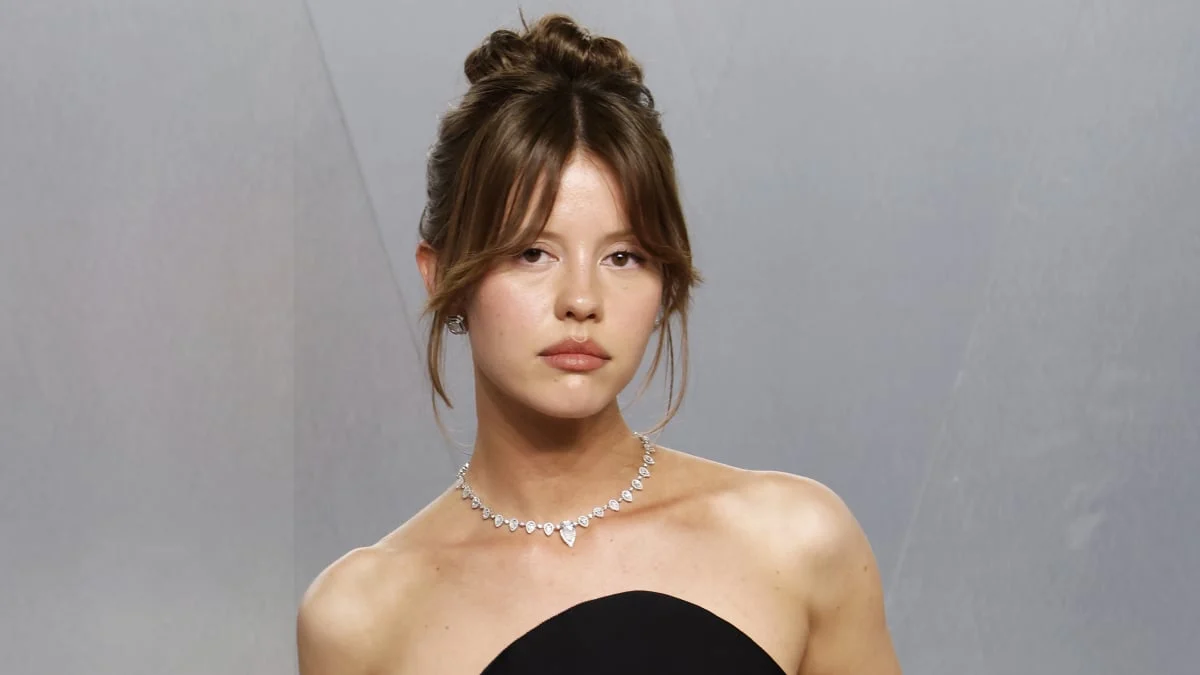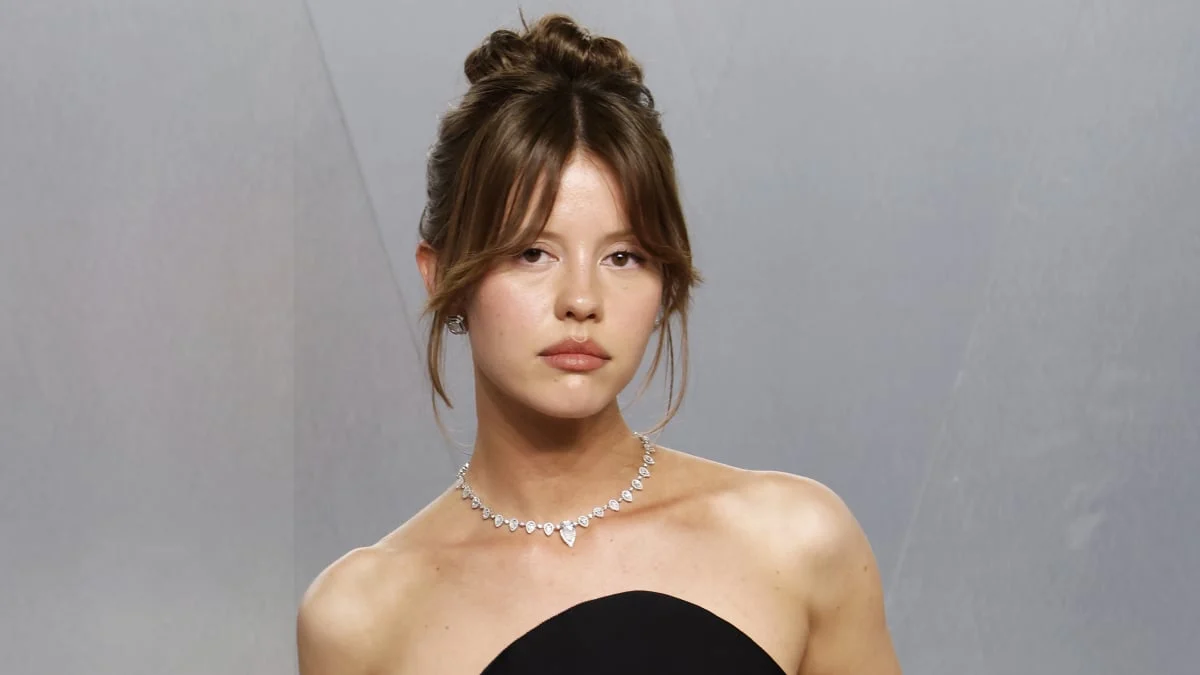
In an era where the boundary between authentic human experience and digital fabrication is rapidly dissolving, the weaponization of artificial intelligence against public figures has reached a fever pitch. Recent events involving actress Mia Goth serve as a stark reminder of the vulnerability of celebrities in the age of generative AI, where a single, synthetic image can trigger a global news cycle based on events that never occurred.
The Mia Goth Incident: A Manufactured Narrative
The controversy began shortly after news broke that Pearl and MaXXXine star Mia Goth had filed for divorce from actor Shia LaBeouf. Within days, an Instagram post appeared on a verified fan account, @miagoth_, featuring a high-definition photograph of Goth wearing a provocative T-shirt emblazoned with the words: "MY EX IS MY BIGGEST FAN." The post was strategically soundtracked to Beyoncé’s "Single Ladies (Put a Ring on It)," creating a viral narrative that framed the actress as gloating over her recent split.
The image gained immediate traction, with several reputable media outlets, including People, reporting on the post as a candid, real-world fashion choice by the actress. However, the narrative collapsed when Goth’s legal and public relations team intervened. They confirmed not only that the image was a sophisticated AI forgery but that Goth maintains no personal social media presence whatsoever. The confusion highlighted a systemic failure in digital verification: how a fan account, which masquerades as an official representative, managed to secure the "verified" blue checkmark from Meta, effectively granting it a stamp of legitimacy that tricked both the public and the press.
Chronology of a Digital Impersonation
The lifecycle of this misinformation reveals the speed at which AI-driven content can manipulate public perception:
- The Filing: Reports of Mia Goth’s divorce filing hit the mainstream media.
- The Fabrication: The @miagoth_ account generates and publishes a synthetic image of the actress wearing the "MY EX IS MY BIGGEST FAN" shirt.
- The Spread: Due to the account’s verified status, news outlets treat the image as authentic, publishing articles documenting her supposed "breakup style."
- The Correction: Representatives for Goth issue a formal denial, revealing the image is AI-generated and reiterating that the actress does not use social media.
- The Remediation: After sustained pressure and complaints filed by Goth’s team, the offending account is finally removed by Meta for impersonating a public figure.
The Ecosystem of Synthetic Exploitation
The Goth incident is far from an isolated anomaly; it is a symptom of a burgeoning shadow industry. A March investigation by Indicator uncovered a network of AI-generated "influencer" accounts—collectively boasting over a million followers—that exist solely to fabricate interactions with celebrities. These accounts frequently generate synthetic images of stars like Dwayne "The Rock" Johnson and John Cena in compromising or mundane situations, often using these fabricated encounters to funnel traffic toward Fanvue profiles, where users are encouraged to purchase access to synthetic adult content.
The theft of likeness is increasingly paired with the theft of intellectual property. Comedians and performers have reported that their jokes, stage personas, and even their physical likenesses are being scraped and repurposed to create "AI models" that are then used to sell content or build illicit followings. As Sarah Purdum and other creators have noted, the gendered nature of this exploitation is acute, with women’s material frequently being repackaged for the benefit of predatory AI-generated "sexy" models.
High-Stakes Consequences: Misinformation and Political Fallout
The dangers of AI impersonation extend beyond the tabloid curiosity of a celebrity’s breakup. The potential for these tools to destabilize the political landscape and erode public trust is immense.
In January 2024, the internet was flooded with nonconsensual, sexually explicit AI-generated images of Taylor Swift. The incident prompted an immediate and scathing condemnation from SAG-AFTRA, which labeled the imagery "upsetting, harmful, and deeply concerning." Swift herself has become a central figure in the fight against deepfakes, publicly citing a separate fabrication—in which AI was used to falsely depict her endorsing Donald Trump—as a primary driver behind her decision to openly endorse Kamala Harris. "It really conjured up my fears around AI, and the dangers of spreading misinformation," Swift stated, emphasizing that the threat to her reputation was a catalyst for her political engagement.
Similarly, in 2025, actress Scarlett Johansson found herself at the center of a controversy when an AI-generated video depicted her and other Jewish celebrities protesting against Ye (Kanye West). While Johansson has been vocal about her opposition to antisemitism, she strongly objected to being inserted into a video she never participated in, stating, "We must call out the misuse of AI, no matter its messaging, or we risk losing a hold on reality."
The issue has even touched the deceased. Zelda Williams, daughter of the late Robin Williams, has spent the latter part of 2025 pleading with the public to stop creating and sharing AI-generated recreations of her father, noting that such digital necromancy is fundamentally against his wishes and serves only to commodify his memory.
Meta’s Regulatory Stance and the "AI Info" Label
The response from platforms like Instagram and Facebook remains a point of intense contention. Meta’s current policy is largely reactive rather than proactive. The company generally permits the existence of manipulated content, provided it does not violate specific community standards regarding bullying, harassment, or non-consensual sexual content.
Meta has implemented "AI info" labels to provide context for users, but these labels are plagued by technical inconsistencies. The company has admitted that its detection systems are not foolproof, acknowledging that invisible watermarks and metadata used to identify AI can be stripped by bad actors. Furthermore, Meta’s decision to move labels for AI-edited content into sub-menus—while keeping them visible for fully generated content—has been criticized for obscuring the truth from the average user.
The Road Ahead: Protecting Identity in the Digital Age
The representative for Mia Goth, Christine Tripicchio, encapsulated the frustration of many public figures when she questioned the integrity of the verification process. "The fact that this fan account meets Instagram’s criteria to qualify for a ‘blue check’ is disconcerting on a fundamental level," Tripicchio noted. "It is incomprehensible that Instagram evidently prioritizes the dissemination of forged and manipulated images over the protection and integrity of a public figure’s likeness."
As the technology behind generative AI continues to accelerate, the legal and ethical frameworks currently in place are proving woefully inadequate. The burden of policing these platforms currently falls on the victims of the impersonation, who must play a constant game of "whack-a-mole" against thousands of anonymous, automated accounts.
For celebrities, the battle is not just about protecting their brands; it is about protecting the sanctity of their own voices and experiences. Until platforms adopt more stringent verification requirements and implement proactive, real-time detection for non-consensual synthetic media, the "reality" seen on our screens will remain increasingly malleable, dangerous, and entirely, tragically, fake. The shift from a world where "seeing is believing" to one where "seeing is doubting" is now complete, and the cost of this transition is being paid by the people whose images are being stolen one pixel at a time.