A stroke is not merely a medical event; it is a neurological emergency that functions as a race against biological decay. Defined as the sudden interruption of blood flow to the brain—either through an obstruction or a rupture—a stroke represents one of the most time-sensitive challenges in modern medicine. Because the brain relies exclusively on a constant, uninterrupted supply of oxygen and glucose to facilitate neural activity, the cessation of blood flow triggers a catastrophic cascade of cellular failure that begins within mere minutes.
In the medical community, the phrase "Time is Brain" is not just a clinical mantra; it is a mathematical reality. Every second that passes without intervention results in the death of millions of neurons, turning the first few hours of a stroke into the most decisive period for a patient’s long-term quality of life.
The Anatomy of a Stroke: Ischemic vs. Hemorrhagic
To understand the urgency of a stroke, one must first distinguish between its two primary forms. While the clinical result—damage to brain tissue—is identical, the underlying mechanics differ significantly, requiring vastly different therapeutic approaches.
Ischemic Strokes: The Blockade
An ischemic stroke occurs when an artery supplying the brain becomes blocked, typically by a blood clot (thrombus or embolus). This blockage creates an immediate "oxygen famine." Deprived of the energy required to maintain cellular homeostasis, brain cells begin to shift their chemical composition, accumulating toxic metabolic byproducts that further accelerate structural deterioration.
Crucially, the damage is not uniform. The area of the brain directly deprived of blood, known as the "core," suffers rapid, irreversible necrosis. However, surrounding this core is a vulnerable region called the ischemic penumbra. Cells in the penumbra are under severe stress but remain viable for a limited window. If blood flow is restored promptly, this tissue can be salvaged, preventing permanent neurological deficit.

Hemorrhagic Strokes: The Rupture
Conversely, a hemorrhagic stroke is caused by a ruptured blood vessel. Instead of a lack of blood, the problem is the presence of blood where it does not belong—within the delicate brain parenchyma. This leakage causes two-fold damage: it physically disrupts and kills brain cells, and it creates a mass effect that increases intracranial pressure, potentially interfering with the circulation of cerebral spinal fluid and further starving healthy tissue of oxygen.
Chronology of Crisis: Why Every Minute Counts
The biological clock of a stroke victim is relentless. Research indicates that once blood flow is interrupted, neurons begin to undergo irreversible damage within three to five minutes. The scale of loss is staggering: with each passing minute, approximately 1.9 million neurons die. That equates to roughly 32,000 neurons per second.
The Critical Windows of Intervention
- 0–4.5 Hours: This is the "Golden Window" for intravenous thrombolysis. Patients presenting within this timeframe may be eligible for "clot-busting" drugs designed to dissolve the obstruction and restore perfusion to the ischemic penumbra.
- Up to 24 Hours: For patients with large vessel occlusions, mechanical thrombectomy—a procedure where a neuro-interventionalist uses specialized catheters to physically extract the clot—can be performed up to 24 hours after the last known well time.
- Post-Acute Phase: In hemorrhagic cases, the priority shifts to blood pressure management, reversing the effects of anticoagulants (blood thinners), and, in some cases, surgical intervention to relieve pressure on the brain.
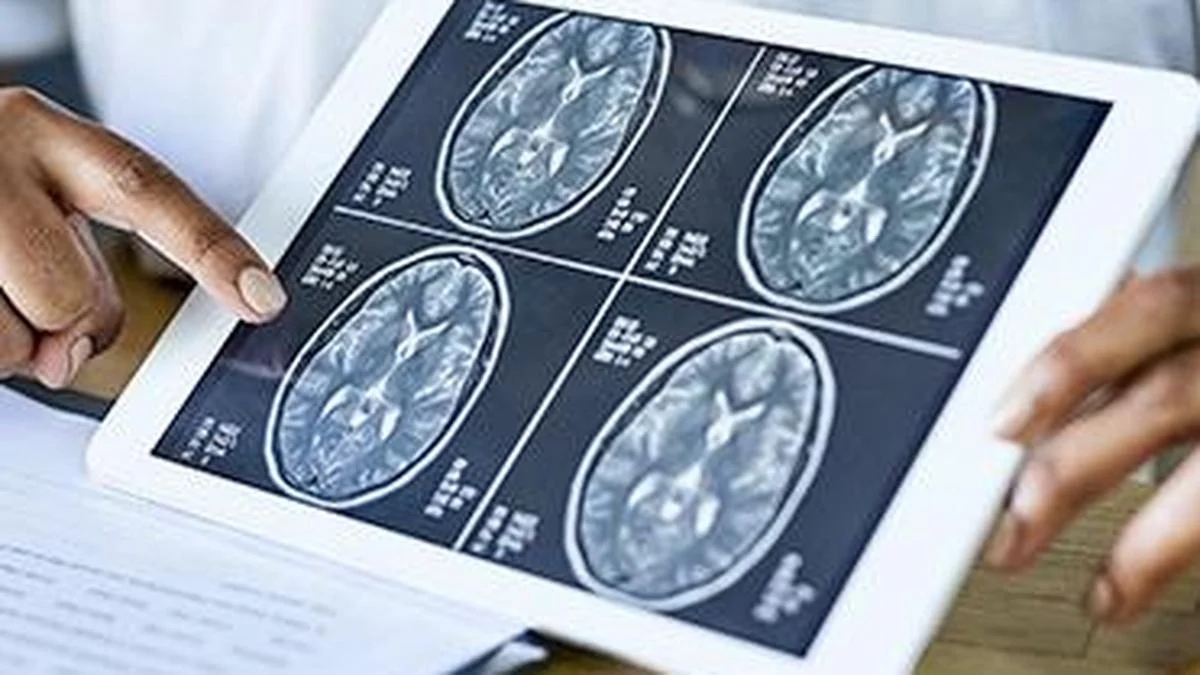
It is important to note that these windows are not universal. Eligibility depends heavily on the patient’s overall medical history, the location of the stroke, and high-resolution imaging studies that map the extent of the penumbra. Even patients arriving outside the standard "golden hour" may still qualify for life-saving interventions based on advanced imaging that confirms the presence of salvageable tissue.
Manifestations: How Brain Function Dissipates
Because the brain is the command center for the entire body, the symptoms of a stroke are as varied as the functions of the brain itself. A stroke affecting the motor cortex may cause sudden, unilateral paralysis or weakness. A stroke involving the speech centers—typically in the left hemisphere—may result in aphasia, where the patient struggles to articulate thoughts or comprehend the speech of others.
Visual disturbances, such as sudden partial blindness or double vision, often signal an obstruction in the posterior circulation or the brainstem. If the cerebellum or brainstem is involved, the patient may experience profound vertigo, loss of balance, or difficulty swallowing. Perhaps most insidiously, a stroke can manifest through cognitive or emotional changes, including sudden confusion, memory lapses, or an inability to regulate emotions.

Medical professionals caution that not all strokes present with the classic "facial droop." Consequently, public awareness of a broader spectrum of symptoms is vital for early detection.
The BE FAST Protocol: A Framework for Identification
To simplify the recognition of stroke symptoms, the medical community utilizes the BE FAST acronym:
- B (Balance): Sudden loss of balance or coordination.
- E (Eyes): Sudden changes in vision or loss of sight.
- F (Face): Facial drooping, especially on one side.
- A (Arms): Arm weakness or numbness, particularly on one side of the body.
- S (Speech): Slurred speech or difficulty finding the right words.
- T (Time): Time to call emergency services immediately.
Even if symptoms disappear after a few minutes—a phenomenon often referred to as a Transient Ischemic Attack (TIA) or "mini-stroke"—it should never be dismissed as harmless. A TIA is a powerful warning sign of an impending major stroke and requires urgent medical investigation.
Post-Acute Care: The Long Road to Recovery
The "golden hour" is the catalyst for survival, but the months and years following a stroke are defined by the journey of rehabilitation. Once a patient is stabilized, the focus shifts to preventing secondary complications and regaining lost functionality.
Modern stroke care is multidisciplinary. A typical recovery trajectory includes:

- Physiotherapy: To regain motor control and strength.
- Speech and Language Therapy: To recover communicative abilities and address swallowing difficulties (dysphagia).
- Occupational Therapy: To relearn the activities of daily living.
- Cognitive Therapy: To manage memory, attention, and executive function deficits.
Recovery is deeply individualized. It is influenced by the size of the stroke, the location of the damage, the speed at which treatment was administered, and the patient’s pre-existing health status. While the brain possesses a degree of "neuroplasticity"—the ability to rewire itself and form new connections—the extent of recovery varies, necessitating a patient-centered, long-term support system.
Implications for Public Health
The burden of stroke remains one of the leading causes of disability and mortality globally. However, the paradigm shift toward aggressive, time-sensitive intervention has revolutionized outcomes. The transition from "wait-and-see" to active surgical and pharmacological intervention has meant that many patients who would have once faced permanent institutionalization are now returning to their daily lives.
Ultimately, the most effective tool in the fight against stroke is public literacy. When individuals recognize the warning signs and understand that a stroke is a medical emergency requiring immediate transit to a specialized facility, the outcomes improve drastically. As medical professionals like Dr. B. K. Madhusudhan emphasize, understanding the brain’s vulnerability is the first step toward preserving its function.
By prioritizing rapid response and fostering an environment of proactive neurological care, society can transform the terrifying, unpredictable nature of a stroke into a manageable, and often treatable, medical crisis. The message is clear: if you suspect a stroke, do not wait. Every second, 32,000 neurons are at risk. Act fast, because time is truly the most precious commodity in the preservation of the human mind.