Your afternoon cup of chai no longer provides that familiar spark. Climbing a flight of stairs feels like a marathon, leaving you breathless and winded. Your hair brush is becoming an increasingly distressing sight, gathering more strands than usual. While many women brush off these experiences as the inevitable toll of a stressful career or a demanding lifestyle, the root cause may be far more tangible: iron deficiency.
Iron is the invisible engine of the human body, essential for oxygen transport, energy production, and cognitive function. Yet, according to global health data, iron deficiency affects an estimated 2 billion people worldwide—a staggering number, with many cases remaining undiagnosed until they escalate into severe anemia.
In September 2026, the American Society of Hematology (ASH) introduced updated clinical guidelines that adjust the diagnostic thresholds for iron deficiency. For millions of women, these new standards could be the difference between chronic fatigue and restored vitality. This guide examines the critical role of ferritin, the impact of the new ASH guidelines, and how to reclaim your health through informed medical action.
What Is Ferritin and Why Does It Matter?
To understand iron deficiency, one must distinguish between the iron circulating in your blood and the iron stored for a "rainy day."
Think of hemoglobin—the protein in red blood cells that carries oxygen—as the cash currently in your wallet. It is immediately available for your body’s daily expenses. Ferritin, however, is your savings account. It is a protein that stores iron inside your cells, releasing it only when your immediate supply of circulating iron is exhausted.
A ferritin test measures the level of this storage protein in your blood. When ferritin levels drop, it is a primary indicator that your body’s iron reserves are depleted, even if your hemoglobin levels appear "normal" in a standard complete blood count (CBC). Relying solely on hemoglobin for a diagnosis is akin to checking your wallet while ignoring your empty savings account; you may feel fine until you suddenly hit a financial—or in this case, physiological—crisis.
The Role of Iron in the Female Body
Iron is not merely a mineral; it is a catalyst for life. It supports:

- Energy Production: Without adequate iron, cells cannot produce the ATP (energy) required for daily movement.
- Cognitive Function: Iron is vital for neurotransmitter synthesis, affecting mood, focus, and memory.
- Immune Resilience: It powers the cells that guard against infection.
- Structural Integrity: Collagen synthesis for skin, hair, and nails relies on iron.
The Chronology of Deficiency: How Iron Stores Deplete
Iron deficiency does not happen overnight. It is a progressive condition that moves through three distinct phases, often unnoticed by the patient:
- Stage 1: Iron Depletion: Your body begins to tap into its stored ferritin. During this phase, serum ferritin levels drop, but hemoglobin levels remain within the normal range. You may feel "off," experiencing mild fatigue or reduced exercise tolerance, but standard tests might not flag an issue.
- Stage 2: Iron-Deficient Erythropoiesis: Your stores are now severely depleted. The body struggles to supply enough iron to the bone marrow to produce red blood cells. While you are not yet clinically "anemic," your physical performance, mental clarity, and hair health begin to suffer noticeably.
- Stage 3: Iron-Deficiency Anemia (IDA): The final stage. Hemoglobin levels fall below the threshold of normal. This is when symptoms like heart palpitations, severe shortness of breath, and pale skin become impossible to ignore.
The New ASH Standards: A Paradigm Shift
In September 2026, the American Society of Hematology (ASH) released new guidelines that raise the bar for what constitutes "normal" iron levels. The goal is to catch deficiency in the "depletion" phase, rather than waiting for the patient to reach the symptomatic stage of anemia.
Updated Ferritin Thresholds for Women
The following chart outlines the new benchmarks for identifying iron deficiency. Note that these are diagnostic cut-offs, not an ideal range.
| Ferritin Level | Clinical Significance |
|---|---|
| ≤ 20 ng/mL | Iron deficiency in children (9 months to 4 years). |
| ≤ 30 ng/mL | Iron deficiency in healthy adults, including menstruating women. |
| ≤ 50 ng/mL | Iron deficiency in high-risk groups (e.g., heavy menstrual bleeding, pregnancy). |
| < 100 ng/mL | Iron deficiency in adults with chronic inflammation (e.g., IBD, infection). |
Note: 1 ng/mL is equivalent to 1 µg/L.
These guidelines are significantly higher than the World Health Organization’s 2020 recommendation of 15 µg/L. This adjustment means that many women who were previously told their levels were "within normal limits" may now be correctly identified as iron-deficient.
Who Is at Risk?
Women are uniquely susceptible to iron deficiency due to several biological and lifestyle factors:
- Menstruation: Monthly blood loss is the most common cause of iron depletion in women of reproductive age. Those with heavy or prolonged periods are at the highest risk.
- Pregnancy and Breastfeeding: The body’s iron requirement skyrockets to support the developing fetus and the production of breast milk.
- Dietary Choices: While plant-based diets are healthy, they rely on "nonheme" iron. Unlike "heme" iron found in red meat and fish, nonheme iron (found in lentils, spinach, and nuts) is harder for the human body to absorb.
- Gut Health: Conditions like Celiac disease, Crohn’s, or chronic gastritis can impair the gut’s ability to absorb iron, regardless of dietary intake.
Symptoms: What to Watch For
Because iron deficiency often mimics general exhaustion, it is frequently overlooked. However, the body provides subtle, and sometimes specific, clues:

- Persistent Fatigue: A bone-deep tiredness that rest does not fix.
- Breathlessness: Feeling winded after walking up a single flight of stairs.
- Hair and Nail Changes: Thinning hair, increased hair fall, or brittle, spoon-shaped nails.
- Cognitive Fog: Difficulty concentrating or feeling "spaced out."
- Restless Legs Syndrome: An uncontrollable urge to move your legs, particularly at night.
- Pica: An unusual craving for non-food items like ice, dirt, or clay.
Medical Warning: If you experience chest pain, fainting, or severe, acute breathlessness, seek immediate medical attention. These are not signs of simple iron deficiency and require urgent clinical evaluation.
The Intersection of Inflammation and Ferritin
One of the complexities of the ferritin test is that it is an "acute-phase reactant." This means that if you have inflammation in your body—due to an infection, autoimmune disease, or even chronic obesity—your ferritin levels can artificially rise.
This creates a "masking effect" where a patient might have low iron, but their ferritin test shows a "normal" or even "high" result because of the inflammatory response. This is why doctors must interpret blood results in the context of a patient’s overall health, symptoms, and other blood markers like C-reactive protein (CRP).
Prevention: Nutritional Strategies
While diet alone cannot always correct a significant deficiency, it is the cornerstone of prevention.
Optimizing Iron Absorption
To maximize the intake of iron, consider these strategies:
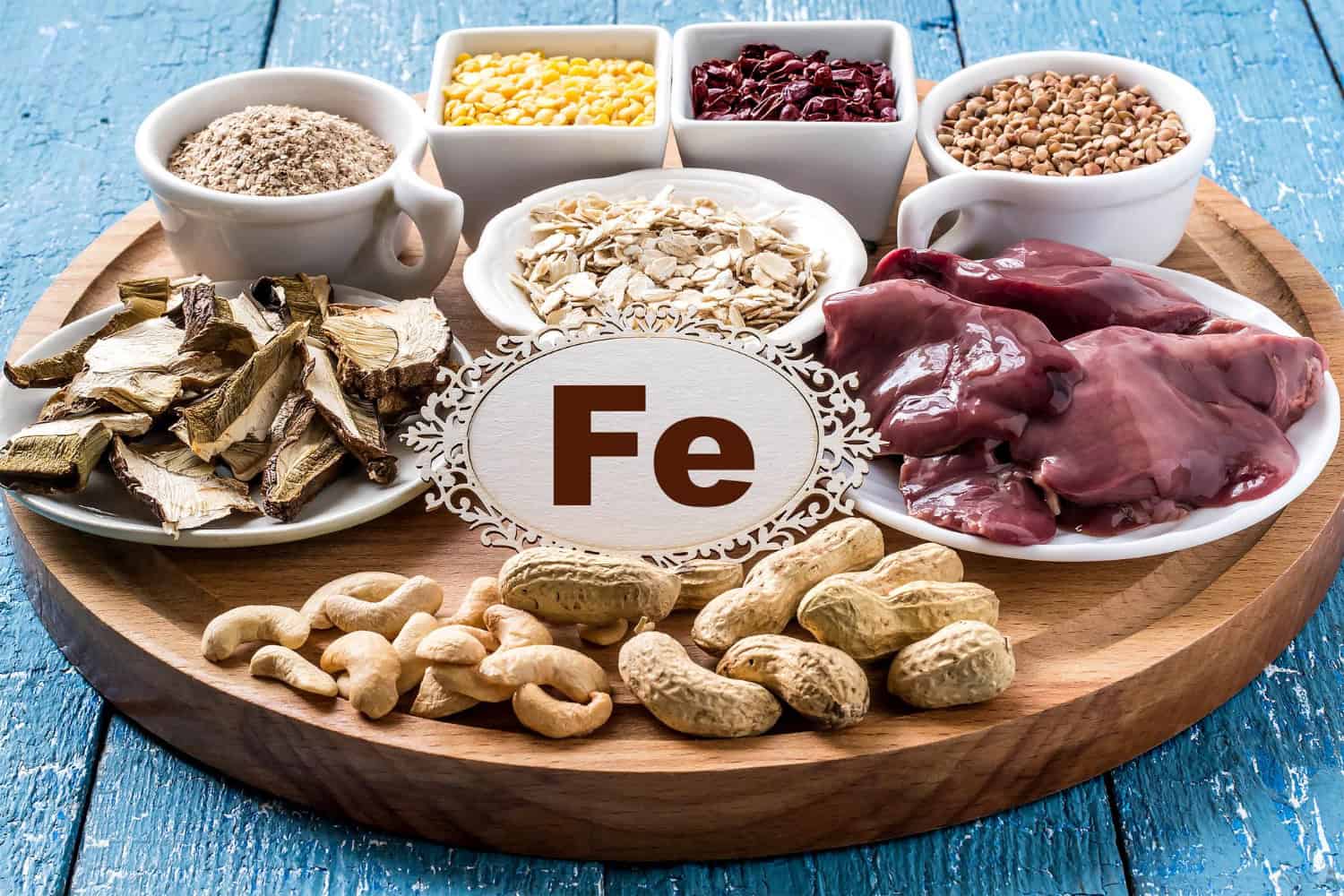
- Heme vs. Nonheme: If you consume animal products, prioritize lean red meat, shellfish, and poultry, which contain heme iron.
- The Vitamin C Hack: If you are eating plant-based sources like spinach or lentils, pair them with Vitamin C-rich foods (lemon juice, bell peppers, oranges). Vitamin C creates an acidic environment that significantly boosts the absorption of nonheme iron.
- Timing Matters: Avoid drinking tea or coffee with your meals. The tannins and polyphenols in these beverages can block iron absorption by up to 50–70%.
Daily Requirements for Women
- Ages 19–50: 18 mg/day.
- Pregnancy: 27 mg/day.
- Breastfeeding: 9 mg/day.
- Ages 51+: 8 mg/day.
- Vegetarian/Vegan: Intake should be approximately 1.8 times higher due to lower bioavailability.
Implications and Next Steps
The shift in the ASH guidelines represents a vital improvement in how we manage women’s health. By lowering the threshold for intervention, healthcare providers can prevent the transition from simple iron depletion to full-blown, debilitating anemia.
If you recognize yourself in these symptoms, do not self-diagnose or start high-dose iron supplements without professional guidance. Excess iron can be toxic to the liver and heart.
Your Action Plan:
- Consult Your Physician: Mention the new ASH guidelines and your specific symptoms.
- Request a Full Panel: Ask for a ferritin test alongside a CBC.
- Review the Context: Discuss your diet, menstrual history, and any chronic inflammation with your doctor.
- Monitor Progress: If supplements are prescribed, follow up with blood tests as scheduled to ensure your levels are rising safely.
Your energy is your most precious asset. Do not settle for "tired as the new normal." By understanding your ferritin levels, you can move from merely surviving to thriving.
Frequently Asked Questions (FAQs)
Q: Can I have low iron if my hemoglobin is normal?
A: Absolutely. This is known as "latent iron deficiency." Your ferritin stores are depleted, but your body is still managing to produce enough hemoglobin to keep your blood oxygenated. You will likely feel the symptoms, even if your standard lab reports look "fine."
Q: Does high ferritin mean I have too much iron?
A: Not necessarily. High ferritin can indicate iron overload, but it is also a marker of inflammation. If you have an infection, liver disease, or chronic illness, your ferritin will rise. Always consult a doctor to interpret high results.
Q: How long does it take to rebuild iron stores?
A: Iron replenishment is a slow process. Depending on the severity, it can take anywhere from three to six months of consistent treatment to restore healthy ferritin levels.
Disclaimer: This article is intended for general awareness and does not replace professional medical advice. Always consult with a healthcare provider regarding diagnostic testing, interpretation of results, or the initiation of any supplementation.
References:
- American Society of Hematology. ASH sets new standards for diagnosing iron deficiency. (2026).
- National Heart, Lung, and Blood Institute. Iron-deficiency anemia. (2022).
- World Health Organization. WHO guideline on use of ferritin concentrations to assess iron status. (2020).
- Office of Dietary Supplements, NIH. Iron: Fact sheet for health professionals. (2025).