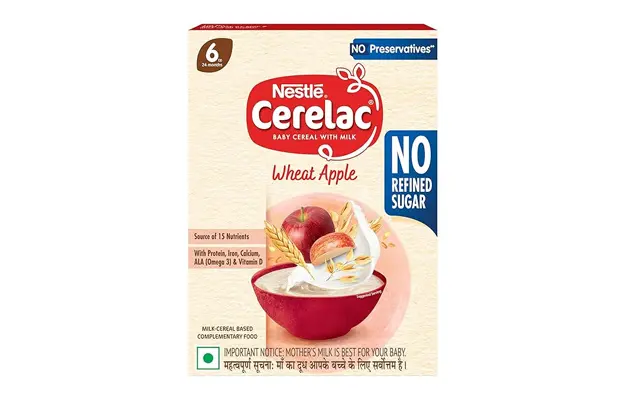
The introduction of solid foods—commonly referred to as complementary feeding—is a critical milestone in an infant’s development. As babies reach the six-month mark, their nutritional requirements evolve beyond what breast milk or infant formula can provide alone. During this transition, parents often look for reliable, nutrient-dense options to support their child’s rapid growth. Nestlé CERELAC has long been a household name in this category. However, recent public discourse regarding the composition of infant cereals has prompted many parents to seek clarity on ingredients, safety protocols, and nutritional science.
This article provides a comprehensive examination of Nestlé CERELAC, the science behind infant nutrition, and the stringent quality standards governing the production of baby food.
The Nutritional Foundation: Why Complementary Feeding Matters
By the age of six months, an infant’s iron stores—accumulated during the final stages of pregnancy—begin to deplete. Furthermore, the rapid development of the brain and body requires a higher intake of zinc, calcium, and essential vitamins. Complementary foods are not intended to replace breast milk, which remains the gold standard for infant nutrition, but to bridge the gap between maternal milk and the diverse diet of a growing child.
CERELAC is formulated specifically to be an "iron-fortified" cereal. It is designed to be easily digestible, providing a consistent source of energy and essential micronutrients that are often difficult for infants to obtain from standard family meals in sufficient quantities.
Chronology of Safety and Quality Assurance
The manufacturing process for infant food is subject to some of the most rigorous regulatory scrutiny in the global food industry. Nestlé operates under a multi-layered quality control framework that begins long before the raw ingredients reach the factory floor.
- Sourcing and Selection: Ingredients, including wheat, oats, and rice, are sourced from farms that adhere to strict agricultural standards. Each batch undergoes testing to ensure the absence of heavy metals, pesticides, and microbial contaminants.
- Processing and Milling: The grains undergo specialized heat treatment. This process, known as enzymatic hydrolysis, breaks down complex carbohydrates into smaller, more easily digestible forms, which is vital for an infant’s immature digestive system.
- Fortification: The product is fortified with iron, zinc, and vitamins A, C, and D. This fortification is a public health strategy aimed at preventing iron-deficiency anemia, a common concern in developing regions.
- Final Quality Testing: Every batch of CERELAC is subjected to NABL-accredited (National Accreditation Board for Testing and Calibration Laboratories) testing to ensure compliance with the Food Safety and Standards Authority of India (FSSAI) and international CODEX standards.
Decoding the Ingredients: What Goes Into the Bowl?
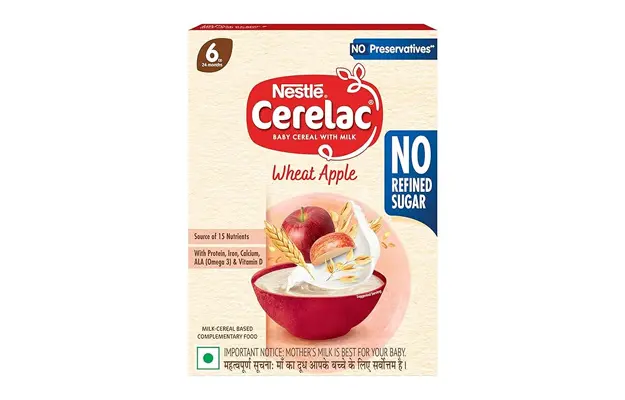
A common area of concern for parents is the presence of added sugars. It is important to distinguish between naturally occurring sugars in grains and added sucrose. Nestlé has publicly committed to a global initiative to reduce the total amount of added sugars in its infant cereal portfolio.
The Role of Micronutrients
The effectiveness of CERELAC lies in its density. A small serving provides a significant portion of an infant’s Recommended Dietary Allowance (RDA) for iron. Iron is not merely a mineral; it is a building block for cognitive development. When infants do not receive adequate iron during their first year, the long-term impact on neurological development can be significant.
Digestive Health
CERELAC includes probiotics (such as Bifidobacterium lactis) in many of its variants. Probiotics support the gut microbiome, which is essential for immune system development. By balancing the gut flora, these cultures help reduce instances of digestive discomfort.
Official Responses and Regulatory Compliance
In light of recent media reports suggesting inconsistencies in sugar content across different geographic markets, it is vital to understand the regulatory landscape. Infant food standards are set by the Codex Alimentarius, an international body established by the FAO and WHO. These standards are adopted and enforced by national regulators like the FSSAI.
Nestlé maintains that its products strictly comply with the local regulations of every country in which they are sold. The variations in formulation observed in different regions are often a result of adhering to specific national dietary guidelines, local ingredient availability, and regional taste preferences.
The company has emphasized that it continues to innovate its recipes to align with the latest nutritional science, specifically focusing on the reduction of added sugars while maintaining the energy density required for infant growth.
Implications for Parents: How to Make Informed Choices
Navigating the world of baby food can be overwhelming. Parents are encouraged to follow these professional guidelines:
1. Consult with Pediatricians
Before introducing any new food, consult a healthcare professional. They can assess your baby’s growth chart and determine if your child is ready for solids based on developmental milestones, such as the ability to sit with support and the loss of the tongue-thrust reflex.
2. Read Labels Carefully
While infant cereals are fortified, they should be part of a diverse diet. By 8–10 months, infants should be introduced to mashed vegetables, fruits, and proteins alongside iron-fortified cereals.

3. Understand "Added Sugars" vs. "Total Sugars"
When reading labels, note that grains naturally contain carbohydrates, which the body converts to glucose. "Added sugar" refers specifically to sucrose or other sweeteners added during processing. Look for products that clearly state their commitment to lowering or eliminating added sugars.
Supporting Data: The Science of Infant Requirements
Nutritional science emphasizes the "First 1,000 Days"—the period from conception to a child’s second birthday. During this window, the quality of nutrition dictates long-term metabolic health.
Data shows that infants fed on iron-fortified cereals show a lower prevalence of iron deficiency compared to those fed on home-prepared, non-fortified staples. While home-cooked meals are encouraged for their freshness, they often lack the precise micronutrient fortification necessary to prevent deficiencies in the critical growth months.
Conclusion: Balancing Convenience and Nutrition
The debate surrounding commercial infant food is a healthy sign of a more informed and vigilant parenting community. While global brands like Nestlé face intense scrutiny, this transparency is necessary for the evolution of food safety standards.
Nestlé CERELAC remains a scientifically formulated option designed to support the nutritional transition of infants. By combining rigorous quality control, adherence to international safety standards, and a commitment to ongoing nutritional reform, the brand continues to play a significant role in infant health.
For parents, the key remains balance. Use iron-fortified cereals as a reliable, safe, and nutritionally dense foundation for your child’s diet, while complementing it with a variety of fresh, home-prepared foods as your baby grows. Always prioritize the advice of your pediatrician, and stay updated on the latest nutritional guidelines to ensure your child receives the best start in life.
Disclaimer: This article is for informational purposes only and does not constitute medical advice. Always consult with a qualified pediatrician regarding your child’s specific dietary needs and developmental progress.