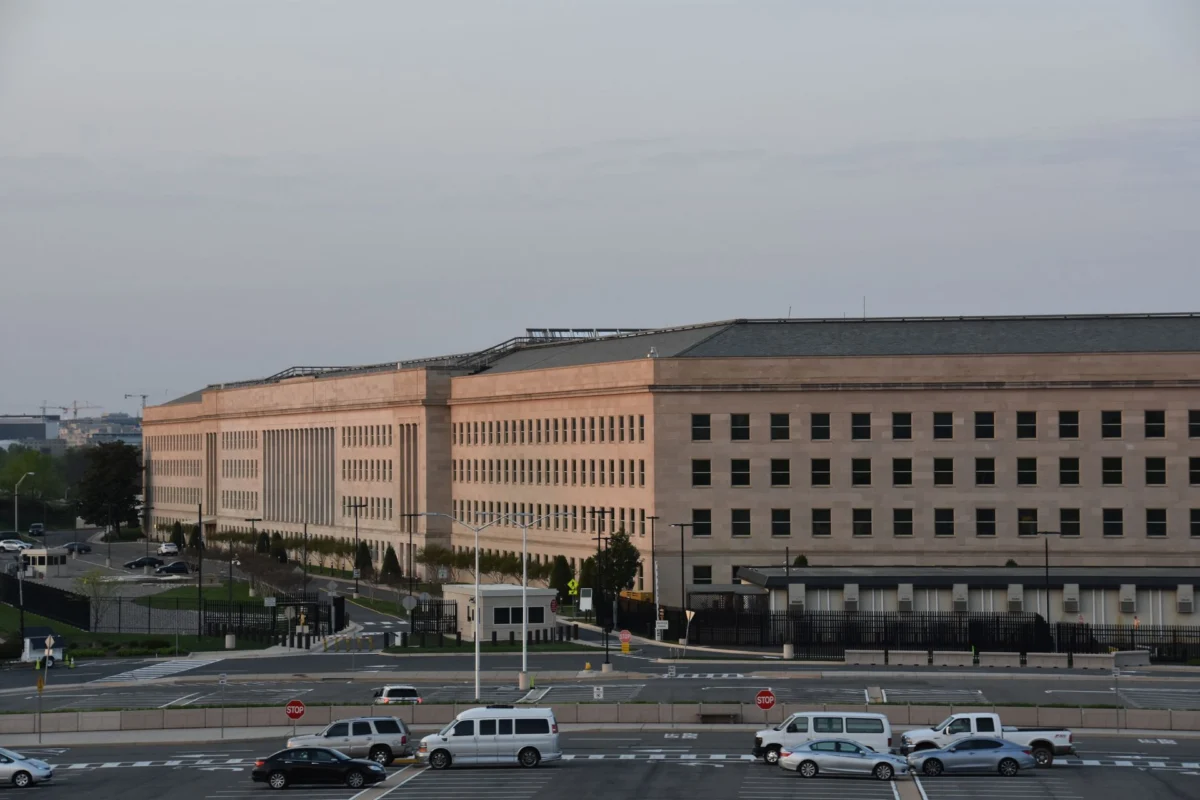
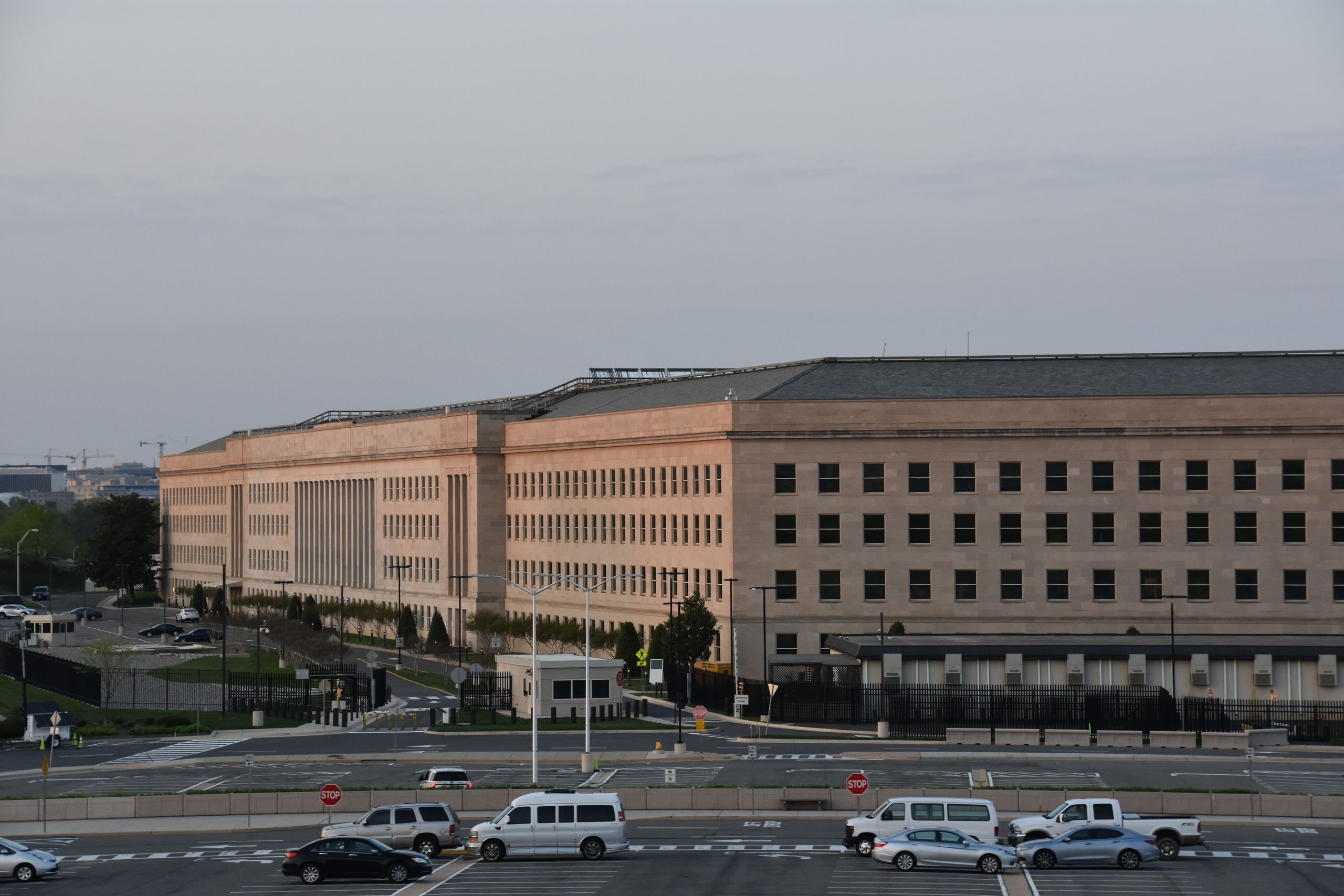
In the labyrinthine corridors of the Pentagon, where the architecture is as dense as the bureaucracy, a new, clandestine entity has quietly emerged. Known as the "Technology Support Office" (TSO), this obscure agency is tasked with a mission that sounds like the plot of a geopolitical thriller: to proactively sabotage foreign technology programs that threaten American strategic superiority. While its name suggests a mundane IT help desk, insiders describe the TSO as a sharp, modern instrument of cyber-warfare and technological deterrence.
The Emergence of a Shadow Agency
The existence of the TSO was solidified in April, following the consolidation of two previously classified Pentagon intelligence programs that had been active since 2023. By merging these assets under a single, streamlined banner, the Department of Defense (DoD) has created a centralized hub for clandestine tech disruption.
According to reports from Politico, the office operates at the intersection of intelligence gathering and offensive cyber operations. Its primary goal is not merely to monitor foreign technological advancements—such as breakthroughs in artificial intelligence, unmanned aerial vehicles (UAVs), and advanced robotics—but to actively degrade, disrupt, or neutralize these programs before they can be leveraged against U.S. interests.
The TSO represents a fundamental shift in how the United States approaches technological competition. Rather than relying solely on traditional intelligence gathering or diplomatic sanctions, the TSO is empowered to utilize the same "gray zone" tactics—cyberattacks, supply chain interdiction, and complex disinformation campaigns—that rival nations have long deployed against the American defense apparatus.
The Architect of Modern Sabotage
The conceptual framework for the TSO is largely credited to Deputy Defense Secretary Steve Feinberg and his senior advisor, Tom Rakusan. Both figures bring extensive, albeit controversial, backgrounds to the table. Feinberg’s tenure as the head of the White House Intelligence Advisory Board during the first Trump administration gave him a deep-seated perspective on the vulnerabilities of the U.S. intelligence community. Rakusan, conversely, is a veteran of the CIA’s clandestine service, bringing a legacy of "boots-on-the-ground" espionage experience to the digital-first mission of the TSO.
This leadership team has reportedly designed the TSO to act as a "pipeline." The office does not necessarily launch operations itself; rather, it serves as a central clearinghouse that connects specialized engineering teams, elite special operations units, and intelligence officers. By pooling approved cyber-sabotage tools and intelligence assets, the TSO enables various branches of the Pentagon to execute high-stakes disruption operations without the need for redundant development cycles.
Chronology of Escalation: From Monitoring to Sabotage
The timeline of the TSO’s formation reflects a broader, multi-year escalation in the U.S. government’s stance toward global tech supremacy:
- 2023: The Pentagon initiates two separate, highly classified programs aimed at tracking the rapid expansion of foreign AI and robotics capabilities. These programs begin experimenting with low-level disruption tactics.
- Early 2024: Senior leadership at the DoD recognizes that the disparate nature of these programs is limiting their effectiveness. Discussions begin regarding a centralized command structure.
- April 2024: The Technology Support Office (TSO) is formally established through the merger of the two aforementioned programs. The office is granted an mandate to operate on a global scale.
- Late 2024–Present: The TSO begins coordinating with specialized units to implement sophisticated supply chain interference and cyber-sabotage missions, focusing on the most critical threats to U.S. national security.
The Moral and Operational Dilemma
The formation of the TSO has sparked a polarized debate within the national security establishment. Proponents argue that the office is not just a luxury, but a necessity. In an era where the threshold for catastrophic disruption has plummeted, they contend that the U.S. can no longer afford to remain passive while foreign adversaries refine the weapons that could render current defense systems obsolete.
"It is a refocus from the highest levels of the government on this type of activity, which has been sorely needed," a former senior Pentagon intelligence official remarked. From this perspective, the TSO is simply leveling a playing field that has been tilted against the U.S. for years.
However, the shadow cast by the TSO is not without its critics. Concerns regarding oversight, accountability, and the potential for "mission creep" are at the forefront of the debate. Skeptics within the intelligence community have raised haunting questions: What are the legal guardrails? Who is the ultimate authority for these operations? And, perhaps most importantly, how do we ensure that these clandestine actions align with American democratic values?
"What are the approval structures, what is the oversight, who is read in to give the American people confidence that what you’re doing is consistent with our values?" one official asked. The fear is that in the absence of transparency, the TSO could evolve into an entity that operates entirely beyond the reach of congressional or judicial review.
The Historical Precedent: Lessons from the Black Chamber
The skepticism surrounding the TSO is rooted in a long, checkered history of U.S. intelligence overreach. Critics are quick to point to the "Black Chamber"—the cryptanalytic bureau that coerced private telegraph companies into revealing sensitive foreign communications—as a cautionary tale.
Later, the infamous Project SHAMROCK, which involved the wholesale collection of telegraphic data entering and exiting the United States, further eroded public trust. The mid-20th-century COINTELPRO operations, which included domestic surveillance and, in some cases, political subversion, remain the "gold standard" of government overreach. Many fear that the classified, siloed nature of the TSO creates a fertile environment for similar abuses to take root, especially when the lines between "foreign threat" and "domestic interest" begin to blur.
Official Responses and the "Fantasy" Denial
The Pentagon has been quick to push back against reports of the TSO’s existence. When confronted with the details, Deputy Pentagon Press Secretary Jacob Bliss issued a sharp rebuttal, characterizing the existence of the office as a fabrication.

"This query appears to be built on information that is simply not true," Bliss stated. "Whoever is feeding you these claims are either badly misinformed or deliberately leading you astray to peddle their fantasies."
This denial, however, has done little to quell the rumors. In the world of intelligence, a categorical denial is often considered the standard response to inquiries about "black-budget" operations. Whether the TSO is a sophisticated disinformation campaign designed to keep adversaries guessing, or a real-world agency shielded by a wall of official deniability, remains a point of intense speculation among security analysts.
Strategic Implications for the Future
The existence (or the perceived existence) of the TSO signals a pivotal moment for global security. If the U.S. has indeed institutionalized the sabotage of foreign tech, it will almost certainly trigger a response. We are entering an era of "technological attrition," where the primary battlefield is not a physical geography, but the integrity of the hardware, software, and AI models that underpin modern society.
For the private sector, the implications are profound. Tech companies operating internationally may find themselves caught in the crossfire of this invisible war. If the TSO is indeed targeting foreign supply chains, the global market may become increasingly fragmented, with companies forced to choose between "safe" Western-aligned ecosystems and those vulnerable to sabotage.
Ultimately, the TSO represents a paradox of the digital age: in order to protect a free and open technological future, the government may feel compelled to employ the most closed, secretive, and aggressive tools available. Whether this strategy will secure the next century of American dominance or lead to a dangerous escalation of global instability is a question that will likely be debated for years to come—provided, of course, that the public is ever allowed to know the full extent of the office’s work.