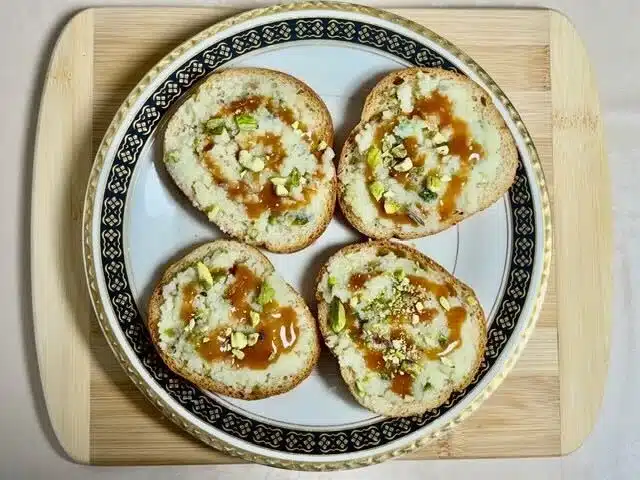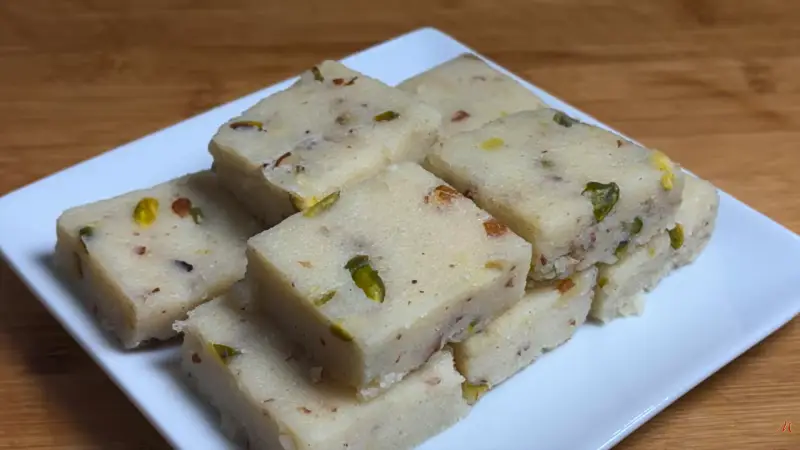
In the fast-paced modern kitchen, the intersection of tradition and convenience is where culinary magic happens. For generations, the preparation of Milk Burfi—a quintessential Indian confection characterized by its dense, fudge-like consistency and rich dairy profile—was a labor of love that demanded hours of simmering, stirring, and patience. However, a new wave of culinary innovation, championed by experts like Manjula’s Kitchen, has democratized this classic treat. The "Instant Milk Burfi" has emerged as a revolutionary recipe, proving that authentic, "desi" flavor profiles do not require a half-day commitment at the stove.
Main Facts: The Evolution of a Classic Sweet
The traditional process for creating Burfi involves the slow reduction of milk (often into khoya or mawa), a process that can take hours of constant vigilance to prevent scorching. The modern iteration, however, shifts the paradigm by utilizing shelf-stable, high-quality dairy derivatives to replicate the exact molecular texture and flavor profile of the traditional slow-cooked version in a fraction of the time.
The primary appeal of the 15-minute Instant Milk Burfi lies in its structural integrity. It maintains the characteristic melt-in-the-mouth texture that defines premium Indian sweets while drastically reducing the cook time from hours to mere minutes. By balancing the ratio of fats (ghee or high-fat butter) to proteins (milk solids/milk powder), home cooks can now achieve a professional-grade dessert that rivals those found in artisanal sweet shops.
Chronology: From Hours of Toil to Minutes of Ease
To understand the significance of this shift, one must look at the historical timeline of Indian confectionery preparation:
- The Pre-Industrial Era: Historically, Burfi was prepared by boiling raw milk in large iron vats, known as kadhais. This required constant manual labor to stir the milk as it reduced into a solid mass. This process was a centerpiece of community events and religious festivals.
- The Mid-20th Century Transition: As households modernized, the reliance on pre-made khoya (condensed milk solids) increased. While this saved time, the availability of high-quality, unadulterated khoya remained a logistical hurdle for many urban home cooks.
- The Digital Culinary Era (Present Day): The rise of accessible, high-quality milk powders and specialized ingredients has allowed for the "Instant" method. By hydrating these powders under controlled heat, the chemical reaction—the Maillard reaction—is accelerated, creating the toasted, caramelized notes typical of traditional Burfi without the prolonged heat exposure.
Supporting Data: The Science of the Set
The success of an Instant Milk Burfi depends on precise variables that govern the transition from a liquid emulsion to a set solid. According to food science principles applied to confectionery:
- Hydration Control: The use of heavy cream or milk acts as the solvent. When heated, the proteins in the milk powder undergo denaturation, which, when cooled, creates a stable gel-like matrix.
- Fat Emulsification: Ghee (clarified butter) serves two purposes. First, it prevents the mixture from sticking to the pan. Second, it acts as a shortening agent, coating the protein molecules to ensure the final product is smooth rather than gritty.
- The Cooling Phase: The "setting" of the Burfi is a thermal process. As the fat crystallizes during cooling, the sugar and protein network traps the remaining moisture, resulting in the signature "fudge" texture.
When examining the 15-minute window, the preparation is divided into:
- Prep (5 minutes): Gathering ingredients and ensuring the pan is correctly preheated.
- Cook (10 minutes): A steady, medium-low heat application to avoid burning the milk proteins, which would introduce bitter, carbonized notes.
Official Perspectives and Expert Advice
Industry experts and culinary educators emphasize that "instant" does not mean "inferior." The secret to achieving the authentic "desi" profile lies in the quality of the ingredients used.
"The biggest mistake home cooks make is rushing the heat," notes one culinary consultant. "Even in a 15-minute recipe, heat management is the difference between a silky Burfi and a chewy, rubbery mess." Experts suggest that for those aiming for the most authentic experience, the choice between ghee and butter is non-negotiable. While butter contains water and milk solids that can add complexity, pure ghee provides a clean, nutty aroma that is the hallmark of traditional Indian sweets.
Furthermore, the texture is highly dependent on the "fine" nature of the ingredients. When incorporating grains like sooji (semolina), the particle size must be minimal to ensure the texture remains elegant and uniform rather than granular.
Implications for the Modern Home Cook
The emergence of such recipes has significant implications for how we perceive "homemade" food. In a world where time is a premium commodity, the ability to produce high-quality cultural staples at home has several cultural and social impacts:
Preservation of Culinary Heritage
Many younger generations are deterred from learning traditional recipes due to the sheer time investment required. By simplifying the process, these "instant" recipes act as a gateway, encouraging younger cooks to participate in the tradition of making sweets at home rather than defaulting to store-bought, preservative-laden alternatives.
Dietary and Quality Control
When making Burfi at home, the cook maintains absolute control over the quality of fats and the level of sweetness. Commercial sweets are often loaded with glucose syrups and stabilizers to increase shelf life. A 15-minute home recipe allows for a "clean label" version of the product, using only whole milk, fats, and natural sweeteners.
The Social Component
The Instant Milk Burfi serves as an excellent "emergency" dessert. Whether it is an unexpected guest or a last-minute festive celebration, the recipe removes the anxiety associated with hosting. It transforms the kitchen from a place of stress into a space of creative, efficient expression.
Troubleshooting: Ensuring Perfection
Despite the simplicity, the technical aspects of the recipe are sensitive. If a cook finds the Burfi too soft, it is almost exclusively a result of insufficient evaporation of the liquid phase. The mixture must reach a point where it "leaves the sides of the pan"—a culinary idiom that signifies the fat has successfully separated from the solids, indicating that the water content is sufficiently reduced.
Conversely, a "hard" or "chewy" Burfi is the result of over-caramelization. Once the sugar-milk mixture passes a certain temperature threshold, the sugars begin to transition into a harder stage of crystallization. Vigilance in the final three minutes of cooking is the primary preventative measure against this outcome.
Conclusion: A New Standard for Indian Sweets
The 15-minute Instant Milk Burfi is more than just a quick recipe; it is a testament to how traditional cuisine can adapt to the modern lifestyle. By leveraging the principles of dairy science and efficient heat management, the home cook can replicate the nuances of a dish that once defined the labor-intensive heritage of Indian cooking.
As we look toward the future of home cooking, the emphasis will continue to shift toward "smart" techniques—methods that optimize time without compromising on the sensory experience. Whether you are a novice in the kitchen or a seasoned home chef, the Instant Milk Burfi offers a reliable, delicious, and deeply satisfying way to honor tradition in an increasingly fast-paced world. Next time you crave a touch of sweetness, remember that the most authentic experiences are often just fifteen minutes away.