For decades, an invitation to an Apple product launch was the ultimate badge of honor for the tech press. It was a golden ticket that granted journalists access to the inner sanctum of Cupertino’s innovation, provided they were willing to abide by strict embargoes and rigorous scrutiny. However, as the industry enters the final quarter of 2026, the landscape of product promotion has undergone a radical transformation.
Apple’s upcoming "Pro and Tell" event in Los Angeles is not merely a product showcase; it is a signal of a new era. By rolling out the red carpet—complete with business-class travel, luxury hotel accommodations, and direct access to top-tier executives like CEO John Ternus—Apple is pivoting away from the traditional press corps and toward the creator economy. It is a trend that tech titans like Samsung, Google, and OpenAI have already embraced, signaling a fundamental shift in how corporations manage their narratives and build brand loyalty.
The Evolution of the "Event"
The shift in strategy became apparent during Apple’s recent preparations for its late October showcase. Industry analyst Mark Gurman, appearing on Bloomberg’s Power On podcast, confirmed that Apple has been aggressively courting influencers for the "Pro and Tell" experience. The itinerary, which includes exclusive dinners and face-time with leadership, represents a departure from the company’s once-guarded culture.
This is not a sudden pivot, but rather the acceleration of a strategy tested over the last 18 months. In March 2025, Apple hosted a group of student creators at what attendees dubbed "Apple University," a private event that caught many by surprise. "I got the email and thought it was spam at first," Heaven Marley, a creator who attended the event, told People.
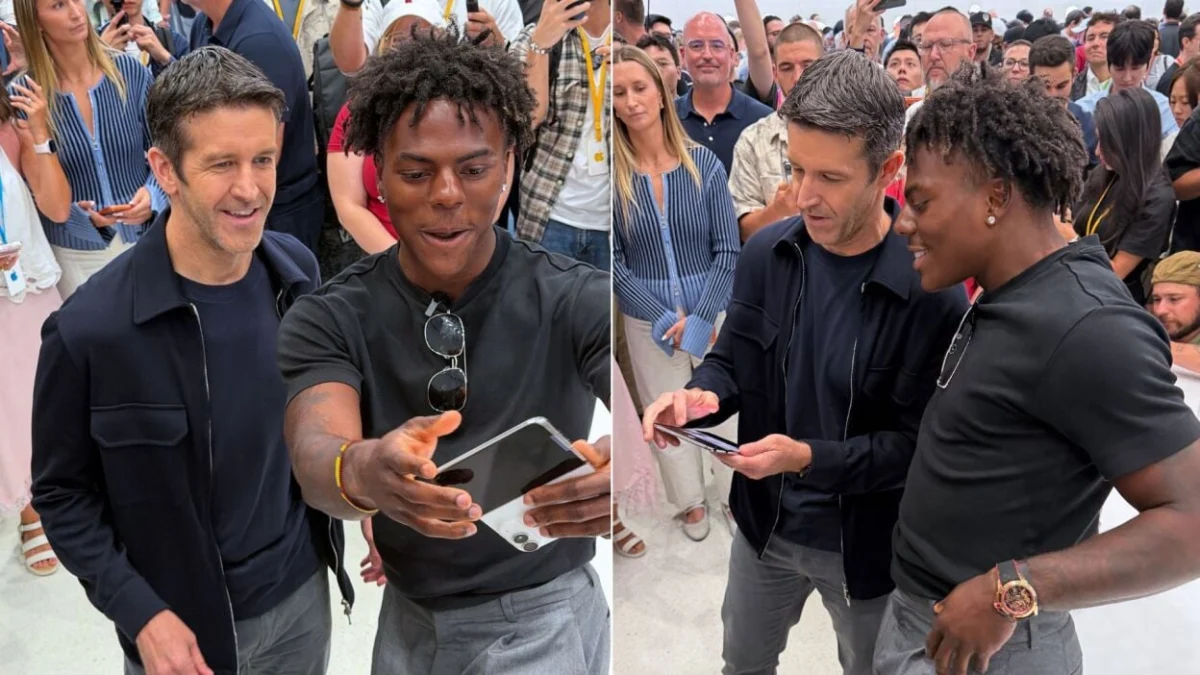
Following this, the company held an "Apple Experience" in January 2026 to coincide with the launch of the Apple Creator Studio, a suite of professional-grade subscription apps. By the time the September iPhone event rolled around, the presence of creators was impossible to ignore. Livestreamer IShowSpeed’s viral moment—performing a backflip in front of CEO John Ternus while wielding an iPhone Duo—garnered over 6 million views, a reach that traditional tech reporting rarely achieves in such a short window.
A Crowded Field: Samsung, Google, and the AI Gold Rush
Apple is by no means an outlier. In the race to capture Gen Z and Alpha, the world’s largest tech companies are deploying similar playbooks.
Samsung’s "Team Galaxy" has become a blueprint for this strategy. The company routinely invites hundreds of influencers from across the globe to international product launches, blending high-end technology demos with lifestyle content creation. For the Galaxy S26 launch in February, the company flew approximately 140 influencers from 35 countries to San Francisco for a three-day intensive of demos and social events.
The AI sector, meanwhile, has arguably the greatest need for this influencer-led "brand love." Companies like Anthropic and OpenAI are facing a public that is increasingly skeptical of AI’s impact on the environment, labor markets, and artistic integrity. By embedding themselves within the creator economy, these firms are attempting to humanize cold, complex software.

OpenAI’s recent hiring of Charles Porch, a former Instagram executive, as its first VP of global creative partnerships, signaled a major commitment to this direction. The subsequent influencer retreat to the luxury Wildflower Farms resort in the Hudson Valley—featuring monogrammed pajamas and picturesque dining—was designed to turn influencers into ambassadors.
The Strategy: Why Influencers?
The motivation behind this shift is grounded in hard data. According to a September report from Deloitte, approximately 60 percent of U.S. consumers have made a purchase in the last six months primarily because of a creator’s recommendation or sponsorship. Furthermore, the "parasocial" bond—where followers feel a genuine, personal connection to the creator—transfers trust onto the products they promote.
Journalist Jason Snell, discussing these trends on MacBreak Weekly, noted that influencers offer brands a level of control that is impossible to achieve with traditional journalists. "They repeat your promotional points instead of questioning them," Snell observed.
For a company, the ROI is clear:
- Curated Narrative: Influencers focus on aesthetics and user experience rather than technical specifications or potential systemic issues.
- Direct Audience Reach: Tech companies can bypass traditional media gatekeepers and speak directly to their target demographics.
- Control: Unlike journalists, who often operate under codes of ethics that demand objectivity, influencers are there as partners in a marketing campaign.
The Backlash: Ethics and the "Ivory Tower" Effect
However, this pivot has not been without friction. The "brand trip" model, while lucrative for creators, often highlights the jarring disconnect between the tech industry and the public.
The backlash to OpenAI’s Hudson Valley retreat serves as a cautionary tale. While influencers posted content about luxury and relaxation, the internet responded with sharp criticism. Critics on platforms like X (formerly Twitter) and Reddit pointed out the irony of using influencers to promote AI tools in a nature setting, given the massive environmental footprint associated with data centers.
"The concept of attending an AI brand trip surrounded by nature while it actively hurts the environment is an incredible bit," wrote one observer.
For the creators themselves, the decision to attend is complex. Business creator Grace McCarrick, who attended the OpenAI retreat, defended her presence as a professional necessity. "If I have the opportunity to be in the room and hear from people who are at the helm of change, I can do that," she noted. "It’s well within my moral system."

Yet, not all creators are willing to trade their credibility for a luxury experience. Circus performer and content creator Jack Lepiarz made headlines when he rejected a $20,000 deal from a generative image tool company, citing concerns about how the technology would impact the livelihoods of his peers.
The Future of Tech Reporting
The transformation of the tech event from a journalistic briefing to a "creator experience" has profound implications for how we consume technology news.
The traditional tech journalist is tasked with analyzing, benchmarking, and holding companies accountable. In contrast, the influencer is tasked with evangelizing. As these two worlds collide, the lines between advertising, entertainment, and objective reporting are becoming increasingly blurred.
Tech reviewers like Ben Sin have expressed concerns about this shift, noting that the move away from prioritizing tech-savvy experts toward lifestyle influencers is a sign that companies are moving away from "substance" and toward "optics."
Implications for Consumers
As we head into 2027, consumers must become more adept at navigating this new reality. When a beloved creator showcases a new device at a resort in Los Angeles or a retreat in the Hudson Valley, the audience must recognize that the content is, in many ways, an extension of the brand’s PR department.
While the financial incentives for creators are immense—with some partnerships ranging from $5,000 to over $30,000—the long-term cost may be the erosion of trust. When a creator’s endorsement becomes a commodity to be traded for a flight, a hotel room, and a dinner, the "authentic" connection that made them valuable in the first place is placed under significant strain.
For companies like Apple, the trade-off is worth it. They have successfully shifted the conversation from the boardroom to the smartphone screen. By making their products a part of the influencer’s lifestyle, they ensure that the next iPhone or the next AI suite isn’t just a gadget—it’s a lifestyle accessory endorsed by the people their customers trust most.
The "Pro and Tell" event is just the beginning. As technology becomes more deeply integrated into our daily lives, the battle for the narrative will not be won in the pages of major newspapers, but in the curated, polished, and highly sponsored feeds of the world’s most influential creators. Whether this leads to better products or simply better marketing remains to be seen, but one thing is certain: the era of the tech press event has been irrevocably changed.