In the rapidly evolving landscape of generative AI, the distinction between a one-off interaction and a scalable business process has become the new frontier for productivity. For marketing and sales teams, the challenge has never been a lack of tools, but rather the inefficiency of manual, repetitive labor. Enter "Claude Skills"—a strategic framework that allows organizations to codify recurring tasks into reusable, standardized processes. By moving beyond simple prompts and into the realm of structured "skills," companies are successfully transforming how they plan campaigns, manage sales relationships, and synthesize complex performance data.
Main Facts: What Are Claude Skills?
At their core, Claude Skills are modular, repeatable instruction sets designed to execute specific business tasks. Unlike a standard AI prompt, which is ephemeral and often requires the user to restate requirements or constraints, a skill acts as a pre-programmed workflow. These skills contain defined inputs, specific formatting requirements, reference materials, and output constraints.
For the modern enterprise, the primary benefit is consistency. When a marketing manager needs to generate a campaign brief, they no longer need to manually reconstruct the structure of the document or re-input brand guidelines. Instead, they activate a "Campaign Brief Builder" skill. This skill instructs Claude to synthesize inputs—such as audience demographics, budget, and channel strategy—against a pre-vetted template, ensuring the final output aligns with corporate branding and strategic objectives.
This architecture effectively creates a "human-in-the-loop" ecosystem. While Claude handles the synthesis and drafting, the strategy, factual validation, and ultimate business decisions remain firmly under human control.
Chronology: From Prompt Engineering to Skill Architecture
The evolution of generative AI usage in the workplace has followed a clear trajectory:

- The Ad-Hoc Phase (Early Adoption): Teams experimented with simple prompts. While effective for brainstorming, the results were inconsistent. Every user had a different "style" of prompting, leading to varied quality and fragmented outputs.
- The Template Phase: Teams began creating documents filled with "fill-in-the-blanks" prompts. This was a step toward standardization but remained inefficient as users had to copy-paste between documents and AI interfaces.
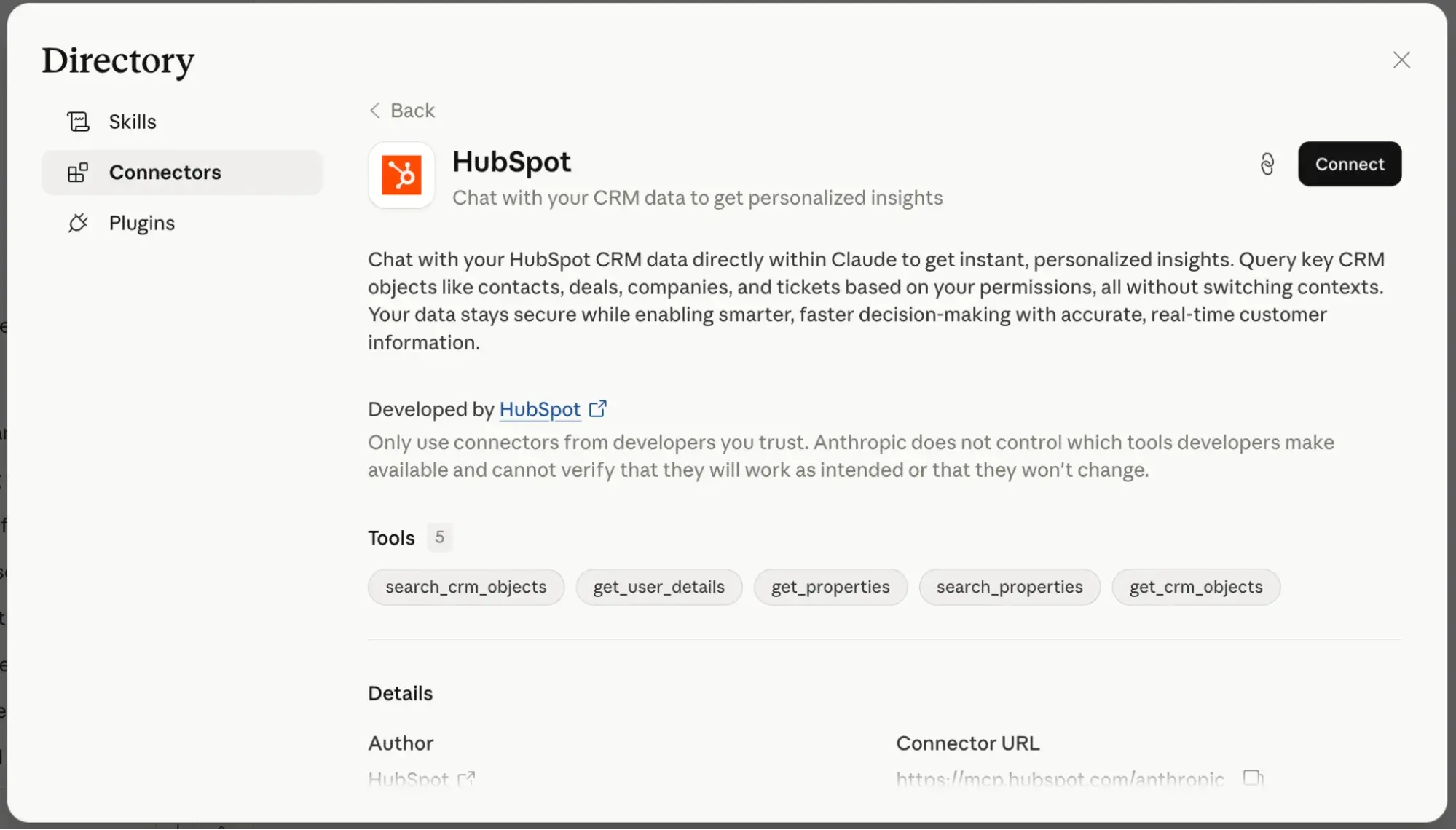
- The Skill-Based Phase (Current State): With the introduction of structured skills and sophisticated integrations—such as the HubSpot connector for Claude—teams are now embedding AI directly into their existing operational ecosystems. By formalizing instructions into persistent "skills," organizations are treating AI prompts as intellectual property rather than disposable text.
Supporting Data and Use Cases
The effectiveness of Claude Skills is most visible when applied to high-frequency, data-dependent tasks. Below are the core pillars where these skills are currently driving efficiency:
Campaign Brief and Calendar Builder
Marketing teams often grapple with disjointed planning. By utilizing a campaign builder skill, teams can input campaign goals and audience data to generate a cohesive brief, timeline, and asset plan. The skill identifies gaps—such as missing audience definitions or unclear KPIs—before the planning phase concludes, forcing a "review-first" mentality.
Sales Call Recaps and Follow-Up Planning
For revenue teams, the time between a discovery call and a follow-up email is a critical window. A "Sales Call Recap" skill parses transcripts to isolate confirmed customer needs from inferred recommendations. This ensures that the follow-up is based on actual conversation data rather than AI-generated conjecture, reducing the risk of miscommunication.
Persona and ICP Research Assistant
Product marketers often spend days aggregating survey data and interview notes. A dedicated Persona skill allows teams to upload raw research and receive a synthesized report. By requiring the AI to cite sources for every major finding, the skill minimizes the risk of "hallucinated" demographics or unsupported marketing claims.
The Power of Integration
The true force multiplier in these workflows is the ability to connect these skills to CRM data. Through the HubSpot connector for Claude, teams can pull authorized business context directly into the AI interface. This eliminates the need for manual data entry, as Claude can reference past deal history, engagement metrics, and contact information while maintaining strict adherence to existing user permissions.

Official Perspectives: The Role of Human Oversight
Industry leaders emphasize that while Claude Skills drive massive gains in speed, they do not—and should not—replace professional judgment.
"The goal of AI-driven skills is to handle the heavy lifting of synthesis and formatting," says one industry expert. "However, the final mile—the decision to hit ‘send’ on a proposal or launch a campaign—must always rest with a human."
The "Review Focus" is a mandatory component of any well-designed Claude skill. When building these workflows, teams are encouraged to implement specific validation steps. For example, a proposal draft should always prompt the user to manually verify pricing, legal language, and contractual commitments. By automating the drafting process, professionals are actually afforded more time to focus on the high-level review process, ultimately improving the quality of the final output.
Implications for the Future of Work
The rise of Claude Skills suggests a fundamental shift in the marketing and sales job description. We are moving toward a future where "prompt management" is replaced by "process orchestration."
1. Standardization of Institutional Knowledge
When a company develops a "Blog and Social Post Outliner" skill, they are essentially codifying their editorial standards. New hires don’t just learn the brand voice; they learn to use the brand’s established AI skills, which ensure that every piece of content meets internal quality benchmarks.

2. Reduction of Cognitive Load
The mental energy spent on "starting from a blank page" is a significant drag on productivity. By providing a structured starting point, Claude Skills allow employees to reach the "editing stage" of a project within seconds. This shifts the worker’s role from "writer/creator" to "editor/strategist."
3. Permission-Aware AI
A major barrier to enterprise AI adoption has been security and data privacy. The integration of connectors that respect existing CRM permissions—like the HubSpot-Claude integration—addresses this head-on. Because the AI acts within the scope of the user’s existing credentials, the risk of data leakage is minimized, and the information remains within the secure perimeter of the company’s primary record-keeping systems.
4. Continuous Iteration
Because these skills are version-controlled, they are not static. As a company’s marketing strategy shifts, or as new products are added to the portfolio, the underlying skill can be updated. This creates a living repository of best practices that evolves alongside the company.
Implementation: Where to Start?
For organizations looking to deploy their first Claude Skills, the recommended path is to identify "low-risk, high-frequency" tasks.
For Marketing Teams: Start with a Content Outliner. It is a low-stakes task where the output is easily audited, and the inputs (keywords, topic briefs) are straightforward. Once established, move to complex Campaign Brief Builders.

For Sales Teams: Begin with a Discovery Call Recap skill. Because the source material (the transcript) is objective, it is easy to measure whether the AI is correctly identifying customer needs. Once the team is comfortable with the accuracy of the recaps, they can progress to more complex tasks like drafting proposals or one-pagers.
Conclusion: The New Standard of Operational Excellence
Claude Skills represent the maturation of generative AI in the corporate environment. They provide a bridge between the raw potential of large language models and the rigid, high-stakes requirements of marketing and sales organizations.
By defining the task, identifying the required inputs, specifying the desired output, and mandating human validation, companies are creating a sustainable competitive advantage. They are not just using AI to do things faster; they are using AI to do things better, more consistently, and with greater focus on the strategic decisions that truly drive revenue. As these skills become more integrated with live CRM data, the line between "the AI" and "the business" will continue to blur, making the ability to orchestrate these digital assistants a core competency for the next generation of business leaders.