In an era defined by fast-paced living and the constant allure of processed convenience foods, there is a quiet, culinary revolution happening in home kitchens across the globe. At the heart of this movement is a simple, humble dish: the vegetable patty. Recently, renowned home chef and culinary influencer Manjula Jain highlighted the profound impact of these crispy, nutrient-dense morsels, sparked by the simple, repeated request of a grandchild.
This article explores the rising popularity of homemade vegetable patties, the science behind their perfect texture, and why they have become a staple for health-conscious families looking to balance nutrition with undeniable flavor.
Main Facts: The Anatomy of a Perfect Vegetable Patty
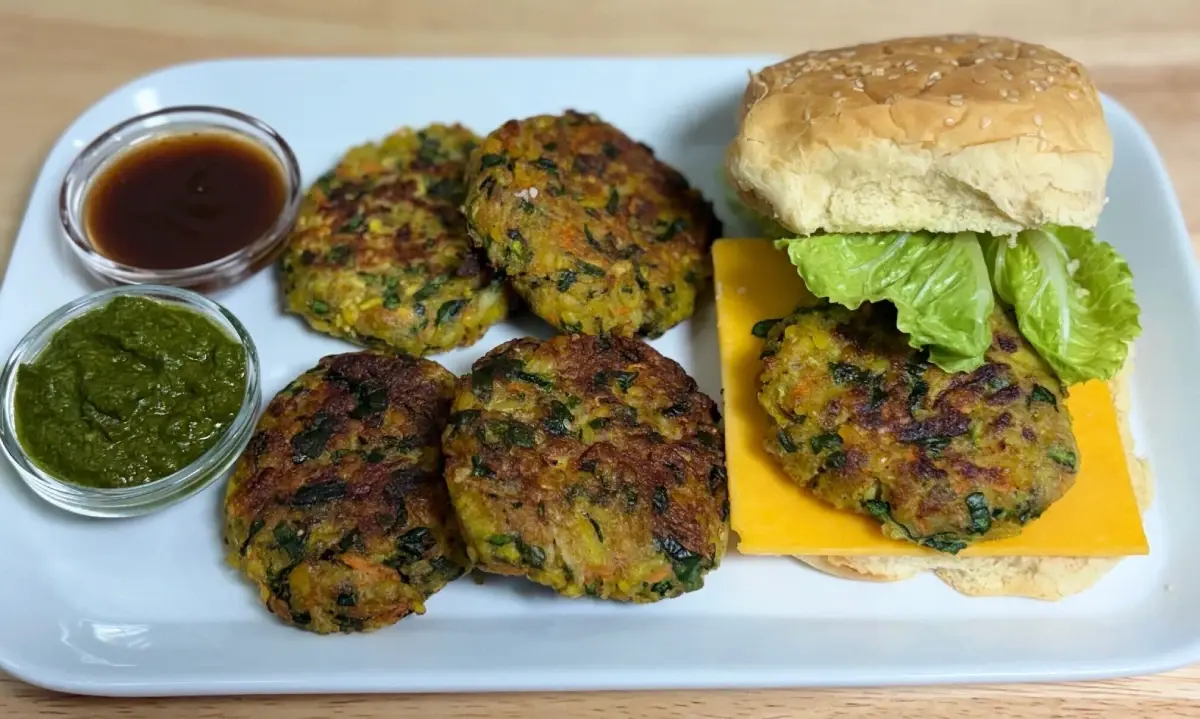
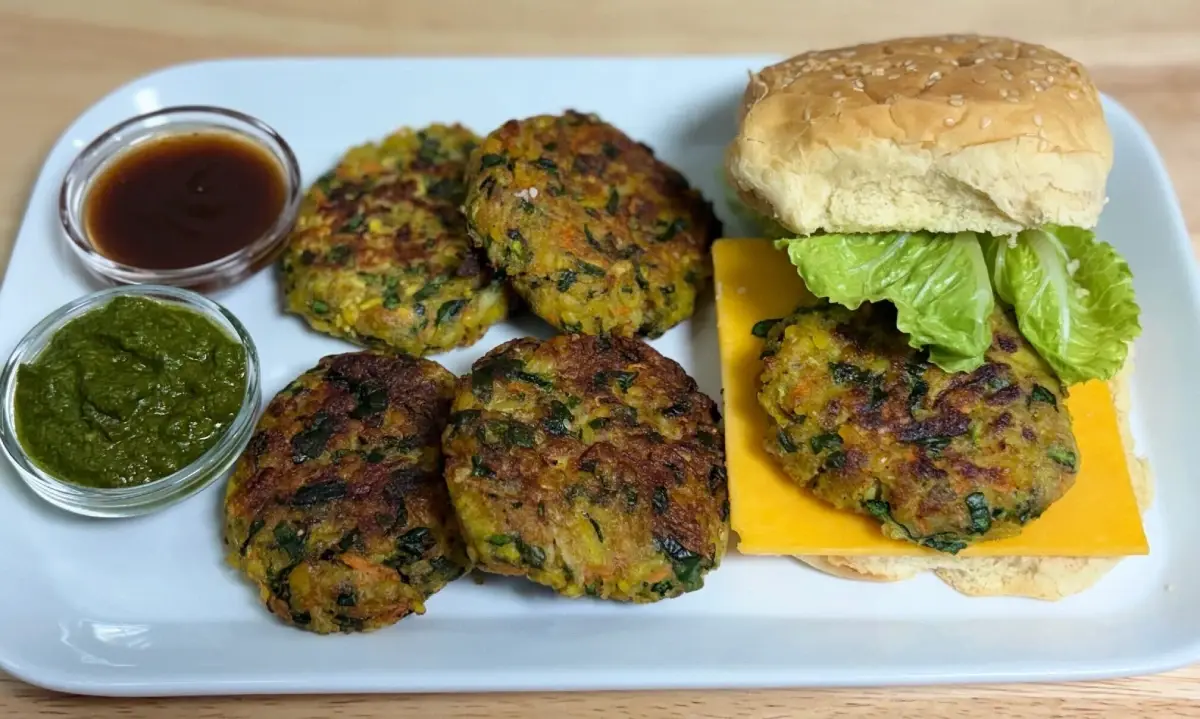
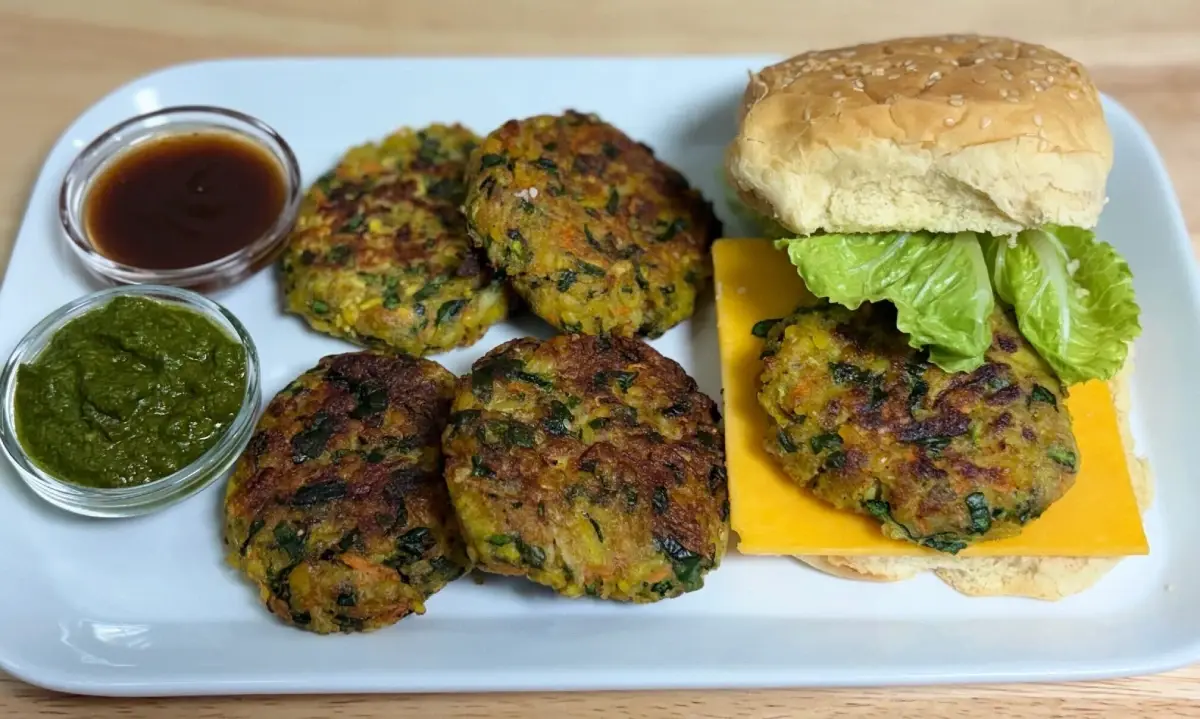
The vegetable patty is more than just a byproduct of clearing out the vegetable crisper; it is a carefully calibrated balance of chemistry and culinary craft. As emphasized by home cooking experts, the secret to a successful patty lies in the interplay between moisture control, binding agents, and seasoning.
The core components of the most requested versions of these patties typically include:
- The Structural Base: Shredded potatoes and zucchini, which provide bulk and a soft, yielding interior.
- The Nutrient Boost: Carrots for sweetness and color, and protein-rich legumes—most notably moong dal—which add satiety and essential amino acids.
- The Binding Matrix: A combination of breadcrumbs and cornstarch, which acts as the "glue" to ensure the patty maintains its integrity during the cooking process.
- The Flavor Profile: A subtle blend of spices that elevates the raw ingredients, allowing the freshness of the produce to take center stage.
Unlike commercial alternatives that often rely on high sodium levels and artificial stabilizers, the homemade vegetable patty is a clean-label food that empowers the cook to control every ingredient that hits the plate.
Chronology: From Grandma’s Kitchen to Modern Culinary Staple
The journey of the vegetable patty is one of evolution. While "cutlets" and "patties" have been a staple in South Asian cuisine for generations—often served as tea-time snacks—their recent surge in mainstream global popularity can be traced through a few distinct phases.
Phase 1: The Traditional Roots
Historically, vegetable patties were the solution to the "leftover problem." Whether it was extra boiled potatoes or a surplus of seasonal greens, grinding these ingredients into a mash, seasoning them, and pan-frying them was a way to reduce food waste while creating a comforting dish for the family.
Phase 2: The Health-Conscious Shift
Over the last decade, the global shift toward plant-based diets has brought the vegetable patty into the spotlight. As people began looking for alternatives to meat-based burgers, the vegetable patty was "re-discovered." It transitioned from a humble side dish to a center-of-the-plate protein source, especially when fortified with pulses like moong dal or chickpeas.
Phase 3: The Digital Culinary Exchange
In the current era, social media platforms and recipe blogs have democratized cooking. When figures like Manjula Jain share their experiences—such as the story of a grandson’s constant craving for these patties—it creates a ripple effect. Thousands of home cooks are now swapping tips, sharing photos of their crispy creations, and iterating on the basic recipe to include international flavor profiles like Mediterranean herbs or Mexican-inspired spices.
Supporting Data: Why Texture Matters
The "crispy-on-the-outside, soft-on-the-inside" dichotomy is the gold standard for any fritter or patty. Achieving this is a technical challenge that relies on the Maillard reaction—the chemical process between amino acids and reducing sugars that gives browned food its distinctive flavor.
- Moisture Management: The single greatest cause of "soggy" patties is excess moisture in the vegetables. Professional techniques, such as salting shredded zucchini and letting it sit before squeezing out the water, are critical. Removing excess water ensures that the starch (cornstarch or flour) can create a crisp crust rather than a gummy interior.
- Thermal Efficiency: Data from home cooking trials suggest that while deep frying is traditional, stovetop grilling with minimal oil provides a superior texture-to-calorie ratio. Furthermore, the rise of the air fryer has changed the landscape; cooking at 375°F (190°C) for 12–15 minutes allows for even browning without the need for excessive fats.
- Protein Integration: Adding moong dal or mashed chickpeas does more than just add protein; it adds a subtle "nutty" flavor and a structural stability that vegetable-only patties often lack.
Official Responses and Culinary Expert Opinions
Nutritionists and chefs alike have weighed in on the resurgence of the vegetable patty. Dr. Aruna Sharma, a consulting nutritionist, notes, "The vegetable patty is a masterclass in ‘stealth health.’ By grating vegetables, you increase the surface area and hide the fibrous texture that some children might otherwise reject. Adding lentils like moong dal effectively turns a snack into a balanced mini-meal, providing both fiber and plant-based protein."
From a culinary perspective, the flexibility of the dish is its greatest strength. Chefs point out that the base recipe acts as a blank canvas. "You can take a standard potato and carrot base and pivot it entirely," says Chef Marcus Thorne. "Add curry powder and cilantro, you have an Indian-inspired snack. Add cumin and lime, you have a Southwest-style patty. Add rosemary and thyme, you have a rustic European burger."
Implications: The Future of Home Cooking
The popularity of these patties has significant implications for modern domestic life.
1. Reducing Food Waste
The ability to incorporate almost any vegetable into a patty format is a powerful tool for sustainability. As food inflation rises, the home cook’s ability to turn overlooked produce into a premium, delicious meal is not just a hobby—it is an economic strategy.
2. The Return to "Slow Food"
While the prep time for a vegetable patty might be longer than ordering a delivery, the psychological reward is higher. The anecdotal evidence—the creation of "sweet memories"—suggests that the act of cooking together is as important as the nutrition of the food. Families are increasingly using these recipes as an opportunity to teach younger generations about ingredients, preparation, and the value of homemade meals.
3. Customizable Nutrition
With the rise of allergies and specific dietary requirements (gluten-free, vegan, nut-free), the ability to customize a patty is invaluable. Because the ingredients are simple and whole, it is easy to swap a binder (e.g., using rice flour instead of breadcrumbs) without compromising the structural integrity of the final product.
Conclusion: A Simple Legacy
The vegetable patty is, at its core, a testament to the power of simplicity. It does not require expensive equipment or rare ingredients. Instead, it relies on the fundamentals of cooking: preparation, seasoning, and a bit of patience.
Whether it is served as a quick after-school snack, a sophisticated burger alternative, or a side dish for a dinner party, the vegetable patty has earned its place in the modern kitchen. It serves as a reminder that the most impactful culinary experiences aren’t always the most complicated ones. As many home cooks have learned—and as many grandsons have enthusiastically confirmed—sometimes, the best recipe is simply the one made with love, a few fresh vegetables, and the willingness to stand at the stove for a few extra minutes.
As we look toward the future of food, where health and sustainability are increasingly prioritized, the vegetable patty stands as a bridge between the traditions of the past and the nutritional needs of the future. It is a humble, crispy, and comforting classic that proves that great food is truly timeless.