New Delhi | Updated: Oct 14, 2026
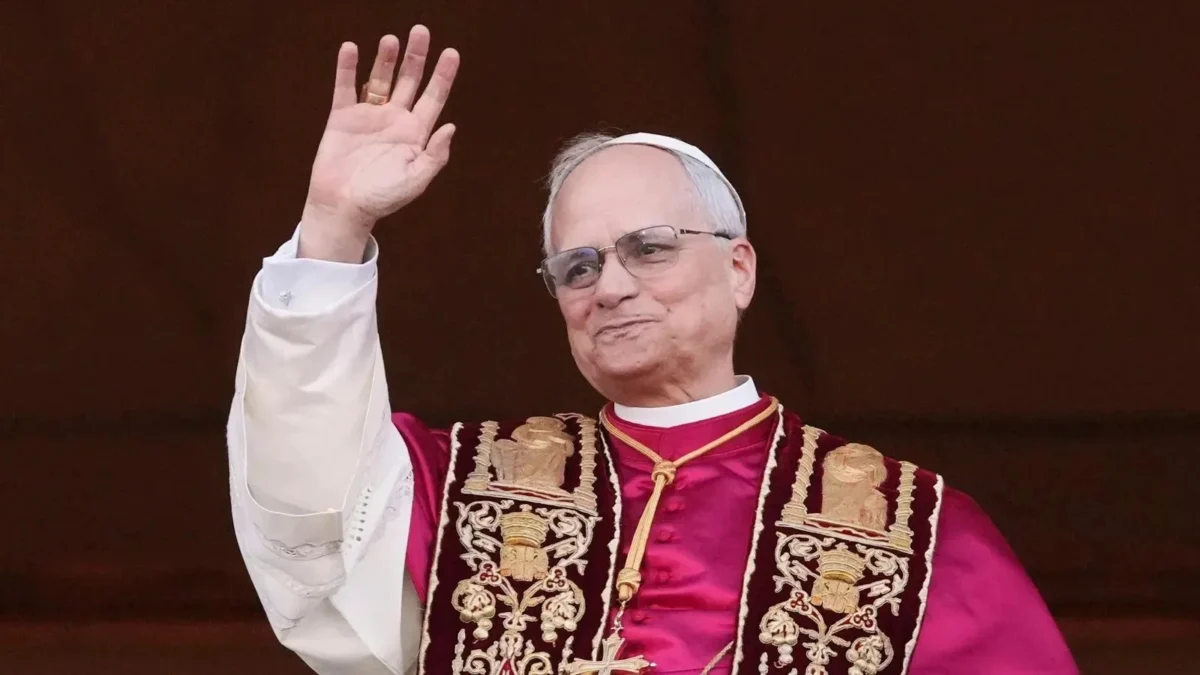
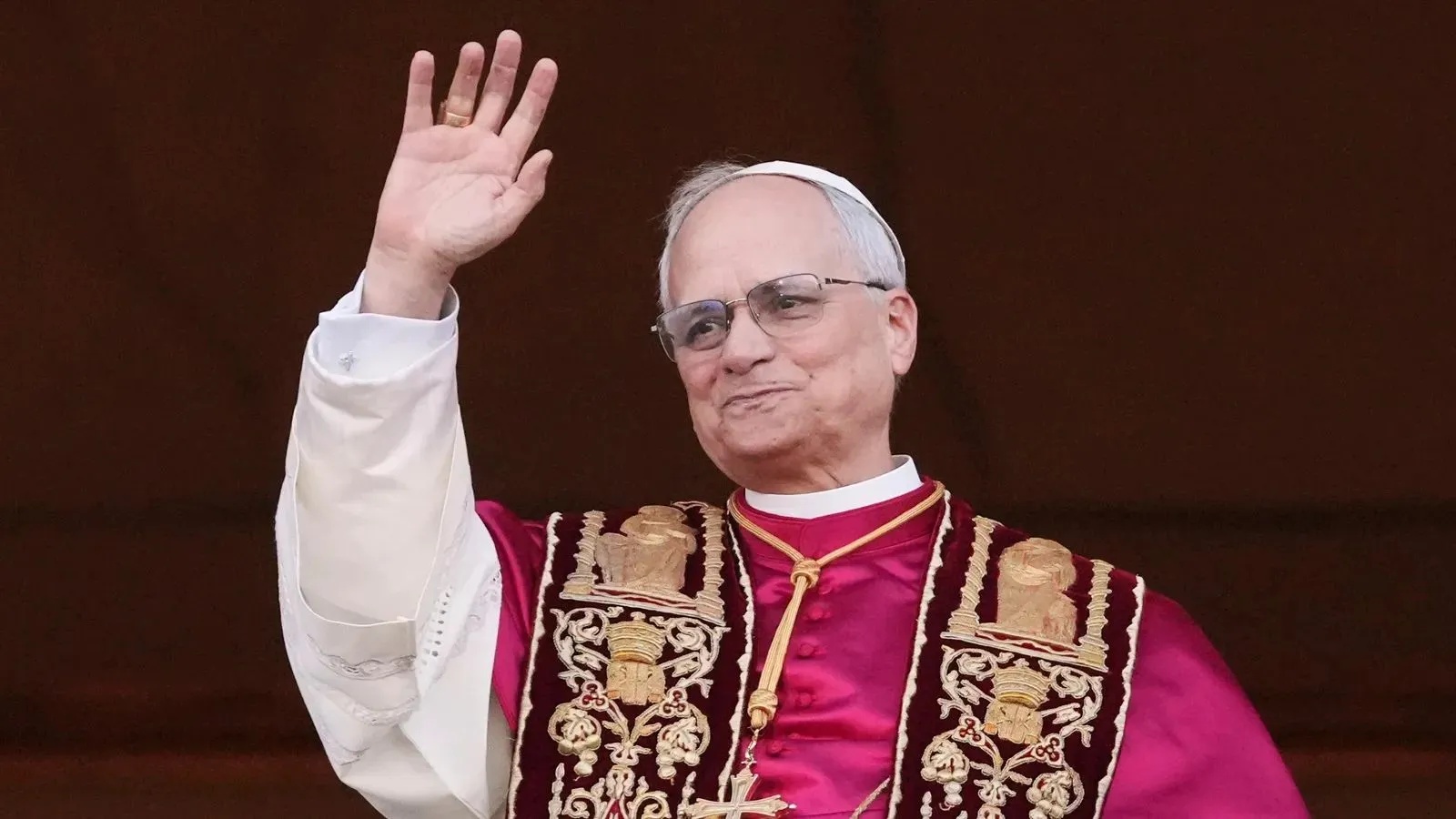
In a significant development that has drawn global attention, the Vatican has confirmed that Pope Leo XIV, 71, has undergone a successful surgical procedure to remove the lower lobe of his right lung. The pontiff, who was diagnosed with lung adenocarcinoma—a prevalent form of non-small cell lung cancer—is currently recovering at Rome’s Gemelli Hospital. The medical intervention, which lasted approximately 90 minutes, marks a critical moment in the health journey of the head of the Catholic Church.
The Medical Procedure: Understanding the Lobectomy
The surgery performed on Pope Leo XIV is clinically referred to as a "lobectomy." In medical terms, this procedure involves the surgical removal of an entire lobe of the lung. The human right lung is comprised of three lobes—the upper, middle, and lower—while the left lung consists of two. By removing the lower lobe, surgeons aim to excise the malignant tissue while preserving the remaining, healthy portions of the respiratory organ.
According to medical experts, a lobectomy is the "gold standard" of care for patients diagnosed with localized lung cancer. It is chosen when the tumor is confined to a specific region of the lung, allowing for a curative approach. While the procedure is invasive, it is frequently performed globally to treat early-stage adenocarcinoma, offering patients a significant chance at long-term remission.
Chronology of Events: From Diagnosis to Recovery
The timeline of the Pope’s medical care has been characterized by swift professional action. Following the confirmation of the adenocarcinoma diagnosis through diagnostic imaging and biopsies, the surgical team at Gemelli Hospital scheduled the operation for the morning of October 14, 2026.
- Pre-Operative Phase: Upon admission, the Pope underwent a series of cardiac and pulmonary function tests to ensure his system could withstand the physiological demands of a thoracic surgery.
- The Surgery: Vatican bulletins reported that while the actual resection of the lung lobe took approximately 90 minutes, the total duration of the Pope’s time in the operating room extended to three hours. This additional time accounts for anesthesia administration, precise positioning, and post-operative monitoring.
- Post-Operative Status: The Vatican confirmed there were no immediate intraoperative complications. The pontiff is expected to remain under clinical supervision at Gemelli Hospital for approximately one week to manage pain, ensure respiratory stability, and begin early physical therapy, which is essential for post-thoracic surgery recovery.
Decoding Lung Adenocarcinoma
To provide greater clarity on the Pope’s condition, we reached out to Dr. Jinesh Singhavi, a consultant medical oncologist at KIMS Hospitals, Thane. Dr. Singhavi explains that lung adenocarcinoma is a subset of non-small cell lung cancer (NSCLC).
"It is one of the most common forms of lung cancer," Dr. Singhavi noted. "It originates in the glandular cells that line the airways, which are responsible for producing mucus. Because these cells are found throughout the lung, adenocarcinoma can present in various locations."
The gravity of an adenocarcinoma diagnosis is never static; it is fluid, depending on several prognostic indicators:
- Tumor Size: Larger tumors may indicate more advanced disease.
- Location: The proximity of the tumor to major blood vessels or airways dictates surgical feasibility.
- Nodal Involvement: Whether the cancer has migrated to the regional lymph nodes.
- Molecular Characteristics: Modern oncology now uses genetic profiling of the tumor cells to determine if specific mutations are driving the cancer’s growth, which can dictate the success of targeted therapies.
The Role of Lymph Node Assessment
A point of public confusion often arises regarding the "routine" examination of lymph nodes during such surgeries. Many assume that if lymph nodes are being examined, it is a sign that the cancer has already spread. Dr. Singhavi clarifies that this is a standard, precautionary protocol.
"Lymph nodes act as the body’s filtration stations. In lung cancer surgery, surgeons perform a ‘lymph node dissection’ or ‘sampling’ alongside the lobectomy," he explained. "We examine these nodes under a microscope to establish the pathological stage of the cancer. This is a critical step in determining whether the patient requires adjuvant therapy—such as chemotherapy or immunotherapy—following the surgery. It does not automatically imply metastasis; it is a vital part of comprehensive cancer staging."
Is Surgery a "Cure"?
The term "successful surgery" is a milestone, but medical professionals are careful to distinguish between a successful operation and the completion of treatment.
"Removing the tumor is the primary and most important step," says Dr. Singhavi. "However, the final pathology report is the definitive document. It will detail the margins of the tissue to ensure no microscopic cancer cells were left behind and confirm the status of the lymph nodes. Depending on these findings, the medical team will decide whether the Pope requires further monitoring or a course of systemic treatment. At this stage, it would be premature to speak of a prognosis."
Official Vatican Response and Public Sentiment
The Vatican’s communication strategy has been transparent, with regular medical bulletins aimed at quelling speculation while maintaining the privacy of the pontiff. The swift updates have provided a level of reassurance to the millions of faithful worldwide who hold the Pope in high regard.
The choice of Gemelli Hospital is significant; it has long served as the primary medical facility for the Papacy. The facility is equipped with advanced thoracic surgery units, ensuring that the Pope receives world-class care. Vatican spokespersons have emphasized that the Pope remains in good spirits and is receiving excellent care from his medical team.
Implications for the Future
The recovery period for a 71-year-old following a lobectomy is significant. Respiratory rehabilitation will be the primary focus for the weeks following his discharge from the hospital. The lungs have a remarkable capacity to compensate for lost tissue, but this process requires diligent physical therapy and controlled breathing exercises.
For the Vatican, the immediate future will involve a temporary reduction in the Pope’s public engagements. Administrative duties will likely continue, albeit at a measured pace to prioritize his recovery.
Broader Context: Why Lung Health Matters
The Pope’s diagnosis serves as a poignant reminder of the importance of lung health. While adenocarcinoma can occur in non-smokers and is often linked to genetic factors or environmental exposures, it underscores the necessity of regular health screenings for those in the high-risk age demographic.
As the medical community awaits the final pathology reports, the focus remains on the Pope’s healing. The outcome of his surgery will be monitored not only by his medical team but by a global audience invested in his health and his leadership.
Disclaimer: This article is based on information from the public domain and insights provided by medical experts. It is intended for educational purposes only. Always consult a licensed healthcare practitioner for medical advice, diagnosis, or treatment regarding your own health concerns.