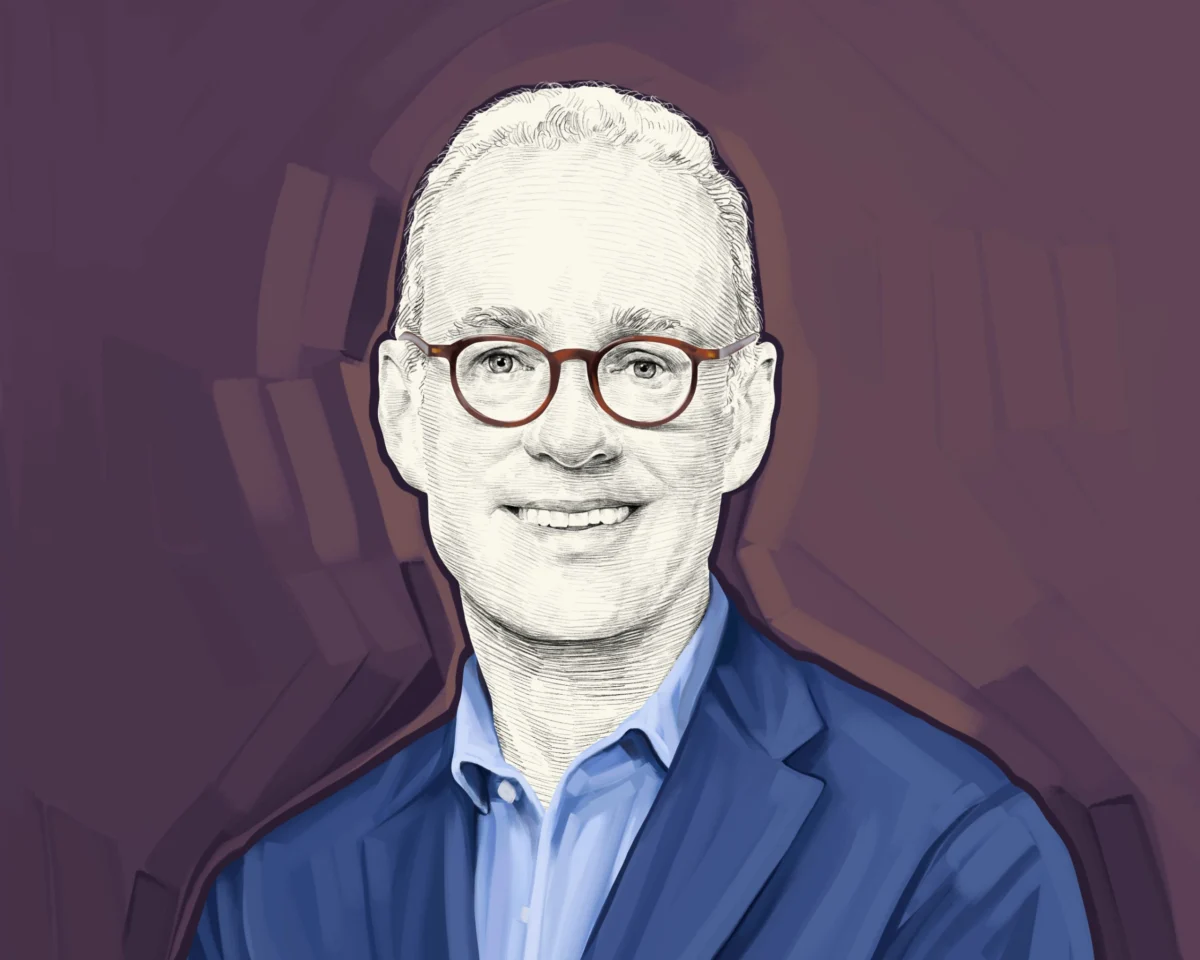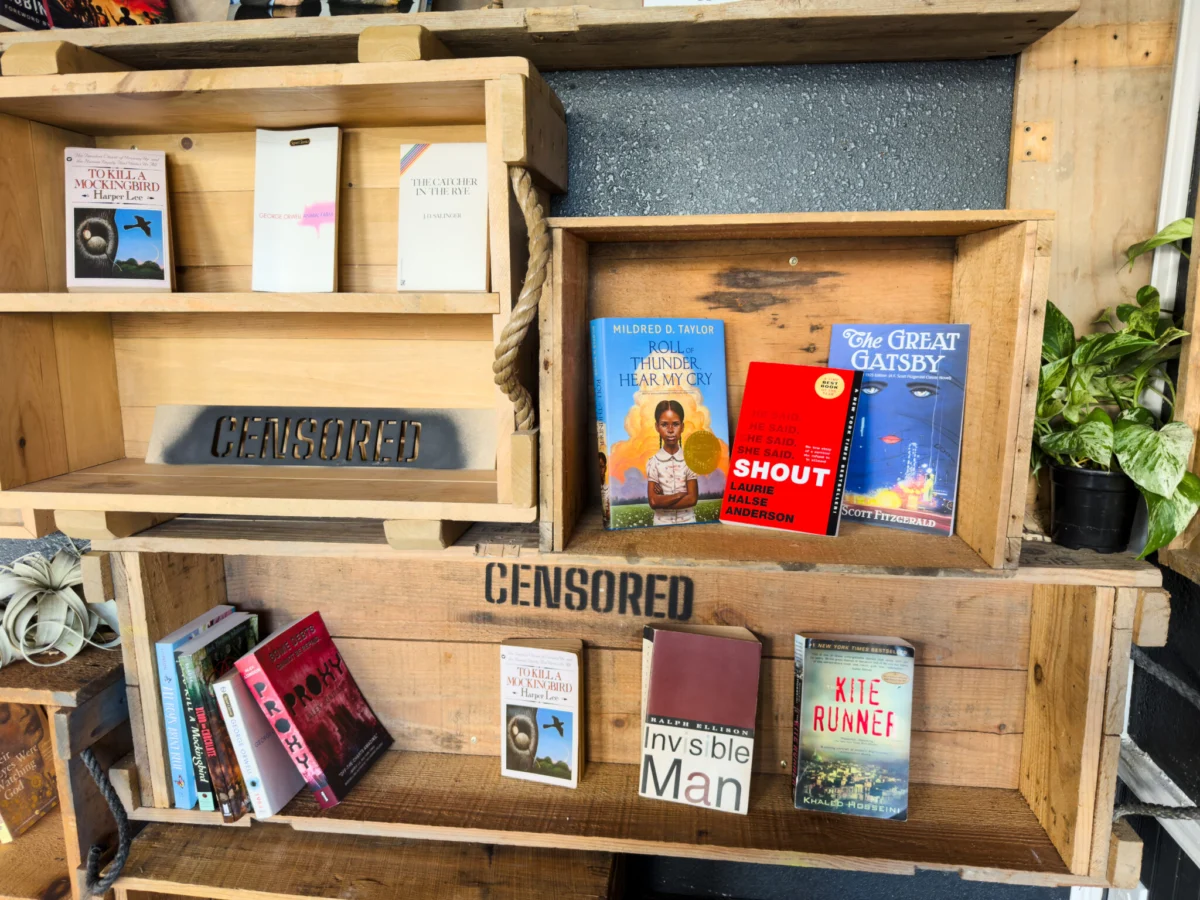
In the quiet town of Bastrop, Texas, a new cultural front has opened. Ryan Holiday, the renowned author and proprietor of The Painted Porch bookstore, has launched an initiative that strikes at the heart of an increasingly polarized national debate: the “Banned Books Library.” This project, born from a frustration with the rising tide of educational censorship, serves as a free, accessible repository for literature that has been pulled from school shelves, challenged by local boards, or suppressed by institutional mandates.
The initiative is not merely a collection of books; it is a direct retort to what Holiday describes as a “deranged” trend of intellectual gatekeeping. By curating titles that have been targeted for removal across the United States, the library seeks to challenge the assumption that protecting citizens—or students—from “provocative” ideas is a moral or necessary act.
The Anatomy of the Controversy: From Silly to Serious
The irony of the current censorship movement is often found in the absurdity of the targets. For many parents, the gateway to this realization was the I Need a New Butt! series by Dawn McMillan. The books, which are essentially lighthearted, age-appropriate explorations of childhood humor, have been the subject of intense scrutiny.
In 2022, the absurdity turned into life-altering consequences when Toby Price, an assistant principal in Mississippi, was terminated for reading I Need a New Butt! to a group of second graders. The incident, which resulted in a protracted legal battle, highlighted the fragility of educator autonomy. Price was eventually reinstated, but the incident left a chilling effect on the school district and served as a bellwether for the “grooming” rhetoric that has since dominated school board meetings across the country.
This phenomenon is not an outlier. In Llano County, Texas, the effort to purge libraries of “offensive” material led to the removal of numerous titles, with activists labeling standard library collections as “grooming stuff.” The movement, which often lacks nuance, frequently descends into farce—such as when a parent in Bastrop protested a book she believed contained explicit content, only to discover that the school did not even own the book in question. She had confused the title with a benign story about a boy who mows lawns.

Chronology of a Cultural Shift
The trend of book challenges has accelerated significantly over the past five years, moving from occasional parental concerns to coordinated political campaigns.
- 2021–2022: A surge in book challenges hits Texas and Florida, with school boards increasingly pressured to remove titles dealing with race, gender, and sexuality.
- September 2022: The firing of Toby Price in Mississippi draws national attention to the risks educators face when selecting reading material.
- 2024: The ACLU initiates legal action in Colorado to combat the removal of George Orwell’s 1984 from local schools—a development many critics labeled the ultimate irony of anti-censorship irony.
- 2025: Ryan Holiday’s planned speech at the U.S. Naval Academy is canceled moments before he is scheduled to take the stage. The reason? His intention to criticize the institution’s decision to remove hundreds of books from its library for being “too woke.”
- August 2026: The Banned Books Library officially opens its doors in Bastrop, Texas, creating a permanent, public-facing challenge to the local and national censorship landscape.
Intellectual Inoculation: The Case for Dangerous Reading
At the core of the debate is a fundamental disagreement over the role of education. Is the goal of a library to shield students from challenging or uncomfortable ideas, or is it to prepare them to navigate a world full of conflicting viewpoints?
The historical precedent for reading “dangerous” books suggests that exposure is, in fact, an inoculation. Holiday points to the experience of Commander James Stockdale, who spent seven years as a prisoner of war in North Vietnam. Stockdale, who had studied Marxist theory at Stanford, found that his deep understanding of the ideology—gained through primary, unedited sources—allowed him to intellectually dismantle his captors. He was not converted by the books; he was strengthened by them.
This perspective echoes the classic warnings of Ray Bradbury’s Fahrenheit 451. While often taught as a warning against government tyranny, a mature reading of the text reveals a more uncomfortable truth: the citizens of Bradbury’s dystopia wanted the books burned. They sought comfort, simplicity, and the removal of anything that made them think. As Captain Beatty explains, censorship is often a grassroots, “well-intentioned” desire to ensure no one feels offended or out of place.
Official Responses and the “Censorship” Semantics
The debate over what constitutes a “ban” has become a linguistic battleground. Proponents of removal argue that if a book is still available on Amazon or in a public bookstore, it is not “banned.” They characterize their actions as “curating,” “restricting access,” or “age-appropriateness vetting.”

Critics, including librarians, the ACLU, and authors like Holiday, argue that this is a distinction without a difference. When a school district removes a book from a library, it is an act of state-sanctioned censorship. For a student without the financial means to buy the book elsewhere, the school library is their only access point. When that access is denied, the education is curtailed.
The economic and professional costs are also significant. School districts across the country have spent millions in taxpayer dollars on legal fees defending the removal of books, often resulting in lost lawsuits. Furthermore, the threat of fines or imprisonment for educators in certain jurisdictions has led to a widespread “soft censorship,” where librarians proactively remove controversial books to avoid becoming the next headline.
The Implications for a Democratic Society
The move toward restricting library access carries profound implications for the future of American civil discourse. When citizens are conditioned to believe that books are inherently dangerous—that reading a text is equivalent to endorsing its contents—the capacity for critical thinking atrophies.
1. The Erosion of Intellectual Diversity
When school boards remove books on the basis of political or religious preference, they shrink the intellectual horizon of the next generation. The result is a student body that is ill-equipped to handle the complexities of history, race, and identity.
2. The Rise of "Comfort Culture"
The current drive for censorship is a reflection of a society that prioritizes emotional comfort over intellectual rigor. By removing books that make adults or children “uncomfortable,” we are creating a fragile society that shatters when faced with the realities of the human experience.

3. The Digital Echo Chamber
While physical books are being pulled from shelves, the digital landscape is simultaneously reinforcing silos. People are increasingly reading only what confirms their existing biases. By removing the physical, tangible act of reading books that might challenge one’s worldview, society is losing its last line of defense against total ideological conformity.
A Call to Action: The Banned Books Library
The Banned Books Library in Bastrop is designed to be a physical monument to the importance of the First Amendment. It is not an endorsement of the ideas contained within the books on its shelves; rather, it is an endorsement of the right to encounter those ideas.
As the project gains momentum, it serves as a rallying point for those who believe that the solution to a controversial book is not a bonfire, but a conversation. As Holiday notes, the goal is not to be right, but to be informed. By providing access to the very books that institutions are trying to suppress, the library invites the public to do the one thing that authoritarians have always feared: to read, to wrestle, and to think for themselves.
In a nation currently obsessed with the power of the written word to offend, the Banned Books Library offers a simple, radical proposition: Read the books they don’t want you to see. The future of a free society may depend on it.