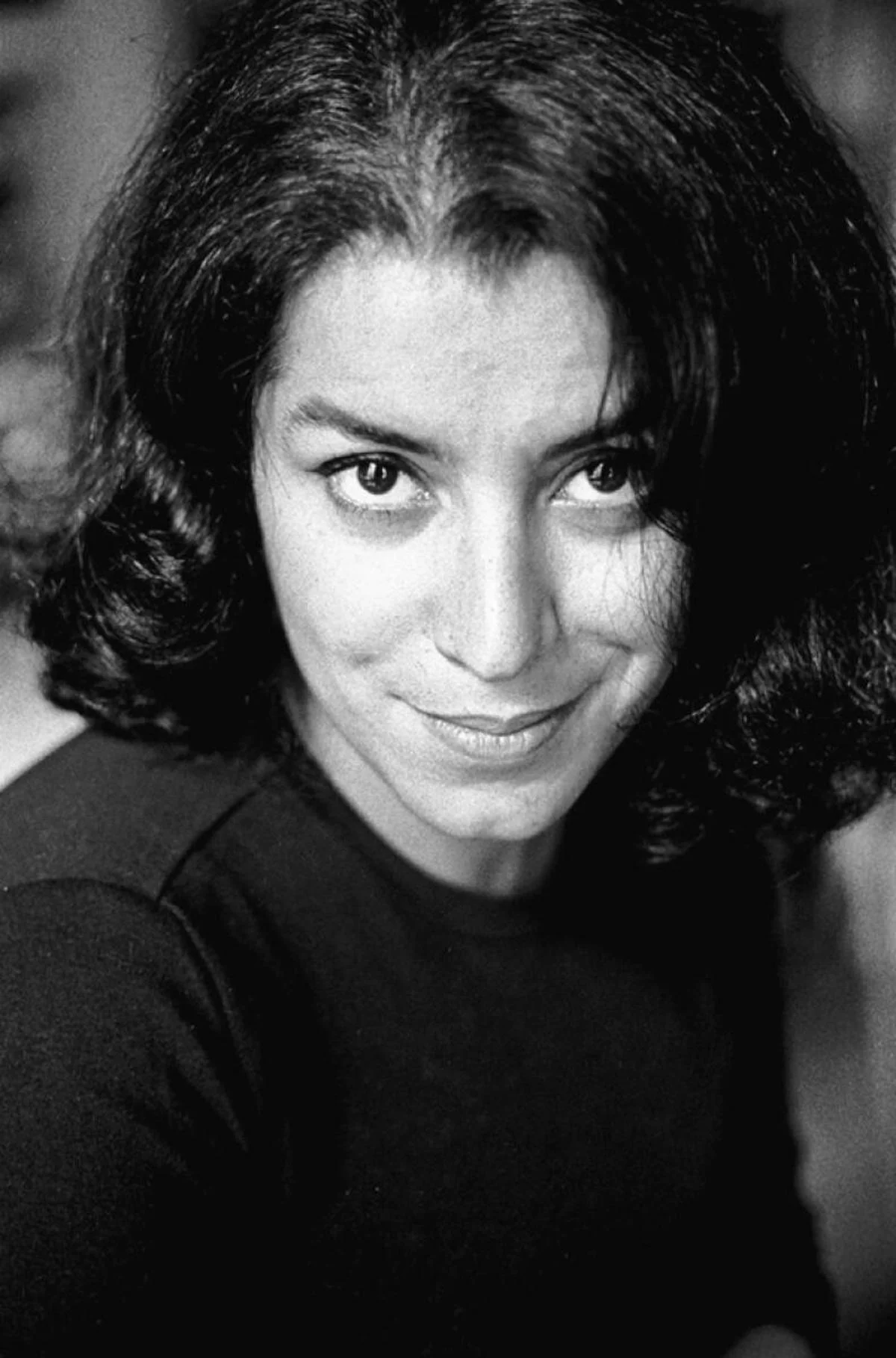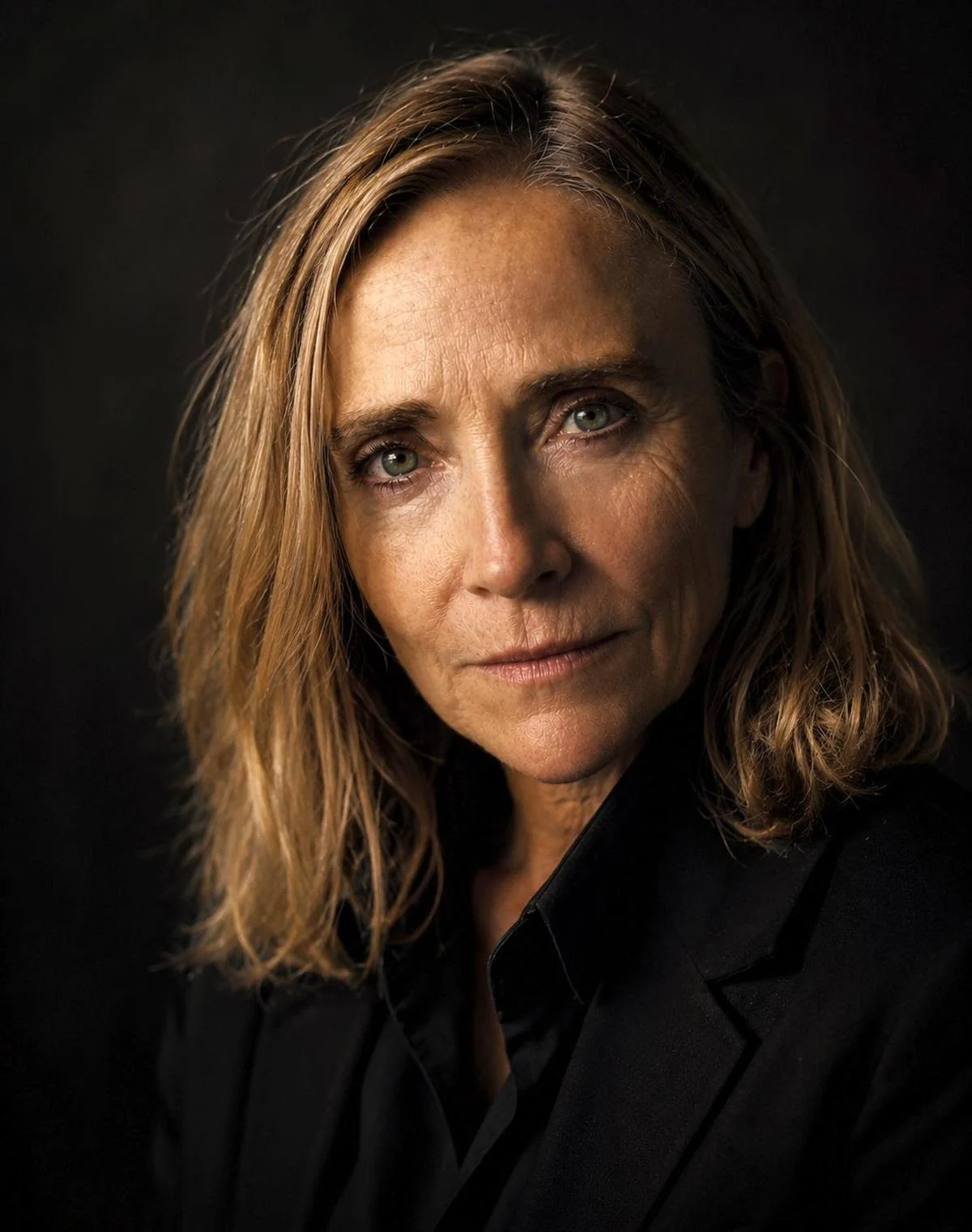
Bram Stoker’s Dracula has been whispered, filmed, and staged for over a century, yet the bloodthirsty Count remains as elusive and terrifying as ever. In a bold new immersive audio adaptation produced by Audible, the iconic vampire is being reimagined not merely as a supernatural beast, but as a chilling metaphor for modern power, greed, and the unchecked influence of the elite. Directed by horror visionary Mary Lambert, this production breathes fresh life into the Victorian classic, casting Bridgerton star Jonathan Bailey as a Count who wields psychological terror as effectively as his fangs.
Main Facts: A Star-Studded Descent into Darkness
The production is not just a standard audiobook; it is a full-cast, immersive soundscape designed to place the listener at the center of the terror. At the heart of the project is a formidable ensemble cast that includes Jonathan Bailey as the titular Count, Ella Purnell as the resilient Mina Harker, David Jonsson as the introspective Dr. Seward, and Maggie Gyllenhaal, who takes on the role of a gender-swapped Van Helsing.
Mary Lambert, the director behind the seminal 1989 horror classic Pet Sematary, brings a seasoned eye—and ear—to the project. Speaking from her home in New York, Lambert characterizes this iteration of Dracula as a figure specifically tailored for the 21st century. "He is a Dracula for our age," Lambert asserts. "The horror that Bailey brings to the character is that of someone who has absolute control and power over your life and soul. It is a reflection of the people in our society today who are so wealthy and powerful that they operate without consequence."

Chronology: Reimagining the Narrative Arc
While the production remains faithful to the core tenets of Stoker’s 1897 novel, it structures the narrative to give weight to characters often sidelined in cinematic adaptations. The project follows a meticulous recording process, where each actor was recorded separately, allowing for a "laser focus" on individual performance and character depth.
The Evolution of the Ensemble
- The Scientist and the Soul: Traditionally, Dr. Seward is relegated to the role of a functional narrator, a man who merely records the events of the story on his phonograph. In this adaptation, David Jonsson is given the space to explore Seward’s internal journey. He is positioned as the moral anchor of the story—a man who suffers profound personal loss, forgives his rivals, and ultimately makes the greatest sacrifice to save those he loves.
- The Agency of Mina: Ella Purnell’s portrayal of Mina Harker shifts the center of gravity. Rather than a victim in need of rescue, this Mina is the strategic architect of the resistance. She is the one who synthesizes the disparate clues and guides the group to understand the nature of the beast they are fighting.
- The Gender-Swapped Catalyst: The most significant departure from the original text is the reimagining of Van Helsing. By casting Maggie Gyllenhaal, the production introduces a "feminine" approach to the conflict—a blend of rigorous science and deep, intuitive spirituality that argues for a holistic approach to healing the human condition.
Supporting Data: Why We Still Fear the Count
Lambert’s fascination with Dracula stems from a lifelong obsession with the themes of mortality that permeate the novel. At 74, the director views the vampire as the ultimate symbol of a society’s desperate, often grotesque, obsession with youth and immortality.
"Our society is obsessed with the idea of being young forever," Lambert notes. "Plastic surgery, fillers, supplements—they are just temporary measures to postpone the inevitable. The vampire represents the ultimate triumph over that inevitability, but at the cost of the soul."

The production also highlights the "erotic love" between Mina and Lucy (played by Aimee Lou Wood), an element often muted or ignored in previous adaptations due to the societal constraints of the Victorian era. By leaning into these relationships, the audio drama transforms the conflict from a simple hunt for a monster into a desperate battle to save the humanity and connections of the protagonists.
Official Responses and Creative Philosophy
The transition from visual filmmaking to audio drama presented a unique set of challenges for Lambert, who is renowned for her visual flair in music videos for artists like Madonna. Despite being a "very visual person" who describes herself as a painter and an observer of nature, Lambert found the audio medium surprisingly liberating.
"When I listen to an audiobook, I vividly imagine the scenes," Lambert explains. "It is sometimes better than having someone else show me pictures because I am seeing what is there for me. It’s an internal experience."

Regarding the casting of Jonathan Bailey, Lambert is effusive in her praise. She insists that Bailey avoids the tropes of the "monster." Instead, his Dracula is polite, calculated, and terrifyingly human. "When he tells you what he is going to do, he does not act like a monster. The monster is within, and you will feel it when you hear his performance."
Maggie Gyllenhaal’s involvement as Van Helsing was a strategic choice to emphasize the need for balance. Lambert argues that in a world dominated by purely material or scientific pursuits, the perspective of a woman who understands spiritual and mental health is vital. "Women understand that there are spiritual mysteries that we can’t necessarily solve with science or machinery," she adds.
Implications: A Mirror to Modernity
The overarching implication of this production is that Dracula is not a story about the past, but a warning for the present. When Lambert speaks about Dracula’s power to "destroy nature, your job, or your family," she is drawing a direct line between the literary villain and the modern power structures that impact everyday lives.

The Shift in Horror
- From Jump Scares to Psychological Dread: By stripping away the visual, the production forces the listener to construct the horror in their own mind, making it personal and inescapable.
- The Redistribution of Power: By centralizing the perspectives of women and the "moral hearts" like Dr. Seward, the production updates the Victorian power dynamics to reflect contemporary values.
- The Soul as the Battlefield: The adaptation clarifies that the true stakes are not the physical blood of the victims, but the possession of their agency and their souls.
As the production reaches a new generation of listeners, it serves as a reminder that the most terrifying monsters are not those that lurk in shadows, but those who operate in broad daylight, fully aware of their influence and utterly indifferent to the damage they leave in their wake.
For those looking to engage with a classic that feels startlingly contemporary, this audio adaptation of Dracula is more than a retelling—it is a profound exploration of what it means to remain human in the face of absolute, predatory power.
Dracula is currently available on Audible, inviting listeners to close their eyes and confront the monster that has been hiding in plain sight for over a century.