By Crystal Bell
October 11, 2026
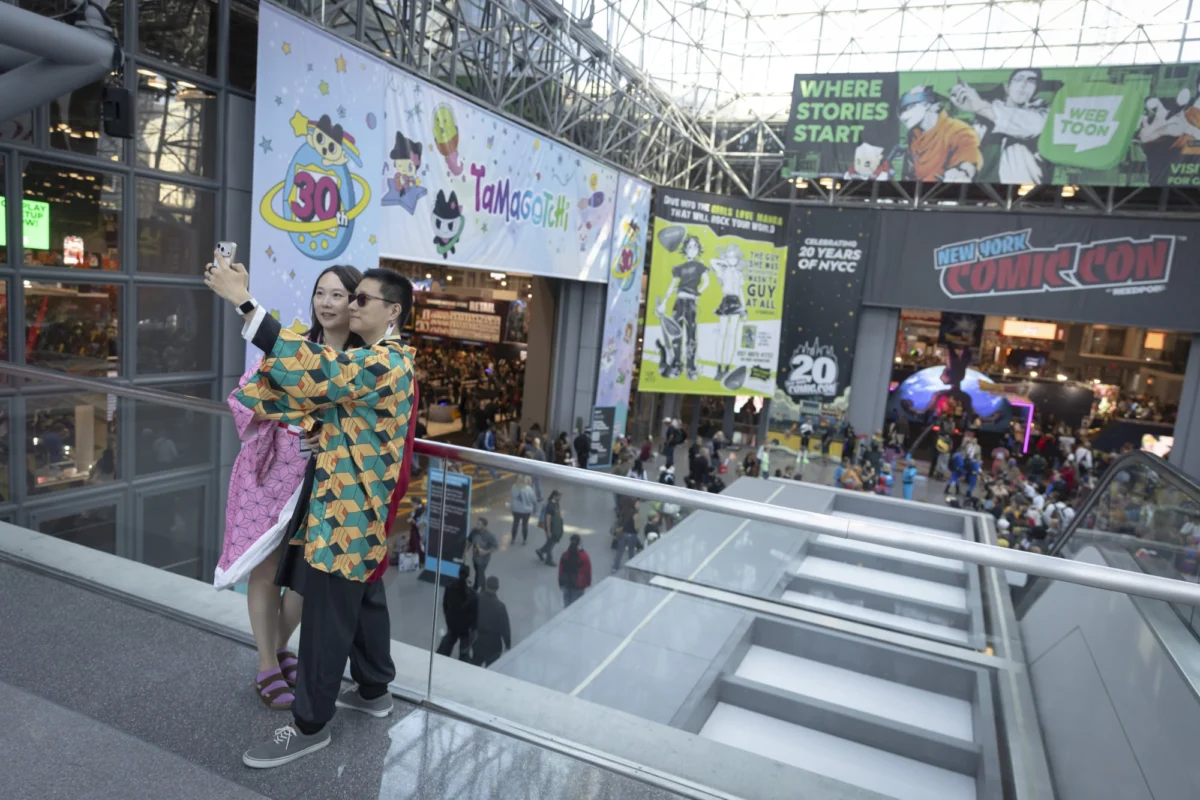
From the high-altitude vantage point of the creator lounge at New York Comic Con (NYCC), the scene below is a rhythmic, pulsating sea of humanity. Thousands of fans stream through the Javits Center’s main entrance, a kaleidoscopic procession of intricate cosplays, towering custom props, and iconic characters brought to life. Above them, massive banners celebrating everything from Tamagotchi and The Apothecary Diaries to the latest in high-stakes television dramas hang like digital-age tapestries. It is a spectacle in its own right—and, by design, the perfect backdrop for a viral TikTok.
In 2026, the traditional comic convention is no longer just a place to buy rare issues or meet voice actors; it is a sprawling, multi-platform content studio. As fandom migrates from physical aisles to digital feeds, event organizers are fundamentally rethinking the architecture of the "con" experience.
The Evolution of the Convention Floor
The transition from a passive trade show to an active content hub began in earnest following the pandemic. As live events returned in 2021, the organizers of NYCC realized that the attendees weren’t just consumers of pop culture—they were the primary broadcasters of it.
Fallon Prinzivalli, marketing director for NYCC, recalls the pivotal experiment in 2021 when the convention invited two creators to take over its official TikTok account. The results were immediate and massive, reaching over 8 million people in just four days. That proof-of-concept catalyzed a shift in strategy. "We started engaging with them very intentionally following the pandemic when live events were coming back," Prinzivalli notes.

This year, that intentionality is visible in every corner of the Javits Center. The venue’s famous "Crystal Palace" has been engineered with the camera in mind. Organizers strategically designed the lower portions of the venue’s massive banners to serve as aesthetically pleasing backgrounds for mobile video, ensuring that every fan’s selfie or livestream serves as an unintentional, yet highly effective, piece of marketing for the brand.
Chronology of a Paradigm Shift
The formalization of the "Creator Program" at NYCC marks a departure from the traditional binary of "press vs. fan." Previously, influencers and digital creators were forced to navigate the murky waters of press credentialing, often failing to qualify under traditional editorial definitions.
- 2021: Post-pandemic return; the "TikTok Takeover" experiment proves the immense reach of creator-led coverage.
- 2022-2024: The introduction of specific "Creator Badges" and the pilot phase of the dedicated lounge space.
- 2025: Expansion of livestreaming infrastructure, including on-floor studios and professional-grade broadcast setups.
- 2026: The full integration of "content-first" architecture, with lounges, filming zones, and professional resources becoming standard features of the convention layout.
Today, NYCC fields thousands of applications for its limited pool of complimentary creator badges. While the internal threshold generally requires a footprint of at least 200,000 followers, the selection process has become increasingly nuanced, favoring originality, community engagement, and cultural impact over raw follower counts alone.
Supporting Data and The "Creator-First" Infrastructure
The logistical needs of a modern creator go far beyond a simple media pass. They require high-bandwidth connectivity, power, and, perhaps most importantly, a sanctuary from the relentless chaos of the show floor.
The dedicated creator lounge at NYCC is the crown jewel of this new infrastructure. It provides a quiet, elevated space to edit raw footage, charge camera gear, and conduct interviews. According to Prinzivalli, the lounge was born out of a desire to foster a "third space" where creators could cross-pollinate, collaborate on videos, and share resources—even down to the humble tripod.

The numbers suggest that this investment is paying off. By catering to the needs of the "professional fan," NYCC has secured an army of organic marketing partners. These creators arrive with their own audiences, their own editing suites, and, increasingly, their own professional standards.
Official Perspectives: The Professionalization of Fandom
The blurred line between "fan" and "reporter" is a subject of constant discussion within the industry. Brandon Bullock, known to his followers as Anime News Guy, exemplifies this new hybrid professional. For Bullock, the creator lounge is a workplace. When major industry announcements drop on the show floor, he is tasked with the immediate production cycle: film, edit, upload.
"I identify as a reporter," Bullock says, acknowledging that the industry’s view of such titles is catching up to the reality of the work.
This sentiment is echoed by Kallen Zborovsky-Fenster, a New York-based creator who treats the convention as a high-priority production week. He spends weeks in advance prepping interview segments and mapping out his content calendar. For Zborovsky-Fenster, the value of the badge is not just the access—it’s the networking. "When you meet new people, through them, you meet more people," he explains. The convention is no longer just an event; it is a hub for industry career building.
Implications for the Future of Pop Culture
The implications of this shift are profound for both the conventions and the brands that exhibit at them.

1. The Circularity of Fandom
The relationship between online and offline engagement has become a closed loop. Digital communities discuss, theorize, and obsess over content online, leading them to meet in person at conventions. Once there, their experiences are documented, uploaded, and returned to those same digital communities, fueling the cycle for the next year.
2. Design for the Lens
"We’re very conscious that everything we create now is a shareable moment," Prinzivalli says. This means the physical layout of the Javits Center is now dictated by optics. Signage, sponsor activations, and event flow are all optimized for the vertical aspect ratio of a smartphone screen.
3. The Celebrity of the Creator
Perhaps the most striking change is the rise of the creator as a main attraction. Attendees often stop well-known influencers for photos, treating them with the same fervor once reserved exclusively for Hollywood A-listers. This creates a fascinating power dynamic where the person documenting the event becomes as much of an attraction as the event itself.
4. The Human Element
Despite the high-tech focus and the production schedules, the heart of the convention remains remarkably human. Creators like Caroline Martini (@newyorkcaroline) emphasize that while the professional perks are great, the true value lies in the shared experience. She notes that she often avoids the lounge to remain on the floor with her friends, proving that even in a world of professional content production, the "fan" experience remains the primary driver.
Conclusion: A New Era of Connection
As NYCC concludes its 20th anniversary year, the message is clear: the convention is no longer a static event. It is a living, breathing studio. By embracing the creator economy, organizations like ReedPop are ensuring that the spirit of fandom continues to thrive in an era where, if an event isn’t captured, shared, and discussed, it might as well not have happened at all.

For the aspiring creators and the lifelong fans alike, the Javits Center has become a place where usernames become faces, mutuals become collaborators, and the ephemeral joy of a costume or an interview becomes a permanent part of the digital record. The convention floor is officially the world’s largest content stage, and the show has only just begun.