Last Updated: October 10, 3:30 PM
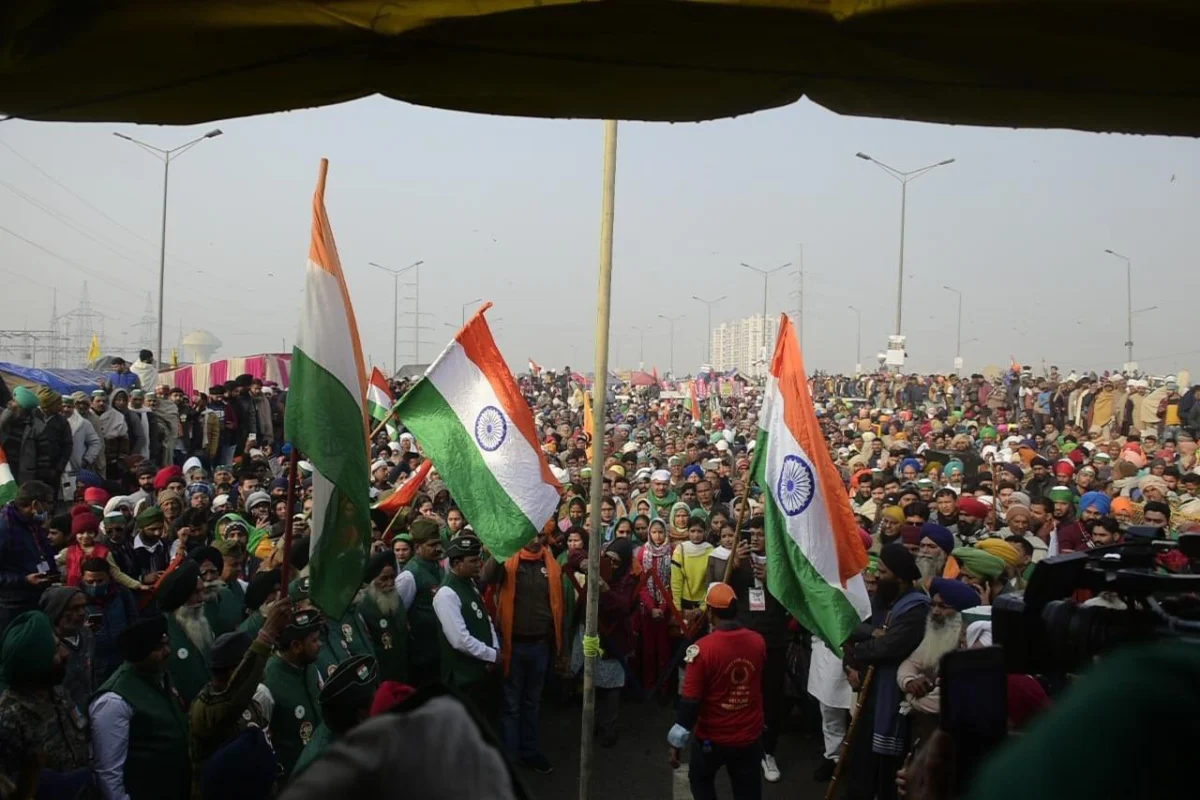
The heart of the Indian capital, New Delhi, has transformed into a high-security fortress today as the Cockroach Janta Party (CJP)-led protests continue to unfold at Jantar Mantar. The demonstration, centered on demands for the resignation of Chief Election Commissioner (CEC) Gyanesh Kumar, has spiraled into a broader confrontation over digital rights, press freedom, and the state’s approach to public dissent. Amidst a widespread internet blackout, mass detentions, and the deployment of invasive surveillance technology, the events of October 10 mark a significant escalation in the ongoing struggle over the integrity of the electoral process in India.
The Core Conflict: Why Protesters Are at the Gates
The CJP’s agitation is rooted in deep-seated suspicions regarding the Special Intensive Revision (SIR) process currently being conducted by the Election Commission of India. Protesters argue that the process is opaque and potentially compromised. Their primary demands are threefold: the immediate resignation of CEC Gyanesh Kumar, the total cessation of the current SIR process, and the implementation of a transparent, neutral, and independent mechanism for the appointment of Election Commissioners.
CJP founder Abhijit Dipke, in a video statement released shortly before his detention, articulated the movement’s stance: "We are fighting for the fundamental right to free and fair elections. Without a neutral oversight body, the democratic machinery is merely a facade."
Chronology of Escalation: From Permits to Barricades
The situation in New Delhi has been characterized by a preemptive and aggressive containment strategy by the Delhi Police.
- Pre-Protest: Recognizing the potential scale of the gathering, Delhi Police officially denied permission for the protest. In the lead-up to October 10, the administration utilized automated public announcements and heavy police presence to discourage citizens from participating.
- Early Morning (October 10): A four-kilometer perimeter around Jantar Mantar was placed under a total internet blackout. Simultaneously, the Delhi Metro and rail services were severely restricted, effectively isolating the protest site from the rest of the city.
- The Midday Crackdown: As protesters began to congregate, police deployed physical barriers, including spike strips, to prevent movement. By midday, reports of mass detentions began to flood social media, targeting both student leaders and high-profile activists.
- The Arrests: The detention of CJP leadership, including Abhijit Dipke, Saurav Das, and Ashutosh Ranka—some of whom were apprehended while in transit—signaled a "decapitation" strategy by law enforcement to neutralize the protest’s organizational capacity.
The Digital Front: Censorship and Surveillance
Perhaps the most alarming aspect of today’s events is the systematic targeting of digital spaces. The state’s reaction has transcended physical policing, moving into the realm of digital suppression.
Targeting the Fourth Estate
The treatment of the media has drawn sharp condemnation from press bodies. Three journalists from Newslaundry were detained while covering the event, despite clearly identifying themselves and operating in a non-obstructive manner. Their phones were seized, a move that legal experts argue sets a dangerous precedent for the protection of journalistic sources and digital privacy. Content creator Kavya Karnatac of KK Create was also forcibly detained, further stifling the flow of independent reportage from the ground.
Content Suppression and Platform Withholding
The digital footprint of the protest is being systematically erased:
- Social Media Restrictions: The parody account NetaFlix has been withheld in India following a legal order, leaving a notice in its place.
- Content Blocking: Abhijit Dipke’s explainer video regarding the protest was blocked in India within hours of its upload.
- Algorithmic Throttling: Instagram accounts, such as that of creator Satvik Soni, have reportedly been restricted by Meta, allegedly for providing documentation of police action against protesters.
Civilian Surveillance: The "Gallery" Precedent
In a chilling development, a civilian unaffiliated with the protests was detained for seven hours simply for having a photo of the traffic situation in his phone’s gallery. Police reportedly forced the individual to unlock his device, underscoring the invasive nature of the current security measures where mere possession of evidence can lead to a deprivation of liberty.
Official Responses and Judicial Intervention
The judicial response to these measures has been ambivalent. While the Supreme Court remarked yesterday that "the state cannot bring everything to a halt" in response to petitions regarding the suspension of public transport, the disruptions persist. A contempt petition was filed today against officials, citing their disregard for the spirit of judicial scrutiny regarding public movement.
The Rise of "Unregulated" Surveillance
The Delhi Police have introduced the use of body-worn cameras to monitor the protest. However, this has ignited a firestorm of controversy. According to a report by ANI, an unnamed police official claimed the cameras are meant to ensure accountability.
Yet, legal experts like Advocate Akhil Sibal have highlighted a critical vacuum: there are no standardized operating procedures (SOPs), no clear protocols for data preservation, and no established chain of custody for the footage. As the Delhi High Court deliberates on a plea to mandate these rules within the next six months, the police are currently operating with what critics call "unfettered digital oversight."
Economic and Social Implications
The ripple effects of the security lockdown are being felt across the city’s service economy. Although reports initially suggested that the police had requested platforms like Uber, Ola, Zomato, and Blinkit to suspend services in the Jantar Mantar area, most platforms continued to operate, albeit with significant delays due to the police barricades.
The deployment of drones to monitor the protest site—a step-up from previous demonstrations—further illustrates the state’s intent to utilize advanced technological tools to maintain order at the cost of public privacy.
Conclusion: A Turning Point for Civil Liberties
The events at Jantar Mantar today serve as a stark case study in the tension between national security and democratic dissent. By combining physical blockades with digital censorship, the state has effectively created a "gray zone" where the fundamental rights to free speech, assembly, and the freedom of the press are significantly curtailed.
As the protests continue and the list of detainees grows, the core issue remains unresolved. The lack of transparency regarding the SIR process, coupled with the heavy-handed response to those questioning it, suggests that the gap between the administration and a significant portion of the student and activist population is widening. Whether the courts will intervene to curb the use of surveillance technology and protect the right to protest remains the most pressing question as this story continues to develop.
This is a developing story. MediaNama will continue to provide real-time updates as information becomes available. If you have information regarding the situation, please contact our editorial team.