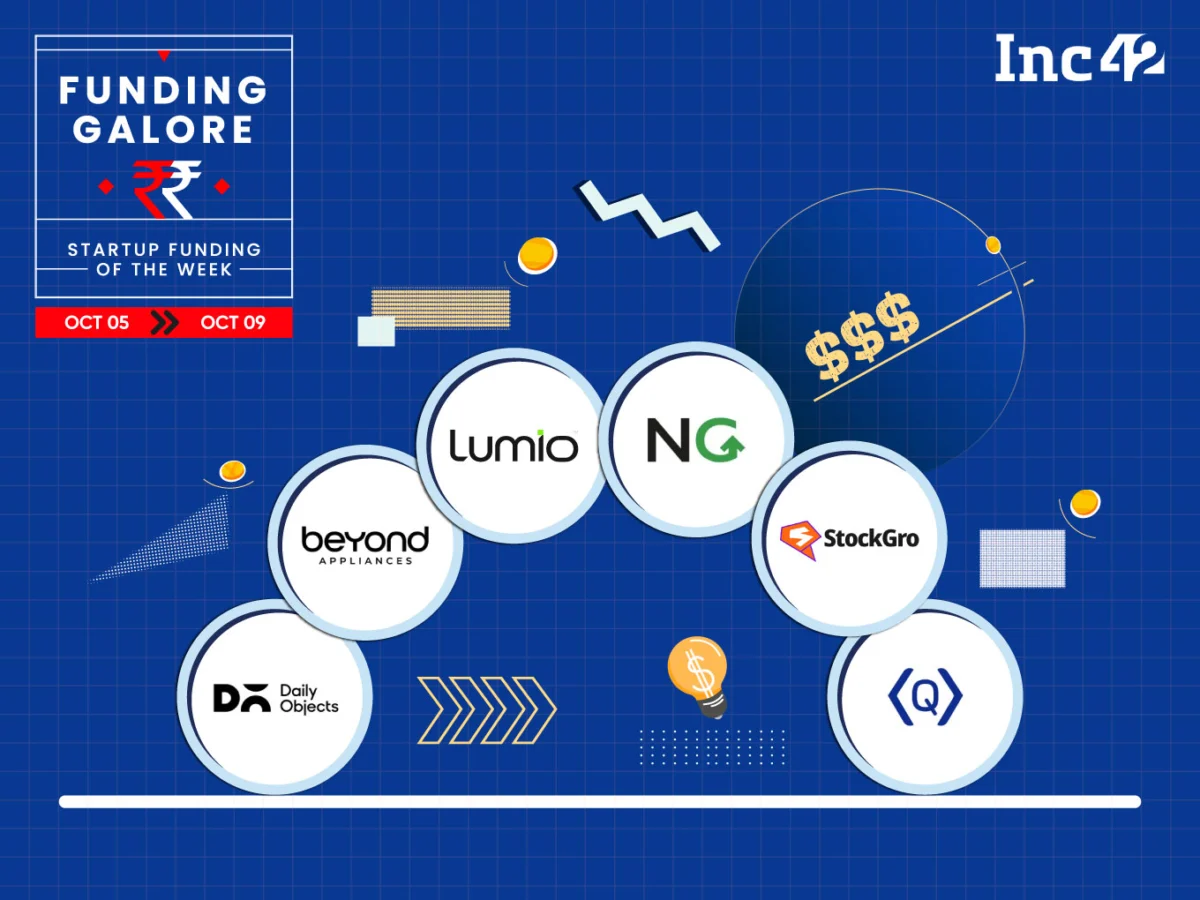
The Indian startup ecosystem witnessed a notable deceleration in investment activity during the second week of October, marking a significant departure from the momentum observed in the preceding period. Between October 5 and October 9, 2026, domestic startups secured a total of $122.9 million across 25 funding rounds. This represents a substantial 47.4% contraction in capital inflow compared to the $233.6 million raised across 16 deals in the previous week.
While the sheer volume of transactions—25 deals—indicates that early-stage deal flow remains resilient, the decline in aggregate funding highlights a cautious sentiment among growth-stage investors. The market is currently navigating a period of adjustment, where high-conviction bets are being made, but the "mega-rounds" that frequently inflate weekly totals have temporarily receded.
The Dominance of D2C and E-commerce
Despite the broader decline, the e-commerce sector emerged as the clear frontrunner for investor capital. Attracting a total of $63.9 million across nine individual deals, the segment accounted for more than half of the total funding raised during the week.
This sustained interest in direct-to-consumer (D2C) brands underscores a fundamental shift in Indian consumer behavior, with venture capitalists increasingly betting on niche brands capable of disrupting legacy retail. Notable transactions included the $34.3 million Series C raise by DailyObjects, which topped the weekly charts, followed by significant infusions into Lumio ($12 million) and Beyond Appliances ($10.4 million).
Chronology of Funding: A Daily Breakdown
The week’s funding activity was distributed across five business days, showcasing a steady, if modest, pace of investment:
- October 5: The week began with a modest entry, primarily driven by early-stage activity including smaller AI-focused ventures like Scooter, which secured $155,000.
- October 6: This day served as a cornerstone for the week, with significant activity in the D2C and Fintech sectors. Beyond Appliances and StockGro both secured $10.4 million each, setting a high bar for mid-week expectations.
- October 7: The busiest day of the week, characterized by a diverse spread of capital across Edtech, Health Tech, and Advanced Hardware. Companies like byteXL ($9 million), Sunfox Technologies ($7 million), and the tech-heavy startup Quanfluence ($10 million) closed rounds, reflecting a broader thematic interest in B2B technology solutions.
- October 8: DailyObjects solidified its position as the week’s largest recipient with a $34.3 million round, joined by smaller capital injections into the D2C segment.
- October 9: The week concluded with NeoGrowth securing $8.7 million in a mix of equity and debt, emphasizing the ongoing appetite for structured lending technology.
Investor Sentiment: The Rise of Specialized VCs
A granular analysis of the week’s investor activity reveals a concerted effort by specialized venture firms to lead the charge. Firms including 3one4 Capital, Fireside Ventures, Prime Venture Partners, and AJVC were among the most active, participating in two deals each.
The involvement of such firms signals a maturing ecosystem. Rather than broad-market spraying, these investors are doubling down on sectors they understand intimately. Fireside Ventures, for instance, continues to act as a bellwether for the D2C movement, while Prime Venture Partners remains committed to the burgeoning B2B SaaS and Fintech infrastructure layer.
Sectoral Performance: Beyond the E-commerce Wave
While E-commerce took the lion’s share, the following sectors played pivotal roles in maintaining the week’s deal velocity:
Fintech and Investment Tech
Fintech remained a bedrock of stability, with StockGro ($10.4 million) and NeoGrowth ($8.7 million) providing the bulk of the liquidity. The sector is currently evolving from basic payment services toward specialized investment platforms and SME lending, reflecting the complex financial needs of the modern Indian business landscape.

Advanced Hardware and Deep Tech
The $10 million investment into Quanfluence marks a significant milestone for India’s deep-tech aspirations. As the nation pivots toward becoming a global manufacturing and technology hub, investments in "hard" technology are expected to grow in prominence.
Health Tech
The infusion of $7 million into Sunfox Technologies highlights a critical trend: the move toward B2B2C healthcare models. By integrating diagnostic devices with professional healthcare networks, these companies are positioning themselves as essential components of the evolving Indian health infrastructure.
Supporting Data and Market Implications
The contrast between the 25 deals this week and the 16 deals of the previous week suggests that while the number of startups finding funding has increased, the average ticket size has plummeted. This is a classic indicator of a "seed-heavy" market, where investors are hesitant to commit massive capital to single entities but are willing to participate in smaller, risk-mitigated early-stage rounds.
| Sector | Funding (Mn) | Deal Count |
|---|---|---|
| E-commerce | $63.9 | 9 |
| Fintech | $24.4 | 4 |
| Advanced Hardware | $10.0 | 1 |
| Edtech | $9.0 | 1 |
| Health Tech | $8.4 | 3 |
| AI | $4.1 | 3 |
Strategic Analysis: What This Means for 2026
The current funding environment in India is characterized by a "flight to quality." Founders are facing more rigorous due diligence processes compared to the hyper-growth periods of 2021 and 2022. Investors are no longer merely looking for growth at any cost; they are prioritizing unit economics, clear paths to profitability, and sustainable market differentiation.
The prevalence of D2C brands in this week’s data suggests that investors are banking on the "Premiumization of India." As disposable income levels in urban and Tier-2 centers rise, the demand for specialized, high-quality consumer products is outpacing the growth of generic mass-market goods.
Furthermore, the participation of international institutional investors, such as the Dutch Development Bank FMO in the NeoGrowth deal, highlights that India remains a primary destination for global impact-oriented capital. These investors are looking for sustainable, long-term returns in sectors that address India’s systemic challenges, such as lending gaps for SMEs and accessible healthcare.
Challenges and Future Outlook
Despite the positive deal flow, the 47.4% decline in total funding cannot be ignored. It serves as a reminder that the cost of capital remains high and global macroeconomic headwinds continue to influence the risk appetite of Indian venture capital firms.
Looking forward, the ecosystem is likely to see a continued focus on:
- AI Integration: As seen with Desible.ai and CurvetAI, the application layer of AI is attracting early-stage interest.
- B2B Services: Companies that provide efficiency to manufacturers and enterprises, like IndigoTex, are gaining traction as businesses look to optimize their operations in a high-cost environment.
- Consolidation: With smaller seed rounds becoming the norm, we may see an uptick in M&A activity as startups realize that scaling independently in a capital-constrained market is increasingly difficult.
Conclusion
The week of October 5–9, 2026, serves as a microcosm of the current Indian startup landscape: resilient, diverse, and increasingly selective. While the headline figure of $122.9 million reflects a cooling period, the underlying data points to a healthier, more balanced ecosystem where capital is flowing toward businesses with tangible value propositions. As we move into the final quarter of the year, the focus will undoubtedly shift toward whether these early-stage ventures can successfully navigate their next milestones and transition into sustainable, long-term winners.