
By Jake Peterson, Senior Technology Editor
October 9, 2026
As the dust settles on the initial, somewhat turbulent rollout of iOS 27, Apple is already preparing to address user feedback and expand the functionality of its ecosystem with the upcoming iOS 27.2 update. While the initial release of iOS 27 was met with mixed reactions—primarily due to performance hiccups on the iPhone 18 Pro—the 27.2 update represents a refined, feature-rich approach to stabilizing and enhancing the mobile experience.
For those eager to get a head start, the update is currently available via Apple’s beta program. However, as with all pre-release software, users are cautioned to perform a full system backup before installation to mitigate the risk of data loss.
Main Facts: What to Expect from iOS 27.2
The iOS 27.2 update is not a complete overhaul, but rather a "quality-of-life" release that targets specific pain points. The most significant changes lie within the Health app, which has undergone its most comprehensive redesign in years. Additionally, Apple is leveraging its "Apple Intelligence" framework to make the phone-calling experience more proactive, while also expanding the linguistic capabilities of its virtual assistant, Siri.
Beyond these headline features, the update introduces long-requested UI tweaks and accessibility improvements that demonstrate Apple’s continued commitment to inclusive design.
Chronology: The Evolution of the iOS 27 Cycle
The journey of iOS 27 has been defined by a rapid response to hardware-software synergy issues.

- September 2026: The global release of iOS 27 arrived alongside the iPhone 18 series. While the hardware was lauded for its innovative design, early adopters reported stability issues and battery optimization glitches on the Pro models.
- Late September 2026: Apple released iOS 27.0.1 as an emergency patch to resolve the most critical bugs affecting the iPhone 18 Pro’s core performance.
- Early October 2026: Apple initiated the developer and public beta testing phase for iOS 27.2. This phase signaled a shift from "firefighting" bugs to the implementation of long-term feature roadmaps.
- Late October 2026 (Expected): General public release of the finalized iOS 27.2 software, aimed at providing a more polished user experience for all compatible devices.
The Health App Overhaul: A Holistic Approach
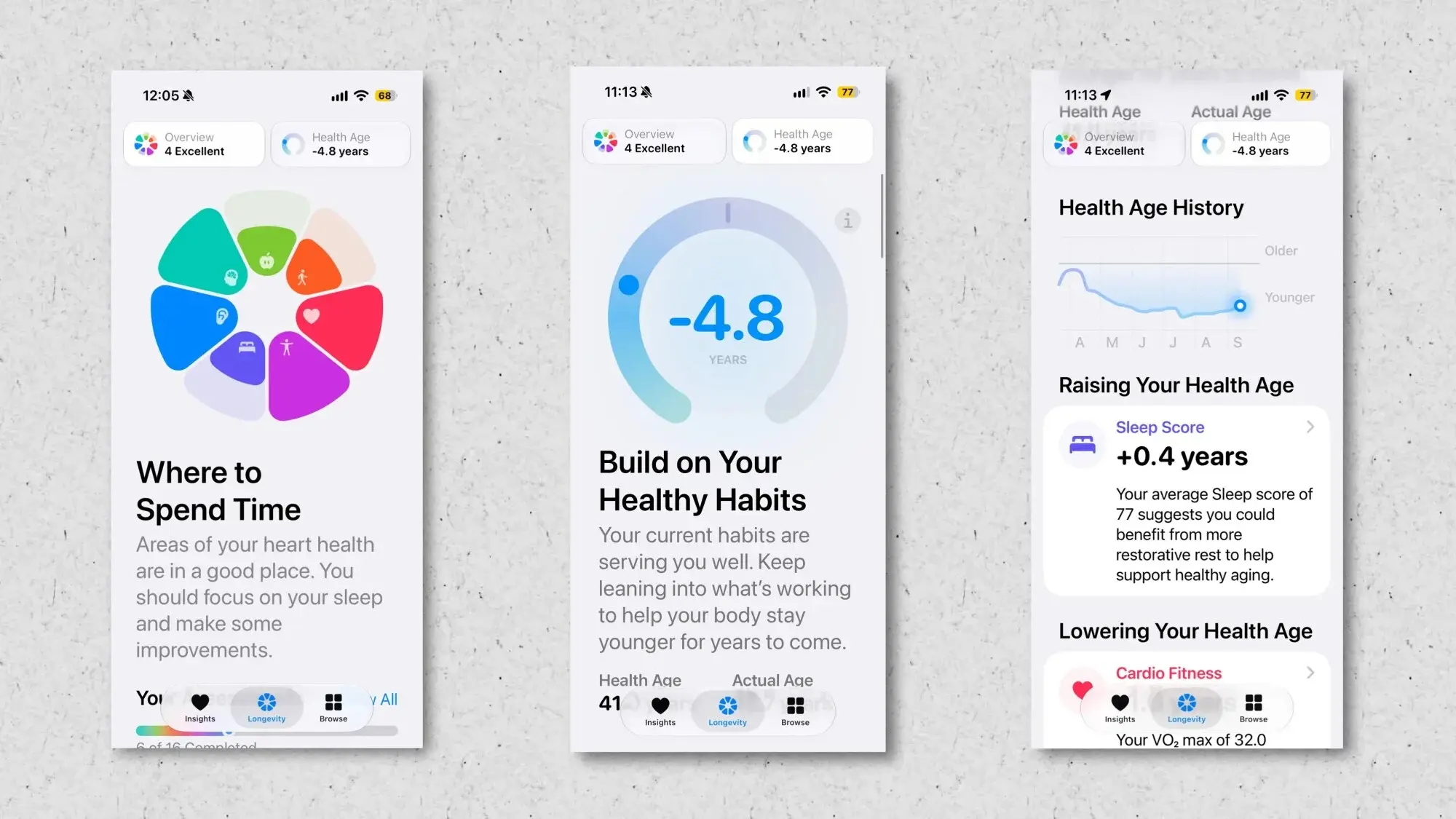
The centerpiece of this update is a total reimagining of the Apple Health application. This revamp transforms the app from a simple repository of metrics into a proactive wellness partner.
Key Changes to Health Tracking
- Unified Fitness Integration: Users no longer need to jump between the Health app and the standalone Fitness app. Fitness rings now appear directly within the Health ecosystem, allowing for a more cohesive view of daily activity.
- The Longevity Tab: A new dashboard focuses on long-term wellness. It aggregates data points related to metabolic health, nutritional intake, mental wellbeing, and even hearing health.
- Biological Age Assessment: Perhaps the most controversial yet intriguing feature is the "Health Age" metric. Using an array of data points, the app provides an estimated biological age, encouraging users to focus on specific health markers to improve their overall longevity.
- AI-Driven Physical Analysis: Utilizing the iPhone’s advanced camera sensors, the app can now analyze movement patterns during exercise, providing real-time feedback on form, flexibility, strength, and VO2max.
Senior Health Editor Beth Skwarecki notes that the simplicity of having step counts pinned to the top of both the Fitness and Health interfaces is a minor but transformative change that solves a long-standing navigation frustration.
Supporting Data: Apple Intelligence and Call Context
Apple is doubling down on "Call Context," an intelligent feature that uses on-device machine learning to provide relevant data during active phone calls.
Previously, Call Context could pull up flight itineraries or business addresses based on emails or calendar entries. With iOS 27.2, Apple is introducing "Anniversary and Birthday Alerts." If a user initiates a call to a contact for whom a significant date is saved, the system will subtly display that information on the call screen. While some critics argue this might encourage "performative" social behavior, Apple maintains that the feature is designed to prevent social faux pas and deepen human connections.
Accessibility: Expanding FaceTime’s Reach
A significant addition to the accessibility suite is the integration of American Sign Language (ASL) support via a new API for FaceTime. While originally announced earlier this year, this feature was delayed from the initial iOS 27 release.
By allowing for the seamless integration of a third-party human interpreter into a video call stream, Apple is effectively removing a major barrier for the Deaf and hard-of-hearing community. This API will allow interpreters to be pinned to the screen alongside the main caller, ensuring that communication is fluid and accessible without obscuring the speakers’ faces.

Official Responses and Strategic Implications
Apple has remained largely tight-lipped regarding the specific performance failures of the initial iOS 27 release, preferring to frame the 27.2 update as part of its "continuous improvement lifecycle."
Implications for the User Experience
- Device Longevity: By allowing Apple TV profiles on iPhones and iPads, Apple is clearly pushing for a more personalized, multi-user experience on shared household devices. This indicates a strategy to make Apple hardware more appealing to families.
- Global Expansion: Expanding Siri AI to include French, Japanese, Korean, Portuguese, and Spanish is a massive step toward international market penetration for Apple’s generative AI features. This removes the "English-only" barrier that had previously hindered the adoption of the company’s most advanced AI tools in non-English speaking markets.
- UI Consistency: The subtle shifts in the Music and Podcasts apps—such as moving away from red accents to more neutral black-and-white motifs—suggest a design language pivot. Apple appears to be moving toward a more minimalist, high-contrast aesthetic that reduces visual noise.
A Note on System-Level Profiles
While iOS 27.2 brings profiles to the Apple TV app, it remains a point of contention that Apple has yet to implement true, system-level user profiles for iOS and iPadOS. In an era where iPads are frequently shared among family members, the lack of a "guest" or "secondary user" account remains the most glaring omission in the operating system’s architecture.
However, by enabling Apple TV profiles, Apple has signaled that they are at least exploring the technical framework required for multi-user data isolation. Whether this leads to a full system-level overhaul in a future iteration remains to be seen.
Final Thoughts
iOS 27.2 is a necessary follow-up to the ambitious, if slightly flawed, release of iOS 27. By prioritizing health data integration, internationalizing AI features, and refining the visual interface, Apple is doing the necessary work to keep its massive user base satisfied.
For the average user, the update might not feel like a revolutionary leap, but the stability and granular improvements—particularly the new health tracking metrics—will likely make it one of the most used versions of iOS in recent years. As we move closer to the final release date, users are encouraged to monitor their battery health and device storage, as the intensive nature of the new AI features and health tracking may require optimization on older hardware.
Stay tuned to Lifehacker for our full, comprehensive review of the final release of iOS 27.2 once it hits public servers later this month.