NEW DELHI — The national capital has been placed under an unprecedented security lockdown, resembling a virtual fortress, as the Cockroach Janta Party (CJP) prepares to go ahead with its massive "Jantar Mantar 2.0" protest scheduled for Saturday, October 10, 2026.
Despite being denied official permission by the Delhi Police, the CJP has issued a defiant "Final Call to Save Democracy" poster, urging thousands of its supporters to gather at the historic protest site by 10:00 a.m. The demonstrators are demanding the immediate resignation of Chief Election Commissioner (CEC) Gyanesh Kumar and the complete rollback of the controversial Special Intensive Revision of electoral rolls.
In response, the Union Government and Delhi authorities have deployed an extraordinary apparatus of preventive state control. Across the National Capital Region (NCR), metro stations have been shuttered, internet services suspended in sensitive areas, local markets closed, and dozens of inbound trains cancelled to prevent protesters from entering the city. The sweeping measures have sparked a intense constitutional debate, drawing sharp criticism from the Supreme Court of India, which has cautioned against "over-reaching" state actions that infringe upon fundamental rights.
Main Facts: The Core Dispute and Demands
At the heart of the escalating confrontation is the CJP’s fierce opposition to the Election Commission of India’s (ECI) recent administrative decisions. The opposition group has accused Chief Election Commissioner Gyanesh Kumar of overseeing an electoral roll revision process that they allege systematically disenfranchises specific voter demographics.
The CJP’s principal demands include:
- The Resignation of CEC Gyanesh Kumar: The organizers hold the Chief Election Commissioner directly responsible for what they characterize as a compromise of the democratic process.
- Rollback of the Special Intensive Revision: The party demands an immediate halt and reversal of the ongoing Special Intensive Revision of electoral rolls, claiming it lacks transparency and violates established protocols.
- Restoration of Democratic Safeguards: The CJP claims its "Jantar Mantar 2.0" movement is a necessary intervention to protect the integrity of the country’s voting systems.
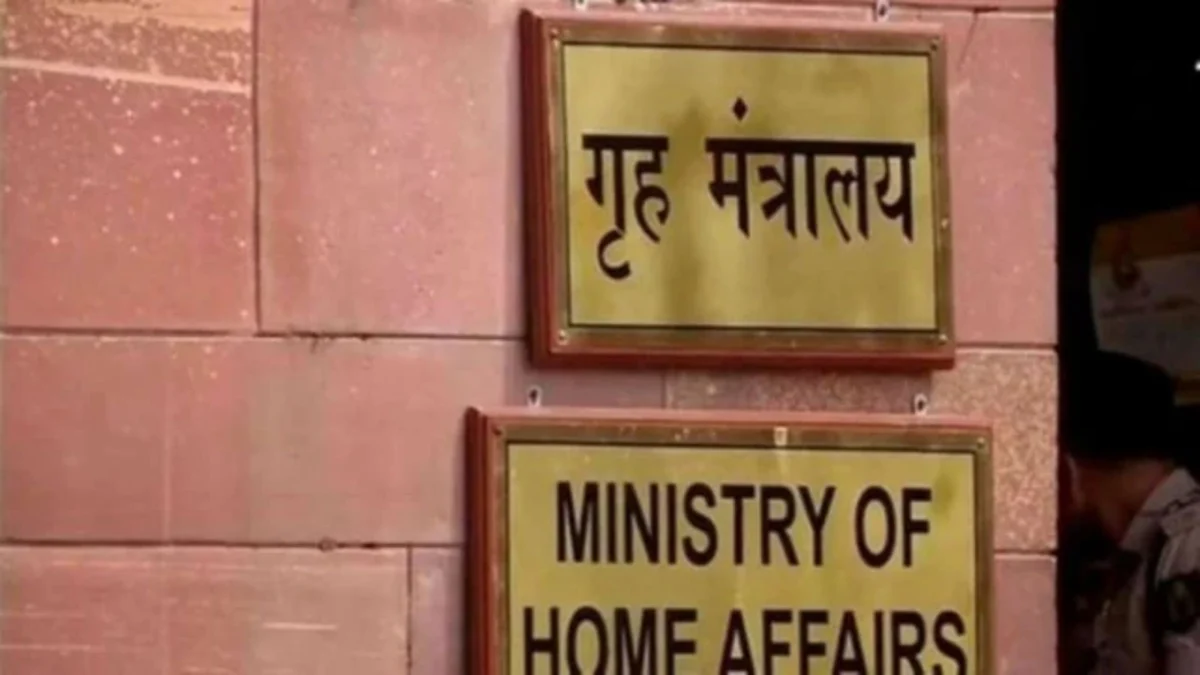
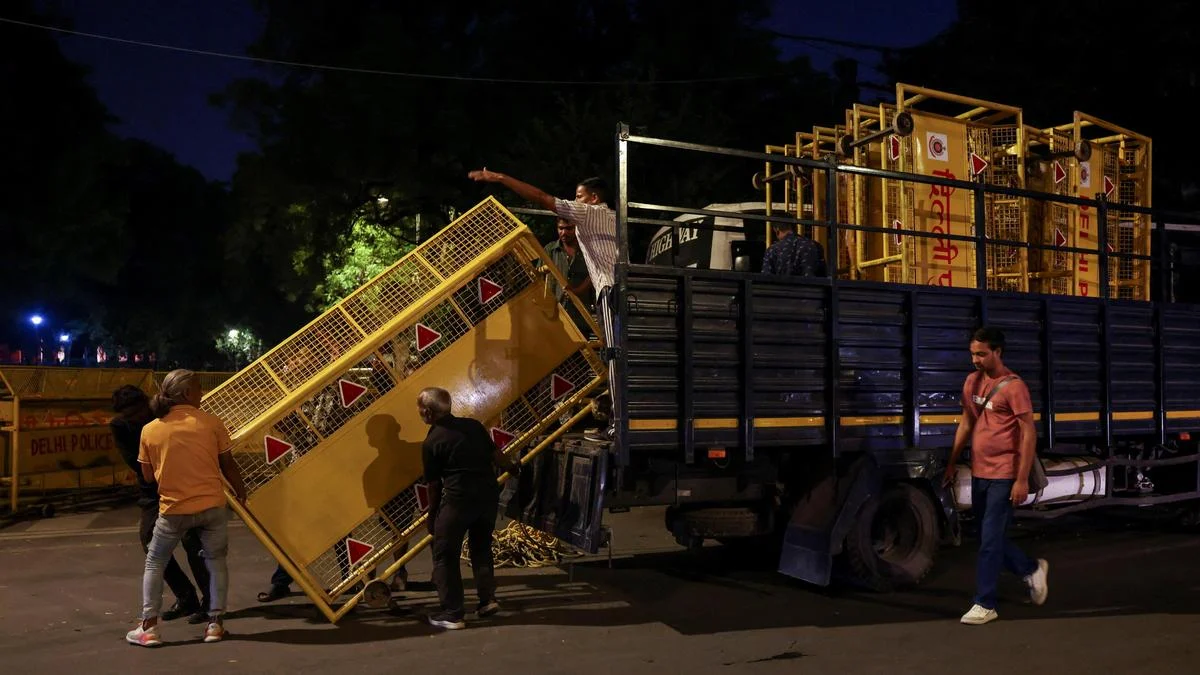
To prevent the mass mobilization, the Delhi Police, operating under the aegis of the Union Ministry of Home Affairs (MHA), has enforced a comprehensive security blockade. This includes sealing state borders, setting up multi-layered concrete barricades, and utilizing heavy anti-riot machinery around central Delhi.
Chronology of the Escalation
The standoff has built up over several weeks, culminating in the tense situation observed on the morning of October 10.
October 1, 2026: The Mobilization Call
The CJP officially announces "Jantar Mantar 2.0," calling for a nationwide march to the capital. The party criticizes the ECI’s Special Intensive Revision of electoral rolls and accuses the body of ignoring formal complaints.
October 5–8, 2026: Pre-emptive Police Crackdowns
State police forces across India, particularly in Maharashtra and neighboring states, begin serving formal notices to student leaders, activists, and known CJP organizers. Delhi Police begin compiling a comprehensive database of potential protesters, initiating home visits and phone warnings to deter travel to the capital.
October 9, 2026: Denial of Permission and Judicial Intervention
- Morning: The Delhi Police formally deny the CJP permission to hold the October 10 demonstration, citing alleged violations of agreed-upon conditions during a previous rally.
- Afternoon: The Supreme Court of India intervenes, hearing a petition regarding transit restrictions. The apex court delivers a significant verbal warning, backing the constitutional right to association and peaceful assembly, and describing the government’s blanket transit bans as "over-reaching."
- Evening: Despite the police ban and legal friction, the CJP releases its "Final Call to Save Democracy" digital poster, directing supporters to bypass roadblocks and reach Jantar Mantar by 10:00 a.m. the following morning.
October 10, 2026 (04:58 a.m. IST): The Lockdown Commences
Delhi wakes up to a complete security lockdown. Commuters find major metro stations closed, train schedules disrupted, and mobile internet suspended in key districts of the capital.
Supporting Data and Security Measures
The scale of the state’s preventive operations is reflected in the extensive disruptions to public infrastructure and transport networks.
| Category of Measure | Specific Action Taken | Affected Areas / Scale |
|---|---|---|
| Public Transport | Cancellation of dozens of passenger and express trains; closure of multiple central Delhi Metro stations. | Northern Railway routes; Central Secretariat, Rajiv Chowk, and Patel Chowk metro hubs. |
| Telecommunications | Temporary suspension of mobile internet and SMS services. | Select districts in Central, New Delhi, and border areas. |
| Border Controls | Multi-layered barricading, concrete block placements, and vehicle inspections. | Singhu, Tikri, and Ghazipur borders. |
| Law Enforcement | Issuance of pre-emptive warning notices; database compilation of suspected activists. | National footprint, with major concentrations in Delhi, Maharashtra, Haryana, and Uttar Pradesh. |
| Commercial Activity | Mandatory closure of major local markets and shopping arcades near the protest venue. | Connaught Place, Janpath, and Jantar Mantar road vicinity. |
According to railway officials, the cancellation of inbound trains was executed to "maintain law and order" and prevent large, unmanageable crowds from converging at New Delhi and Anand Vihar railway stations. Simultaneously, municipal authorities ordered the closure of businesses surrounding Jantar Mantar, citing safety concerns for shopkeepers and customers.
Official Responses
The unfolding crisis has drawn sharply contrasting statements from government institutions, law enforcement, the judiciary, and political organizers.

The Delhi Police and Ministry of Home Affairs
Defending the lockdown, a senior spokesperson for the Delhi Police stated:
"The denial of permission was a necessary administrative decision based on the CJP’s failure to adhere to safety protocols during past demonstrations. Our primary responsibility is the preservation of public order and the safety of Delhi’s residents. The security measures currently in place are designed to prevent unlawful assemblies and avoid major disruptions to the city’s critical infrastructure."
The MHA has additionally directed all state and Union Territory administrations to coordinate closely with Delhi Police, urging them to monitor transport hubs and prevent organized groups of protesters from boarding vehicles bound for the capital.
The Supreme Court of India
The Supreme Court has taken a more critical view of the administration’s sweeping preventive actions. A bench reviewing the situation remarked:
"While the state has a legitimate interest in maintaining public order, a blanket transit ban across entire regions is over-reaching and directly impacts the citizen’s fundamental right to association and peaceful protest. Security measures must remain proportionate to the threat, and the right to dissent cannot be preemptively extinguished."
The Cockroach Janta Party (CJP)
In a statement accompanying their final mobilization poster, the CJP leadership condemned the government’s tactics:
"By turning Delhi into an armed fortress, shutting down public transit, and cutting off the internet, the administration has shown its fear of the democratic process. Our protest is peaceful, constitutional, and necessary. The Special Intensive Revision of electoral rolls is a direct threat to our democracy, and we will not be silenced by barricades or police intimidation. We call upon every citizen to reach Jantar Mantar."
Implications for Indian Democracy and Security
The confrontation in New Delhi highlights a growing tension between state security protocols and constitutional freedoms in modern India.
1. Constitutional Balance and the Right to Protest
The Supreme Court’s characterization of the transit ban as "over-reaching" underscores a critical judicial boundary. The case raises vital legal questions about how far the state can go in using pre-emptive administrative blockades—such as cancelling trains and suspending internet services—to neutralize political protests before they even begin.
2. The Precedent of Digital and Physical Lockdowns
The deployment of internet curbs and transport shutdowns has increasingly shifted from a localized tool for riot control to a pre-emptive measure against political rallies. Critics argue that treating political dissent with the same security measures used for major law-and-order crises threatens to shrink the space available for peaceful public assembly.
3. Public and Economic Disruption
The locking down of central Delhi has immediate economic consequences. The closure of prominent markets like Connaught Place and Janpath during peak weekend shopping hours represents a significant loss for local traders. Furthermore, the cancellation of dozens of trains and the closure of key metro stations have caused widespread inconvenience to thousands of everyday commuters, highlighting the high public cost of political standoffs.
As the 10:00 a.m. deadline approaches, all eyes remain on central Delhi to see if protesters can navigate the dense security cordons, and whether the administration can maintain order without escalating tensions further.