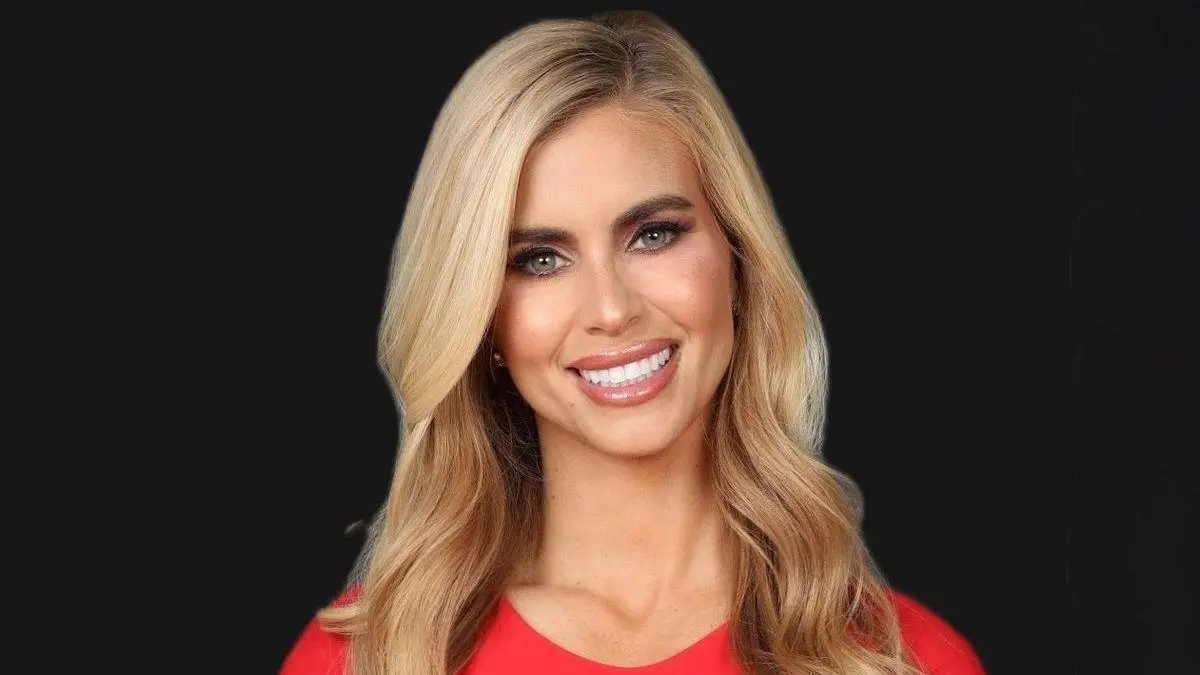
WASHINGTON, D.C. — In a move signaling a continued alignment between his administration and his private media ventures, President Donald Trump announced on Friday the appointment of Katie Zacharia as the next White House press secretary. Zacharia, currently a communications adviser for the Trump Media & Technology Group (TMTG), is set to step into one of the most high-profile roles in American politics, succeeding Karoline Leavitt.
The announcement, delivered via the President’s favored digital megaphone, Truth Social, underscores the seamless integration between Trump’s political apparatus and his broader business interests. As the administration enters the latter half of its term, the appointment of a known loyalist from within the TMTG ecosystem suggests a tightening of messaging discipline and a continued focus on digital-first public relations.
The Appointment: A Focus on Loyalty and Media Savvy
President Trump’s selection of Katie Zacharia was framed by his characteristic emphasis on personal allegiance. In his statement on Truth Social, Trump praised Zacharia as “a loyal and brilliant supporter, right from the beginning,” highlighting her long-standing involvement in his political movement.
Zacharia brings a diverse, if unconventional, resume to the podium of the James S. Brady Press Briefing Room. Beyond her recent tenure at Trump Media & Technology Group—the parent company of Truth Social—she has cultivated a public profile as a conservative commentator, frequently appearing on networks such as Fox News and Newsmax. Her background also includes a brief stint as a spokesperson for the Department of Homeland Security earlier this year, providing her with a baseline of federal government experience.
According to the President, Zacharia’s value lies in her ground-level work during his presidential campaigns, where she was reportedly instrumental in operations across critical swing states. This “boots on the ground” experience is expected to shape her approach as the administration navigates the complex media landscape leading into future election cycles.
Chronology: The Transition of the Press Office
The transition from Karoline Leavitt to Katie Zacharia marks a significant staffing shift within the White House communications team. To understand the gravity of this change, it is essential to view the timeline of the press office’s operations over the past eighteen months.
- January 2025: Karoline Leavitt assumes the role of White House press secretary, bringing with her the experience of having served as the national press secretary for Trump’s 2024 presidential campaign.
- August 12, 2026: Leavitt officially announces her intention to step down from the position.
- August 27, 2026: Leavitt concludes her tenure at the White House, citing a desire to prioritize her young children and family life.
- October 10, 2026: President Trump formally announces Katie Zacharia as the successor to the press secretary post.
- November 1, 2026 (Upcoming): Leavitt is slated to begin a new chapter as an on-air contributor for Fox News, transitioning from the government podium to the cable news desk.
The departure of Leavitt, widely seen as a staunch defender of the administration, left a void that the President sought to fill with someone who possesses both a high degree of ideological purity and an intimate understanding of the Trump brand.
Professional Background and Supporting Data
Katie Zacharia enters the White House with a pedigree that blends legal training with media advocacy. A graduate of Pepperdine University, where she earned her law degree, Zacharia possesses the analytical foundation often required to navigate the legalistic inquiries frequently posed by the White House press corps.
Her career trajectory reflects the modern paradigm of political communications, where the lines between political activism, cable news commentary, and government spokesmanship are increasingly blurred.
Key Professional Milestones:
- Legal Education: Juris Doctor (J.D.) from Pepperdine University.
- Media Presence: Regular contributor to Fox News and Newsmax, positions that established her as a recognizable face among the administration’s core voter base.
- Executive Experience: Communications adviser at Trump Media & Technology Group.
- Federal Service: Brief tenure as a spokesperson for the Department of Homeland Security (2026).
- Campaign Operations: Strategic roles in swing state outreach during the 2024 presidential election cycle.
The combination of a law degree and deep experience in the “new media” ecosystem of Truth Social makes Zacharia a unique choice for the press secretary role, signaling a pivot toward a more aggressive, social-media-centric communications strategy.
Official Responses and Public Sentiment
The reaction to the announcement has been bifurcated along the traditional lines of the American political divide. Supporters of the President have lauded the choice, viewing Zacharia as a “fresh voice” who is well-equipped to spar with an often-adversarial mainstream press corps.

"Katie has been in the trenches with us," noted one anonymous source close to the transition team. "She understands the President’s vision better than almost anyone, and she knows how to communicate that vision to the base without filtering it through the traditional media lens."
Conversely, media critics and opposition figures have raised questions regarding the lack of a traditional diplomatic or bureaucratic background. The request for comment sent to Zacharia remained unanswered at the time of publication, as she prepares to transition from her private-sector role at TMTG to the high-stakes environment of the West Wing.
Meanwhile, Fox News’ confirmation that Karoline Leavitt will join their network as a contributor has provided a soft landing for the departing secretary, further cementing the "revolving door" phenomenon between the Trump administration and conservative media outlets.
Implications: A New Era for the White House Press Briefing
The appointment of Katie Zacharia carries several implications for the future of the White House press office and the administration’s relationship with the public.
1. The "Truth Social" Strategy
By appointing someone from the senior ranks of TMTG, the President is reinforcing the importance of his own media platform. We can expect the press office to increasingly prioritize Truth Social for breaking news, potentially relegating traditional press briefings to a secondary status. This move suggests that the administration intends to bypass traditional media filters to communicate directly with its supporters.
2. Aggressive Media Engagement
Zacharia’s history as a commentator on Newsmax and Fox News suggests that the White House will likely adopt a more combative posture toward mainstream media outlets. Her experience in debate and political commentary indicates that she will be less inclined to follow the "polite" norms of previous press secretaries and more likely to engage in the ideological battles that define the current political era.
3. Policy Cohesion
With a background in the Department of Homeland Security and campaign operations, Zacharia is well-positioned to act as a bridge between the administration’s policy goals and the public. Her challenge will be to translate complex policy initiatives into the punchy, high-impact language that the President prefers, while simultaneously maintaining the legal precision required for the press secretary’s office.
4. The Future of the Press Corps
The appointment raises questions about the future of the White House Press Association and the nature of the daily briefing. If the administration continues to view the press corps as an adversary rather than an institution of democracy, the briefings may become shorter, more infrequent, or increasingly adversarial. Zacharia’s ability to manage this relationship—or to bypass it entirely—will be the defining metric of her success.
Conclusion
As Katie Zacharia prepares to take the podium, she does so at a pivotal moment in the Trump presidency. She inherits a communications operation that is highly centralized, deeply loyal, and increasingly focused on the digital sphere. Her success will depend on her ability to maintain the trust of the President while navigating the myriad demands of the national and international press.
For now, the Washington establishment remains in a state of watchful waiting. Whether Zacharia represents a continuation of the previous administration’s messaging style or the beginning of a more radical, digital-first approach to governance remains to be seen. However, one thing is certain: the appointment of a Trump Media loyalist to the highest-ranking communications role in the country signals that the administration’s commitment to its own media ecosystem is not merely a campaign tactic, but a permanent fixture of its governing philosophy.
The transition is expected to be completed by the end of October, setting the stage for a new, and likely confrontational, chapter in the relationship between the White House and the American public.