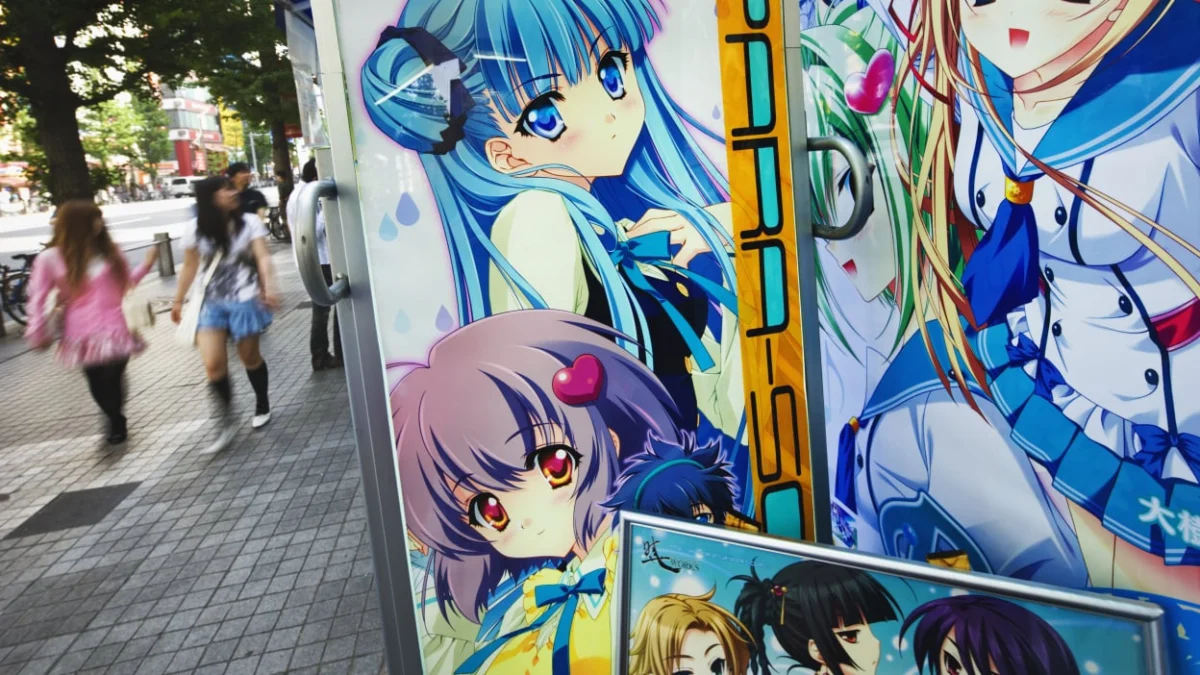
For a generation of American anime fans, the ritual of discovery was once a solitary, often frustrating, act of patience. It meant staying awake until the early hours of the morning to catch a broadcast block on Toonami, or scouring the early, wild-west corners of the internet for low-resolution, fan-subtitled episodes that took hours to download. For others, it was a physical pursuit—trading bootleg VHS tapes in school hallways or hunting for obscure manga volumes in local comic shops.
Today, the barrier to entry has evaporated. You don’t have to go looking for anime anymore; it finds you. A 30-second TikTok edit of a high-octane fight scene, an Olympic figure skater performing to an anime-inspired soundtrack, or a world-famous rapper name-dropping a series in a hit record—anime is no longer a hidden subculture. It is a cornerstone of modern pop culture.
The Evolution of Fandom: From VHS to Viral Clips
The trajectory of anime in the United States is a story of slow-burn growth turning into a digital explosion. While titles like Astro Boy paved the way in the 1960s, it wasn’t until the late 90s and early 2000s that Pokémon, Dragon Ball Z, and Sailor Moon turned anime into a household term. However, the true transformation occurred with the arrival of the social media age.
At the recent Crunchyroll Anime Future Forum in New York City, a panel titled "The Influencers Shaping Anime Fandom" brought together three distinct voices—rapper Big Sean, Olympic figure skater Amber Glenn, and viral content creator Jordan Howlett—to dissect this shift.
Big Sean, a self-described "Toonami kid," represents the bridge between the old guard and the new. Growing up in Detroit, he found solace and motivation in the stories of Cowboy Bebop and YuYu Hakusho. "These stories weren’t just cartoons," he noted at the forum. "They were about overcoming adversity. They taught us that even when the odds are impossible, you keep fighting."
For Sean, anime was a source of grit. For the digital-native generation represented by Howlett, it is a source of rapid discovery. Howlett, whose brand is built on engaging, relatable storytelling, recalled his recent introduction to Solo Leveling. It wasn’t a recommendation from a friend or a TV schedule that pulled him in; it was the algorithm. Two viral clips—short, punchy edits—were enough to hook him. "I saw one clip, then another, and I realized this was some of the most compelling visual storytelling I’d ever seen," he said.
The Mechanics of Discovery: The "Edit" Economy
The role of the "fan edit" cannot be overstated. In the current media landscape, an edit serves as a condensed narrative trailer, stripping away the exposition and focusing on the core emotional or visceral hook of a series. These videos condense complex character arcs and high-stakes combat into digestible, high-energy snippets set to trending music.

This phenomenon has created a "discovery pipeline." A viewer may not know the context of a scene, but the combination of tension, music, and aesthetic appeal is often enough to compel them to add the series to their watchlist.
Amber Glenn, who has used her platform as an elite athlete to champion her love for series like The Apothecary Diaries and Jujutsu Kaisen, sees these clips as more than just advertisements. "There are edits of anime that make me feel more than an entire movie could," she explained. For Glenn, anime has become a creative fuel, influencing her choreography and her approach to competition. She is not an outlier; she is part of a growing movement of high-profile figures who wear their fandom openly.
Supporting Data: The Numbers Behind the Mainstream Shift
The transition from niche interest to global phenomenon is backed by significant data. According to the 2026 Global State of Anime Fandom study, commissioned by Crunchyroll and conducted by the National Research Group, 77 percent of surveyed anime viewers have recommended the medium to someone who had never watched it before. This "evangelical" nature of the community is a primary driver of growth.
Furthermore, the demographic data highlights a stark generational divide. Hub Entertainment Research notes that 39 percent of 16- to 24-year-olds regularly watch anime, nearly doubling the 21 percent participation rate of the general population. This massive adoption by Gen Z and younger Millennials has turned the genre into a primary economic force.
- Streaming Dominance: As of March 2026, Crunchyroll reported over 21 million paid subscribers.
- Box Office Power: The commercial viability of anime is at an all-time high. Demon Slayer: Kimetsu no Yaiba – Infinity Castle solidified this reality by grossing nearly $794 million worldwide, proving that anime films are no longer limited to limited-run specialty screenings.
- Social Reach: The hashtag #anime on TikTok now boasts nearly 178 million videos, while dedicated communities on platforms like Threads have ballooned to over half a million members, fostering real-time discussion and community building.
The Identity of the Fan: Beyond the "Nerd" Label
Perhaps the most significant change is the removal of the stigma surrounding anime fandom. Historically, being an "otaku" in the West was often accompanied by derogatory stereotypes. Today, anime is a badge of identity that transcends social circles.
Athletes like NBA star Jalen Brunson and sprinter Noah Lyles have integrated anime into their public personas—whether through victory poses or post-game commentary. This "normalization" has empowered fans to be more public about their interests. The 2026 Anime NYC convention serves as a physical testament to this shift, reporting 172,000 visits, a significant increase from the previous year.
The conversation has evolved from "What is anime?" to "Who is your favorite character?" This shift is vital. By engaging in the discourse—debating character motivations, sharing fan art, and participating in cosplay—fans are not just passive consumers; they are active participants in the life of the franchise.

Implications: The Future of Fandom and Industry
However, this rapid growth brings its own set of challenges. As the tent grows larger, so does the risk of gatekeeping. High-profile fans, including artists like Megan Thee Stallion, have faced scrutiny from traditionalists who feel that mainstream popularity dilutes the "authenticity" of the community.
Despite this, the trajectory is clear. The influence of anime is now woven into the fabric of Hollywood and professional sports. Michael B. Jordan’s Creed III is perhaps the most prominent example of this synthesis, where the director explicitly channeled the visual language and emotional beats of Naruto and Dragon Ball Z into a mainstream boxing drama.
The implications for the industry are profound. Production companies are increasingly tailoring content for a global audience, aware that a series released in Japan can become a trending topic on social media in the U.S. within hours. The feedback loop between fans and creators is tighter than ever, with social media serving as the connective tissue that keeps the community alive.
Conclusion: A Shared Language of Resilience
Ultimately, the power of anime lies in its ability to speak to the human condition. Whether it is a story about a ninja who refuses to give up despite being an outcast, or a warrior striving to protect his friends, the core themes of the genre—perseverance, empathy, and the quest for self-actualization—are universal.
As Jordan Howlett noted during the forum, these stories often serve as a lifeline for those who feel disconnected. "When I was introduced to Naruto, I felt connected to these characters… it was my first introduction to understanding a story and feeling like I was a part of it."
The internet did not create the passion for anime; it merely provided the stage. By turning a private obsession into a public dialogue, social media has ensured that anime is no longer just a genre of animation. It has become a shared language of resilience, creativity, and community that is impossible to ignore. In 2026, the question is no longer "Are you an anime fan?" but rather, "Which story has changed you?"