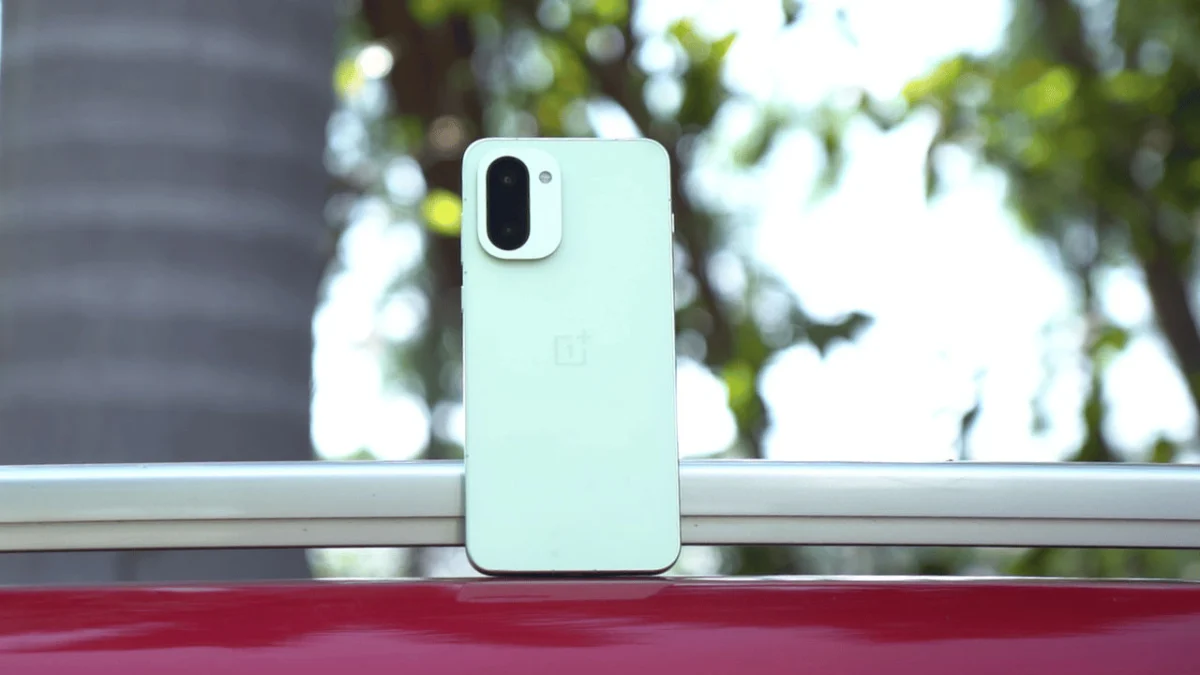
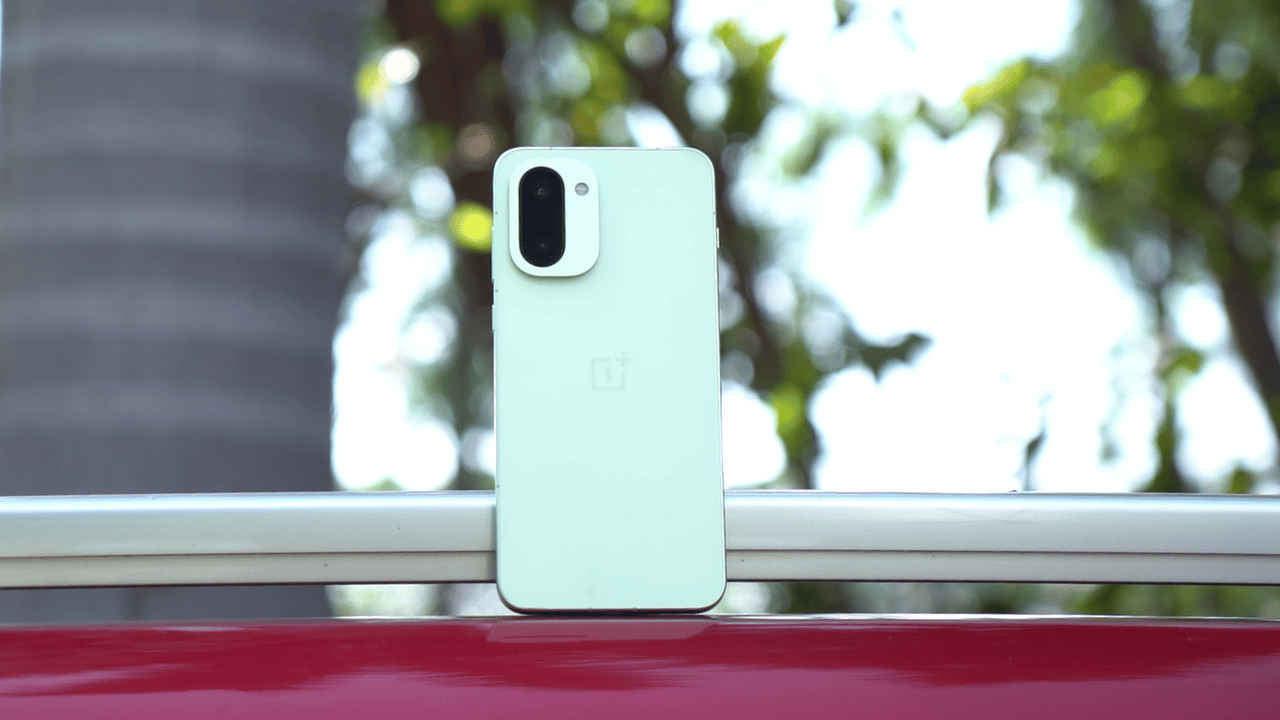
The landscape of the Indian premium smartphone market is on the verge of a seismic shift, if recent industry leaks are to be believed. While the tech world is currently preoccupied with the immediate launches of the next generation of silicon, a new set of revelations has skipped several chapters ahead, offering a glimpse into OnePlus’s long-term strategy for the Indian subcontinent. According to emerging reports and high-profile tipsters, OnePlus is quietly preparing a dual-flagship assault on the Indian market with the OnePlus 16 and the OnePlus 16R, slated for a late 2026 or early 2027 release.
This news marks a significant departure from previous rumors which suggested that the standard OnePlus "numbered" series might eventually become exclusive to the Chinese domestic market due to shifting price dynamics and the rising popularity of the "R" and "T" variants in international waters. Instead, it appears OnePlus is doubling down on its "Never Settle" mantra, aiming to recapture the ultra-premium segment in India while simultaneously pushing the boundaries of the "affordable flagship" category.
Main Facts: A Glimpse into the Next-Generation Spec Sheet
The leaked information, primarily attributed to noted tipster Debayan Roy (Gadgetsdata), outlines a roadmap that suggests OnePlus is moving away from incremental upgrades toward a paradigm shift in hardware capabilities. The highlights of the OnePlus 16R, in particular, paint a picture of a device that could outperform current top-tier flagships by a significant margin.
The Powerhouse Internals
At the heart of the OnePlus 16R is rumored to be the Snapdragon 8 Elite Gen 5. This nomenclature suggests a continuation of Qualcomm’s rebranded flagship line, likely built on a 2-nanometer or refined 3-nanometer process by 2026. This chipset is expected to be paired with up to 16GB of LPDDR6 RAM (anticipating the next standard) and internal storage options reaching 1TB.
Display and Visuals
OnePlus has always been a pioneer in high-refresh-rate displays, and the 16R looks to set a new benchmark. The device is tipped to feature a 6.78-inch 1.5K OLED flat panel. However, the standout specification is the 185Hz refresh rate—a figure currently reserved for high-end gaming monitors and a handful of niche gaming phones. This suggests that OnePlus is pivoting the "R" series toward a heavy focus on mobile e-sports and high-fidelity gaming.
Battery and Charging Revolution
Perhaps the most startling revelation is the inclusion of a 9,000mAh battery. For context, most modern flagships hover between 5,000mAh and 6,000mAh. Achieving a 9,000mAh capacity in a standard smartphone chassis would likely require the use of next-generation high-density silicon-carbon battery technology, which OnePlus has already begun experimenting with under its "Glacier Battery" branding. To complement this massive cell, the device is expected to support 100W SuperVOOC fast charging, balancing capacity with rapid replenishment.
Chronology: From Flagship Killers to Market Leaders
To understand the significance of the OnePlus 16 series, one must look at the chronological evolution of the brand in India.
- 2014–2019: The Disruptor Phase: OnePlus entered India as a "Flagship Killer," offering top-tier specs at half the price of Samsung or Apple.
- 2020–2022: The Diversification Phase: The introduction of the ‘R’ series (starting with the 9R) allowed OnePlus to maintain a presence in the ₹40,000–₹50,000 segment while the main numbered series pushed into the ₹60,000+ territory.
- 2023–2024: The Premium Consolidation: Devices like the OnePlus 12 and 12R solidified the brand’s reputation for display excellence and battery longevity. Rumors began to swirl that the "base" flagship might exit India to make room for the ‘R’ and ‘Pro/Ultra’ variants.
- 2026–2027 (Projected): The Ultra-Premium Expansion: The tipped launch of the OnePlus 16 alongside the 16R in India suggests a three-tier strategy (R, Standard, and presumably a Pro/Open model) to cover the entire spectrum from ₹70,000 to over ₹1,00,000.
The projected launch window of December 2026 or early 2027 aligns with the traditional post-Snapdragon Summit cycle, where OnePlus is often among the first to deploy Qualcomm’s latest silicon.
Supporting Data: Pricing Tiers and Market Positioning
The leaked pricing structures indicate that OnePlus is no longer competing solely on "value," but is now a confident player in the luxury tech space.
| Feature | OnePlus 16R (Expected) | OnePlus 16 (Expected) |
|---|---|---|
| Price Range | ₹70,000 – ₹75,000 | ₹81,999 – ₹99,990 |
| Display | 6.78" 1.5K OLED (185Hz) | 6.82" 2K LTPO AMOLED (TBD) |
| Chipset | Snapdragon 8 Elite Gen 5 | Snapdragon 8 Elite Gen 5 |
| Main Camera | 200MP Primary + 50MP Telephoto | 200MP + 50MP + 50MP (TBC) |
| Battery | 9,000mAh | 7,500mAh – 9,000mAh |
| Build | Metal Frame, Water Resistance | Ceramic/Glass, IP69 Rating |
The jump to a ₹70,000 starting price for the "R" series represents a significant upward movement. This is likely a response to the "premiumization" trend in India, where consumers are increasingly opting for higher-priced smartphones through easy financing and trade-in programs.
Camera Evolution: The 200MP Milestone
For years, OnePlus relied on Sony’s 50MP IMX and LYTIA sensors. The leak regarding the OnePlus 16R suggests a transition to a 200MP primary sensor. This move would put OnePlus in direct competition with Samsung’s "Ultra" series.
The inclusion of a 50MP telephoto sensor with 3.5x optical zoom on the 16R indicates that the "R" series is losing its "budget flagship" status and gaining professional-grade optics. Historically, the ‘R’ models cut corners in the camera department to save costs; however, the 16R appears to be an all-out flagship in its own right.
Official Responses and Industry Skepticism
As is standard with leaks concerning products more than two years away, OnePlus has maintained a strict "no comment" policy. Corporate representatives typically do not validate rumors regarding unannounced hardware, especially when the product cycle is several generations ahead.
Industry analysts, however, urge a degree of caution. While the Snapdragon roadmap is predictable, a 9,000mAh battery and a 185Hz display are "bleeding-edge" specs that present significant engineering challenges, such as:

- Thermal Management: To handle an 185Hz refresh rate and the Gen 5 chipset, the rumor of an "in-built cooling fan" becomes a necessity rather than a luxury.
- Form Factor: Keeping a phone slim while housing a 9,000mAh battery requires a breakthrough in energy density that is currently in the prototype stage.
- Software Optimization: OxygenOS will need a massive overhaul to manage the power draw of such high-end hardware while maintaining the "smooth and fast" experience the brand is known for.
Implications: What This Means for the Indian Smartphone Market
The potential arrival of the OnePlus 16 and 16R has several far-reaching implications for the industry:
1. The End of the "Mid-Range" OnePlus
If the entry-level flagship starts at ₹70,000, OnePlus is effectively vacating the sub-₹40,000 market to its sibling brand, Nord. This clarifies the brand’s identity as a premium-only entity, mirroring the strategy of Apple.
2. A New Arms Race in Battery Tech
If OnePlus successfully integrates a 9,000mAh battery, it will force competitors like Samsung and Xiaomi to move away from the standard 5,000mAh capacity. This could signal the end of "battery anxiety" for the modern smartphone user.
3. Gaming Phones Go Mainstream
By including an 185Hz display and an internal cooling fan, OnePlus is essentially absorbing the "Gaming Phone" category (currently occupied by brands like ROG). This suggests that in the future, every flagship will be a gaming flagship.
4. Market Consolidation
The high pricing suggests that OnePlus is targeting the growing affluent middle class in India. With the OnePlus 16 potentially touching the ₹1,00,000 mark, the brand is positioning itself as a direct alternative to the iPhone Pro Max and Samsung Galaxy S-Ultra series.
Conclusion
The rumors surrounding the OnePlus 16 and 16R suggest a bold, high-stakes future for the company in India. By late 2026, the smartphone may no longer be just a communication tool but a high-performance computer capable of sustained gaming, professional photography, and multi-day battery life. While the wait is long and the details are subject to change, the roadmap indicates that OnePlus is preparing to settle for nothing less than total market leadership in the premium segment. For the Indian consumer, this means more choices at the high end, but it also signals a future where "flagship" performance comes with a truly flagship price tag.