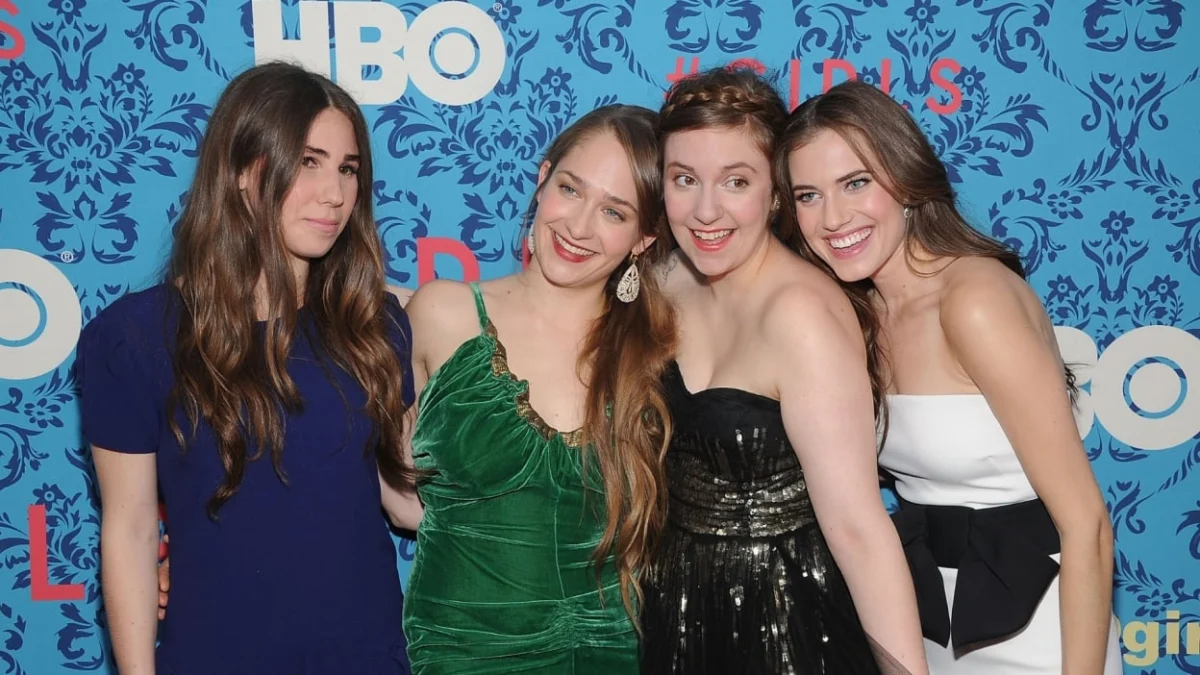
When Lena Dunham’s Girls first premiered on HBO in 2012, it arrived as a lightning rod for cultural discourse. It was a show about four self-absorbed, messy, and undeniably magnetic young women attempting to navigate the labyrinthine social and professional landscape of New York City. For six seasons, viewers watched Hannah Horvath, Marnie Michaels, Jessa Johansson, and Shoshanna Shapiro fumble through their twenties, treating their own narcissism as a form of avant-garde art. Now, nearly a decade after the series finale in 2017, the news that HBO is reviving the franchise for a limited five-episode run has sent shockwaves through the television landscape.
The Evolution of the Millennial Zeitgeist
The original run of Girls was more than just a television show; it was a defining artifact of the early 2010s. It captured the specific, unvarnished anxiety of a post-recession, pre-social-media-dominance generation. Hannah’s iconic, if delusional, assertion that she might be the “voice of a generation” became the show’s thesis statement—a bridge between the earnestness of the late aughts and the irony-poisoned digital age that followed.
As we look toward this 2026 revival, the cultural context has shifted drastically. The women we once knew are now in their late thirties or early forties. The existential dread of “making it” in the big city has likely been replaced by the more grounded, yet equally chaotic, realities of middle age. For fans who grew up alongside these characters, the revival represents a long-awaited check-in: Have they grown? Or have they simply traded one set of self-inflicted problems for another?

A Chronology of the ‘Girls’ Phenomenon
To understand the weight of this revival, one must look back at the show’s trajectory:
- 2012: Girls debuts to massive critical acclaim and immediate internet controversy, cementing Lena Dunham as a polarizing cultural force.
- 2013-2016: The show becomes a staple of the “prestige TV” era, known for its unflinching depictions of sex, mental health, and the toxicity of female friendships.
- 2017: The series concludes with a polarizing finale that left many fans wondering about the long-term viability of these women’s lives.
- 2026: HBO confirms a five-episode limited series revival. The original core cast—Dunham, Allison Williams, Jemima Kirke, and Zosia Mamet—are all officially signed on to return.
The Wishlist: 18 Specific Hopes for the Revival
As the production gears up, the discourse has already turned to what we need to see. The following list represents the quintessential elements of the Girls DNA that fans are hoping to see updated for the current era.
1. The Legacy Characters and Their New Realities
- The Return of Joshua (Patrick Wilson): Does the “hot doctor” still hold the same allure, or has his charm faded into the beige wallpaper of a Brooklyn brownstone life?
- Jessa’s Pivot to Wellness Grifter: Jessa was always the most unpredictable of the group. Seeing her as a pseudo-spiritual wellness influencer peddling raw milk and unverified trauma healing feels like the natural, disastrous progression of her character arc.
- Marnie the Mommy Influencer: Marnie’s need for validation was always her fatal flaw. A transition into a beige-clad, podcast-hosting “mommy blogger” who is terrified of her own mother’s newfound TikTok fame is perfectly on-brand.
- Shoshanna the Girlboss: If anyone was going to weaponize LinkedIn and startup culture to become a mogul, it was Shoshanna. We expect to see her as the most "successful" of the group, though likely the most emotionally detached.
2. The Digital Landscape and Social Media
- Hannah’s TikTok Villainy: Hannah has always thrived on oversharing. Seeing her accidentally become a viral “villain” on TikTok after a poorly received essay about motherhood—followed by a tone-deaf Notes app apology—is perhaps the most realistic expectation for the revival.
- Mimi-Rose Howard’s AI Art: Gillian Jacobs’ character was always at the cutting edge of pretension. It is inevitable that she would pivot to generative AI art, positioning herself as a visionary while Hannah watches from the sidelines, fuming.
- Booth Jonathan’s Bankruptcy: The quintessential Brooklyn hipster art fraud surely lost his fortune on a failed NFT project. His return as a bankrupt visionary is necessary for the show’s satirical edge.
3. Generational Shifts and Aging
- The "Mother" Encounter: A scene where Hannah attempts to relate to a group of Gen Z women in Williamsburg, only to be called "mother" in the internet-slang sense, would perfectly encapsulate the current generational divide.
- The Death of the "Cool" Neighborhood: The revival must address the gentrification that has rendered their old haunts unrecognizable. Seeing them realize they are no longer the target demographic of their own city is a vital narrative beat.
- Elijah’s Elder Statesman Role: Andrew Rannells’ Elijah as a jaded Fire Island "gay elder" complaining about the lack of history among today’s youth is a performance we didn’t know we needed.
Official Responses and Creative Direction
While HBO has remained tight-lipped regarding specific plot points, insiders suggest the limited series will focus on the “messiness of maturity.” Lena Dunham has expressed interest in exploring how the hyper-connectivity of the modern internet has complicated the already fragile bonds of the four women. The goal, according to production sources, is not to provide a tidy resolution but to highlight the persistent, lingering habits that define us even as we age.

Implications for Modern Television
The Girls revival is a significant test case for the "prestige revival" trend. Unlike shows that return to nostalgia-bait, Girls is doubling down on the same uncomfortable, often abrasive realism that made it famous.
The implications are twofold:
- Re-evaluating the "Unlikable" Female Lead: Girls helped pave the way for the "unlikable" female protagonist trope, which has since become a staple of modern television. The revival will serve as a litmus test for whether audiences are still willing to engage with protagonists who refuse to grow in the ways society expects them to.
- The Intersection of Creator and Character: The revival will inevitably invite renewed scrutiny of the blurring lines between Dunham’s public life and her character’s trajectory. How the show handles the current climate of digital discourse will likely define its success.
Conclusion: Why We Still Need These Women
Despite the polarized reception to the original finale, there is a lingering curiosity about these characters that speaks to their endurance. They were never meant to be role models; they were meant to be mirrors. By bringing them back, HBO is offering us a chance to see how the specific brand of chaos they represented survives in a world that has become even more obsessed with optics and self-curation. Whether or not they find peace, success, or even each other, one thing is certain: watching them try will be, as it always was, completely impossible to turn away from.