The landscape of modern manufacturing is undergoing a quiet, decentralized revolution. As proprietary "black box" technology faces increasing scrutiny from regulators and privacy advocates, the Open Source Hardware Association (OSHWA) continues to provide the gold standard for transparency, collaborative design, and user agency. In September 2026, the OSHWA certification program reached a significant milestone, adding 30 new projects to its database and bringing the total number of officially certified open-source hardware designs to 3,431.
This certification is more than a stamp of approval; it is a commitment to the community. By adhering to the official OSHWA definition of open-source hardware, creators guarantee that their schematics, board layouts, and mechanical designs are accessible to the public, allowing anyone to study, modify, distribute, and manufacture the products.
Main Facts: The Growth of an Ecosystem
The September cohort of certifications represents the sheer diversity of the open-source movement. From specialized physics laboratory equipment to critical cybersecurity tools and additive manufacturing accessories, the projects certified this month underscore the utility of community-led development.

The OSHWA certification program serves as a bridge between hobbyist innovation and industrial-grade reliability. Each of the 3,431 projects currently in the database has undergone a rigorous review process to ensure that the documentation provided meets the standard of "open." This ensures that when a researcher, educator, or hobbyist encounters the OSHWA certification logo, they can be confident that they are not dealing with "source-available" software or restricted-access hardware, but rather a fully transparent, community-owned design.
Chronology of September 2026 Certifications
September was a particularly active month for the OSHWA pipeline. The month saw a steady stream of submissions, culminating in a final count of 30 new additions. While the certification process is rolling, the batch processed in September highlights a trend toward practical, real-world utility.
The Highlights:
- Photogate V2 (UID AR000006): Designed by Marcio Aparecido Bulla Junior, this device is a paradigm shift for physics education. By utilizing an ESP32-based controller combined with infrared sensors, it provides a cost-effective alternative to expensive, proprietary laboratory equipment. Its integration of 3D-printable components makes it highly replicable for underfunded classrooms globally.
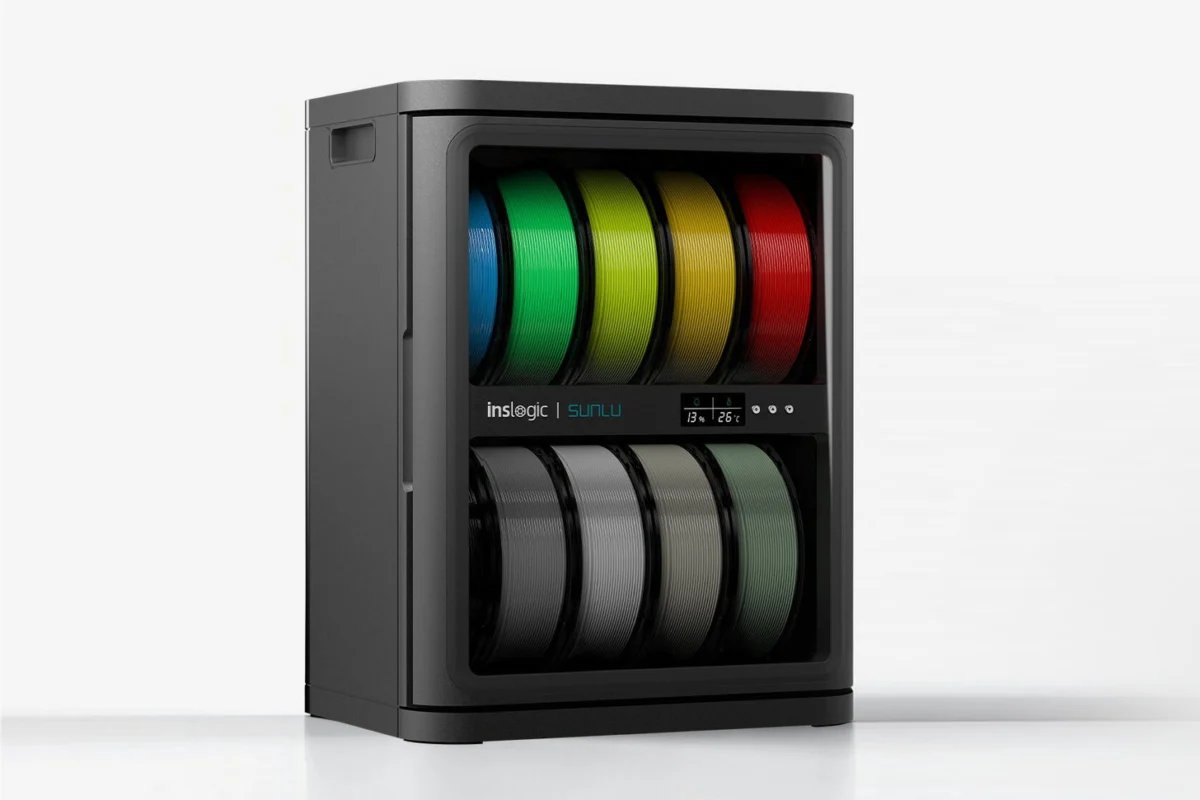
- ChamberFlux (UID US002855): Developed by Johnson Che, the ChamberFlux addresses a common pain point for 3D printing enthusiasts: air quality and particulate management. By creating a standardized, open-source chamber-circulation model, the project allows users to integrate advanced filtration systems into closed-frame printers, directly contributing to safer maker spaces.
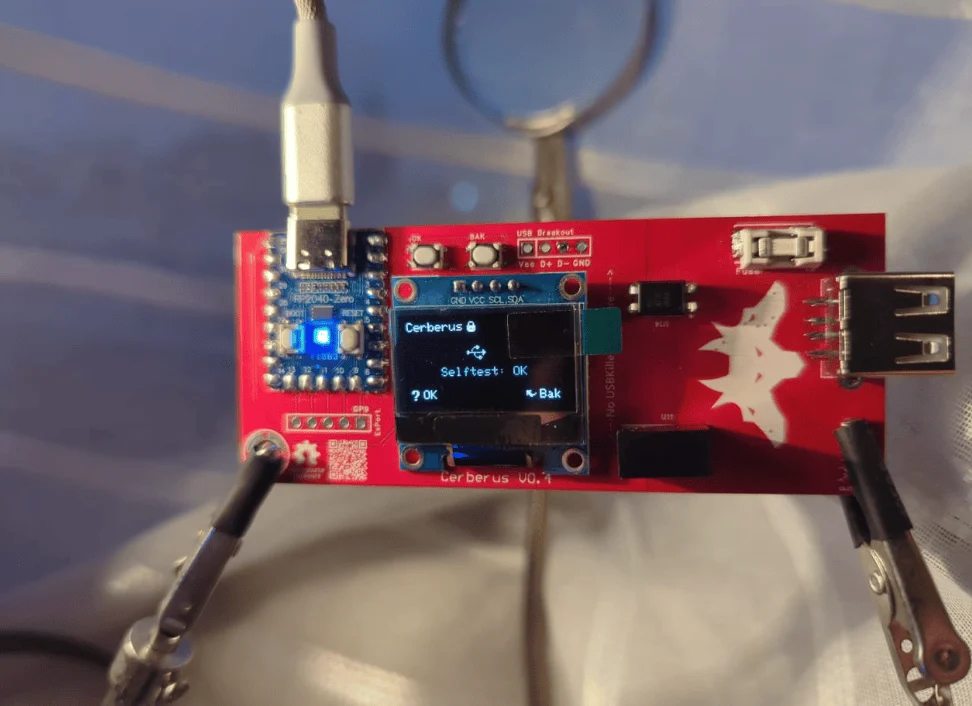
- Cerebus (UID MX000041): Perhaps the most security-conscious entry of the month, the Cerebus, designed by Erik Alcantra, is a pocket-sized security tool. It acts as a "USB sentry," allowing users to plug suspicious storage media into a diagnostic port to monitor activity. With its onboard OLED screen and color LED feedback, it provides an immediate visual indicator of potential threats, such as voltage spikes or unauthorized data exfiltration.
Supporting Data: Why Certification Matters
The necessity of the OSHWA certification is backed by a growing demand for transparency in an era of "planned obsolescence" and "digital rights management" (DRM) hardware.

The current database of over 3,400 certifications acts as a living archive of human ingenuity. The data shows that the majority of these projects originate from independent developers, though there is a growing interest from academic institutions and small-to-medium enterprises.
Key metrics from the program include:
- Accessibility: By standardizing documentation, the OSHWA program reduces the barrier to entry for new developers who want to build upon existing successful architectures.
- Sustainability: Open hardware is inherently more sustainable. Because the designs are public, if a manufacturer goes out of business, the product does not become "e-waste." Users can repair, maintain, or reproduce parts indefinitely.
- Security: As demonstrated by the Cerebus project, open-source hardware allows for third-party auditing of circuits. This is a critical factor for hardware-based security, where backdoors or vulnerabilities can be hidden in proprietary firmware or silicon designs that remain unexamined.
Official Perspectives: The Role of Community Coordination
Sid Drmay, the Community Coordinator for OSHWA, highlights that the growth of these certifications is a testament to the cultural shift toward "making" as a collaborative, global effort.
"The movement is not just about the hardware; it’s about the philosophy of ownership," says Drmay. "When you certify your design with OSHWA, you are making a public declaration that your work belongs to the commons. You are inviting the world to improve upon your idea, and in doing so, you are accelerating the pace of innovation."

The OSHWA team maintains a robust infrastructure to support this growth, including a dedicated Mastodon bot that broadcasts every new certification in real-time. This level of engagement ensures that developers are not working in a vacuum; they are part of a vibrant, interconnected community that spans continents and disciplines.
Implications for the Future of Technology
The implications of this month’s certifications—and the broader OSHWA mission—extend far beyond the electronics bench.
1. The Democratization of Science
With projects like the Photogate V2, the barrier to high-quality physics education is lowered. When students can build their own laboratory-grade tools, they move from being passive consumers of technology to active creators. This is a crucial pedagogical shift that fosters deeper engagement with STEM subjects.

2. Cybersecurity in a Connected World
As the Internet of Things (IoT) grows, our physical spaces are increasingly filled with internet-connected devices. The rise of security-focused hardware like the Cerebus signals a growing public awareness of the risks posed by "untrusted" USB devices. Open hardware provides the only viable path toward a "zero-trust" hardware ecosystem, where the inner workings of our protective tools are fully transparent.
3. Industrial and Home-Shop Safety
The ChamberFlux project is a perfect example of how open-source hardware can solve environmental health issues. By standardizing air circulation and filtration for 3D printers, the community is setting a safety standard that, in many cases, is more robust than what is provided by commercial, proprietary manufacturers.
Conclusion: How to Participate
The OSHWA certification is an invitation. Whether you are an educator looking to build a better classroom, a security professional designing defensive tools, or a hobbyist improving the air quality of your workshop, the infrastructure exists to help you share your work with the world.

For those interested in the future of the movement, the OSHWA community remains highly active. Discussions take place daily on their Discord server, where creators share tips on documentation, PCB manufacturing, and design optimization.
To join the ranks of the 3,431 certified projects, developers are encouraged to visit the OSHWA certification portal. By submitting your design, you join a global lineage of creators who believe that technology should be transparent, repairable, and free to evolve.
As we look toward the remainder of 2026, one thing is clear: the open-source hardware movement is no longer a niche interest. It is a critical component of a modern, resilient, and transparent technological future. Through every line of documentation and every certified board, the OSHWA community is proving that when we build together, we build better.