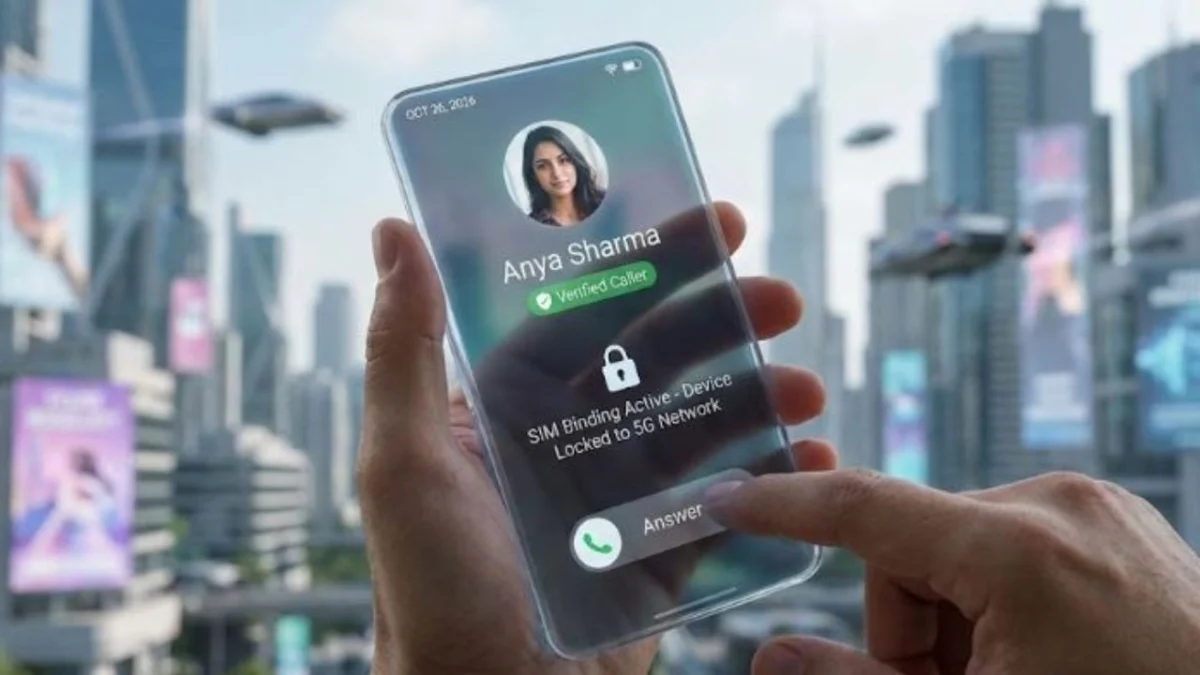
In an era where the smartphone is an extension of the self, the sanctity of digital privacy and the security of telecommunications have become paramount. For years, mobile users in India have grappled with an unrelenting deluge of spam calls, telemarketing intrusions, and sophisticated financial scams. The primary defense has long been third-party applications, but a structural shift is on the horizon. The Telecom Regulatory Authority of India (TRAI) has moved forward with a landmark recommendation: the implementation of Calling Name Presentation (CNAP). This feature aims to display the registered name of a caller on the receiver’s screen, regardless of whether the contact is saved in the phonebook.
This comprehensive report explores the technical, social, and regulatory landscape of CNAP, examining how this shift will redefine telecommunications in the world’s second-largest mobile market.
I. Main Facts: Understanding the CNAP Framework
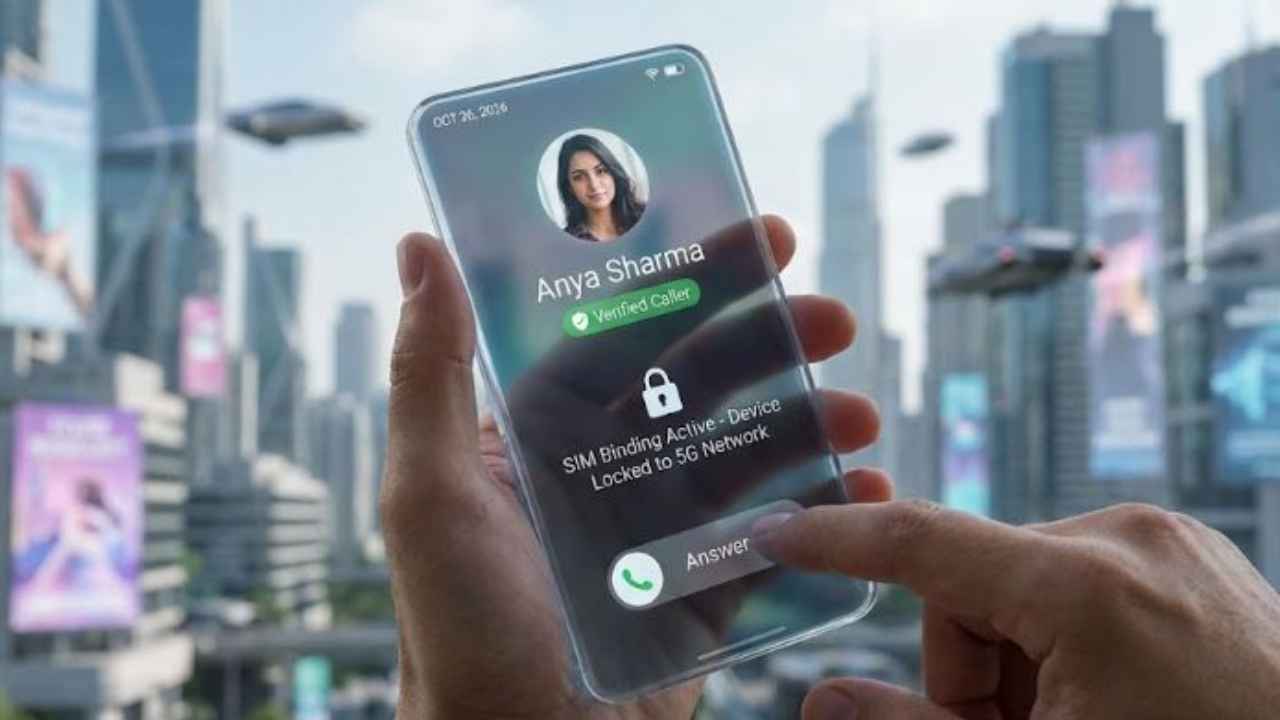
The Calling Name Presentation (CNAP) service is a proposed supplementary service for telecommunications that ensures the identity of the calling party is visible to the recipient. Unlike existing third-party solutions like Truecaller, which rely on crowdsourced data and user-uploaded contact lists, CNAP is designed to be an institutionalized system. It pulls information directly from the Subscriber Identity Module (SIM) registration data—specifically the Know Your Customer (KYC) documents provided to Telecom Service Providers (TSPs) at the time of purchase.
Key Pillars of the CNAP Initiative:
- KYC-Based Identification: The name displayed will be the legal name of the individual or entity as verified by the telecom operator. This eliminates the "nicknames" or "spam tags" often found in crowdsourced apps.
- Native Integration: The feature is intended to be a network-level service. Users will not need to download a separate app or grant permissions to their contact lists to see who is calling.
- Mandatory vs. Opt-in: While the recommendation suggests that all TSPs provide the service, the receiver has the choice to enable or disable the display on their end, maintaining a level of user autonomy.
- 4G and 5G Focus: While the technology is theoretically applicable to all digital networks, the initial rollout is optimized for 4G and 5G handsets, which currently dominate the Indian market.
The move is seen as a direct strike against the "anonymity" that scammers exploit. By ensuring that a fraudster’s legal name (or the name of the person whose identity was used to buy the SIM) appears on the screen, the government hopes to significantly increase the "friction" involved in committing tele-fraud.
II. Chronology: The Journey Toward a Transparent Network
The road to CNAP has been one of rigorous consultation and industry pushback. The timeline reflects the government’s growing concern over the "spam epidemic" in India.
- Late 2022 – The Initial Proposal: TRAI released its first consultation paper on the "Introduction of Calling Name Presentation (CNAP) in Telecommunication Networks." This was prompted by a surge in complaints regarding unsolicited commercial communications (UCC) and financial frauds.
- Early 2023 – Industry Consultation: Throughout the first half of 2023, TRAI invited comments from stakeholders, including major TSPs (Reliance Jio, Bharti Airtel, and Vodafone Idea), technology companies, and privacy advocacy groups.
- February 2024 – The Formal Recommendation: After nearly 15 months of deliberation, TRAI issued its formal recommendations to the Department of Telecommunications (DoT). It stated that the government should make it mandatory for TSPs to offer CNAP to all subscribers upon request.
- Mid-2024 – Technical Trials: Several telecom operators began internal testing to determine the "latency" or delay caused by the system. Since the network must "dip" into a database to fetch a name before the call connects, ensuring this happens in milliseconds was a primary technical hurdle.
- Late 2024 – Implementation Strategy: As per recent reports, the government is looking at a phased rollout. The focus has shifted toward refining the "Identity Management" protocols to ensure that name changes (e.g., due to marriage or legal name change) are updated in the CNAP database in real-time.
III. Supporting Data: The Scale of the Spam Menace
To understand why CNAP is necessary, one must look at the data surrounding telecommunications in India. According to various industry reports, India consistently ranks among the top five most spammed countries in the world.
Spam and Fraud Statistics
- Volume of Spam: In 2023, it was estimated that the average Indian smartphone user received over 12 to 15 spam calls per month. While the "Do Not Disturb" (DND) registry exists, it has proven largely ineffective against unregistered telemarketers using standard 10-digit mobile numbers.
- Financial Impact: The Indian Cybercrime Coordination Centre (I4C) reported a massive uptick in "Digital Arrest" scams and KYC update frauds. In these cases, scammers impersonate police officers, bank officials, or utility providers. The absence of a verified caller ID system makes these impersonations easier.
- Third-Party Dominance: Truecaller has over 250 million active users in India alone. This high adoption rate highlights a desperate consumer need for caller identification, even at the cost of sharing personal contact lists with a private entity.
- KYC Integrity: With over 1.1 billion mobile connections in India, the database for CNAP is massive. However, the integrity of this data is tied to the rigor of the physical and e-KYC processes conducted by retailers across the country.
IV. Official Responses: The Stakeholder Debate
The introduction of CNAP has not been without controversy. The responses from various sectors highlight the complexity of implementing a national-level identification system.
Telecom Service Providers (TSPs)
The reaction from the "Big Three" (Jio, Airtel, Vi) has been cautious. While they support the objective of reducing fraud, they have raised several concerns:
- Technical Latency: Operators are concerned that the extra step of fetching a name from a centralized or distributed database will increase call setup time, potentially leading to a poorer user experience.
- Cost of Infrastructure: Implementing CNAP requires significant upgrades to the signaling systems (the "backend" of the network). TSPs have questioned who will bear the cost of these upgrades.
- Legacy Devices: Millions of Indians still use 2G and 3G "feature phones." Integrating CNAP into these older handsets is technically challenging and, in some cases, impossible.
Third-Party App Developers (Truecaller)
Truecaller, the dominant player in this space, has officially welcomed the move. A spokesperson stated, "We believe that the government’s interest in caller ID is a testament to how important the problem of spam and fraud is. However, CNAP is a basic service. Truecaller provides much more, including community-based spam reporting, AI-powered call blocking, and business verified IDs."
Privacy Advocates
Groups like the Internet Freedom Foundation (IFF) have raised questions about the privacy of the caller. They argue that:
- Consent: Does a caller have the right not to have their name displayed?
- Safety: In cases of domestic disputes or whistleblowing, displaying the legal name of the caller could lead to physical safety risks.
- Data Protection: With the Digital Personal Data Protection (DPDP) Act of 2023 now in play, the government must ensure that the CNAP database is not misused for profiling or surveillance.
V. Implications: How CNAP Will Change the Mobile Experience
The shift to a KYC-based caller ID system carries profound implications for the future of communication in India.
1. The Decline of the Scammer’s Edge
The most immediate impact will be the erosion of anonymity. Currently, a scammer can buy a SIM card and call thousands of people, appearing only as a "Unknown Number." With CNAP, even if the scammer uses a "mule" SIM (a card bought under someone else’s name), the recipient will see a name like "Rajesh Kumar" or "Sunita Sharma." While this doesn’t stop the call, it shatters the illusion of being an "Official Bank Representative" or "Police Officer" if the name on the screen does not match the claim.
2. Impact on Business and Telemarketing
Legitimate businesses will now be incentivized to register their numbers correctly. For telemarketers, the "hit rate" of calls may drop as users become more selective about which calls they answer. This could force the telemarketing industry toward more ethical, permission-based models.
3. The Future of Privacy and the "Right to be Anonymous"
CNAP forces a trade-off: we sacrifice the caller’s anonymity to enhance the receiver’s security. As the system rolls out, the DoT will likely have to implement a "Name Privacy" feature for sensitive categories (such as women’s helplines or government officials) to prevent harassment or targeted attacks.
4. Technological Sovereignty
By building its own identification system, India is reducing its reliance on foreign-owned third-party apps for essential security features. This aligns with the "Atmanirbhar Bharat" (Self-Reliant India) initiative, ensuring that the data of Indian citizens remains within the control of domestic telecom regulations.
5. Challenges in Accuracy
The success of CNAP hinges entirely on the accuracy of the TSP’s KYC database. If a SIM is transferred between family members without updating records, the wrong name will be displayed. Ensuring a seamless way for users to update their "Display Name" (provided it matches legal documents) will be a significant administrative task for telecom operators.
Conclusion
The introduction of Calling Name Presentation (CNAP) is a watershed moment for India’s telecommunications sector. It represents a proactive attempt by the regulator to solve a problem that has plagued the nation for over a decade. While technical hurdles regarding latency and legacy devices remain, and privacy debates continue to simmer, the move toward a verified, KYC-based network is an inevitable step in the evolution of a secure digital society.
As we move toward the proposed implementation dates, the burden now shifts to the Telecom Service Providers to upgrade their infrastructure and to the Department of Telecommunications to ensure that this tool is used to empower the citizen, rather than infringe upon the fundamental right to privacy. For the millions of Indians who have hesitated before answering an unknown call, CNAP promises a future where the phone is once again a tool of connection, rather than a conduit for deception.