The landscape of artificial intelligence is shifting beneath the feet of digital marketers and business owners. As we approach the end of 2026, the industry is moving away from the era of "chatbots as novelties" and toward an era of "intelligent agents and interactive infrastructure." With major players like OpenAI, Anthropic, Google, and Meta pushing out significant updates simultaneously, the professional standard for content creation, lead generation, and workflow automation is being rewritten in real-time.
Main Facts: The Great Shift in AI Infrastructure
The most immediate disruption in the market is OpenAI’s decision to retire custom GPTs on December 11. This move marks the end of a specific phase in AI history, forcing businesses that rely on these tools as lead magnets to migrate their assets. The designated successor is ChatGPT Sites, an interactive, web-based platform that offers a more seamless user experience than a traditional chat interface.
Concurrently, the broader AI ecosystem has seen a flurry of activity:
- Anthropic has launched Claude Haiku 5.5, targeting high-volume efficiency.
- Google is rolling out Gemini 4 Argon, pushing deeper into cross-application agentic automation.
- Meta has unveiled its Muse Wonder models, focusing on sophisticated, multi-tasking AI agents.
- OpenAI has introduced GPT-6, which includes "Intelligent UI"—a breakthrough that allows the model to generate dynamic, interactive visual elements rather than static text.
Chronology: A Week of Industry-Defining Updates
The past several days have served as a microcosm of the rapid-fire development cycles currently defining the AI sector:
- Early Week: The announcement of the deprecation of custom GPTs sent ripples through the marketing community, prompting an immediate need for "ChatGPT Sites" migration strategies.
- Mid-Week: Anthropic set the pace for high-performance, cost-effective models with the release of Claude Haiku 5.5, aimed at developers and high-volume enterprise users.
- Late Week: Google and Meta countered with upgrades to their agentic workflows. Google integrated Gemini 4 Argon into the consumer experience, while Meta pushed forward with the Muse Wonder series, signaling a move toward more "frontier" model integration for personal and professional agents.
- The Weekend Horizon: Professionals are now evaluating their "Design Systems"—a critical pillar for maintaining brand consistency in an era where AI-generated visual content can easily become generic and indistinguishable from competitors.
Supporting Data: The State of AI Adoption
According to the 2026 AI Marketing Industry Report, which surveyed 681 marketing professionals, the gap between AI potential and practical application remains significant.
- The Training Gap: Only 7% of marketers report receiving any formal AI training from their employers. This suggests that the vast majority of the workforce is navigating this technological revolution through self-taught trial and error.
- Dependency Shifts: As organizations move from simple tools to complex agentic frameworks, the platform-of-choice is becoming more diversified. Marketers are moving away from monolithic AI reliance and toward specialized models like Claude for design-heavy workflows and Gemini for cross-application task management.
- The "Agent" Surge: The data confirms that businesses are no longer just looking for chatbots; they are actively seeking "agentic" capabilities—tools that can execute multi-step workflows, such as automated reporting, lead qualification, and cross-platform monitoring.
Official Responses and Strategic Implications
The Transition to ChatGPT Sites
The retirement of custom GPTs is not merely a technical update; it is a fundamental shift in how businesses deliver value. A custom GPT often forces users into a "blank box" experience, requiring them to know the right prompts to unlock value. ChatGPT Sites, by contrast, act as interactive web pages. They can host calculators, assessments, and recommendation tools that guide the user through a structured experience. For businesses, this removes the "friction" of needing a ChatGPT login, effectively widening the top of the sales funnel.
Claude Design: A New Era for Brand Consistency
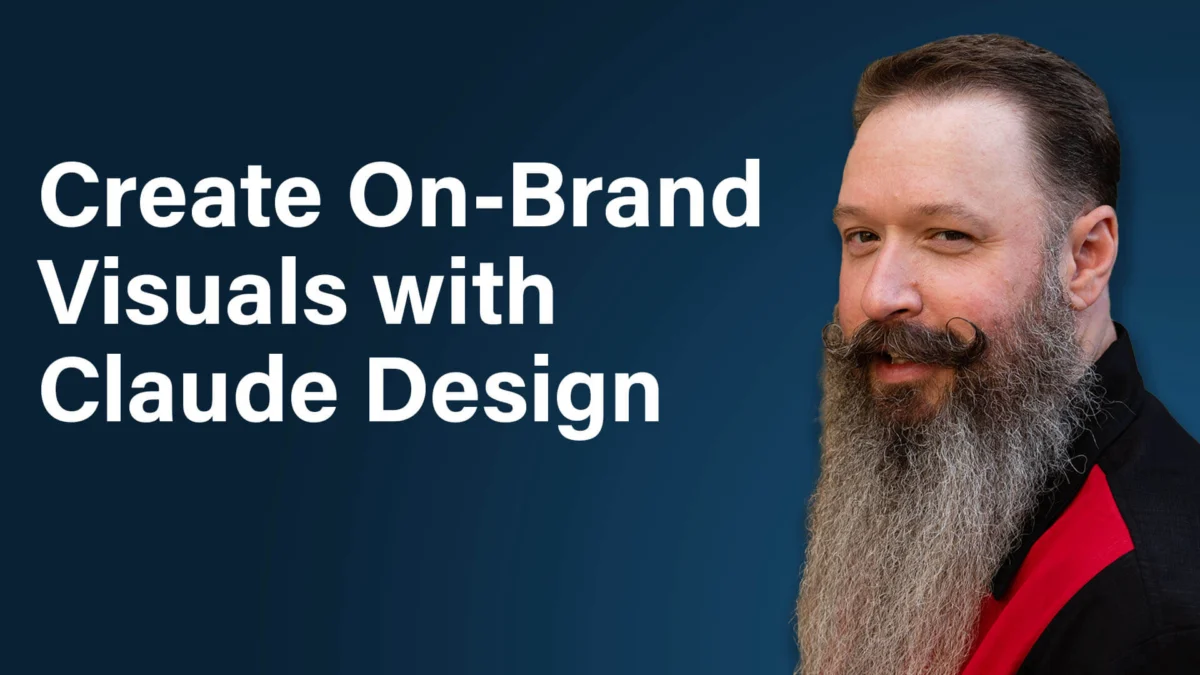
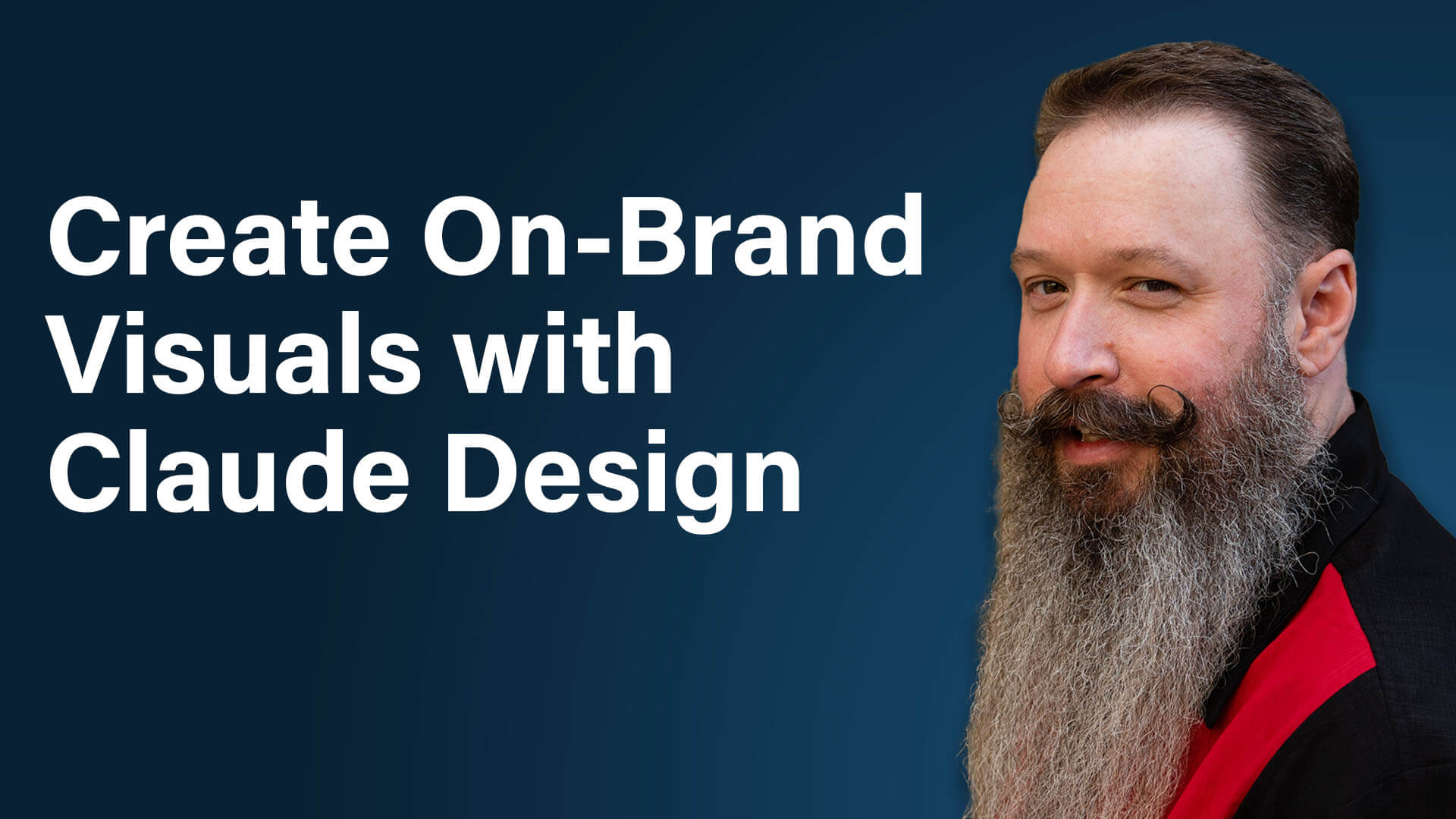
As AI-generated content risks looking "robotic," experts like Jeff Sieh are emphasizing the necessity of a formal Design System. Treating AI as a simple image generator is a mistake; instead, professionals are now using Claude Design as an "Art Director." By feeding a consistent set of brand inputs into the tool, users can export portable design files that ensure YouTube thumbnails, social media carousels, and presentation decks maintain a unified brand identity across every channel.
Anthropic and the Quest for Efficiency
The launch of Claude Haiku 5.5 underscores a pivot toward "reasoning effort." By allowing users to adjust how much "thought" the model puts into a task, Anthropic is enabling companies to balance cost and accuracy. For high-volume tasks like customer support or large-scale data summarization, this represents a major leap in operational efficiency.
Implications: How Marketers Must Adapt
The rapid rollout of these tools suggests that we have entered the "Agentic Era." Here is what this means for the modern professional:
1. From "Content Generation" to "System Creation"
The era of simply asking AI to "write a blog post" is ending. The focus is shifting toward creating systems—such as those described by Claude Design—that act as an extension of the brand. Marketers must now spend more time building the infrastructure (the prompt chains, the design systems, and the agent logic) than the actual content.

2. The Death of the "Generic" Strategy
With Google’s Gemini 4 Argon and OpenAI’s GPT-6 providing more intelligent, UI-driven responses, the competitive advantage will shift to those who can build the most personalized interactive experiences. If your lead magnet is still a PDF or a standard chat window, you are likely losing ground to competitors who are using interactive Sites and dynamic AI-generated forms.
3. Continuous Learning as a Survival Metric
The survey data is clear: waiting for company-led training is a recipe for obsolescence. With 93% of marketers currently left to their own devices, the responsibility for staying current falls on the individual. This includes understanding the nuances of new releases, such as Grok Bot’s automated monitoring of X or the computer-use capabilities now embedded in Anthropic’s SDKs.

4. The Rise of the "Human-in-the-Loop" Art Director
While AI can generate animations and interactive page elements, the role of the human strategist has become more important than ever. Whether it is refining the output of a Claude-generated design system or managing the "reasoning effort" of a Claude Haiku model, human oversight is the final filter that ensures quality and safety.
Conclusion: Preparing for 2027
As we look toward industry conferences like AI Business World in April 2026, the message is clear: the pace of innovation is not slowing down. The migration from custom GPTs to Sites, the adoption of agentic models like Muse Wonder, and the integration of Intelligent UI into our daily workflows are not just trends—they are the new building blocks of the digital economy.

The winners in this new landscape will be those who stop treating AI as a "magic button" and start treating it as a foundational architecture. By building robust design systems, leveraging interactive sites, and embracing the potential of agentic task automation, marketers can move from the uncertainty of the current transition to a position of long-term authority and growth.
The tools are ready. The question remains: how will you architect your brand’s future in this new, agentic world?