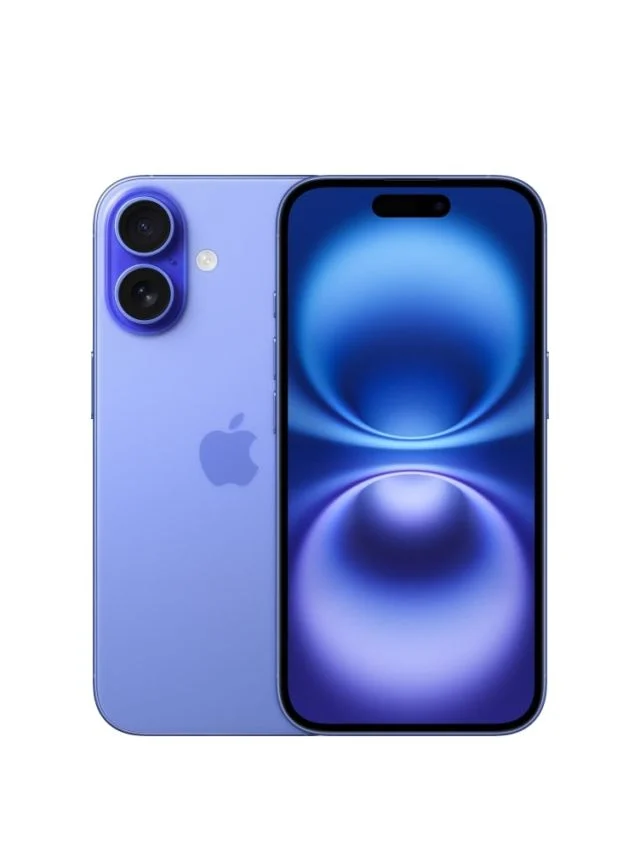
NEW DELHI — In one of the most significant price adjustments since its launch, Apple’s flagship iPhone 16 has seen a substantial price drop on Amazon India. Combining flat platform discounts with targeted banking incentives, the device is currently listed at its lowest effective price point in the Indian retail market.
The strategic price cut comes at a time when competition in the premium smartphone segment ($700–$1,000) in India is reaching unprecedented levels. With aggressive offerings from rival manufacturers and an expanding ecosystem of high-end Android alternatives, this price reduction positions the iPhone 16 as an increasingly attractive option for consumers looking to upgrade from older generation devices or transition into Apple’s hardware ecosystem.
1. Main Facts: Breakdown of the Amazon Deal Structure
The promotional pricing on Amazon India combines direct platform discounts, institutional banking offers, and additional trade-in incentives to lower the entry threshold for Apple’s baseline flagship.
+-------------------------------------------------------+-------------------+
| Pricing Component                                     | Amount (INR)      |
+-------------------------------------------------------+-------------------+
| Original Listed Price / MRP                           | ₹89,900           |
| Amazon Direct Flat Discount                           | - ₹12,901         |
| Direct Selling Price on Amazon                        | ₹76,999           |
| ICICI Bank Credit Card Instant Discount               | - ₹5,000          |
+-------------------------------------------------------+-------------------+
| Final Effective Purchase Price                        | ₹71,999           |
+-------------------------------------------------------+-------------------+
Direct Platform Discount
Amazon has reduced the base retail price of the iPhone 16 from its launch figure of ₹89,900 down to ₹76,999. This represents a flat, unconditioned discount of ₹12,901 directly on the listing price. Unlike seasonal flash sales that require specific voucher codes, this direct price slash applies to all standard purchases across eligible colorways and stock allocations.
Banking Partner Incentives
To further reduce the transaction cost, Amazon has partnered with ICICI Bank to offer an additional instant discount of ₹5,000 for purchases made using ICICI Bank Credit Cards.
- Combined Savings: Integrating the direct platform markdown with the banking rebate brings the effective acquisition price of the iPhone 16 down to ₹71,999.
- Financial Flexibility: The deal includes options for No-Cost EMI (Equated Monthly Installment) plans spanning 3 to 6 months for major cardholders, mitigating upfront capital outlay for consumers.
Trade-In and Exchange Dynamics
Alongside direct discounts, Amazon’s trade-in platform allows buyers to exchange older smartphones for further deductions. Depending on the operational condition, model, and physical state of the trade-in unit—such as an iPhone 13 or iPhone 14—buyers can secure additional instant credits ranging between ₹15,000 and ₹28,000, bringing the net out-of-pocket expense well below the ₹60,000 mark.
2. Chronology of iPhone Pricing in the Indian Market
Understanding the context of this price adjustment requires examining Apple’s evolving pricing strategy and manufacturing presence in India over recent years.
Timeline of iPhone Pricing Trends & Localization in India
------------------------------------------------------------------------------------
2020 (iPhone 12)  : High import duties; major assembly limited to older models.
2022 (iPhone 14)  : Expanded local assembly via Foxconn & Pegatron; minor price delays.
2023 (iPhone 15)  : Simultaneous global & local shipping; reduced import duty impact.
2024 (iPhone 16)  : Full local manufacturing at launch; accelerated mid-cycle discounts.
------------------------------------------------------------------------------------
The Transition from High Tariffs to Local Assembly
Historically, flagship iPhones launched in India carried a significant premium compared to Western markets due to a combination of high import tariffs (Basic Customs Duty), local logistics taxes, and exchange rate volatility. Earlier iterations, such as the iPhone 11 and iPhone 12, often retained their launch prices for nearly a full product cycle before experiencing noticeable markdowns.
However, Apple’s strategic pivot under its "Make in India" initiative—executed through manufacturing partners like Foxconn, Pegatron, and the Tata Group (which acquired Wistron’s India operations)—has transformed product availability and pricing structures.
- Launch Synchronization: Local assembly facilities in Tamil Nadu and Karnataka enabled Apple to ship locally manufactured iPhone 16 units simultaneously with global launch dates.
- Duty Reductions: Following the Indian federal government’s reduction of basic customs duties on imported mobile components, the overall cost structure for domestic manufacturing improved.
- Accelerated Discount Cycles: Thanks to optimized supply chains and lower landed costs, major e-commerce platforms like Amazon and Flipkart can now execute aggressive price corrections much earlier in the product life cycle than was previously possible.
3. Technical Deep-Dive: Architecture and Benchmark Analysis
The iPhone 16 represents a notable generational upgrade over its predecessor, primarily due to internal architectural changes made necessary by Apple’s artificial intelligence requirements.
+-----------------------------------------------------------------------------------+
| Feature               | iPhone 16 Hardware Specification                         |
+-----------------------------------------------------------------------------------+
| System-on-Chip (SoC)  | Apple A18 (Second-generation 3-nanometer process)         |
| Unified Memory (RAM)  | 8GB LPDDR5X                                               |
| CPU Configuration     | 6-core (2 Performance Cores + 4 Efficiency Cores)         |
| Neural Engine         | 16-core dedicated NPU                                     |
| Display Panel         | 6.1-inch Super Retina XDR OLED (2556 x 1179 pixels)        |
| Refresh Rate          | 60Hz                                                      |
| Primary Camera        | 48MP Fusion Camera (f/1.6 aperture, Sensor-shift OIS)     |
| Ultra-Wide Camera     | 12MP (f/2.2 aperture, Macro support, Autofocus)           |
| Battery Performance   | ~6+ Hours Screen-on Time; 50% charge in ~30 minutes       |
+-----------------------------------------------------------------------------------+
The A18 System-on-Chip & Memory Expansion
At the core of the iPhone 16 is the A18 chip, built on TSMC’s second-generation 3-nanometer (N3E) fabrication process. Unlike previous non-Pro models that inherited the prior year’s Pro processor, Apple equipped the standard iPhone 16 with an entirely new chip family.
- Memory Standardization: To support on-device artificial intelligence workloads, Apple upgraded the system RAM from 6GB (found in the iPhone 15) to 8GB of unified memory. This represents a 33% increase in memory capacity, addressing previous multi-tasking bottlenecks.
- Processor Efficiency: The A18 features a 6-core CPU configuration (two performance cores and four efficiency cores) alongside a 5-core GPU. In synthetic and real-world benchmarks, the A18 demonstrates superior single-core performance and power efficiency when measured against competing silicon.
Relative Chipset Performance Matrix (Power Efficiency & Processing Efficiency)
------------------------------------------------------------------------------------
Apple A18            : [========================================] (Industry Lead)
Snapdragon 8 Gen 3   : [======================================  ]
MediaTek Dimensity 9300: [=====================================   ]
Samsung Exynos 2400  : [====================================    ]
Google Tensor G4     : [==============================          ]
------------------------------------------------------------------------------------
Comparative Analysis: A18 vs. Android Flagship Processors
- vs. Samsung Exynos 2400 / Qualcomm Snapdragon 8 Gen 3: The A18 delivers higher single-core CPU throughput, allowing faster app load times and responsive execution of single-threaded tasks. It also maintains lower thermal throttling under sustained loads.
- vs. MediaTek Dimensity 9300: While the Dimensity 9300 utilizes an all-big-core architecture for high multi-core scores, the A18 uses significantly less power during everyday tasks, helping preserve battery longevity.
- vs. Google Tensor G4: The A18 outperforms the Tensor G4 in overall processing capacity, raw graphic rendering, and on-device machine learning execution speed.
4. Feature Evaluation: AI Readiness, Camera Systems, and Battery Life
Beyond raw processing power, the iPhone 16 introduces several hardware-software integrations designed to enhance day-to-day usability.
Apple Intelligence Integration
A key differentiator for the iPhone 16 generation is native compatibility with Apple Intelligence. Due to memory limitations, the previous base-model iPhone 15 cannot run Apple’s suite of on-device generative models.
The iPhone 16’s 8GB RAM allocation and 16-core Neural Engine enable support for:
- System-Wide Writing Tools: Context-aware proofreading, rewriting, and summarization across native and third-party applications.
- Notification Summarization: Automated priority sorting and distillation of long message threads and app notifications.
- Visual Intelligence: Real-time object and location identification accessible via physical device inputs.
- Advanced Siri Capabilities: Improved natural language processing, cross-app task execution, and personal context awareness.
Camera Innovations and Hardware Controls
The rear camera system centers around a 48-megapixel Fusion camera with an f/1.6 aperture and sensor-shift optical image stabilization (OIS).
- In-Sensor Telephoto Crop: By cropping into the central 12 megapixels of the 48MP sensor, the camera provides a optical-quality 2x telephoto mode without requiring a dedicated third lens.
- Macro-Capable Ultra-Wide Lens: The updated 12-megapixel Ultra-Wide sensor features a wider f/2.2 aperture (improving low-light light capture by up to 2.6x) and adds autofocus capabilities, bringing macro photography to the baseline non-Pro series for the first time.
- Physical Camera Control: A new capacitive sensor with haptic feedback—the Camera Control button—allows users to launch the camera, adjust exposure, switch depth of field, and cycle through photographic styles using tactile gestures.
- Undertone and Photographic Styles: The upgraded image pipeline provides real-time control over skin tones, color rendering, and contrast profiles, offering deeper artistic flexibility before an image is captured.
                                 iPhone 16 Camera Layout
   +-----------------------------------------------------------------------------------+
   |                                                                                   |
   |   [ 48MP Fusion Primary ]  --->  Supports 2x Optical Quality Telephoto Crop      |
   |                                                                                   |
   |   [ 12MP Ultra-Wide     ]  --->  Adds Autofocus & Macro Photography Capabilities |
   |                                                                                   |
   |   [ Camera Control ]       --->  Capacitive Sensor for Gesture & Exposure Control |
   |                                                                                   |
   +-----------------------------------------------------------------------------------+
Battery Life and Thermal Architecture
Battery endurance has been improved through a combination of the A18’s 3nm power efficiency, larger internal battery cells, and a redesigned chassis layout.
- Screen-On Time: Real-world testing demonstrates that the iPhone 16 consistently delivers over 6 hours of continuous screen-on time under heavy operational conditions (combining cellular data, video streaming, and gaming).
- Thermal Management: A redesigned internal sub-structure utilizing a 100% recycled aluminum thermal substrate helps dissipate heat more effectively, mitigating the thermal throttling issues seen in older models during intensive tasks like gaming or fast charging.
- Charging Speeds: Supporting USB-C power delivery, the device charges from 0 to 50 percent in approximately 30 minutes when paired with an official or third-party 20W (or higher) USB-PD power adapter.
5. Critical Review: Display Compromises vs. Competitor Offerings
Despite its internal upgrades, the standard iPhone 16 continues to face criticism regarding its display specifications when compared to price-matched Android rivals.
+-----------------------------------------------------------------------------------+
| Display Feature Comparison (Base Premium Category)                                |
+-------------------------------+-------------------+-------------------------------+
| Specification                 | Apple iPhone 16   | Competing Android (e.g., S24) |
+-------------------------------+-------------------+-------------------------------+
| Refresh Rate                  | 60Hz              | 120Hz LTPO Dynamic            |
| Always-On Display (AOD)       | Not Supported     | Supported                     |
| Peak Brightness               | 2,000 nits        | 2,600 nits                    |
| Screen-to-Body Ratio          | ~87%              | ~90%+                         |
+-------------------------------+-------------------+-------------------------------+
The 60Hz Refresh Rate Debate
The iPhone 16 retains a 60Hz Super Retina XDR OLED panel. In an Indian smartphone market where high refresh rate displays (90Hz to 120Hz) are standard even on entry-level devices under ₹15,000, limiting an ₹80,000+ premium device to 60Hz remains a significant drawback.
- User Experience: The lack of Apple’s 120Hz ProMotion technology results in less fluid scrolling animations and reduced responsiveness in high-frame-rate games compared to competing mid-range and flagship Android phones.
- Omission of Always-On Display: The panel lacks LTPO (Low-Temperature Polycrystalline Oxide) backplane technology, which prevents it from dropping down to 1Hz. Consequently, the iPhone 16 does not support Always-On Display (AOD) functionality, a feature that remains exclusive to Apple’s "Pro" tier.
6. Strategic Market Implications for Apple and E-Commerce in India
The dynamic pricing of the iPhone 16 reflects broader changes in consumer electronics retailing and brand competition within the Indian market.
Factors Driving Premium Smartphone Growth in India
------------------------------------------------------------------------------------
1. Financing Accessibility : Expanding No-Cost EMI & co-branded credit card offers.
2. Trade-in Ecosystem     : Higher residual values for used devices reducing cash outlays.
3. Domestic Assembly      : Improved margin flexibility for platforms like Amazon.
4. Premiumization Trend   : Shift in consumer preference from mid-range to flagships.
------------------------------------------------------------------------------------
The Premiumization Wave
India’s smartphone market is experiencing a notable trend toward "premiumization." While total unit shipment volumes in the budget segment have experienced flat or slow growth, the sub-premium (₹40,000–₹60,000) and premium (above ₹60,000) segments have seen rapid year-over-year expansion.
- Consumers are opting to keep their devices longer (average replacement cycles have extended from 18–24 months to 36+ months), justifying higher initial investments in durable hardware.
- Access to digital financing options—such as credit card EMIs, non-banking financial company (NBFC) loans at points of sale, and trade-in programs—has lowered the barrier to entry for flagship devices.
Retail Rivalry: Amazon vs. Flipkart vs. Physical Retail
This price cut highlights the competitive dynamics between India’s major retail channels:
- E-Commerce Price Parity: Platform-exclusive price cuts force competing platforms (such as Flipkart’s Big Billion Days or seasonal sales) and Apple Authorized Resellers (e.g., Imagine, Unicorn, Reliance Digital, Vijay Sales) to adjust their cash-back structures and bundled accessories to stay competitive.
- Channel Distribution: Direct-to-consumer delivery infrastructure allows e-commerce platforms to manage large inventory volumes efficiently, enabling aggressive volume-based discounting during mid-cycle sales periods.
7. Official Context & Industry Outlook
Industry analysts view this price adjustment as a calculated move to sustain demand between major holiday shopping seasons.
Apple’s leadership team has repeatedly highlighted India as a critical strategic growth vector during quarterly earnings calls. Chief Executive Officer Tim Cook has emphasized the company’s dual focus on expanding its local retail footprint—marked by flagship Apple Store openings in Mumbai (Apple BKC) and Delhi (Apple Saket)—alongside expanding local supply chain investments.
According to market research data from firms such as IDC and Counterpoint Research:
- Apple’s market share in India’s overall smartphone landscape has grown steadily, with local assembly initiatives directly helping to stabilize pricing against currency fluctuations.
- Price cuts on standard flagship models help Apple capture market share from high-end Android competitors, expanding its active user base and driving long-term revenue through ecosystem services (Apple Music, iCloud+, Apple TV+, and App Store transactions).
8. Consumer Buyer’s Guide & Final Verdict
                     iPhone 16 Purchase Decision Matrix
+-----------------------------------------------------------------------------------+
| Ideal Candidates for Upgrade              | Candidates Who Should Pass            |
+-------------------------------------------+---------------------------------------+
| • Users holding iPhone 11, 12, or 13      | • Current iPhone 15 owners (minor     |
|   seeking major speed & battery gains     |   generational jump outside of AI)    |
| • Buyers wanting entry to Apple           | • Users for whom 120Hz refresh rates  |
|   Intelligence without Pro-tier costs     |   and telephoto lenses are essential  |
| • Android converts looking for long-term  | • Mobile gamers prioritizing high     |
|   software support (5-7 years)            |   frame rate (120 FPS) output         |
+-------------------------------------------+---------------------------------------+
Who Should Buy the iPhone 16 at ₹71,999?
- Upgraders from Legacy iPhones (iPhone 11 / 12 / 13): For users holding devices three or more years old, the iPhone 16 represents a major leap in battery life, processing speed, display brightness, camera capability, and durability.
- Consumers Prioritizing Device Longevity: With its 8GB RAM configuration, A18 processor, and Apple’s typical 5 to 7 years of iOS software support, the device offers long-term reliability and update support.
- Users Seeking On-Device AI Features: At an effective price of ₹71,999, the iPhone 16 provides the most accessible pathway to Apple Intelligence features within Apple’s current product lineup.
Who Should Consider Alternatives?
- Owners of the iPhone 15: Unless immediate access to Apple Intelligence features is essential, the upgrade from an iPhone 15 may not justify the added cost, given the similarities in screen size, display refresh rate, and core design elements.
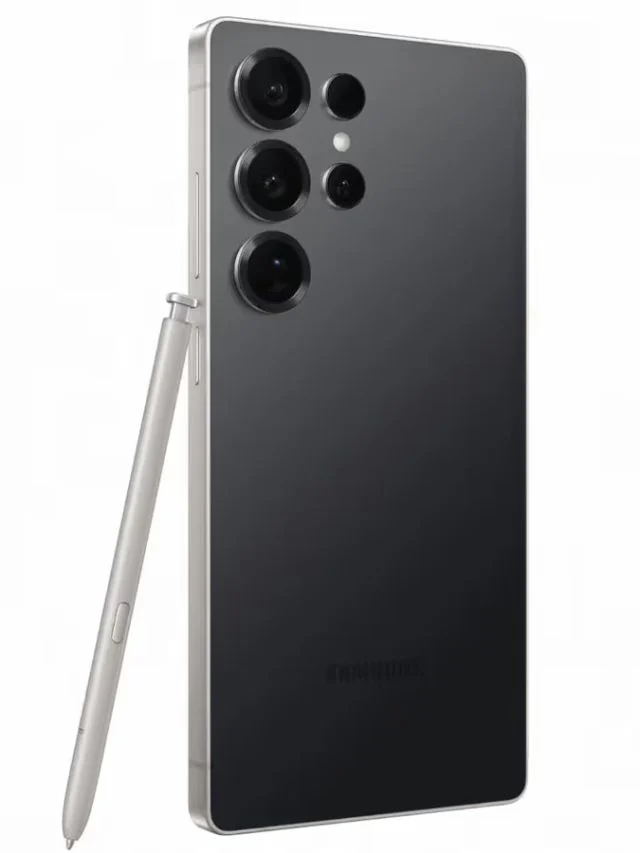
- Display Refresh Rate Enthusiasts: Users accustomed to high-refresh-rate 120Hz displays on Android devices may find the 60Hz panel on the iPhone 16 noticeable. In this price bracket, Android alternatives like the Samsung Galaxy S24 or OnePlus 12 offer smoother 120Hz LTPO displays, faster wired charging, and dedicated optical zoom telephoto lenses.
Summary Verdict
At its original release price of ₹89,900, the baseline iPhone 16 faced tough competition due to its 60Hz display panel and strong performance from competing Android flagships. However, Amazon’s current discount structure—dropping the effective price down to ₹71,999 via flat platform reductions and bank offers—changes the value proposition.
For consumers looking for an entry point into Apple’s latest device generation, modern silicon architecture, and upcoming AI features, this price drop makes the iPhone 16 one of the strongest premium smartphone deals currently available in the Indian market.