As the global purchasing power of Generation Z approaches a staggering $12 trillion by 2030, the pressure on major brands to secure loyalty from this demographic has never been higher. Yet, for many established corporations, Gen Z remains an enigma—a cohort that demands radical transparency, possesses a finely tuned "cringe" detector, and consistently rejects traditional, heavy-handed advertising tactics.
At Advertising Week New York, industry leaders from Smirnoff and Hinge shared the blueprint for their recent success. By moving away from top-down messaging and toward collaborative, culturally embedded storytelling, these brands are proving that the key to Gen Z isn’t just "being there"—it’s being relevant, authentic, and unafraid to take risks.
The Evolution of Engagement: A Chronology of Strategy
The struggle to market to Gen Z is rooted in a fundamental shift in how they consume media. Unlike previous generations that were captive audiences to television spots, Gen Z lives in a fragmented, algorithmic, and social-first landscape.
- 2023–2024 (The Shift to Niche): Brands began realizing that broad-stroke campaigns were failing. Data showed that Gen Z preferred community-led platforms like Substack and TikTok over legacy advertising channels.
- Early 2025 (The Rise of "Chief Vibes Officers"): Smirnoff initiated its pivot by partnering with pop icon Troye Sivan. Moving away from the "party at a bar" trope, the brand leaned into absurdist, dry humor, creating content that felt more like a social media skit than a commercial.
- Late 2025 (The "No Ordinary Love" Campaign): Hinge tapped into the massive cultural phenomenon of "BookTok" and the romance novel renaissance. By releasing an audiobook series that felt like a genuine literary contribution rather than a product placement, the brand solidified its role as a facilitator of real-world connections.
- 2026 (The Current Standard): As discussed at Advertising Week, the focus has moved to "calculated rawness." Brands are now prioritizing creators who have autonomy over the creative process, ensuring that the brand voice is subservient to the cultural conversation.
Supporting Data: Why the Stakes are Rising
The economic influence of Gen Z is not just a trend; it is a structural change in the global marketplace. With $12 trillion in purchasing power on the horizon, the cost of alienation is significant.
Current market research highlights a unique paradox: while Gen Z is famously skeptical of polished, corporate advertising, they remain highly aesthetic-driven. According to panelist Rachel Effendy, executive creative director at Dazed Studios, the common misconception is that "raw" means "low quality."
"There is value in craft," Effendy noted. "We spent hours debating whether to move text two millimeters to the right. Gen Z values the effort and the design sensibility that goes into a brand’s output, even if the content itself feels spontaneous."
Simultaneously, the consumption habits of this demographic are shifting. For alcohol brands like Smirnoff, the challenge is twofold: they must market a product that Gen Z is statistically consuming less frequently than older cohorts, and they must reach them in environments—such as cafes, art festivals, and home-hosted gatherings—rather than the traditional bar setting. By removing Troye Sivan from the typical "night out" scene and placing him in office environments or press conferences, Smirnoff successfully signaled that they understood the changing social habits of their consumers.
Official Perspectives: The Panelists Speak
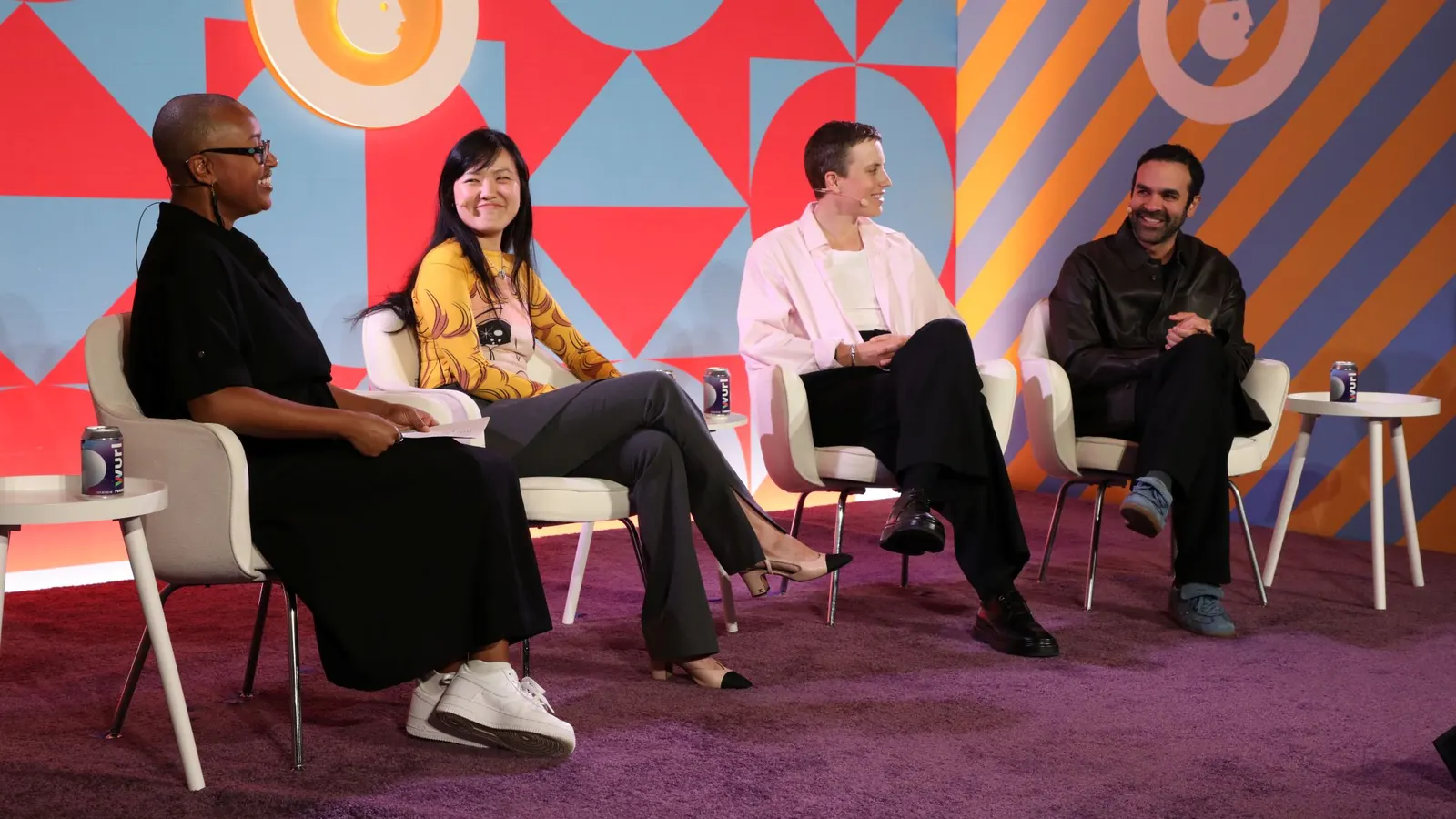
The panel at Advertising Week New York, featuring Jose Nicolas Velez (Smirnoff), Ola Sobiecki (Hinge), and Rachel Effendy (Dazed), provided a candid look at the philosophy behind their recent campaigns.
"Make It From Gen Z, For Gen Z"
Jose Nicolas Velez, global marketing director at Smirnoff, emphasized the necessity of internalizing the demographic’s perspective. "You have to meet them where they are," Velez stated. "Make sure you take calculated risks with what you do. The moment a brand tries to force a narrative, the audience disengages."
Velez highlighted that the "Go Off" campaign was successful largely because Sivan—as "Chief Vibes Officer"—was empowered to influence the creative process. This included the release of "out-of-office" audio messages that fans could download and use personally. This gesture turned a commercial asset into a functional tool for the user, bridging the gap between brand marketing and personal expression.
The Power of Offline Connections
Ola Sobiecki of Hinge focused on the digital-to-physical pipeline. "A lot of our work is about getting people offline," she explained. "Gen Z is tech-savvy but deeply craves tangible, real-world experiences."
By utilizing Substack to host long-form, romantic storytelling, Hinge met the audience on a platform that respects their intellect and their time. The release of a limited-edition hardcover book associated with the campaign was not just a branding exercise—it was a recognition that, despite the digital nature of the app, their users value the permanence of physical media.
Implications: The New Rules of Engagement
As the panelists concluded, the takeaway for the broader industry is clear: Gen Z is not a monolith to be conquered, but a community to be understood. The implications for future marketing strategies are profound.
1. The Death of the "Corporate Filter"
Brands that insist on maintaining a pristine, risk-averse image are likely to be ignored. Gen Z gravitates toward "cringe-worthy" honesty, raw formats, and humor that acknowledges the absurdity of modern life. If a brand cannot laugh at itself, it will struggle to earn the respect of a generation that views irony as a primary language.
2. Agility Over Planning
The speed at which cultural trends move—what is popular on Monday may be "dead" by Thursday—demands a shift in agency-client relations. Velez’s advice to "not be boring" is a directive to be agile. Companies must move away from six-month planning cycles and toward real-time responsiveness. This requires a high degree of trust in creative partners and a willingness to abandon campaigns that fail to resonate before the budget is fully exhausted.
3. Aesthetics Still Matter
The "raw" aesthetic should not be confused with laziness. As noted by the Dazed Studios team, Gen Z is highly design-literate. They are exposed to high-quality, creator-led visuals on a daily basis. Therefore, "raw" content must still be artfully composed. The goal is to create content that looks like it belongs on a user’s feed alongside their friends’ posts, rather than content that looks like it belongs on a billboard.
4. Participation vs. Intrusion
The most successful brands are those that act as participants in culture rather than intruders. Smirnoff didn’t try to dictate how to drink; they adapted to how Gen Z is already drinking. Hinge didn’t try to dictate how to date; they tapped into the existing literary subculture of BookTok. By integrating into these existing spaces, brands become part of the fabric of the consumer’s lifestyle rather than a disruption to it.
Conclusion: Looking Ahead
The path forward for marketers is one of humility and observation. As the demographic shift continues, the brands that win will be those that view Gen Z as a partner in the creative process.
The success of "Go Off" and "No Ordinary Love" proves that when brands stop trying to sell at their audience and start trying to converse with them, the results are both measurable and meaningful. In a world of infinite digital noise, the brands that remain authentic, agile, and aesthetically intentional will not only survive the transition of power to Gen Z—they will define it.
The era of the "corporate mask" is over. For those willing to embrace the rawness, the humor, and the constant evolution of modern culture, the next $12 trillion in spending power is well within reach.