The traditional playbook for sports sponsorship was, for decades, a model of transactional simplicity: buy the assets, activate around the championship or a marquee match, splash a logo on a stadium banner, and exit. It was a "hit and run" approach that relied on reach and frequency rather than depth and community.
However, in the rapidly evolving landscape of 2026, that model is effectively obsolete. As the National Women’s Soccer League (NWSL) continues its meteoric rise in popularity and cultural relevance, it is at the forefront of a radical shift in how brands interact with sports properties.
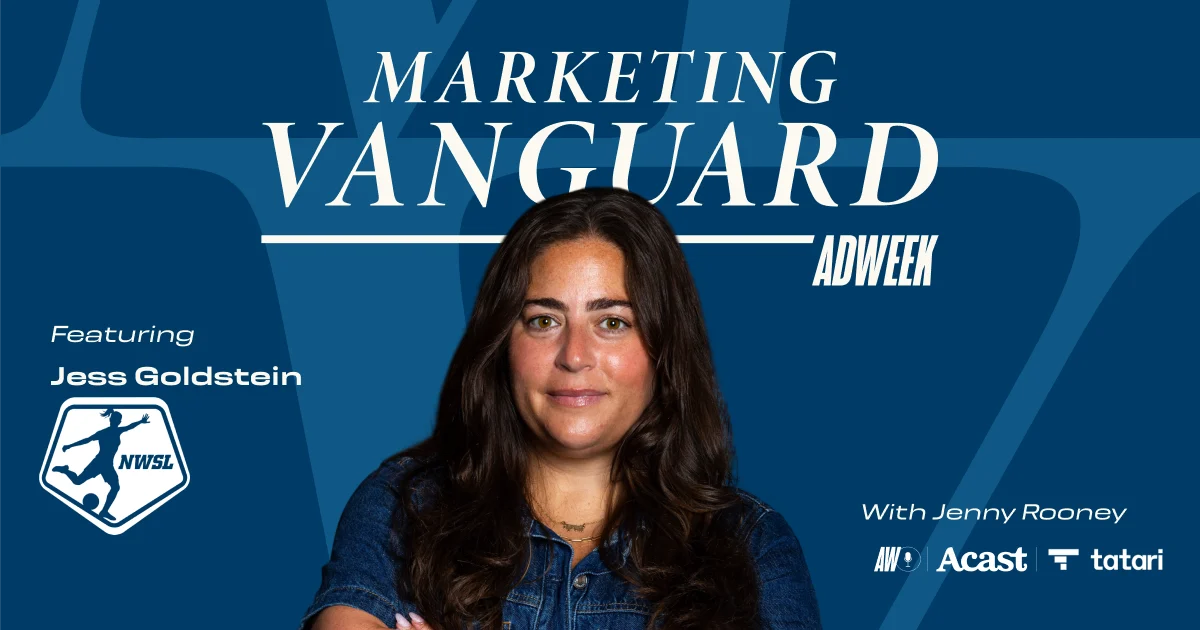
At the Marketing Vanguard stage during Brandweek 2026, Jenny Rooney sat down with Jessica Goldstein, the NWSL’s Vice President of Partnerships and Marketing Solutions, to dissect why modern sports partnerships must move away from static "asset lists" and evolve into dynamic, living platforms.
The Evolution of the Partnership Model
For years, brands approached sports through the lens of a shopping list. A company would purchase television spots, perimeter signage, and perhaps a VIP hospitality suite. While this offered visibility, it lacked the engagement required to build true brand equity in the modern era.
Goldstein, a veteran with over 20 years in the sports industry—spanning her early days at the NBA to an extensive 11-year tenure on the agency side—argues that today’s brands need to behave less like advertisers and more like stakeholders.
"The asset-list sponsorship is over," Goldstein stated during the Brandweek session. "Sponsorship cannot be reduced to a menu of rights anymore. Brands need broader platforms and 360-degree strategies that connect live events, content, media, and the nuanced, multi-faceted behaviors of fans."
Chronology of a Shift: From Transactions to Transformations
The shift toward a "platform" model didn’t happen overnight. It represents a maturation of the sports marketing industry, driven by the changing habits of younger demographics.
The Google Blueprint
Goldstein points to Google’s strategic entry into women’s sports as a foundational case study. Rather than simply buying media, Google prioritized the structural growth of the sport. Notably, Google chose to invest in the WNBA before securing an NBA deal, focusing on "accessibility and discoverability."
By investing in the infrastructure—helping move games onto major networks like ESPN and ABC—Google did more than secure a logo placement; they made the sport easier to find and follow. This created a virtuous cycle: as the sport became more accessible, the fan base grew, which in turn increased the value of Google’s partnership. This is the hallmark of the modern platform approach: the brand’s ROI is tethered to the health and growth of the league itself.
The Rise of Athlete-Centric Storytelling
A critical pillar of the NWSL’s current strategy is the elevation of the individual athlete. In a digital-first world, fans often connect with players long before they connect with the league as a whole.
Goldstein emphasizes that building the NWSL is inextricably linked to building the athletes who play in it. By leaning into player storytelling—showcasing their personalities, their off-field interests, and their personal journeys—the league lowers the barrier to entry for casual viewers.
"The goal is not to expect every new fan to immediately watch every game," Goldstein explained. "It is to create enough connection that following the athlete becomes an entry point into following the league."
Supporting Data: Why Cultural Crossover Matters
The modern sports fan is not just a consumer of game highlights; they are a consumer of culture. Goldstein identifies a massive opportunity in the intersection of sports with music, fashion, and lifestyle.
When athletes appear at other major cultural events, or when fans begin to emulate the off-field style and social causes championed by players, the league gains "storytelling territory" that far exceeds the final score of a match.
- Intersectionality: Sports are increasingly viewed as a lifestyle brand.
- Engagement Metrics: Fans who engage with player content on social media are statistically more likely to tune into live broadcasts.
- The "Long-Tail" Effect: Consistent, year-round storytelling keeps fans engaged during the offseason, preventing the "drop-off" that historically plagued league-wide sponsorship models.
Official Perspective: The NWSL Strategy
Jessica Goldstein’s role at the NWSL is designed to bridge the gap between pure partnership strategy and genuine cultural impact. Her work focuses on three primary objectives:
- Cultural Crossover: Helping brands insert themselves into the wider lifestyle of the league, moving beyond the pitch to tap into the fashion and cultural circles surrounding the players.
- Long-term Consistency: Moving away from short-term activations toward multi-year commitments that foster brand recognition.
- Recognizable Roles: Ensuring that a brand plays a role that the audience actually understands and values. If a brand is a partner of the NWSL, what do they bring to the table? Is it better fan access? Better behind-the-scenes content? Better stadium experiences?
"Her point is that sports is culture," noted the discussion moderators. "Brands that understand those intersections have far more ways to enter the conversation."
The Implications for Future Sports Marketing
The implications for brands are clear: the old "check-the-box" sponsorship is a diminishing asset. If a brand wants to capture the attention of a modern audience, they must embrace a strategy of integration.
The Death of the "One-Size-Fits-All" Campaign
As younger audiences consume sports across a fragmented ecosystem—TikTok highlights, Instagram stories, live matches, and behind-the-scenes podcasts—a single campaign cannot satisfy all touchpoints. Brands must now curate different "roles" for themselves across these channels.
Fandom as a Community, Not a Transaction
The modern fan is a participant. They participate in the narrative, the discourse, and the community. For a brand to succeed, they must facilitate that participation. Whether it’s through enhanced data, interactive digital experiences, or athlete-led initiatives, the brand must add value to the fan experience rather than just interrupting it.
Sustainability and Growth
By moving to a platform model, brands are essentially investing in the sustainability of the sport. As Google demonstrated, when a partner helps solve a friction point (like game discoverability), they become an indispensable part of the ecosystem. This creates a "moat" around the partnership that a simple sponsorship contract cannot provide.
Conclusion: The Path Forward
As the NWSL continues to break attendance and viewership records, the league’s partnership model serves as a bellwether for the rest of the sports industry. Jessica Goldstein’s philosophy—that we must treat sports partnerships like platforms—is a necessary evolution in an era where attention is the most valuable currency.
For brands, the message is simple: Stop looking for assets to buy and start looking for platforms to build. The future of sports marketing isn’t about being seen during the game; it’s about being part of the story that keeps fans coming back for more.
This article is part of a special vidcast series recorded live during Brandweek 2026 and presented in partnership with Tatari. For the full conversation, watch the video above.