The digital landscape is undergoing its most significant transformation since the invention of the search engine. For years, the "Ten Blue Links" model defined the success of every go-to-market team. Today, that model is being eclipsed by a new paradigm: AI Search Behavior.
As users increasingly turn to LLM-powered platforms like ChatGPT, Google AI Overviews, and Perplexity for immediate, conversational answers, the traditional path to brand discovery is fracturing. While this shift has led to a measurable dip in raw organic traffic for many websites, it has simultaneously ushered in a new era of high-intent lead generation. According to HubSpot’s State of AEO 2026 report, AI search is now the primary predictor of purchase intent for software buyers, turning the challenge of "zero-click" searches into a massive opportunity for brands that adapt.
The Evolution of Search: From Keywords to Conversations
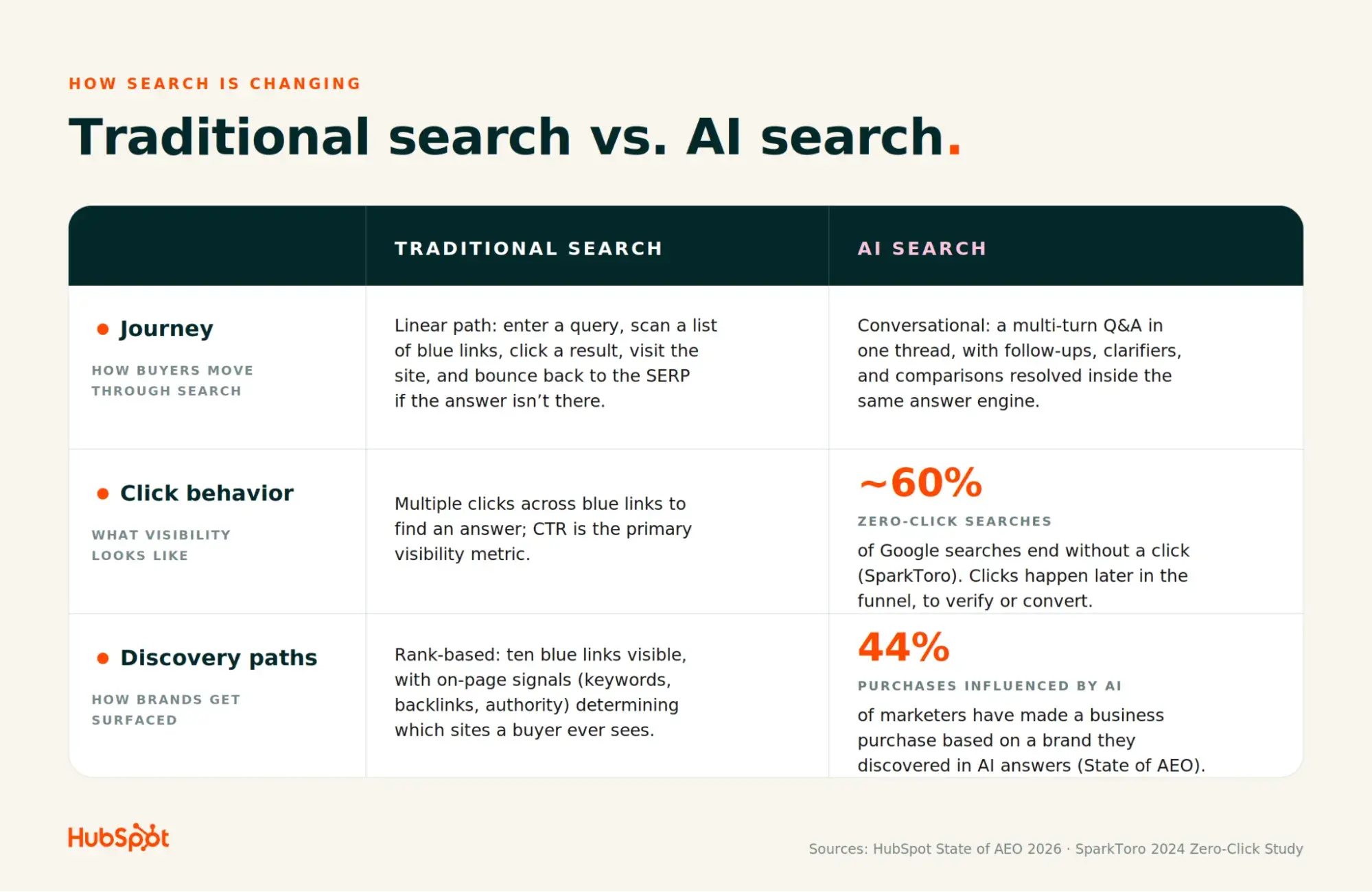
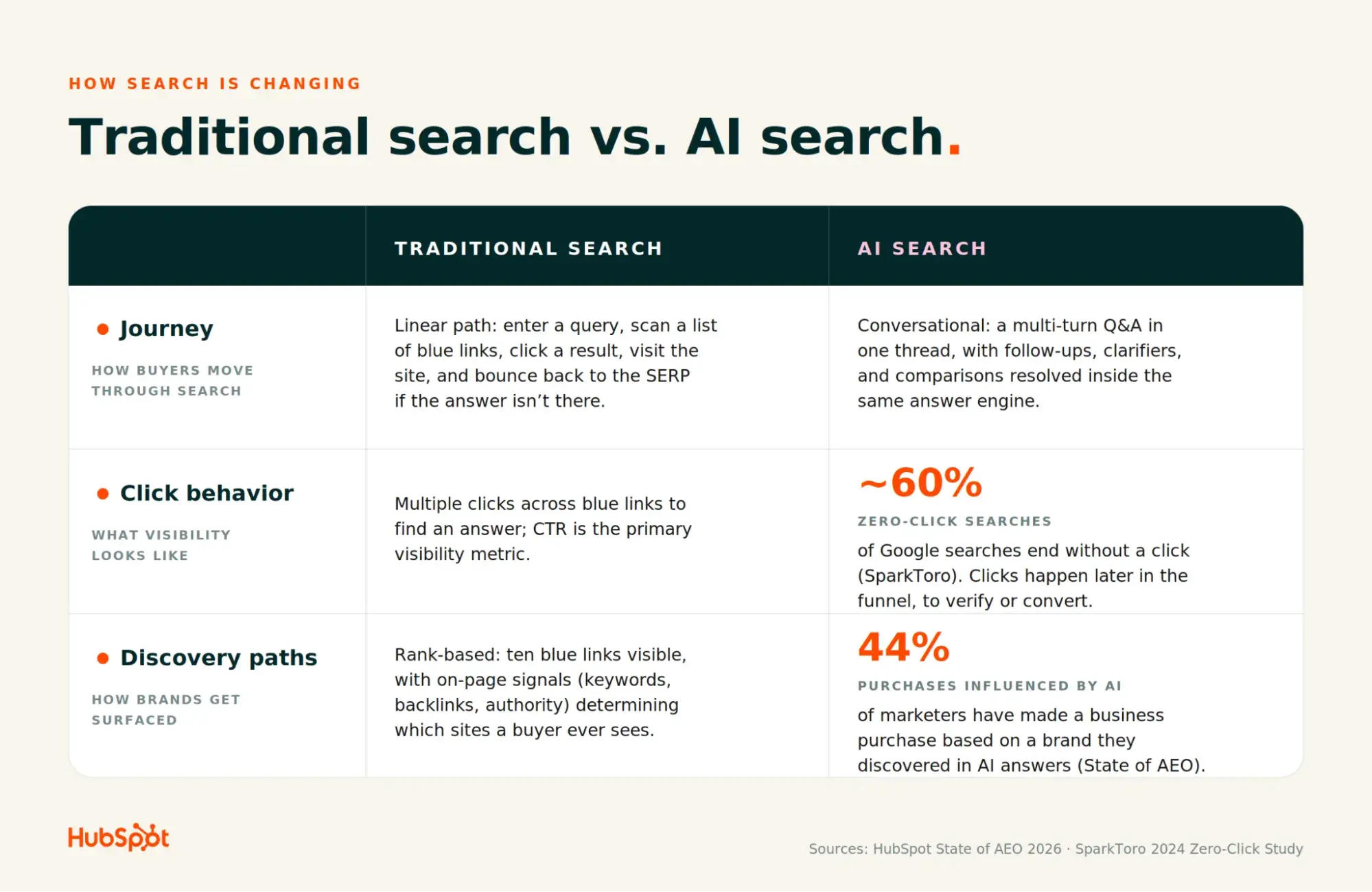
To understand why this shift matters, one must first distinguish between traditional search and AI search behavior. Traditional search is transactional: a user enters a keyword, receives a list of links, and performs the manual labor of vetting those links.
AI search behavior, by contrast, is conversational and iterative. It is a multi-turn, Q&A-style interaction where the engine synthesizes information from various sources to provide a definitive answer within the interface. The user is no longer just "searching"; they are "consulting."
The Chronology of the Shift
- 2023: The launch of mainstream generative AI tools begins to disrupt traditional search traffic patterns.
- 2024: Industry data from SparkToro reveals that nearly 60% of Google searches end without a click, confirming the "zero-click" phenomenon.
- 2025: High-intent conversion data emerges. HubSpot reports that AI-sourced leads convert at a rate 3x higher than those from other channels.
- 2026: Answer Engine Optimization (AEO) moves from an experimental tactic to a core pillar of enterprise marketing strategy.
Supporting Data: Why Intent Trumps Volume
The anxiety surrounding declining organic traffic is understandable, but the data suggests that marketers are trading quantity for a much higher quality of engagement. When a user asks an AI, "What is the best CRM for a team of five?", they have moved past the awareness phase. By the time they arrive at your website via an AI citation, they have already validated their problem and are often ready to compare or convert.
HubSpot’s research underscores this: 42% of CRM software buyers now use AI search to evaluate vendors. When an AI tool recommends your competitor in a summary, the deal may be lost before your sales team even knows the lead exists. This makes "Answer Engine Visibility" not just a marketing metric, but a critical business survival metric.

The Impact on Brand Discovery and Competitive Moats
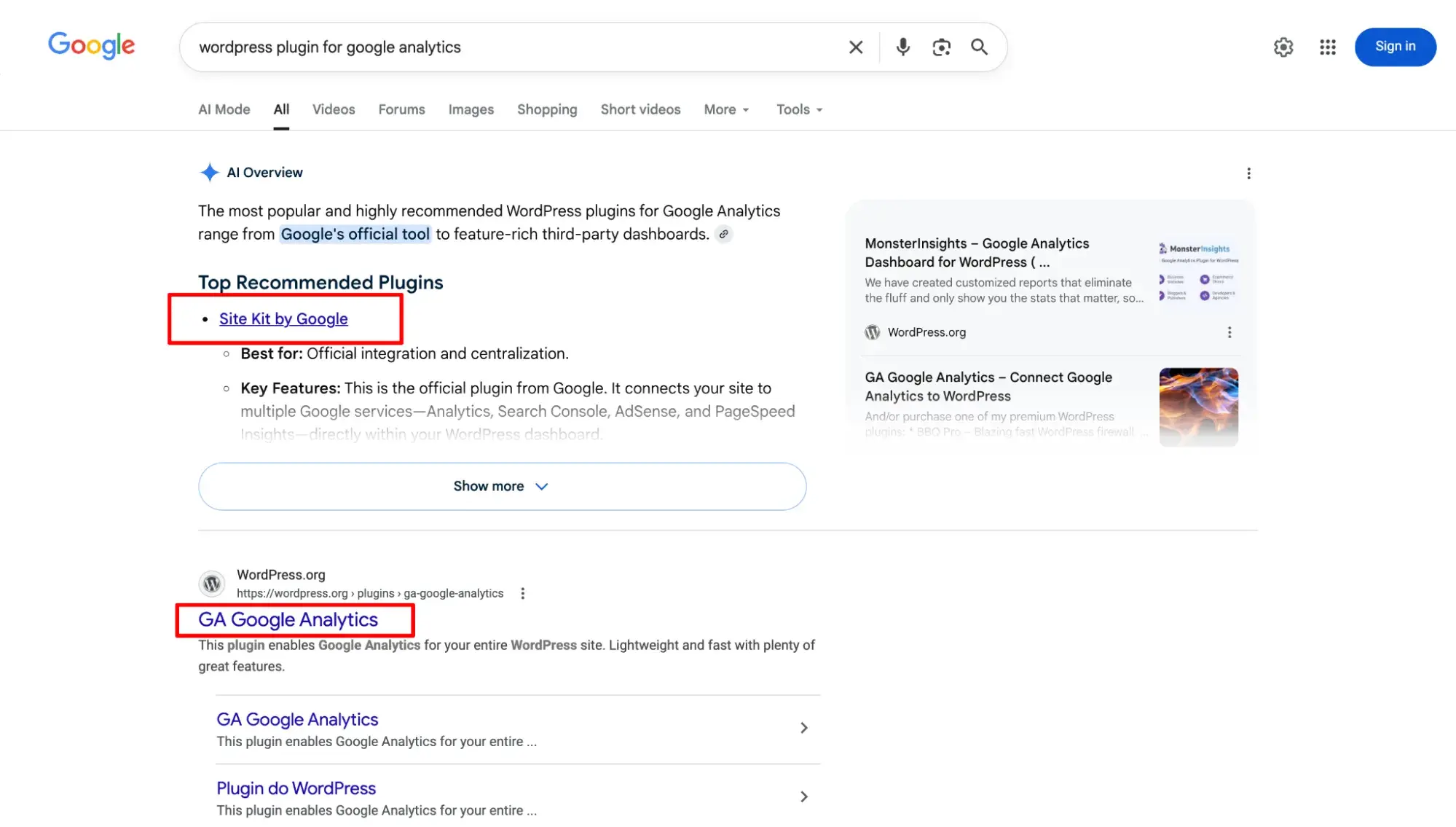
In the old model, ranking #1 for a category term was the "Holy Grail." Today, that #1 spot is frequently pushed below the fold by AI-generated summaries.
The impact is most profound on category-level queries. According to Ahrefs, Google serves AI Overviews for non-branded queries nearly twice as often as for branded ones. If a potential customer searches for "best video editing software," they are no longer browsing a list; they are being presented with a curated recommendation.
For brands, this creates a new competitive landscape. Success is no longer determined solely by backlink profiles or keyword density. Instead, it relies on three foundational elements:
- Entity Clarity: Does the AI clearly understand who you are, what you offer, and your authority in the industry?
- Topical Authority: Does your content comprehensively cover the breadth of your subject matter?
- Reputation Signals: Are you being cited across third-party platforms, social media, and industry roundups?
Strategic Implications for GTM Teams
The shift toward AI search necessitates a fundamental change in how marketing, sales, and service teams collaborate.
1. Sales Conversations are Changing
Prospects are arriving at first calls with a pre-formed narrative shaped by AI. They have likely already compared your pricing, features, and drawbacks against competitors. Sales reps must pivot away from "discovery" questions—which the AI has already answered—and toward "consultative" questions that validate or challenge the AI’s summary.
2. Service Content as SEO Gold
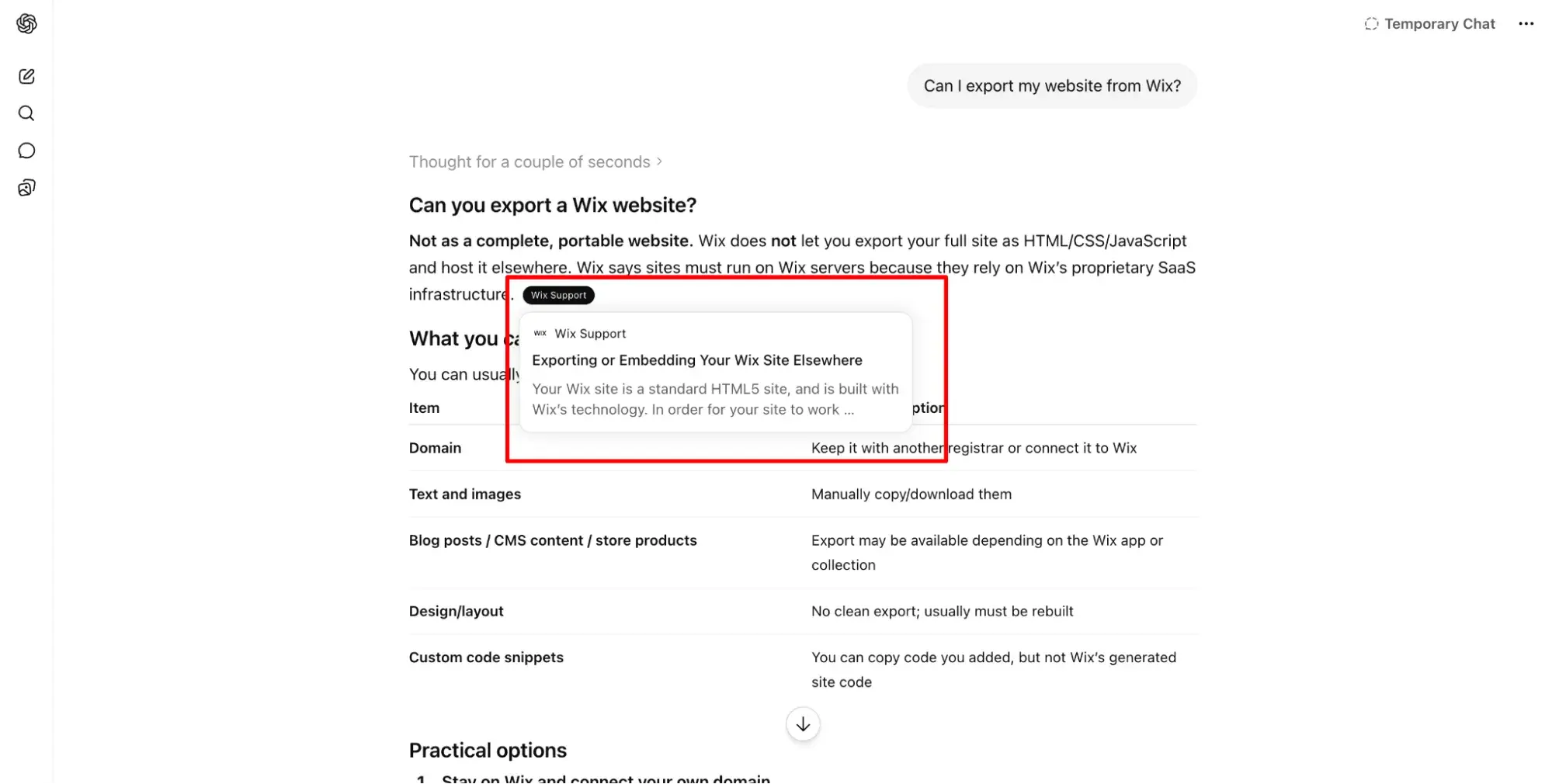
Knowledge base articles and technical documentation are among the most cited content types by LLMs. When a user asks, "How do I export data from [Tool Name]?", they expect a direct answer. Companies that prioritize clear, structured, and helpful support documentation are effectively "seeding" the AI engines with the exact information they need to cite them as an authority.
The AEO Playbook: How to Optimize Today
Optimizing for AI isn’t about gaming an algorithm; it’s about providing the best, most structured answer to the user’s question.
Phase 1: Question Mapping
Stop thinking in keywords and start thinking in sequences. Use the "Seed Query" method:
- Start with a core question (e.g., "What is AEO?").
- Trace the follow-up logic: "How does it differ from SEO?", "What tools do I need?", "What is the ROI?".
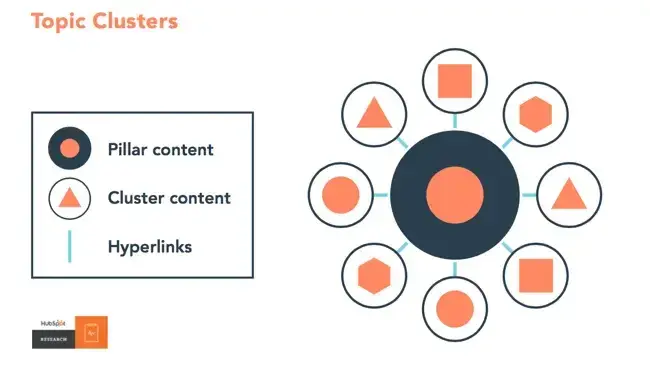
- Structure your content to answer this entire thread in a cohesive topic cluster.
Phase 2: Building Extractive Answers
AI models prefer content that is "extractable." This means:
- Front-loading: Provide the direct answer in the first two sentences.
- Chunking: Use short, punchy paragraphs that an LLM can easily ingest.
- Structural Cues: Use H2/H3 headers that explicitly state the question being answered.
Phase 3: Technical Signals
While debated, structured data (schema markup) remains a key ingredient. By using FAQ schema, you provide a clear signal to crawlers about what constitutes a question and an answer. Furthermore, internal links that build a logical hierarchy allow the AI to traverse your site and map your topical authority.
Official Perspectives: The Experts Weigh In
Industry leaders are divided on the "weight" of technical SEO in this new age. Kaleigh Moore, an AEO strategist, argues that while schema is fine, the real wins come from deep, off-site authority building—engaging in spaces like LinkedIn and YouTube where AI models pull "reputation" data.
Conversely, Elie Berreby of Adorama emphasizes the interconnectedness of entities. He views schema not as a direct ranking factor, but as the foundation for the "Knowledge Graph." If your structured data is clean and consistent, it feeds the scraper, which feeds the summary, which leads to the citation.
Conclusion: Embracing the Transition
The "death of the link" has been predicted many times, but the current reality is more nuanced: the nature of the link is changing. We are moving from a world of passive consumption to one of active, AI-assisted decision-making.
For go-to-market teams, the imperative is clear: stop treating AI search as a black box. By auditing your brand visibility, mapping your customers’ conversational prompts, and restructuring your content for immediate utility, you can ensure that when a buyer asks an AI for a solution, your brand is the one being recommended. The brands that win in 2026 and beyond will be those that view AI not as a competitor to their website, but as a distribution channel that requires a new level of precision and authority.