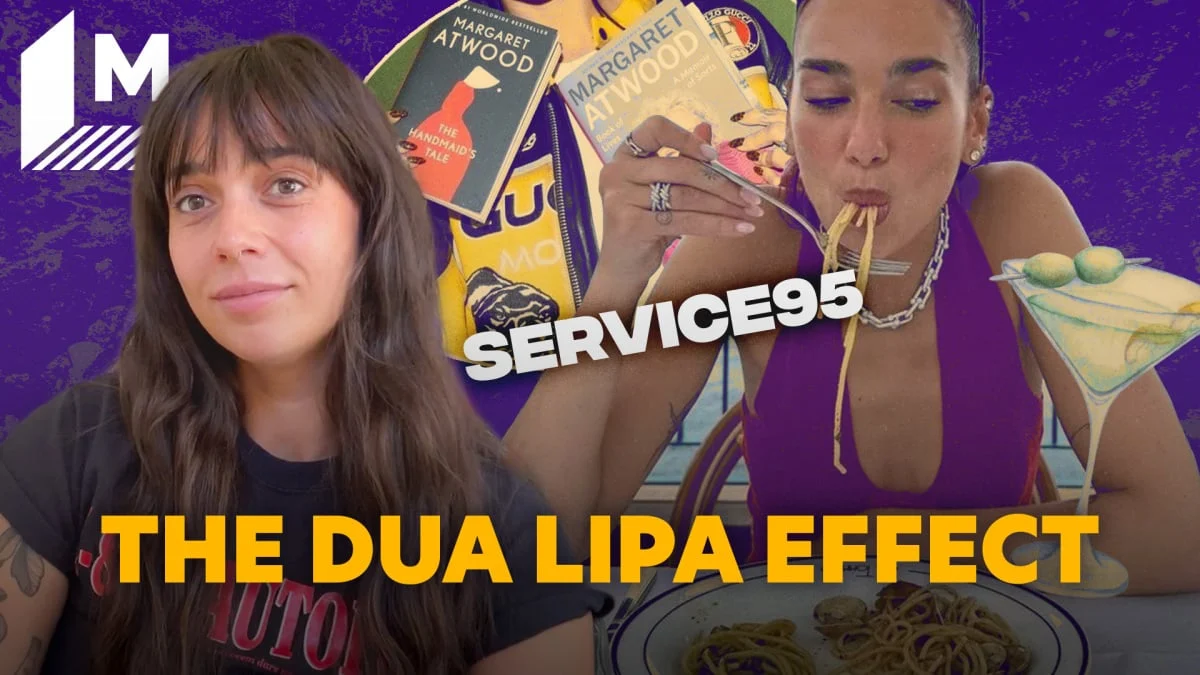
In the hyper-accelerated digital landscape of 2026, where the "grind" is increasingly viewed with skepticism and burnout is the defining ailment of a generation, pop icon Dua Lipa has emerged as an unlikely beacon of balance. She is, by all traditional metrics, a global superstar: a chart-topping vocalist, a fashion industry darling, and a business mogul. Yet, it is not her discography or her red-carpet appearances that have captivated the collective consciousness of the internet. Instead, it is the curated, sun-drenched aesthetic of her lifestyle—a phenomenon now dubbed "The Dua Effect"—that has transformed her into the digital age’s ultimate mood board for adulthood.
The Architecture of a Modern Lifestyle
Dua Lipa’s public persona offers a stark departure from the traditional, unattainable celebrity mold. While she possesses the requisite wealth, beauty, and international access of a top-tier pop star, her digital footprint—specifically her Instagram feed—frames these elements through a lens of intellectual and cultural enrichment rather than mere consumerist excess.
Her social media presence acts as a curated diary of a life well-lived. It is a mosaic of high-end travel, literary pursuits, museum visits, culinary exploration, and a deep investment in personal relationships. Through her editorial platform, Service95, Lipa has institutionalized this aesthetic. Positioned as a "cultural concierge," the brand encompasses newsletters, a podcast, and a highly influential book club, signaling to her audience that she is not just a performer, but a student of the world.
The Shift Away from "Hustle Culture"
The obsession with Lipa’s lifestyle is rooted in a fundamental shift in the aspirations of Gen Z and younger Millennials. After years of glorifying "rise and grind" mentalities, the cultural tide has turned. The current zeitgeist is characterized by a collective desire for "leisure as a career," or at the very least, a life that is not entirely subsumed by professional output.
This longing manifests in various internet micro-trends: the romanticization of the "Euro summer," the enduring nostalgia for the travel-journalism ethos of Anthony Bourdain, and the rise of "It Girl" reading culture. These trends share a common thread: the belief that one’s life should be a collection of experiences, curiosity, and aesthetic beauty, rather than a mere sequence of billable hours.

Chronology of an Icon’s Evolution
To understand the rise of the "Dua Effect," one must look at the transition of Lipa’s public brand over the last several years.
- 2020–2021 (The Lockdown Pivot): During the height of the global pandemic, Lipa’s brand began to pivot from the traditional pop star promotional cycle to something more personal. Her Future Nostalgia era, while commercially massive, was characterized by a sense of joy and artistic escapism that resonated with a homebound public.
- 2022 (The Launch of Service95): The founding of Service95 marked a strategic shift. By curating book lists, global dining recommendations, and activist-led discussions, Lipa moved beyond the music industry. She began to position herself as a curator of culture, effectively signaling that her interests extended far beyond the studio.
- 2023–2024 (The "Student of Life" Era): This period saw a marked increase in travel-based content. Whether she was documenting a trip to a remote Italian village or a quiet morning in a London bookstore, the focus remained on the experience of the moment.
- 2025–2026 (The Current Consensus): The "Dua Effect" has now reached a point of saturation. She is no longer just a musician; she is a lifestyle archetype. Her partnership with tech giants, such as Google, for curated travel maps has formalized her role as a guide for those seeking to replicate her version of high-culture exploration.
Supporting Data: The Decline of the "Grind"
The appetite for Lipa’s lifestyle is supported by shifting economic and social data regarding how younger generations view labor. Recent labor market surveys suggest that Gen Z workers are increasingly prioritizing "work-life integration" over traditional salary-growth metrics.
According to recent reports, the decline of hustle culture is not merely a social media trend but a reaction to the precariousness of the modern economy. With housing and cost-of-living crises dominating the headlines in 2026, many young people feel that the traditional promise of "hard work equals financial security" has been broken. Consequently, the pursuit of small, accessible pockets of joy—a good book, a well-curated dinner, a weekend trip—has become a form of resistance against a system that demands constant productivity.
Lipa’s feed provides the aesthetic blueprint for this resistance. It suggests that even in a world of economic uncertainty, there is power in being a "student of life."
Official Perspectives and Cultural Criticism
Industry analysts and social commentators have weighed in on why this specific brand of leisure is so effective. Madison Huizinga, whose analysis of the "Dua Effect" has gained significant traction, notes that the appeal lies in the absence of labor on screen. "Lipa works incredibly hard," Huizinga notes, "but her feed carefully obscures the work. We see the final product of a well-lived life, not the stress or the logistics that go into it."

However, this is also where the critique begins. Critics argue that while the "Dua Effect" is an appealing fantasy, it is fundamentally a product of extreme wealth. For the average person, "living like Dua Lipa" is a logistical impossibility. It requires a level of financial freedom that allows for spontaneous travel and international socialization—luxuries that are increasingly out of reach for the working class.
The Implications of the "Dua Effect"
The implications of this obsession are twofold. On one hand, it represents a positive shift in how we value time and culture. The desire for a life that includes art, literature, and travel is a healthy rejection of the burnout culture that plagued the 2010s. If millions of people are feeling inspired to visit museums, read more books, or explore their own cities with a more "curated" eye, the net cultural impact is, arguably, positive.
On the other hand, there is the inherent tension of the "creator economy." The fantasy that one’s life can be both a job and a work of art is a dangerous trap. It suggests that if your life isn’t aesthetic, it isn’t successful. When "leisure" becomes something to be broadcasted and "curated" for an audience, it ceases to be true leisure and becomes yet another form of content creation.
The Fleeting Nature of the Trend
It is important to acknowledge that the "Dua Effect" exists within a cycle of internet virality. The obsession with a specific "It Girl" lifestyle is rarely permanent. As trends move toward minimalism, "de-influencing," or perhaps a total rejection of the "curated life" altogether, Lipa’s current status as a lifestyle icon will eventually face challenges.
For now, however, she remains the gold standard. She has successfully navigated the transition from a pop star to a cultural architect, proving that in the digital age, influence is no longer just about the songs you sing, but the life you choose to present to the world.

Conclusion: Is the Fantasy Sustainable?
As we move further into 2026, the "Dua Effect" serves as a mirror to our own desires. We don’t necessarily want to be Dua Lipa; we want to have the emotional space, the intellectual curiosity, and the freedom from the "grind" that she appears to enjoy.
Whether this is a sustainable way of living or just another fleeting digital fantasy remains to be seen. But for a generation that feels exhausted by the demands of a high-speed, high-stress world, the image of a life lived with intention and pleasure remains an incredibly powerful—and perhaps necessary—distraction. As long as the world remains in a state of flux, the hunger for a life that feels like an art form will only continue to grow.