In an era defined by perpetual digital connectivity, relentless notification pings, and the blurring of boundaries between professional and personal life, the search for authentic "off-switches" has become a collective priority. Amidst the rise of high-tech wellness gadgets and complex meditation apps, a surprisingly analog solution has emerged at the forefront of the mental health conversation: adult coloring.
What was once dismissed as a childhood pastime has evolved into a sophisticated tool for cognitive recalibration. From bookstores to tablets, millions of adults are turning to patterned pages to navigate the complexities of modern life. But is this trend merely a nostalgic aesthetic, or is there a genuine psychological mechanism at play? Clinical insights suggest that adult coloring is a potent, accessible method for stress management and cognitive restoration.
The Science of Stillness: Main Facts
At its core, the efficacy of coloring lies in its ability to engage the brain in a state of "active meditation." When an individual focuses on the repetitive motion of filling a shape with color, the amygdala—the brain’s fear center—begins to settle. This process effectively redirects the brain’s focus from ruminative, anxiety-inducing thoughts to the immediate, tactile experience of the present moment.
Psychologically, this is known as a "flow state." By concentrating on color selection and stroke precision, the brain enters a rhythm that inhibits the "fight or flight" response. The result is a physiological shift: heart rates often stabilize, and cortisol levels—the body’s primary stress hormone—begin to dissipate. Unlike passive relaxation, such as watching television, coloring requires a mild, non-demanding level of cognitive engagement that keeps the mind occupied without exhausting it.

The Evolution of the Trend: A Chronology
The surge in popularity for adult coloring can be traced back to the early 2010s.
- 2012–2013: The market saw a quiet beginning as specialized publishers began testing the waters with intricate floral and geometric patterns aimed at older demographics.
- 2015: The "coloring boom" hit a global tipping point. Johanna Basford’s Secret Garden became a massive commercial success, signaling to the publishing industry that there was a massive, untapped demand for stress-relief art.
- 2017–2020: The trend transitioned from print-only to digital. Tablet-based coloring apps introduced "undo" buttons and infinite color palettes, making the hobby more accessible to commuters and those on the go.
- 2021–Present: Following the global pandemic, the focus shifted from a "leisure trend" to a "mental health staple." Psychologists and wellness influencers began formally recommending coloring as a grounding technique to combat the "Zoom fatigue" and burnout associated with the shift to remote work environments.
Supporting Data: Why It Works
The benefits of this activity are not merely anecdotal; they are rooted in cognitive behavioral principles.
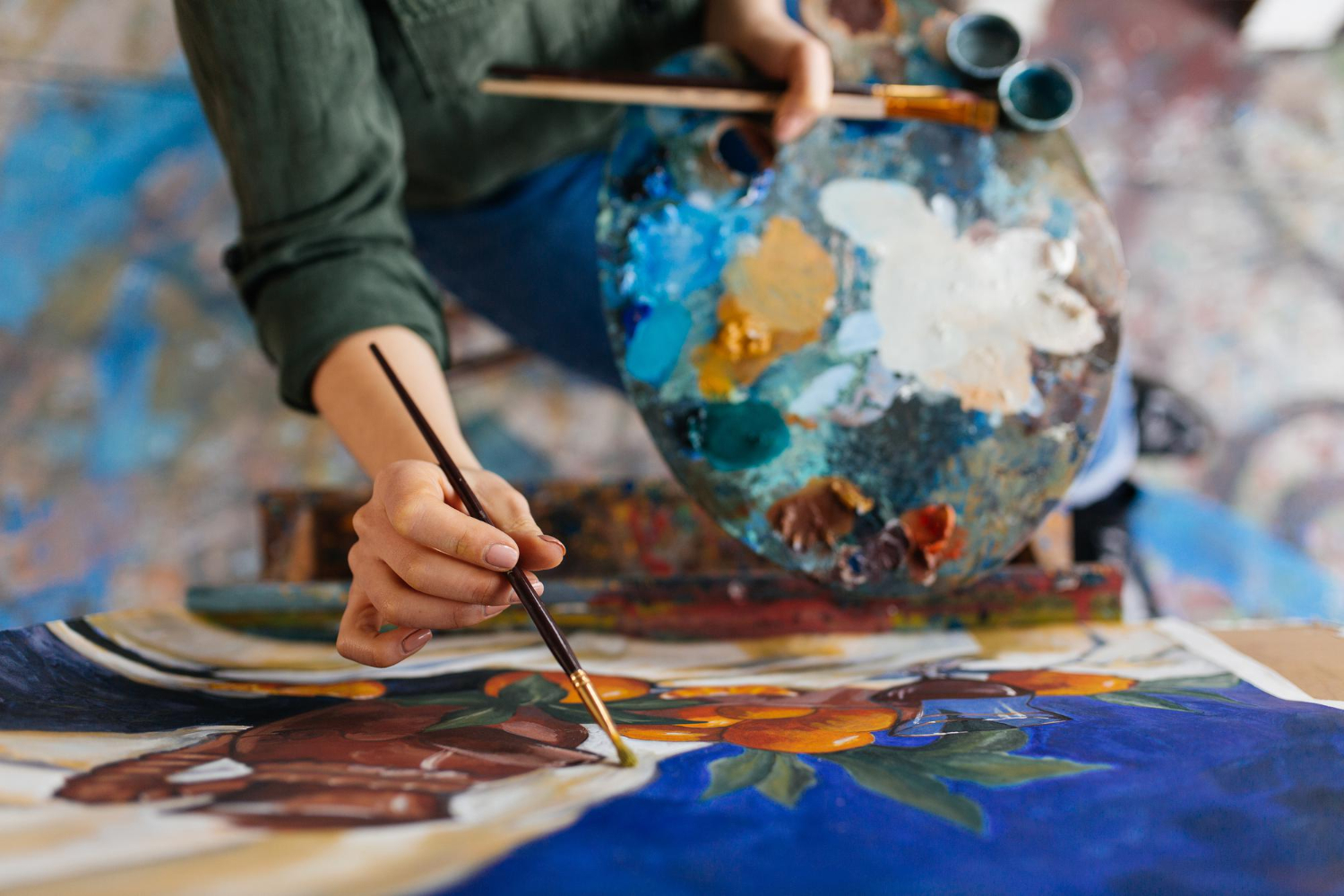
- Lowering Cortisol: Studies in art therapy indicate that the act of creating—regardless of artistic skill—significantly reduces cortisol levels in the bloodstream.
- Mindfulness Integration: Mindfulness requires being anchored in the "now." Coloring provides a physical anchor, forcing the brain to focus on the boundary lines and color gradients, thereby preventing the mind from drifting into past regrets or future anxieties.
- Concentration Conditioning: In an age of fragmented attention spans, coloring acts as a "gym" for the brain. Sustained focus on small details improves the ability to concentrate on longer tasks, essentially conditioning the prefrontal cortex to remain engaged without seeking external stimulation.
- Creative Catharsis: For those who feel they lack "artistic talent," coloring provides a safe, non-judgmental sandbox. There is no "failure" in choosing a blue leaf or a purple sky, which encourages a sense of autonomy and playful exploration.
Implications for Mental Health
The broader implications of this trend suggest a societal shift toward "low-stakes wellness." We are beginning to recognize that mental health maintenance does not always require high-intensity intervention.
By reducing screen time, coloring serves as a powerful antidote to digital eye strain and the dopamine-loop cycle created by social media. When the eyes move from a backlit screen to a physical paper, the nervous system receives a signal to decompress. Furthermore, the sense of accomplishment derived from completing a single page acts as a "micro-win," which can trigger a release of dopamine, boosting self-esteem and providing a sense of agency in a world that often feels chaotic.
Expert Perspectives: The Clinical Reality
While advocates praise its benefits, medical professionals offer a nuanced view. We spoke with clinical health experts to clarify the role of this activity in a holistic wellness plan.
Is it a substitute for professional care?
"Absolutely not," clarifies the clinical team. "Coloring is a powerful complementary tool, but it is not a replacement for therapy or medical intervention." For individuals suffering from chronic anxiety disorders or clinical depression, coloring should be viewed as a component of a broader self-care toolkit—much like exercise, nutrition, or journaling—rather than a cure-all.
How much is enough?
Research suggests that a "dose" of 15 to 30 minutes is the sweet spot. This duration is sufficient to trigger the relaxation response without causing the individual to feel pressured to "finish" a project, which would defeat the purpose of the activity.
Practical Steps: How to Begin
Starting this practice requires zero training and minimal investment.
- Curate Your Space: Find a quiet, well-lit area. Remove digital distractions by placing your phone in another room.
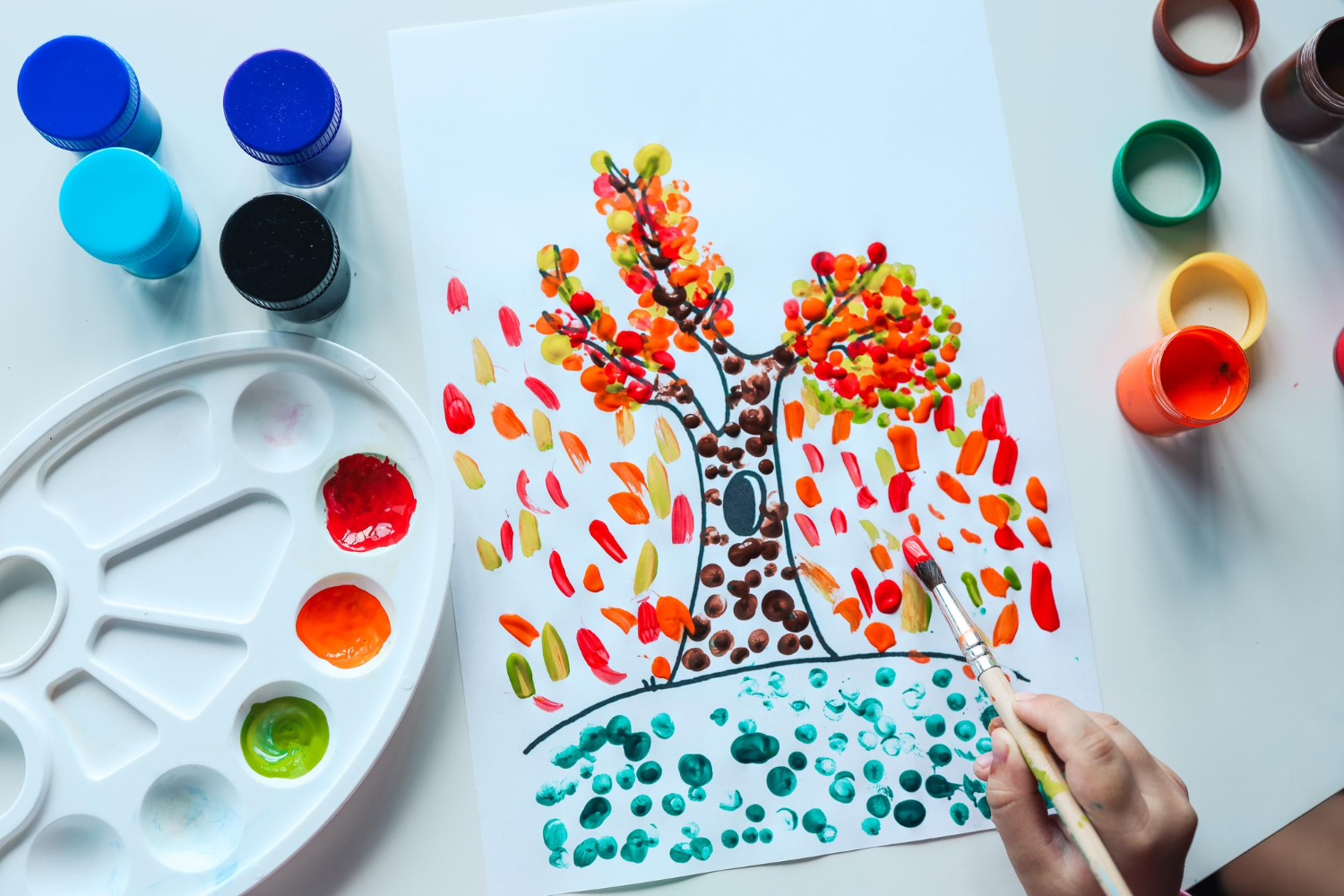
- Choose Your Medium: Whether you prefer colored pencils for precision, markers for bold saturation, or digital apps for convenience, select what brings you the most sensory joy.
- Focus on Process, Not Product: Approach the page with the intent to enjoy the motion, not to create a masterpiece. If you miss a line or choose a color you dislike, it is simply an exercise in letting go.
- Consistency over Intensity: You do not need to spend hours coloring. Dedicating just 15 minutes before bed can act as a "mental buffer," helping the brain transition from the day’s stimulation to a state of rest, ultimately aiding in sleep quality.
Final Considerations: The "Analog" Prescription
As we look toward the future of mental health, the popularity of adult coloring serves as a reminder that the most effective solutions are often the most fundamental. By returning to a childhood activity, we are reclaiming our ability to be still, to focus, and to express ourselves without the pressure of performance.
Whether you are seeking to reduce screen time, improve your sleep hygiene, or simply find a quiet corner in a loud world, picking up a set of colored pencils is a scientifically backed, accessible path to rejuvenation. In a world that demands constant, rapid output, perhaps the most radical thing we can do is sit down, slow down, and color within the lines—or, if we choose, outside of them.
Frequently Asked Questions (FAQs)
Q: Does adult coloring really lower stress?
A: Yes. By engaging in a repetitive, rhythmic task, you activate your brain’s relaxation reflex, which lowers anxiety and diverts your focus from stressors.
Q: How long should I color to see benefits?
A: A daily practice of 15–30 minutes is sufficient to lower heart rates and promote a sense of calm.
Q: Is coloring a form of meditation?
A: It shares many characteristics with meditation. It promotes mindfulness, keeps you in the present moment, and helps quiet a "racing mind."
Q: What are the best types of coloring for relaxation?
A: While all coloring is beneficial, experts often recommend mandala designs (for centering), botanical/nature scenes (for calming visuals), and geometric patterns (for structural, focused concentration).
Q: Do I need artistic training to start?
A: Not at all. Adult coloring is designed for all skill levels. The goal is the process of relaxation, not the artistic merit of the final product.
(Note: This article was prepared by the medical editorial team to provide a comprehensive look at the intersection of creativity and mental health.)