In the modern digital landscape, LinkedIn has evolved from a simple digital Rolodex into a high-stakes marketplace. For professionals and entrepreneurs, the challenge is no longer just "being on LinkedIn"—it is about converting that presence into a measurable business asset. According to LinkedIn strategist Will McTighe, who has seen his own ventures scale to over $2 million in annual revenue, the secret to this growth lies in moving away from sporadic posting and toward a rigorous, funnel-based content strategy.
The Strategic Framework: Treating LinkedIn as a Business Engine
The most significant barrier to LinkedIn success is not a lack of creative genius; it is a misplaced fear of failure. Many potential creators remain paralyzed by the prospect of "bad" content. However, McTighe argues that the platform’s algorithm acts as a natural filter. When content misses the mark, the algorithm simply limits its reach, providing a built-in safety net that mitigates the risk of public embarrassment.
To transition from a casual user to a high-performing creator, one must shift their mindset: treat LinkedIn as a primary business function rather than a social hobby. This requires analyzing performance metrics, identifying repeatable patterns, and maintaining a consistent posting schedule. This professional rigor is the defining characteristic that separates accounts destined for growth from those destined to plateau.
The core of this strategy is a three-part content funnel designed to guide a stranger from their first interaction with your profile to a finalized transaction.
The Chronology of Growth: The 4-2-1 Content Ratio
For those looking to optimize their workflow, McTighe proposes a weekly cadence based on a "4-2-1" ratio. This structure ensures that your profile is constantly growing while simultaneously nurturing existing followers and converting them into leads.
- Awareness (4 posts per week): The top of the funnel, designed to reach new audiences and convert them into followers.
- Trust (2 posts per week): The middle of the funnel, intended to build authority and demonstrate expertise.
- Lead Generation (1 post per week): The bottom of the funnel, designed to drive action and sales.
Supporting Data: Why Format Matters
Data-driven insights suggest that not all post formats are created equal. Analysis of over 100,000 posts reveals that infographics and carousel-style posts currently generate the highest viral potential on the platform.

The Image-Text Synergy
While pure text posts often suffer from the lowest median reach, the addition of a single, contextually relevant image can double engagement. The critical rule for creators is visual-text alignment: the image must directly relate to the first two lines of your post—the "hook." If a reader sees an image that matches the beginning of the post, they are significantly more likely to click "see more." An image that relates only to a detail buried deep in the 17th line creates cognitive dissonance, causing the reader to lose interest and continue scrolling.
The Myth of the "No-Link" Rule
A common misconception among LinkedIn creators is that including an external link suppresses the post’s reach. While the algorithm may deprioritize posts that explicitly drive traffic off-platform, McTighe’s research indicates that high-quality, valuable content that happens to contain a link still performs well. The increased dwell time, saves, and shares generated by high-value resources effectively negate any algorithmic penalty.
Official Guidance: Executing the Three-Part Funnel
Phase 1: Awareness Content
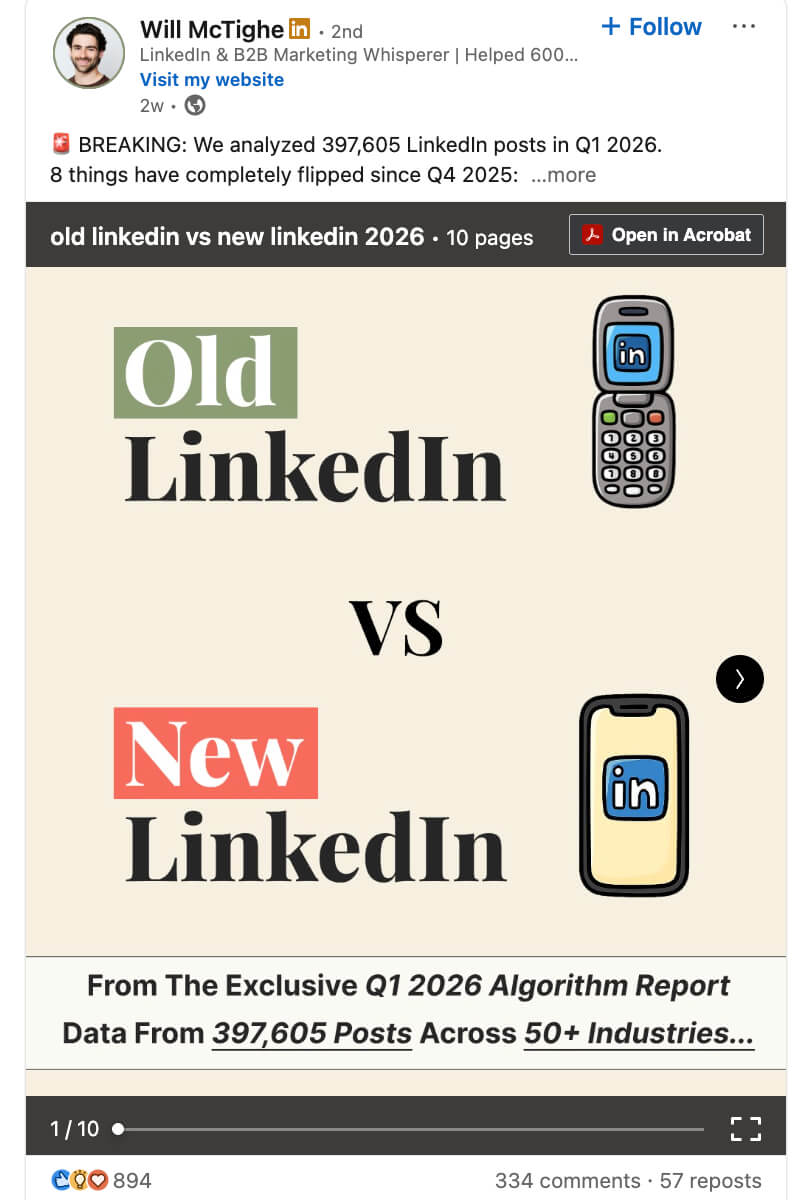
To grow a following, your content must be either highly educational or broadly relatable. Educational content—specifically posts that react to current industry news with actionable insights—is the most effective way to gain followers. By framing a news item (e.g., a new AI development) through the lens of a specific target audience (e.g., cybersecurity professionals), you establish yourself as a curator of intelligence they cannot afford to ignore.
Phase 2: Trust-Building Content
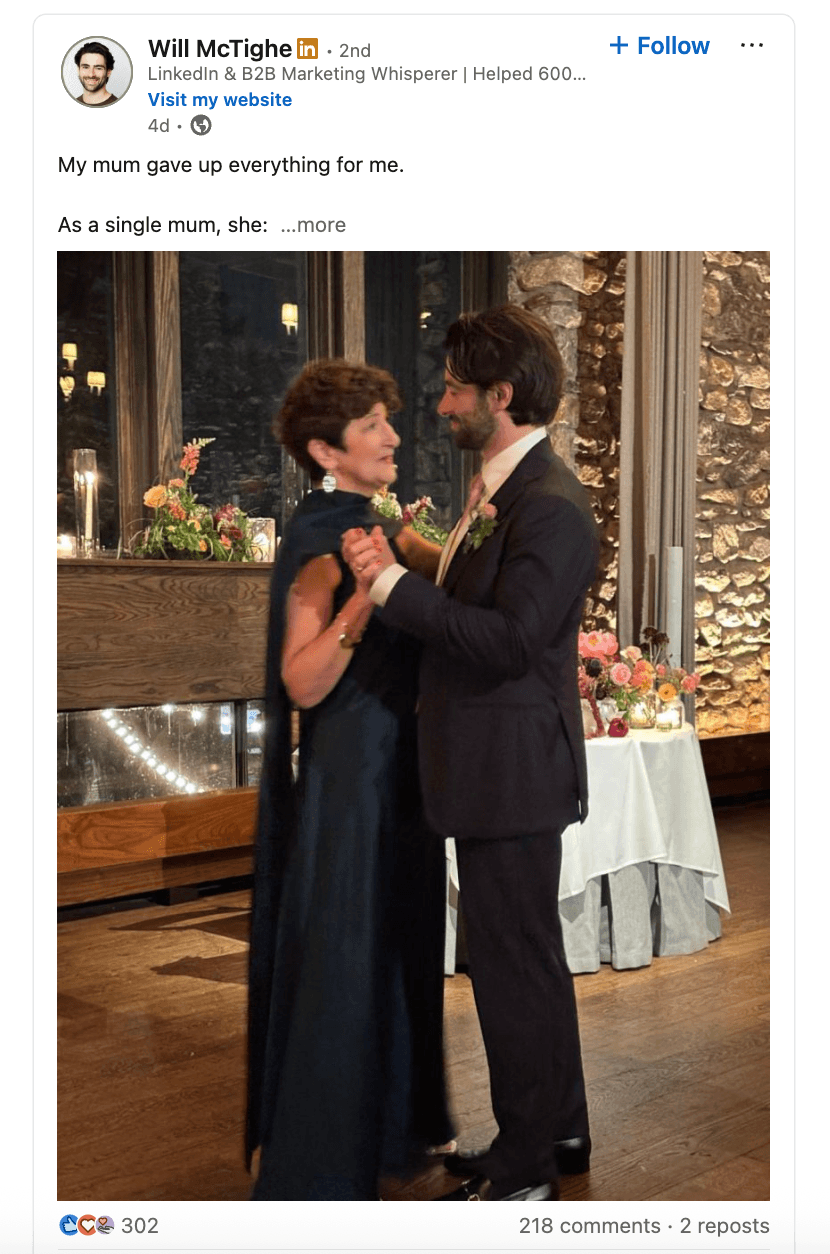
Once you have gained a follower, you must justify their attention. Trust-building content should be story-driven. However, a common pitfall is sharing a personal anecdote without a takeaway. A story must act as a vehicle for a message. Use the Story → Lesson → Application framework to ensure every post provides value.
Authoritative hooks (e.g., "20 years of experience in 60 seconds") or emotive hooks (e.g., sharing a story about business flexibility) serve as excellent gateways to these narratives. Furthermore, video content—while often yielding lower reach than static posts—is vital here. It creates a level of familiarity and "human presence" that static text cannot replicate, significantly easing the transition when you eventually get on a sales call.
Phase 3: Lead Generation Content
The final phase is about de-risking the purchase. Generic testimonials are insufficient. Instead, employ "Transformation Case Studies." These should detail a large outcome achieved in a short timeframe, focusing on the client’s journey. The client must be the hero of the story; your role is simply the guide who provided the tools for their success.
Utilize "raw" assets like screenshots of actual Slack or text messages from clients. These unpolished visuals often perform better than professional graphics because they signal authenticity and transparency, two qualities that are highly valued in a B2B sales context.
Implications for Future Strategy
The implications of this funnel approach are clear: LinkedIn is no longer a platform where one can rely on luck or sporadic updates. By mapping your content strategy to the specific pain points and desires of your target audience, you transform your profile into a predictable lead-generation engine.
Pro-Tips for Long-Term Success
- Map the Audience First: Before writing, define your ideal prospect. What are their specific pains? What do they value? Every post should answer these questions.
- Use AI to Mine Your History: Use tools like ChatGPT or Claude to analyze your previous client call transcripts. Ask the AI to identify powerful stories or points you made during those conversations that you may have forgotten. This creates an infinite bank of "authority-building" content.
- The "Competitor" Watchlist: Keep a simple Google Sheet to track high-performing posts from your feed. When a peer or competitor has a breakout post, analyze the theme and ask yourself: "How can I apply this theme to my specific niche?"
Final Verdict: Consistency Over Intensity
The most important takeaway for any professional is that strategy is secondary to the act of publishing. Will McTighe’s success, now resulting in multi-million dollar annual revenue, was not built overnight. It was the result of three years of relentless testing and refinement.
By adopting the 4-2-1 ratio, you ensure that you are constantly replenishing your audience (Awareness), proving your worth (Trust), and capturing the value (Lead Generation). In the digital age, the creators who win are not necessarily the ones with the most "viral" hits, but the ones who systematically build a business ecosystem on the foundation of a well-structured content funnel. Whether you are an individual consultant or a scaling agency, the path to LinkedIn success is paved with the consistent application of these fundamental principles.