In the modern digital landscape, the most important emails are often the ones that aren’t trying to sell you anything. While marketing teams pour resources into creative campaigns and high-conversion newsletters, a different, critical category of communication is quietly powering the backbone of the customer experience: transactional email.
Transactional emails are automated, one-to-one messages triggered by specific user actions or system events. Whether it is an order receipt, a password reset link, or a shipping update, these messages serve as the digital bridge between a company’s operations and the customer’s immediate needs. When these emails work, they go unnoticed—a hallmark of operational excellence. When they fail, they lead to frustrated users, increased support tickets, and a breakdown in brand trust.

The Anatomy of a Transactional Message: Main Facts
At its core, a transactional email is an operational utility. Unlike marketing emails, which aim to create demand or prompt a new commercial action, transactional emails provide essential information regarding an interaction already in progress.
The distinction is not merely semantic; it is technical and legal. Because transactional emails are expected, timely, and highly relevant, they consistently command higher open rates than their marketing counterparts. However, this reliability is fragile. It depends on three pillars: precise triggering, clear formatting, and strict regulatory compliance.

From a technical perspective, these emails represent a unique relationship between data and infrastructure. Every message is sent to a single recipient because of an event relevant to their account. While they are generated at scale, they remain fundamentally one-to-one, distinct from the bulk distribution models of traditional email marketing campaigns.
A Chronology of the Customer Journey
To understand the power of transactional email, one must look at the customer lifecycle. These messages act as breadcrumbs that guide a user from initial curiosity to long-term loyalty.

Phase 1: Authentication and Security
The journey begins with trust. When a user creates an account or attempts to log in, they expect an immediate response. Security notifications—such as two-factor authentication (2FA) codes or login alerts—are the first line of defense. These emails must be instantaneous and provide enough context (device type, approximate location, time) for the user to confirm the action is legitimate. A delay here is not just an inconvenience; it is a potential security concern.
Phase 2: Order Fulfillment and Financials
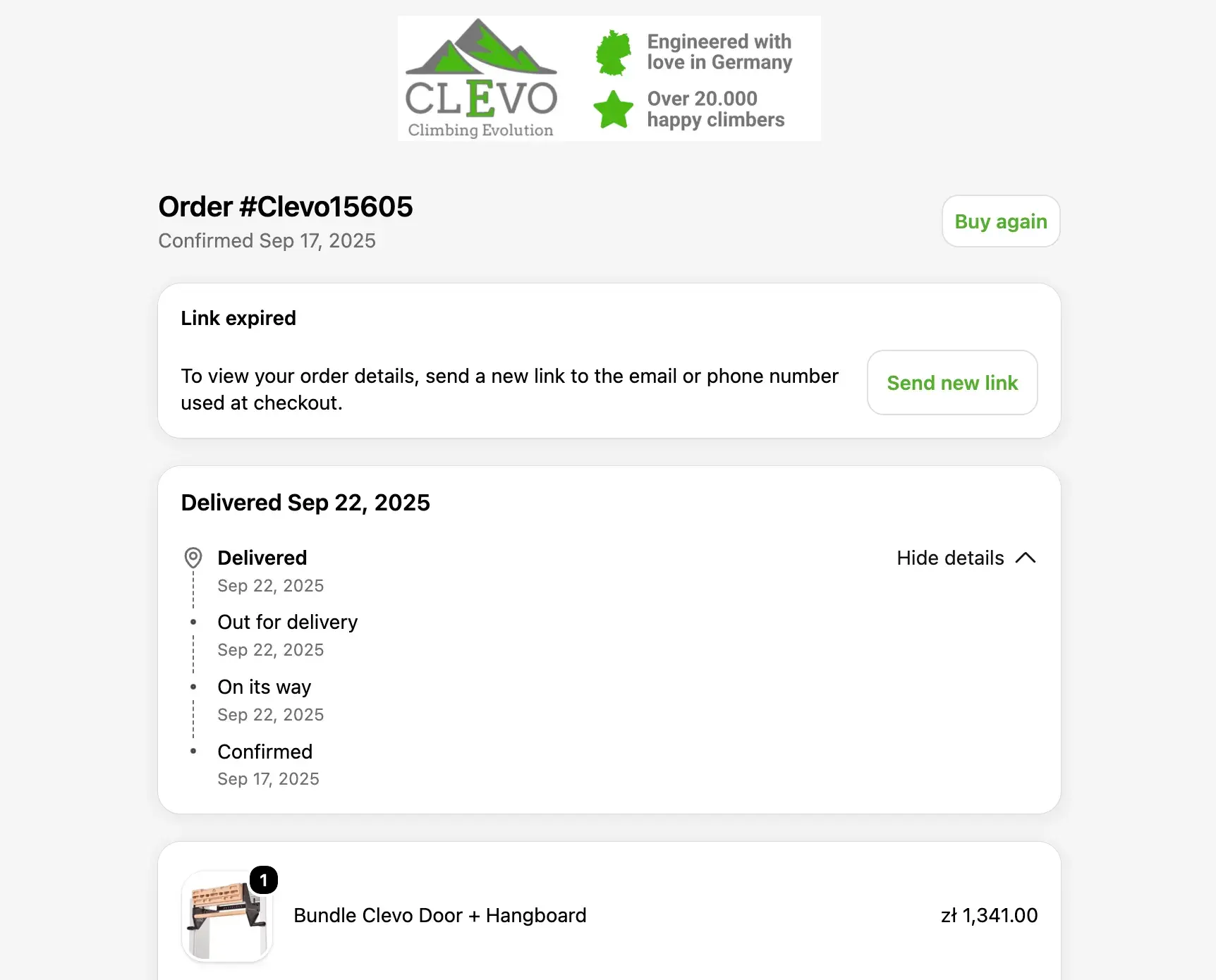
Once a customer enters the purchasing phase, the communication shifts to order confirmations, receipts, and invoices. These documents are vital records. By providing this information automatically, companies reduce the burden on their support teams, as users no longer need to navigate complex account portals to find their billing history or status updates.

Phase 3: The Post-Purchase Experience
The lifecycle continues through shipping updates and service notifications. High-quality transactional emails in this stage go beyond a simple tracking number. They provide clear timelines, offer solutions for potential delays, and facilitate easy interaction if something goes wrong. For instance, if an item is out of stock, an automated email that offers a choice—a partial refund or cancellation—can turn a negative inventory error into a positive, proactive customer service experience.
Phase 4: Engagement and Maintenance
Finally, the lifecycle is maintained through project updates, community digests, and subscription renewals. These messages keep the user tethered to the platform. However, this is where the line between "transactional" and "marketing" begins to blur, requiring strict adherence to content guidelines to ensure the message remains primarily operational.

Supporting Data and Technical Requirements
The stakes for transactional email performance are higher than many organizations realize. Recent research from Sinch Mailgun indicates that nearly 18% of emails fail to reach the inbox. In the context of a password reset or a critical financial alert, a 1-in-5 failure rate is catastrophic.
To ensure deliverability, organizations must master the technical handshake between their CRM and their Email Service Provider (ESP).

Authentication: The Mandatory Standard
Authentication protocols—SPF (Sender Policy Framework), DKIM (DomainKeys Identified Mail), and DMARC (Domain-based Message Authentication, Reporting, and Conformance)—are no longer optional. Major inbox providers like Google and Yahoo have instituted strict requirements. Senders exceeding 5,000 messages daily must meet these standards to avoid being relegated to the spam folder.
The Case for Separation
A crucial strategic move for any growing organization is the separation of marketing and transactional traffic. Marketing campaigns are often subject to volume spikes, high bounce rates, and user complaints. If these messages share the same infrastructure as critical transactional emails, the reputation of the entire sending domain can suffer, leading to "collateral damage" where vital receipts or security codes are filtered out alongside junk mail. Using a separate, dedicated IP address or a distinct subdomain for transactional traffic ensures that critical operational messages are shielded from the volatility of promotional campaigns.

Implications for Compliance and Regulation
Transactional emails occupy a unique space in international law. Under the U.S. CAN-SPAM Act, transactional messages are largely exempt from certain requirements, such as the mandatory inclusion of an unsubscribe link. However, this exemption is not a blank check.
If an email contains promotional content, it risks being reclassified as a "commercial" message. The Federal Trade Commission (FTC) advises that the primary purpose of the message must remain transactional. If the subject line or the placement of content prioritizes a sales pitch over the operational information, the email loses its transactional status, and the sender may be found in violation of anti-spam laws.

In regions like the UK and EU, the guidelines are even more stringent. Regulations like GDPR emphasize the purpose of data processing and the necessity of communication. Adding a "light cross-sell" to a receipt might seem like a clever way to boost revenue, but it risks turning a legally protected service notification into "direct marketing," which requires explicit, prior consent. The safest path for global enterprises is to keep promotional cross-sells in a separate, dedicated marketing stream.
Optimizing for the User Experience: Design and KPI Tracking
The best transactional emails are invisible in their efficiency. They are designed to be scanned, not read.

Design Principles
- Lead with the Facts: The subject line must be descriptive and identify the event clearly (e.g., "Your Order Confirmation #12345").
- Above the Fold: Key information—status, amount, date, and the primary call to action—should be visible without scrolling.
- Responsive by Default: With the majority of email traffic occurring on mobile devices, a single-column, responsive layout is essential.
- Accessibility: Using descriptive button labels and maintaining high contrast ratios (4.5:1) ensures that the message is accessible to all users.
Measuring Success
To manage these emails effectively, companies must move beyond vanity metrics. Success in transactional email is measured by:
- Latency: How long does it take from the trigger event to the message hitting the inbox?
- Inboxing Rate: Are the messages actually landing in the primary folder?
- Action Completion: If the email is a password reset, what percentage of users successfully complete the reset?
- Error Logs: Tracking message IDs through the entire lifecycle—from the CRM trigger to the final delivery status—is essential for rapid troubleshooting.
Conclusion: The Strategic Value of Reliability
Transactional email is the unsung hero of the digital economy. It is the mechanism by which a company proves its reliability and builds trust with its user base. While the technical requirements—SPF/DKIM/DMARC authentication, dedicated IP pools, and clear data logging—may seem daunting, they represent a necessary investment in the customer experience.

By integrating transactional email into a centralized CRM stack, companies can achieve a seamless flow where developers control the triggers and marketers optimize the templates. This alignment reduces friction, minimizes support costs, and ensures that when a customer hits "Buy" or "Reset Password," the company delivers exactly what was promised, exactly when it was promised. In an era where customer attention is the most valuable currency, the ability to send a timely, accurate, and secure message is not just a technical requirement; it is a competitive advantage.