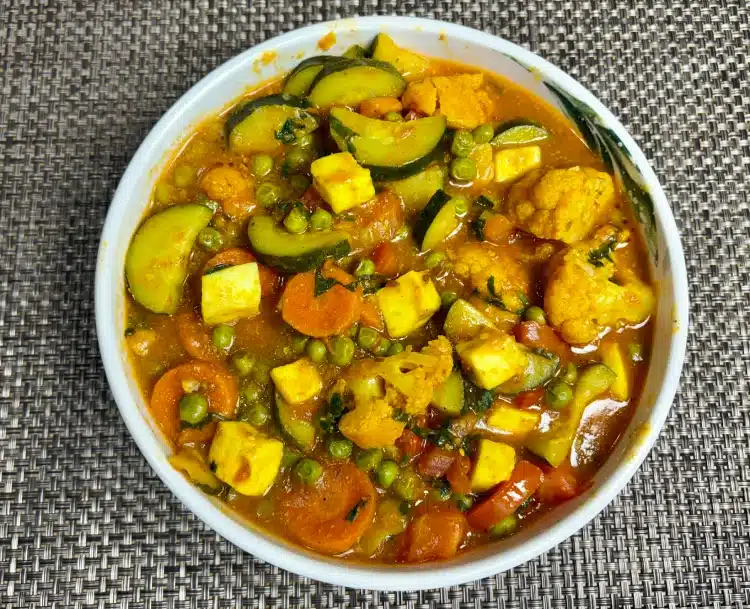
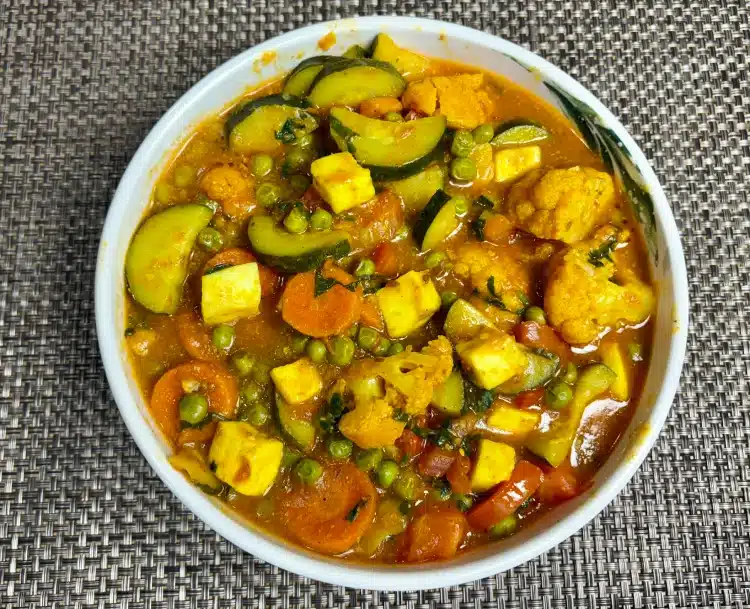
In the vast and colorful landscape of Indian cuisine, few dishes bridge the gap between humble home cooking and celebratory restaurant fare quite like Mixed Vegetable Paneer Masala. A harmonious blend of garden-fresh vegetables and succulent, protein-rich paneer bathed in a velvety tomato-based gravy, this dish is a testament to the versatility of vegetarian cooking. Whether you are a novice cook seeking an easy weeknight solution or an experienced home chef looking to perfect a classic, this recipe offers a reliable, delicious, and highly customizable path to a memorable meal.
Main Facts: The Anatomy of a Classic
At its core, Mixed Vegetable Paneer Masala is more than just a stir-fry; it is a symphony of textures and flavors. The "mixed" element allows for a variety of seasonal produce—ranging from crisp carrots and green beans to earthy cauliflower and sweet peas—to provide a crunchy, nutritious base. The paneer, a fresh, non-melting Indian cheese, acts as the culinary anchor, absorbing the complex spices and the tang of the tomato gravy.
One of the most defining characteristics of this particular preparation is its "sattvic" nature. By design, this recipe is entirely free of onion and garlic. In many Indian traditions, such meals are preferred for their purity and light, gut-friendly qualities. Despite the absence of alliums, the dish remains incredibly flavorful, relying on the natural sweetness of tomatoes, the earthiness of ginger, and a curated blend of aromatic spices to create a robust profile that satisfies the most discerning palates.
Chronology: From Pantry to Plate
The process of preparing this dish is efficient, making it a favorite for modern, time-pressed households. While many curries require hours of slow cooking, this recipe prioritizes high-impact flavors in a fraction of the time.
- Preparation Phase: The journey begins with the careful selection and chopping of vegetables. Whether using fresh produce or high-quality frozen alternatives, the key is uniformity in size to ensure even cooking. If you choose to use fresh paneer, soaking it in warm water for 5–10 minutes is a critical step; this ensures the cheese remains pillowy soft rather than rubbery when introduced to the heat.
- The Gravy Base: The heart of the dish is the tomato gravy. By simmering tomatoes with ginger and a selection of ground spices, one creates a foundation that provides both body and acidity. This base is where the "masala" magic happens—the spices toast in the fat, releasing essential oils that elevate the entire dish.
- The Integration: Once the gravy has thickened to the desired consistency, the vegetables are folded in. Finally, the paneer is added in the closing stages. Because paneer is already cooked and delicate, a brief simmer is all that is required to allow the cheese to marry with the gravy without losing its structural integrity.
- The Final Flourish: The dish is finished with a garnish—perhaps a touch of fresh cilantro or a swirl of cream for those seeking a richer, restaurant-style experience.
Supporting Data: Nutritional and Dietary Versatility
Modern nutritionists often point to dishes like Mixed Vegetable Paneer Masala as a model for a balanced meal. The inclusion of diverse vegetables ensures a wide spectrum of micronutrients and fiber, while the paneer provides a significant source of high-quality protein and calcium.
For those navigating dietary restrictions, the recipe is exceptionally accommodating:
- Gluten-Free: The standard preparation is naturally gluten-free, provided that the spices used are verified.
- Vegan Alternatives: The dish is easily transitioned to a plant-based diet by substituting the paneer with firm, pressed tofu. Tofu mimics the texture of paneer remarkably well and absorbs the tomato-based gravy just as effectively.
- Customization: The gravy can be thickened using various agents. While cornstarch is a common household thickener, those seeking a more traditional, "dhabha-style" richness often turn to cashew nut paste or a small amount of roasted gram flour (besan), which adds a nutty undertone and a luxurious mouthfeel.
Official Perspectives and Expert Culinary Tips
Culinary experts emphasize that the success of this curry lies in the "bloom" of the spices. Adding spices like turmeric, coriander powder, and red chili powder directly into the hot tomato mixture—rather than adding them later—is the secret to creating a base that is both fragrant and deeply colored.
Regarding the "onion-free" debate, chefs note that omitting onions does not mean sacrificing flavor; it simply requires a shift in focus. By utilizing high-quality tomatoes and perhaps adding a pinch of sugar or jaggery to balance the acidity, one can achieve a depth of flavor that competes with any restaurant version. Furthermore, the use of warm water for soaking paneer is a non-negotiable step for those who want to achieve that professional "melt-in-your-mouth" experience.
Implications for the Home Kitchen
The enduring popularity of Mixed Vegetable Paneer Masala has significant implications for how we view home cooking. In an era where takeout is often the default, this recipe reminds us that a wholesome, restaurant-quality meal is accessible within 30 to 45 minutes.
The Role of Meal Planning
Because the curry stores exceptionally well, it is an ideal candidate for "cook-once, eat-twice" meal planning. Flavors often deepen overnight as the paneer continues to absorb the gravy. This makes it an excellent option for office lunches or quick dinners during the week. When reheating, a small splash of water can restore the gravy to its original, silky consistency.
A Gateway to Indian Gastronomy
For those new to Indian cooking, this dish serves as an excellent introduction. It teaches the fundamental techniques of tempering spices, building a gravy base, and balancing acidity with richness. Once a cook masters this recipe, they can easily pivot to other variations, such as using cream for a Shahi (royal) variation or adding green chilies and garam masala for a Kadai (spicy) style.
Frequently Asked Questions (FAQs): Deepening the Knowledge
1. How can I ensure my gravy is thick enough without heavy cream?
If you prefer to avoid dairy-based thickeners, consider blending a small portion of the cooked vegetables into the gravy base. This creates a natural, hearty texture. Alternatively, as mentioned, a tablespoon of roasted gram flour (besan) mixed with a little water creates a fantastic, natural thickener that adds a subtle earthiness.
2. Can this be prepared for a large gathering?
Absolutely. This recipe scales beautifully. When cooking for a crowd, it is recommended to sauté the vegetables in smaller batches to ensure they retain their color and crunch, rather than overcrowding the pan. The gravy can be prepared in a large stockpot well in advance, with the paneer added just before the guests arrive.
3. What is the best way to prevent the paneer from breaking?
The key is to handle the paneer gently. After the soaking phase, ensure the cubes are well-drained. When folding them into the curry, use a soft silicone spatula and avoid aggressive stirring.
4. Is this suitable for children?
The "mild to medium" spice profile makes this a family-friendly dish. To cater specifically to children, simply reduce the amount of red chili powder and omit green chilies entirely. The natural sweetness of the tomatoes and the mildness of the paneer are usually very well-received by younger palates.
Final Thoughts: A Dish for Every Occasion
The Mixed Vegetable Paneer Masala is more than just a list of ingredients; it is a versatile tool in the home chef’s repertoire. It offers the comfort of home-cooked food with the satisfaction of a restaurant-quality meal. Whether you are hosting a formal dinner or simply putting together a quick meal after a long day, this dish promises a balance of nutrition, flavor, and ease that is difficult to match.
By understanding the techniques—soaking the paneer, properly blooming the spices, and customizing the gravy—you empower yourself to move beyond the recipe card and into the realm of true culinary intuition. So, gather your vegetables, prepare your spices, and bring the warmth of a homemade Indian curry to your table tonight. It is, quite simply, a dish that turns a routine dinner into an occasion.
Suggested Serving Suggestions:
- The Classic: Serve with butter-brushed roti or garlic naan to soak up every drop of the tomato gravy.
- The Comfort Choice: Pair with steamed basmati rice or a fragrant jeera (cumin) rice for a soul-warming experience.
- The Modern Twist: Serve alongside a crisp cucumber and yogurt raita to provide a cooling contrast to the spiced curry.
#PaneerRecipe #VegCurry #IndianFood #VegetarianRecipes #PaneerCurry #DinnerRecipe #EasyRecipes #HomemadeFood #NorthIndianFood #TomatoGravy #HealthyRecipes #QuickDinner #IndianCooking #FamilyMeals #ComfortFood #MixedVegetableCurry #SimpleRecipes